3 weeks ago
WHO Says Breastfeeding Is a Child's Powerful Health Protector

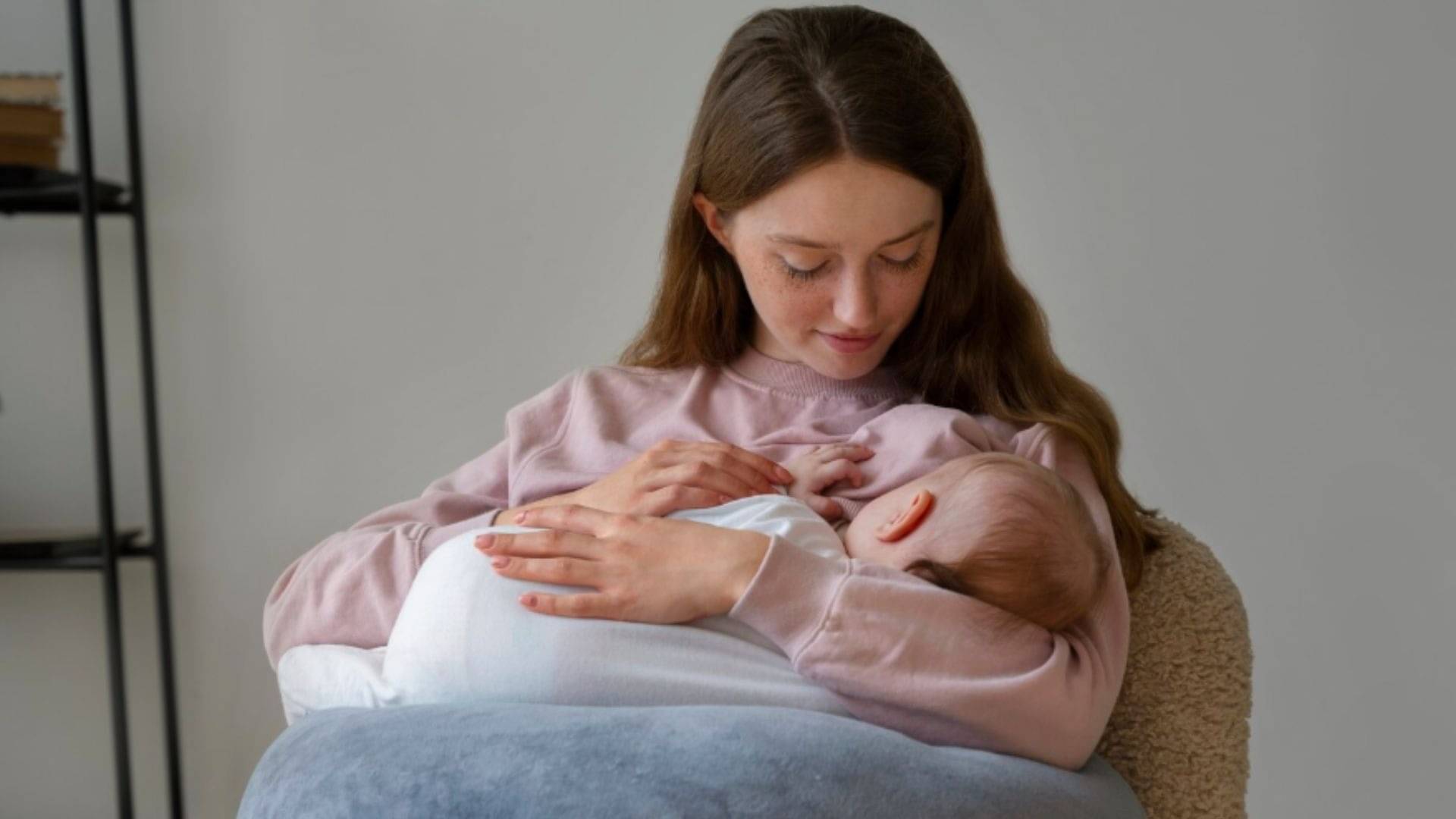
Breastfeeding is when a mother feeds her baby milk from her own body.
The World Health Organization says it is one of the best ways to keep a child healthy.
It gives babies important food and helps their bodies fight off sickness.
It also helps children's brains grow and develop well.
Breastfeeding is good for mothers too.
It can help protect mothers from some diseases like certain cancers and diabetes.
More mothers around the world are breastfeeding now.
This shows that support programmes are working.
But not all places have good breastfeeding help, especially in poor or emergency areas.
The WHO wants every family to get the support they need so babies can stay healthy.

The World Health Organization calls breastfeeding one of the simplest and most powerful ways to protect a child's health.
Breastfeeding provides essential nutrition, increases immunity, helps protect against serious illness, and supports cognitive development.
For mothers, breastfeeding reduces the risk of non-communicable diseases such as breast and ovarian cancers and type 2 diabetes.
Global breastfeeding rates are rising, showing that sustained investments in policies and programmes are working.
Progress remains uneven, with low service coverage, inconsistent policy enforcement, and inadequate quality, especially in low-income, fragile, and humanitarian settings.
- Who
- World Health Organization (WHO), and mothers and families around the world
- What
- The WHO highlighted breastfeeding as a powerful protector of child and maternal health and called for better support services
- Where
- Globally, with particular concern for low-income, fragile, and humanitarian settings
- When
- Published on August 10, 2026
- Why
- To protect children from illness, support their development, and reduce mothers' risk of serious diseases
Key facts
- Organization
- World Health Organization (WHO)
- Child health benefits
- Essential nutrition, increased immunity, protection against serious illness, cognitive development
- Maternal health benefits
- Reduced risk of breast cancer, ovarian cancer, and type 2 diabetes
- Global trend
- Breastfeeding rates are rising, showing investments are working
- Key challenges
- Low service coverage, inconsistent policy enforcement, inadequate service quality
- Most affected settings
- Low-income, fragile, and humanitarian settings
- Recommended interventions
- Skilled breastfeeding support, community counselling, maternity protection policies, protection from exploitative formula marketing
- Publication date
- August 10, 2026
Sources
Related news

Breastfeeding: a small act that gives a lifetime of health

World Breastfeeding Week: Hospital Drive Calls Breastfeeding Baby's First Vaccine
India Failing Breastfeeding Priority as Exclusive Rates Decline, Survey Shows

World Breastfeeding Week campaigns held across Visakhapatnam hospitals

AIIMS Bibinagar Experts Advocate Breastfeeding Support Through Postnatal Period

New Hangout Sitcoms Turn Friendship FOMO Into Streaming Appeal

Chinese Workers Fight Office Ageing With Parasols And Sunscreen

India Sends Fifth Aid Tranche as Nepal Flood Toll Climbs

Dyson Launches $499 CameraJet AI Toothbrush With Jet Flossing

PlatinumRx remotely helps families save on recurring medicines