1 week ago
Stopping Creatine Usually Lowers Water Weight, Not Muscle
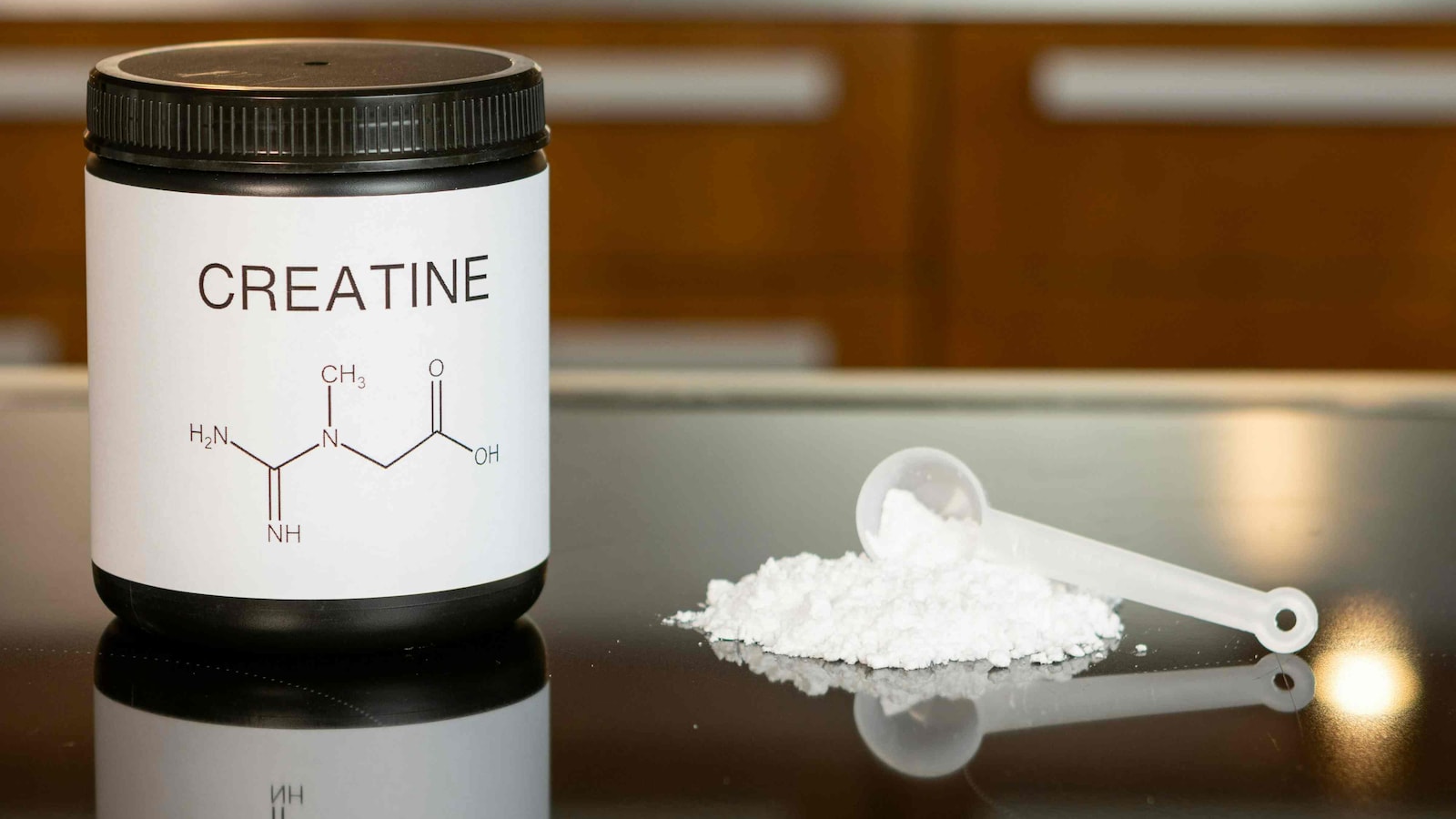
Creatine helps muscles quickly produce energy during short, hard efforts.
When you stop taking it, your body does not suddenly lose the muscle you built.
Your muscles slowly return to their usual creatine levels over several weeks.
You may lose a small amount of water stored inside your muscle cells.
This can make your weight drop and your muscles look slightly less full.
It is not the same as losing body fat or muscle tissue.
Some people may notice a small decrease in repeated high-intensity performance.
Continuing to train, eat enough protein and calories, sleep well, and recover properly can help preserve your progress.
Most people do not need to taper or cycle creatine when stopping it.

Muscle creatine stores generally return toward pre-supplementation levels within about four to six weeks.
Stopping creatine does not cause withdrawal, hormonal disruption, or sudden loss of trained muscle.
Some body weight and muscle fullness may decrease as extra intracellular water is lost.
High-intensity performance may decline slightly, such as completing one fewer repetition or recovering more slowly.
Consistent training, adequate protein and calories, sleep, hydration, and recovery help maintain muscle after stopping.
- Who
- People who use creatine supplements, particularly those involved in strength training or other high-intensity exercise.
- What
- The effects of stopping creatine supplementation on muscle stores, body weight, muscle appearance, performance, and training adaptations.
- Where
- When
- Muscle creatine levels generally move toward baseline over about four to six weeks after stopping.
- Why
- Supplementation raises muscle creatine and intracellular water; stopping allows those levels and the associated performance benefit to gradually decline.
Key facts
- Muscle creatine levels
- Generally return to pre-supplementation levels within around four to six weeks.
- Muscle loss
- Stopping creatine does not by itself cause sudden loss of trained muscle.
- Weight change
- A slight decrease may occur because extra intracellular muscle water is lost.
- Performance
- Repeated high-intensity strength and power efforts may decline slightly.
- Tapering
- Most people do not generally need to taper or cycle creatine.
- Natural creatine
- The body produces creatine from amino acids, while meat and fish also provide dietary creatine.
- Medical caution
- People with kidney disease, complex medical conditions, multiple medications, or pregnancy should seek medical advice before using creatine.
Quotes
Charu Dua
Head of Clinical Nutrition and Critical Care at Amrita Hospital, Faridabad
“You may notice a slight reduction in explosive performance, such as being able to do one fewer repetition or recovering a little more slowly between repeated peak efforts”
 NDTV
NDTV
“There is no biochemical crash after stopping creatine. The metabolic reserve created by supplementation gradually returns to physiological levels”
NDTV
Sources
Related news

Creatine Benefits Are Limited Despite Higher Muscle Stores

10 Natural Creatine Sources You Can Add to Your Diet
Rapid Weight Loss Can Trigger Muscle Loss, Not Aging
Nitin Gadkari's 46-Kg Weight Loss Raises Long-Term Exercise Questions
South Africa Clinic Names Top 5 Longevity Supplements for 2026
Nitin Gadkari's weight loss: why daily exercise sustains results
National Nutrition Week Promotes A Truly Balanced Plate
H1N1 Recovery: Seven Mistakes To Avoid After Fever

H1N1 Cases Rise as Flu Vaccine Demand Surges Nationwide

Seven Ways Gym-Goers Can Prevent H1N1 During Flu Season