

2 days ago
India Introduces Limited UPI Fees, Sparking Debate Over Public Payments

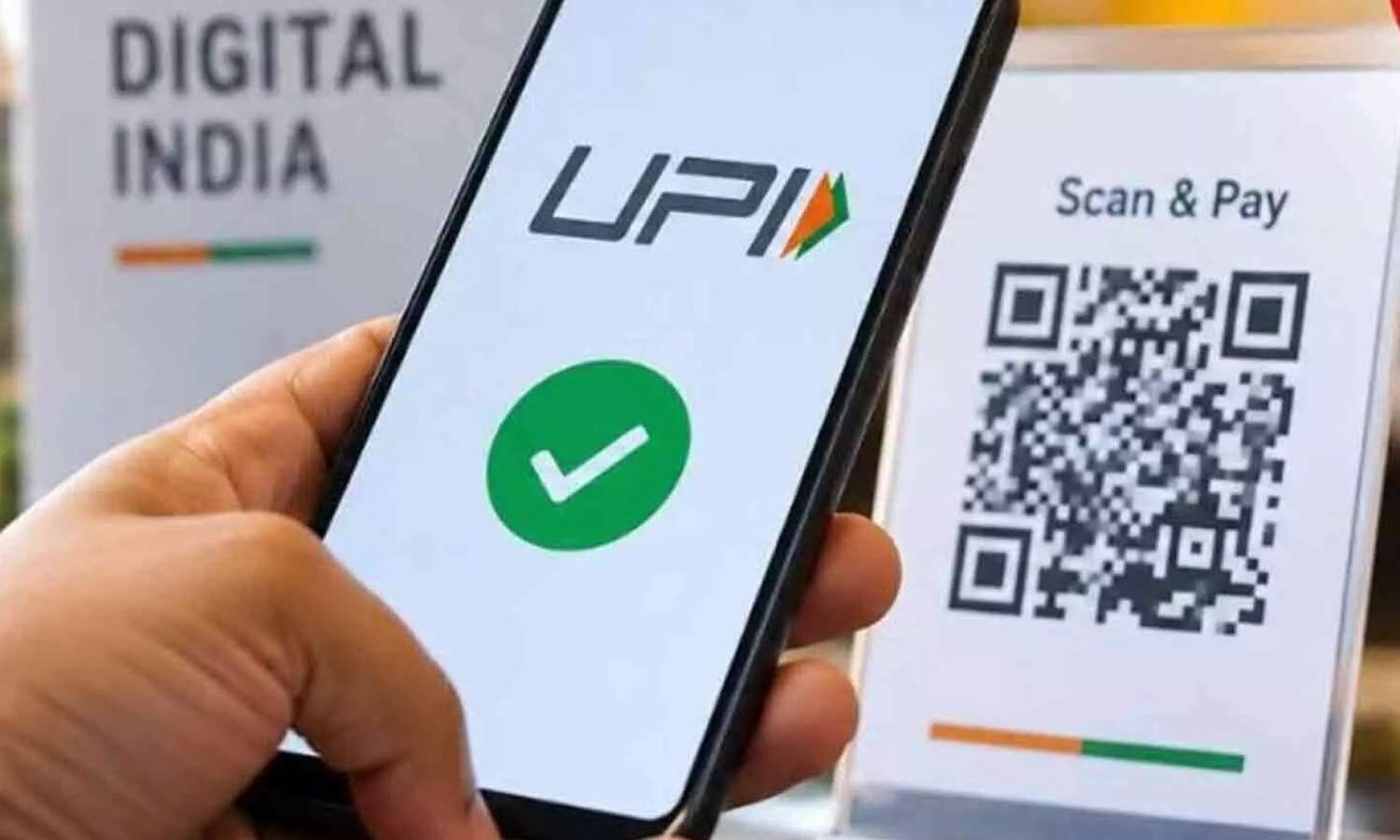
India’s UPI payment system has usually been free for merchants and customers.
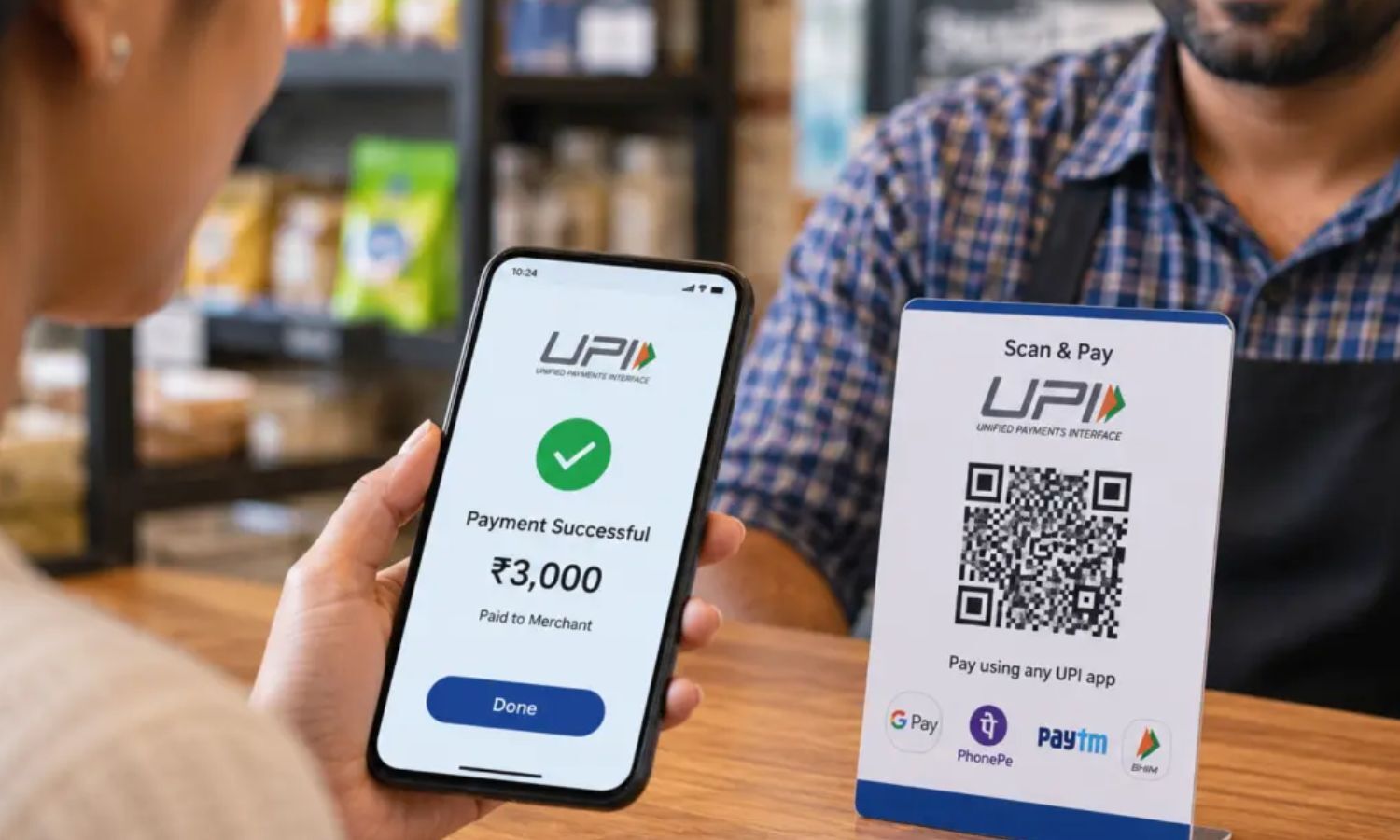
Starting October 15, some merchants will pay a small fee when customers make payments above Rs 2,000.
The usual fee will be 0.4%, although some industries will pay fixed or lower rates.
Payments between people and many small vendors will stay free.
The government says most merchant payments will still have no fee.
It says UPI needs money for computers, security and fraud protection.
Critics say shops might make customers pay more or encourage them to use cash.
They also say the government should openly fund UPI because it benefits the whole economy.

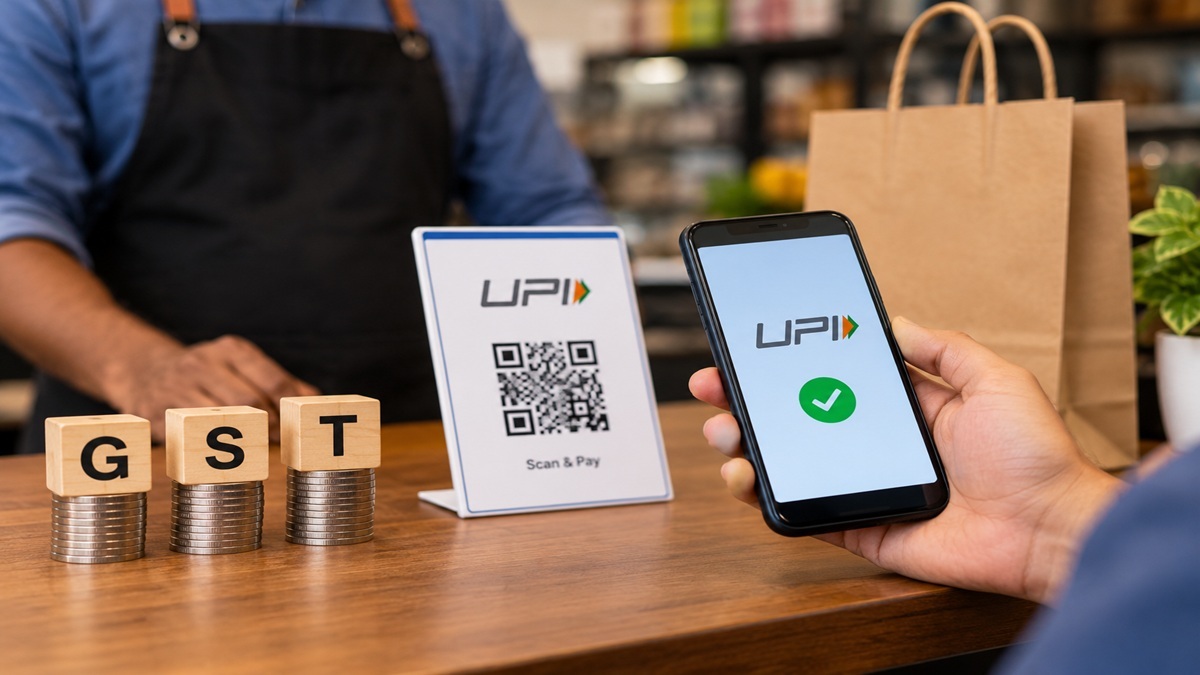
From October 15, merchants receiving UPI payments above Rs 2,000 will generally pay a 0.4% merchant discount rate, capped at Rs 300.
Person-to-person transfers, small P2PM vendors receiving up to Rs 1 lakh monthly, and recurring AutoPay mandates remain exempt from the prescribed fee.
Railways, telecom, insurance, fuel and utilities will pay Rs 5 on qualifying payments, while capital-market transactions face a 0.02% fee capped at Rs 300.
The government says 96% of merchant transactions will remain free and argues fees are needed to help fund UPI’s infrastructure and security.
Critics warn merchants may pass costs to customers or return to cash, and argue UPI should receive transparent public funding as critical infrastructure.
- Who
- The Government of India, the National Payments Corporation of India, banks, payment apps, merchants and UPI users.
- What
- A prescribed merchant discount rate is being introduced for some UPI payments above Rs 2,000.
- Where
- Across India’s UPI payment network, including specified sectors such as railways, telecom, insurance, fuel and utilities.
- When
- The charges are scheduled to begin on October 15; the Finance Ministry issued its notification on September 14 and the UPI committee issued details the following day.
- Why
- The government says the fees will help support the infrastructure, security and ongoing operation of a rapidly growing payment system; critics question charging for public digital infrastructure.
Against New UPI Charges
In Favor of Limited Charges
Funding public infrastructure
Against New UPI Charges
UPI has broad social benefits, reduces cash-handling costs and should be funded transparently through the Budget rather than by charging transactions.
In Favor of Limited Charges
The Unified Payments Interface requires servers, fraud detection, authentication, cybersecurity and regular upgrades, so larger commercial payments can reasonably contribute to its upkeep.
Effect on customers and cash use
Against New UPI Charges
Merchants may pass the fee to customers or encourage cash payments, especially for high-value purchases, weakening digital records and formalization.
In Favor of Limited Charges
The fee is limited, applies mainly to larger merchant payments, and leaves most merchant transactions free while protecting small vendors and person-to-person transfers.
Who should bear the cost
Against New UPI Charges
Because UPI benefits the wider economy and operates as open, interoperable infrastructure, its cost should not be recovered primarily from individual transactions.
In Favor of Limited Charges
Since banks and payment apps have earned little from basic UPI merchant transactions since MDR was removed in January 2020, a targeted fee can reduce reliance on government subsidies.
Key facts
- General merchant rate
- 0.4% for UPI payments above Rs 2,000, capped at Rs 300.
- Person-to-person transfers
- Remain free regardless of payment amount.
- Small-vendor exemption
- P2PM vendors receiving up to Rs 1 lakh per month through UPI are exempt.
- Sector-specific charge
- Railways, telecom, insurance, fuel and utilities will pay Rs 5 on payments above Rs 2,000.
- Capital-market charge
- 0.02%, capped at Rs 300.
- Government estimate
- The government says 96% of merchant transactions will remain free.
- UPI scale
- Government figures cited in the article show about 2,366 crore transactions worth roughly Rs 29.9 lakh crore in July 2026.
Sources
Related news

India Adds UPI Merchant Fees Above ₹2,000

UPI Sets 0.4% MDR on High-Value Merchant Payments

UPI MDR Begins October 15, Merchants Face Charges, Customers Don’t

New UPI MDR Rules Keep Consumers Free, Charge Eligible Merchants
UPI MDR Will Target Specified Merchant Payments Above ₹2,000

UPI Charges Debate Grows as MDR Framework Opens Higher Payments
N K Singh urges state debt reviews, deeper fiscal partnership
Fuel Pumps Threaten UPI Restrictions Over Proposed MDR Fees
New UPI MDR Will Charge Merchants GST From October 15
STT Collections Rise 52.9% to ₹40,214 Crore in FY27
Proposed UPI MDR Draws Criticism as Government Details Limited Charges
