

3 weeks ago
H1N1 cases in Delhi jump sixfold; doctors urge caution
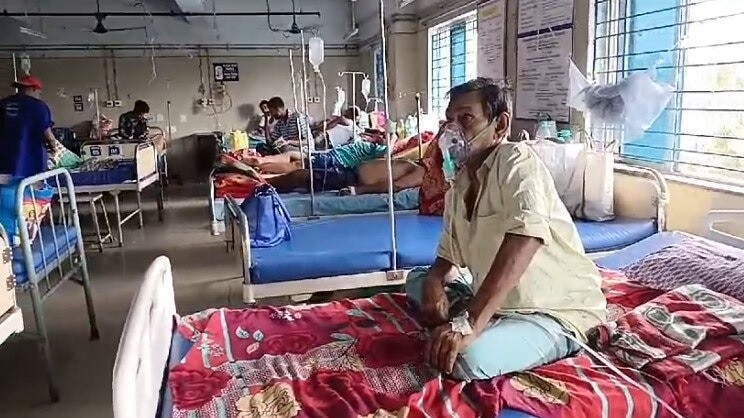
A sickness called H1N1 is spreading much more in the city of Delhi than it did last year.
H1N1 is a kind of flu virus.
It makes you feel sick with fever, cough, sore throat, body aches, and tiredness.
Most healthy people get better on their own.
But some people can get very sick from it.
Older adults, pregnant women, young children, and people with health problems like diabetes are at higher risk.
Medicine like antibiotics does not work against viruses.
Doctors say a yearly vaccine and washing your hands can help.
If you feel worse instead of better, you should see a doctor early.

H1N1 cases in Delhi jumped nearly six times compared to a year earlier.
Government hospitals have prepared special areas, including separate wards and private rooms, for H1N1 and dengue patients.
Doctors warn that H1N1 should not be treated like a regular flu, especially for high-risk groups.
Antibiotics are ineffective against the viral infection and contribute to antimicrobial resistance.
Annual flu vaccination and basic hygiene measures such as hand washing and staying home when unwell are recommended to lower risk.
- Who
- Residents of Delhi, especially high-risk groups such as older adults, pregnant women, young children, and people with diabetes, chronic heart or lung conditions, or weakened immune systems.
- What
- H1N1 cases in Delhi jumped nearly six times in a year, prompting government hospitals to prepare special wards and doctors to warn against treating it like a regular flu.
- Where
- Delhi, India.
- When
- Not specified in the article, beyond a year-on-year comparison; case numbers are running at levels not seen in recent years during the current flu season.
- Why
- The sharp rise in cases and the higher risk of severe illness for vulnerable groups led health authorities and doctors to urge early medical attention and preventive measures.
Key facts
- Disease
- H1N1 (swine flu)
- Case increase
- Nearly six times in one year
- Location
- Delhi, India
- Common symptoms
- Fever, cough, sore throat, body aches, tiredness
- High-risk groups
- Older adults, pregnant women, young children, people with diabetes or chronic heart/lung conditions, immunocompromised individuals
- Treatment guidance
- Antiviral medications for severe cases; antibiotics are ineffective
- Prevention
- Annual flu vaccination, hand washing, covering mouth/nose when coughing, staying home when unwell
- Hospital preparations
- Special wards and private rooms for H1N1 and dengue patients in government hospitals
Sources
Related news
Delhi reports six-fold rise in H1N1 flu cases, experts warn
Delhi records nearly six-fold rise in H1N1 cases in 2026
Delhi H1N1 Cases Rise as Experts Urge Precautions

Delhi Reports 1,777 H1N1 Cases as Authorities Urge Precautions
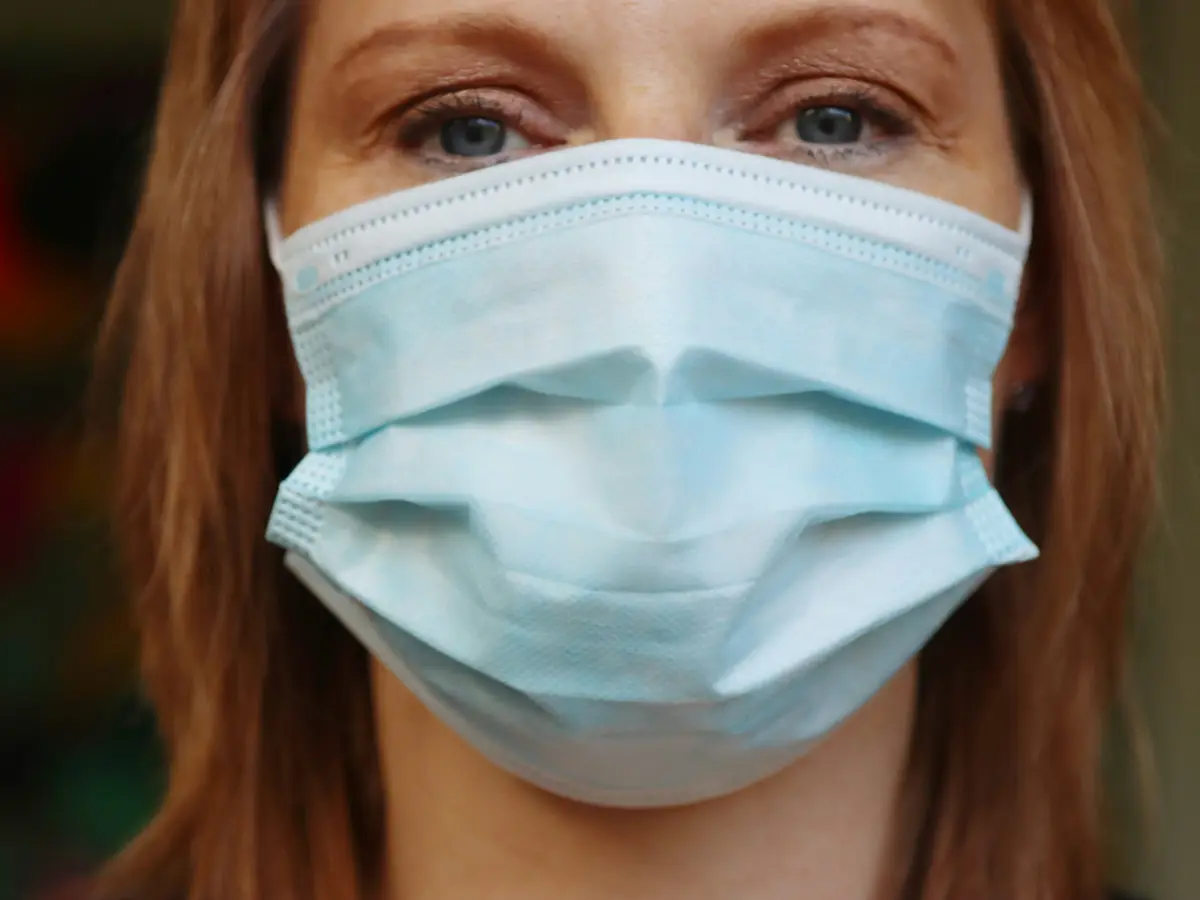
Delhi H1N1 Cases Rise as Government Urges Mask Use

H1N1 Cases Rise in North India; Experts Urge Caution

Auto Sector Eyes Up To 12% Growth In FY27

SBI Expects Nearly $10 Billion From NRI, Foreign Investors

NSUI Campus Campaign Draws Nearly 6,000 DU Suggestions
Union Ministers’ Lutyens’ Delhi Bungalow Upkeep Reaches Record ₹92 Crore
Road rage: bike rider beaten to death in UP's Hapur