

4 days ago
Pakistan’s Mediator Role Faces Scrutiny Amid Regional Alliances
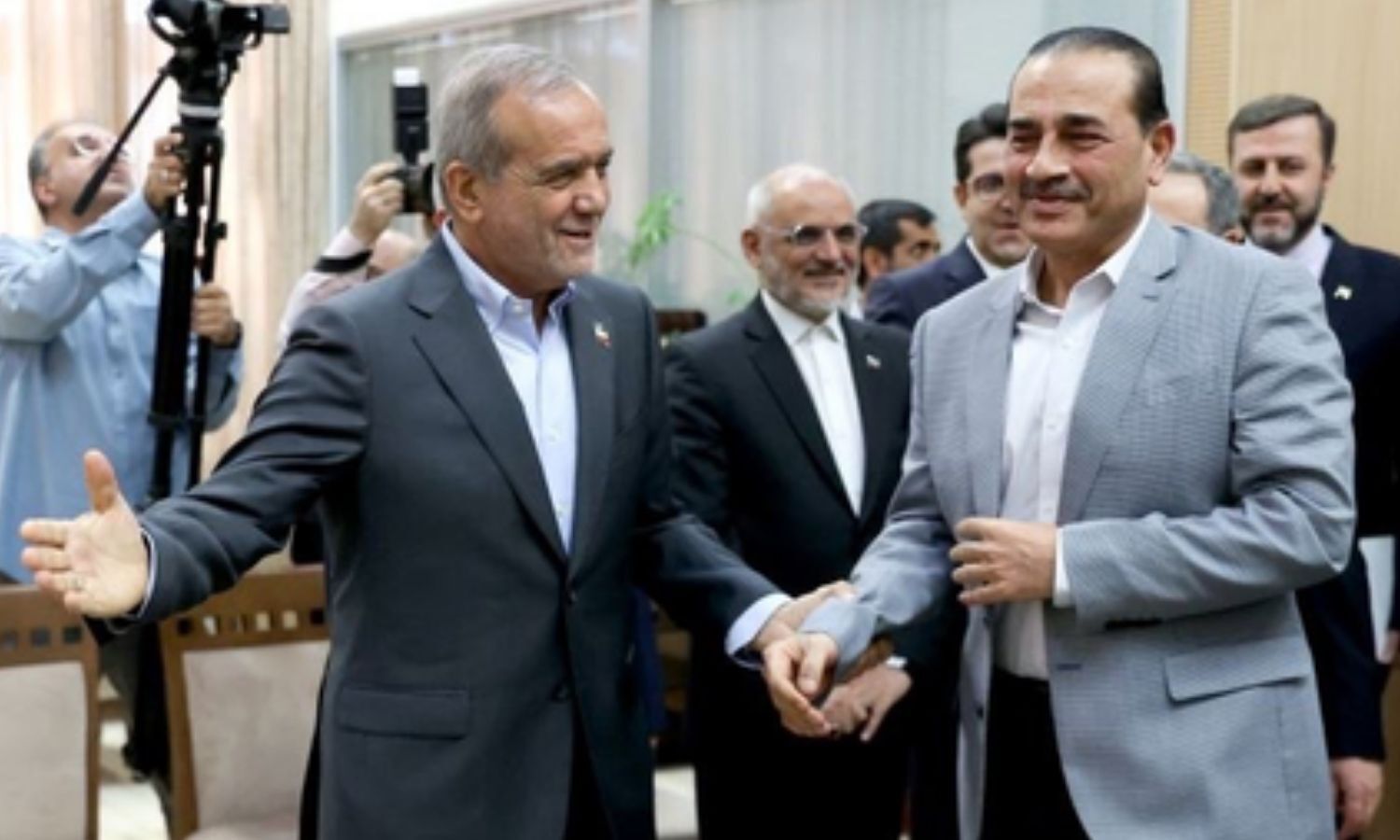
Pakistan wants to help the United States and Iran talk during their conflict.
However, Pakistan also has defense agreements with Saudi Arabia and other Gulf countries.
Iran sees these partnerships as signs that Pakistan may be taking sides.
Pakistan says its agreement with Saudi Arabia does not include sharing nuclear weapons.
The country has also not responded militarily to Iranian attacks on Saudi Arabia.
Iran and Pakistan have had mistrust and border-security problems for many years.
Pakistan depends heavily on Gulf countries for oil, gas, and financial support.
Because of these relationships, critics question whether Pakistan can be a trusted neutral mediator.

Pakistan is presenting itself as a possible mediator in the United States-Iran conflict.
Its defense agreements with Saudi Arabia and other Gulf states have increased Iran’s suspicions about Pakistan’s alignment.
The Mecca Joint Defence Agreement links Saudi Arabia, Pakistan, and Turkey in mutual defense commitments.
Pakistan has said the agreement does not extend its nuclear weapons to allies.
Critics argue Pakistan’s economic dependence on Gulf states could undermine its credibility as an impartial mediator.
- Who
- Pakistan, Iran, the United States, Saudi Arabia, and other Gulf states are central to the issue; journalist Uzay Bulut wrote the cited analysis.
- What
- Pakistan’s effort to act as a mediator in the United States-Iran conflict is being questioned because of its defense commitments to Gulf monarchies.
- Where
- The diplomatic dispute involves Pakistan, Iran, the United States, and Gulf states; the defense agreement was signed in Mecca.
- When
- The Mecca Joint Defence Agreement was signed on August 7; an Iranian-backed Houthi attack on a Saudi oil facility was reported two days later.
- Why
- Pakistan’s ties to Saudi Arabia and other Gulf states, along with its dependence on their energy and financial support, have fueled doubts about its neutrality.
Pakistan’s stated or implied position
Critics’ concerns
Mediator credibility
Pakistan’s stated or implied position
Pakistan is projecting itself as a potential mediator between Iran and the United States.
Critics’ concerns
Critics argue its defense partnerships with Saudi Arabia and other Gulf states make it difficult to appear impartial to Iran.
Defense commitments
Pakistan’s stated or implied position
Pakistan says its mutual-defense pact with Saudi Arabia does not include nuclear weapons, and it has not mounted a military response to Iranian attacks on Saudi Arabia.
Critics’ concerns
The pact and Pakistan’s expanding Gulf security ties have reinforced Iran’s view that Pakistan is moving toward United States- and Saudi-led security frameworks.
Strategic relationships
Pakistan’s stated or implied position
Pakistan and Iran maintain trade links and what the report describes as pragmatic cooperation despite differing strategic orientations.
Critics’ concerns
Long-running mistrust, border militancy allegations, shifting alliances, and Pakistan’s economic dependence on Gulf states can produce recurring security and diplomatic tensions.
Key facts
- Mediation role
- Pakistan is seeking to position itself as a mediator in the United States-Iran conflict.
- Defense agreement
- Saudi Arabia, Pakistan, and Turkey signed the Mecca Joint Defence Agreement on August 7.
- Mutual-defense clause
- The agreement says an armed attack on one signatory would be treated as an attack on all three.
- Nuclear weapons
- Pakistan rejected suggestions that its nuclear deterrent could be extended to allies and said the pact does not include nuclear weapons.
- Energy dependence
- Saudi Arabia, Qatar, and other Gulf states supply more than 85 percent of Pakistan’s oil requirements and almost all of its LNG needs.
- Iran-Pakistan tensions
- The two countries have experienced cross-border militant strikes, security friction, and disputes over alleged support or space for militant groups.
Quotes
PJ Media report
Report cited in the article about Pakistan’s regional diplomacy
“How efficient can Pakistan be as a mediator between Tehran, Washington, and Islamabad when it is attempting to play all sides while simultaneously losing the trust of all?”
 thehansindia.com
“Tehran's current narrative casts Pakistan as complicit in external aggression, limiting Islamabad's credibility as an impartial broker.”
thehansindia.com
Sources
Related news

Iran-Backed Attacks Test Turkey-Pakistan-Saudi Arabia Defence Pact

Mecca Joint Defence Pact Risks Remaining Rhetorical, Report Warns
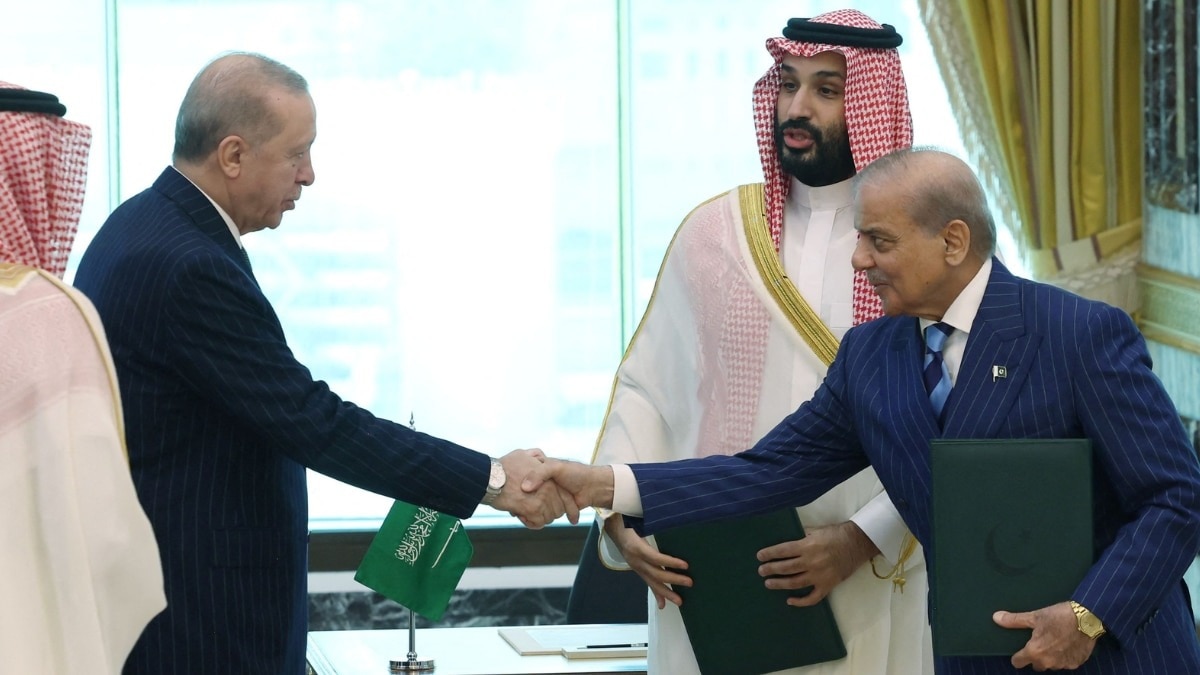
Saudi Arabia, Turkey, Pakistan Sign NATO-Like Defense Pact in Mecca
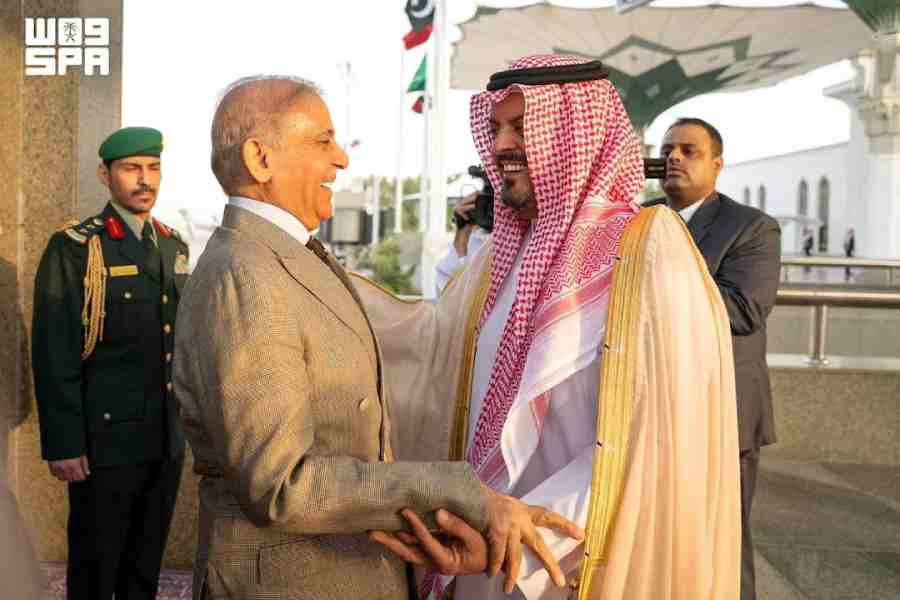
Pakistan, Saudi Arabia and Turkey Sign Mutual Defence Pact
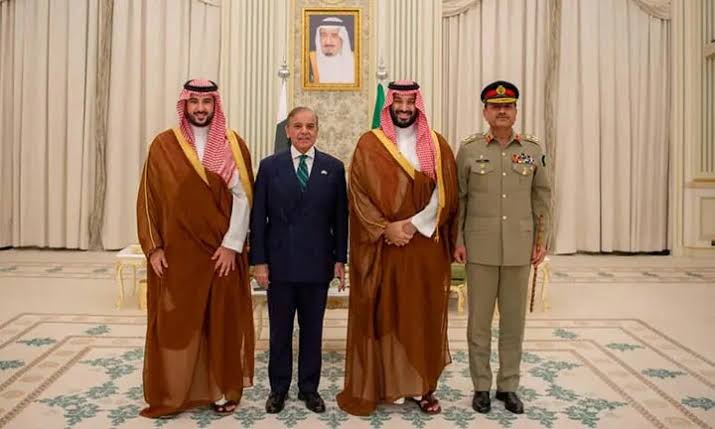
Saudi Arabia, Turkey and Pakistan Sign Joint Defence Pact
Iran Condemns US Strikes, Reports Defensive Attacks on Regional Bases

U.S.-Iran Exchange Escalates Across Middle East, Markets Slide
US-Iran Conflict Widens After Strikes and Regional Retaliation
US Warns Middle East Travelers Amid Escalating Iran-Linked Tensions

Iran Reports Wide-Ranging Attacks on U.S. Military Targets