11 hrs ago
US-Iran Conflict Widens After Strikes and Regional Retaliation
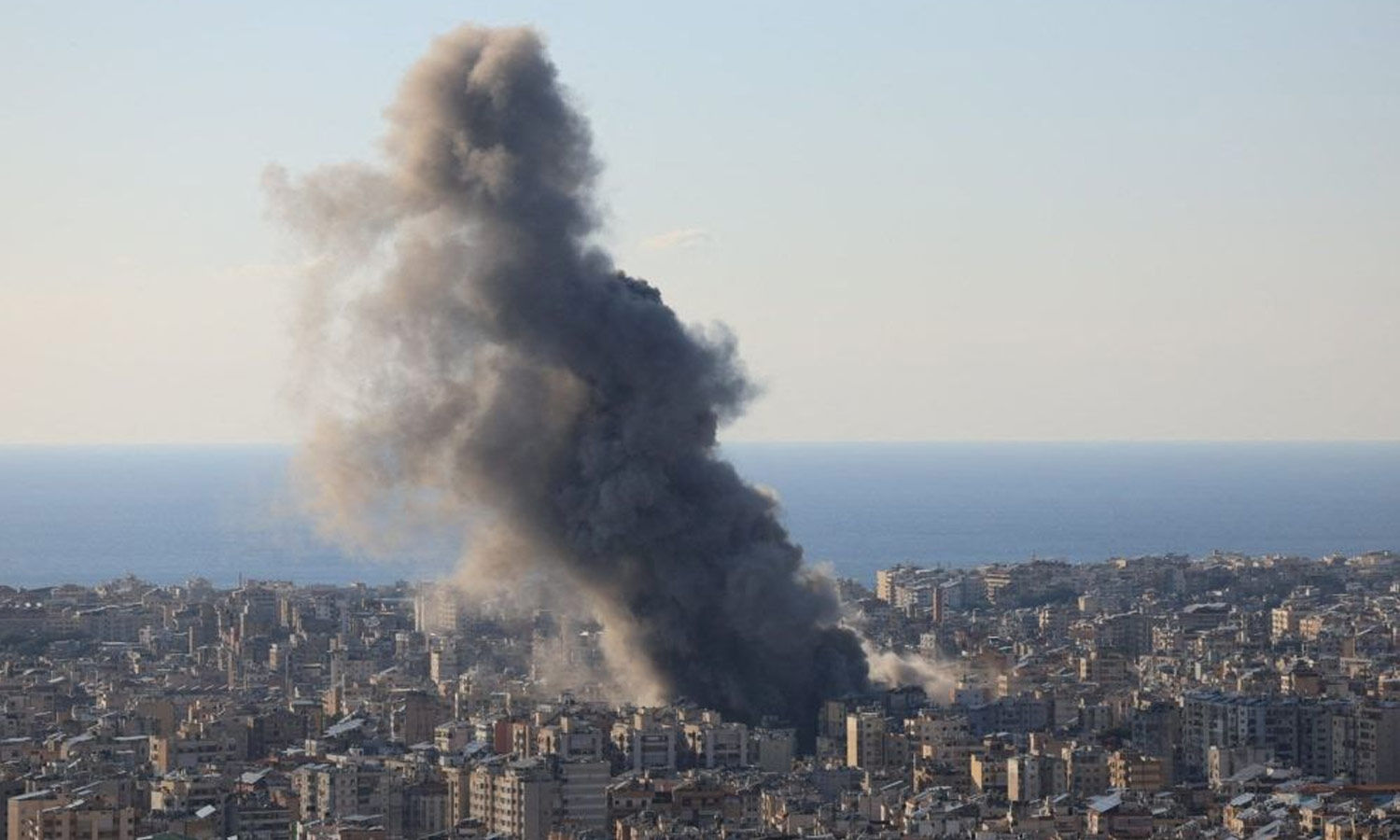
The United States and Iran have begun fighting more intensely again.
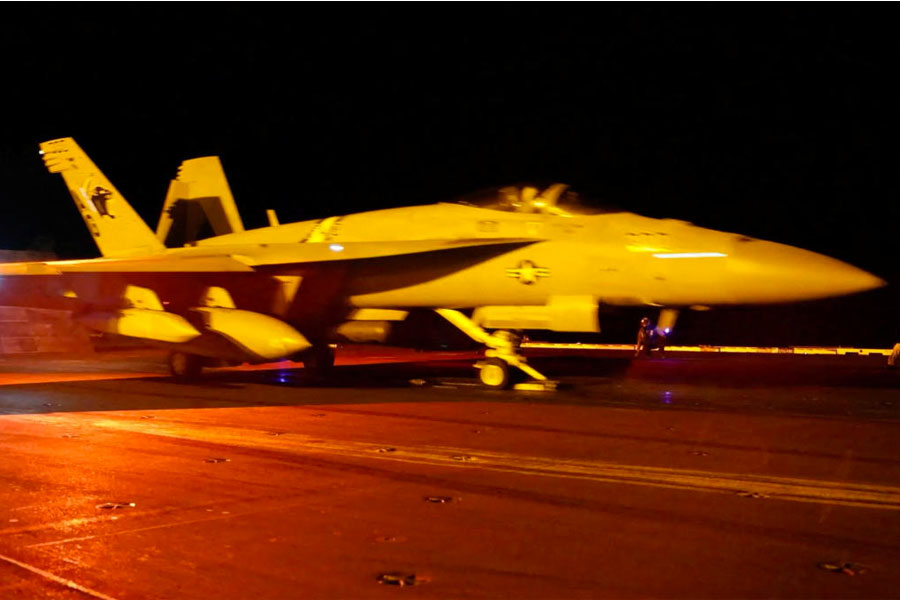
US forces attacked several Iranian military sites.
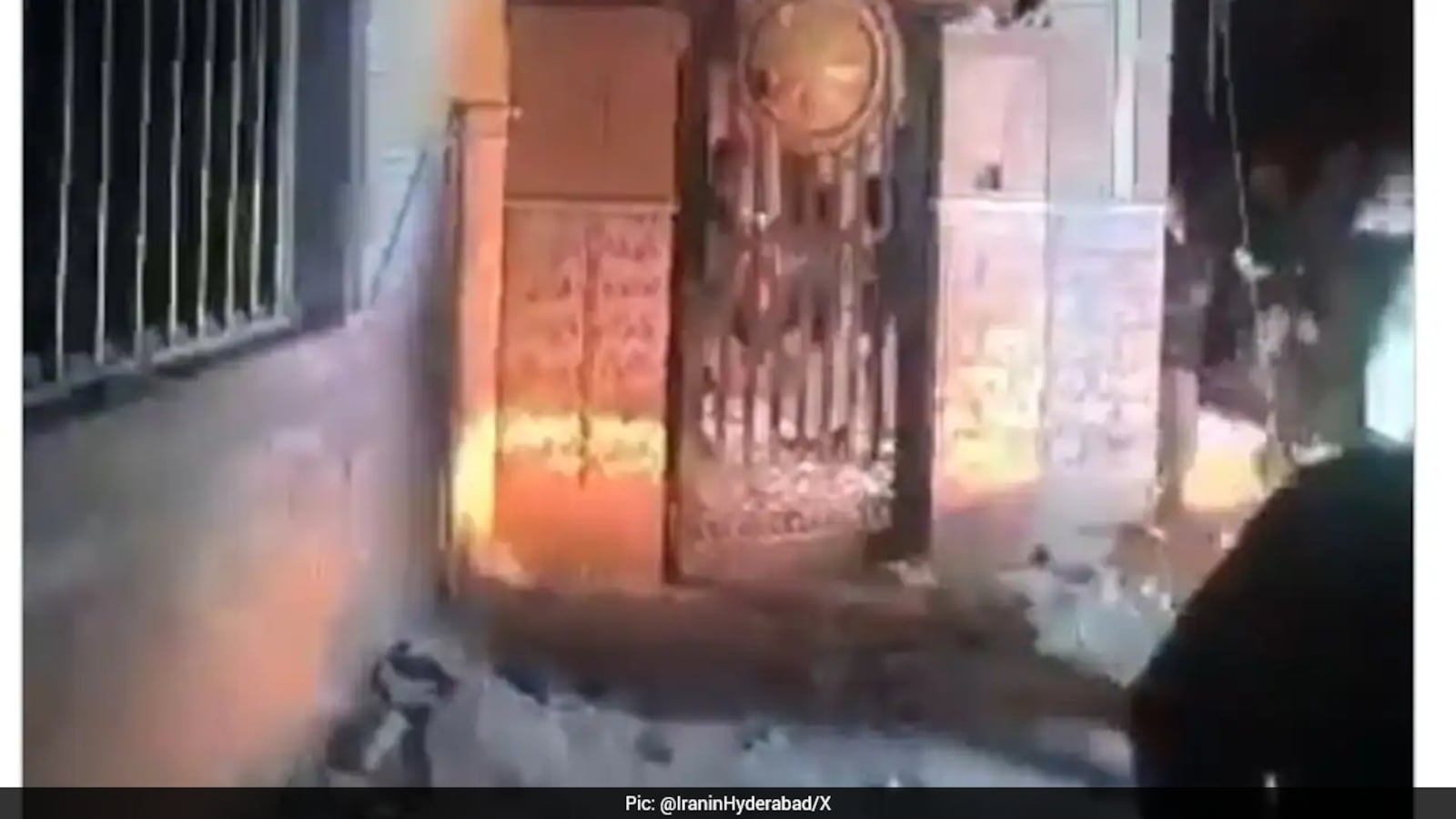
Iran says at least 11 people were killed, including five at a wedding gathering.
Iran then launched missiles and drones toward nearby countries.
Bahrain, Jordan and Kuwait said they intercepted some of the attacks.
The US says its strikes were aimed at military equipment and followed threats against American troops and ships.
Iran says the attacks caused civilian deaths and has promised a strong response.
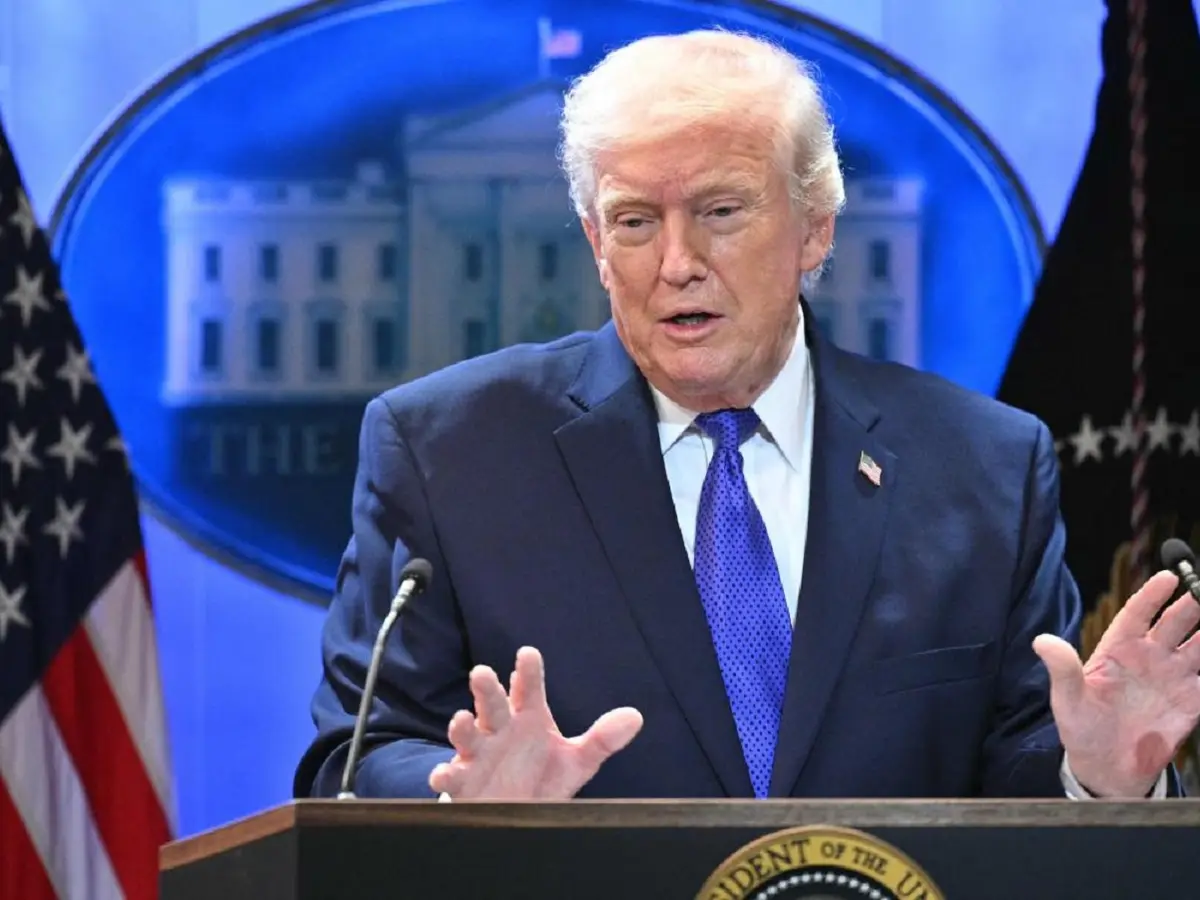
Donald Trump said the United States has almost total control of the Strait of Hormuz and dismissed returning to talks.
Iran’s president said a ceasefire could still be possible if the United States also agrees.

US forces struck Iranian air-defence, radar, communications, maritime and mine-laying capabilities.
Iranian officials reported at least 11 deaths, including five people at a wedding gathering.
Iran launched missile and drone attacks toward Bahrain, Jordan and Kuwait.
Jordan said it intercepted 10 missiles, while Gulf states reported intercepting incoming fire.
Donald Trump rejected renewed talks, while Iran said it could return to a ceasefire.
- Who
- The United States, Iran, the Islamic Revolutionary Guard Corps, and regional countries including Bahrain, Jordan and Kuwait.
- What
- A new wave of US strikes on Iran was followed by Iranian missile and drone attacks across the Gulf region.
- Where
- Iran, the Strait of Hormuz, Bahrain, Jordan and Kuwait.
- When
- During the latest escalation of the reported six-month conflict; the articles do not provide a specific date.
- Why
- The United States said it was responding to alleged IRGC attacks on US troops and commercial shipping; Iran said it was retaliating against the US strikes.
US Position
Iranian Position
Purpose of the US strikes
US Position
The US military said it targeted Iranian military capabilities after the IRGC allegedly attempted to attack US troops and commercial shipping in the Strait of Hormuz.
Iranian Position
Iranian officials described the strikes as attacks that hit residential and civilian areas, including a home where a wedding gathering was taking place.
Civilian casualties
US Position
The US military said it does not target civilians and noted that reports of the wedding casualties originated from Iranian state media.
Iranian Position
Iranian officials said at least five people, including a child, were killed and dozens were wounded at the wedding gathering, with additional deaths reported elsewhere.
Negotiations and escalation
US Position
Donald Trump said he did not care whether Tehran returned to negotiations and warned Iran could face strikes at a harder and higher level.
Iranian Position
Iran promised a “crushing and devastating” response, while President Masoud Pezeshkian said Tehran was prepared to return to an interim ceasefire if Washington did the same.
Key facts
- Reported Iranian deaths
- Iranian officials reported at least 11 deaths from US strikes, including five at a wedding gathering.
- US targets
- US Central Command listed air-defence sites, radar systems, maritime assets, mine-laying capabilities and communications infrastructure.
- Iranian retaliation
- Iran launched missile and drone attacks toward Bahrain, Jordan and Kuwait.
- Jordanian interceptions
- Jordan reported intercepting 10 missiles and said three landed in unpopulated areas.
- Hormuz claim
- Donald Trump said Washington had “almost total control” of the Strait of Hormuz.
- Diplomatic position
- Trump dismissed a return to negotiations, while Iranian President Masoud Pezeshkian said Tehran could return to an interim ceasefire if Washington did the same.
- Additional military casualties
- The IRGC said four soldiers were killed in a US attack in Kermanshah province.
Sources

Related news
U.S. Strikes Iran Wedding Site as Regional Retaliation Spreads
US and Iran Resume Strikes After Weeks of Calm
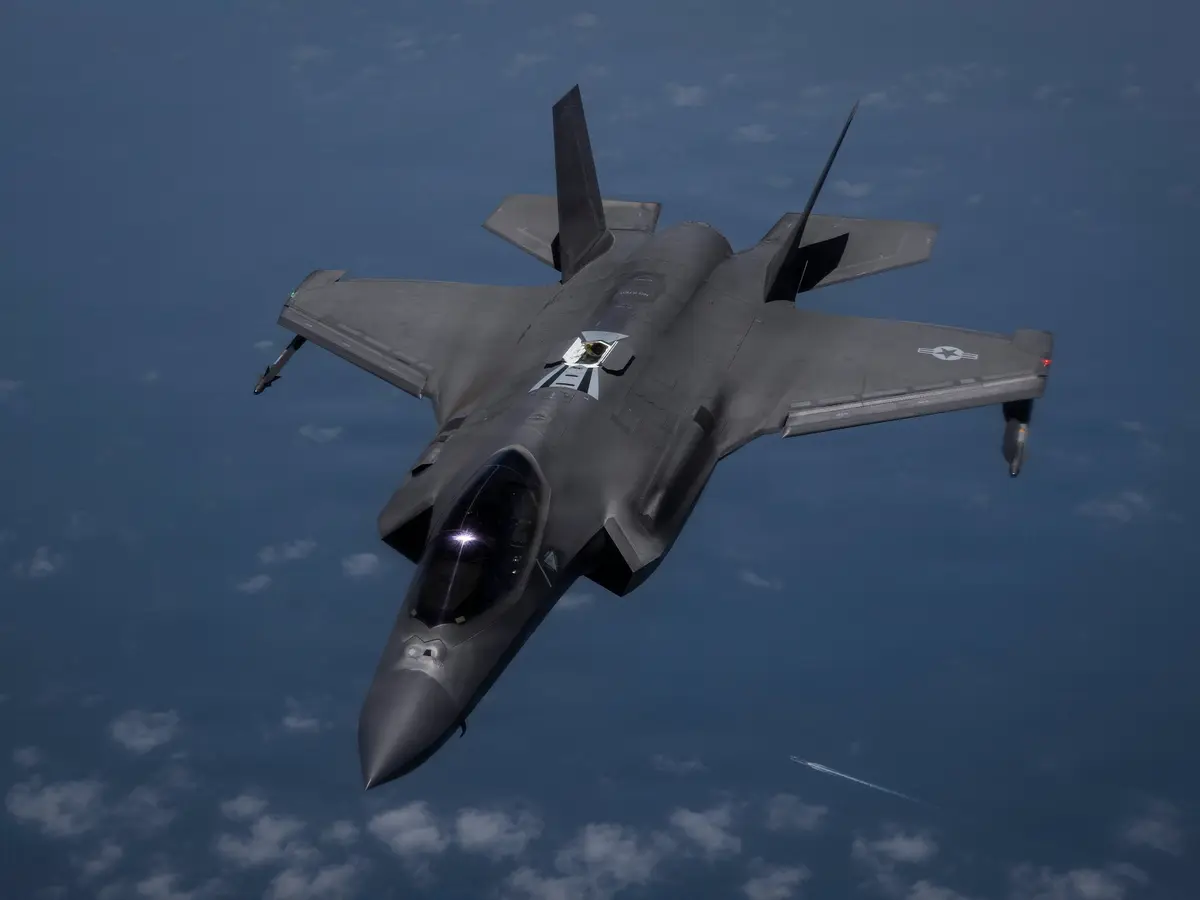
US-Iran Conflict Escalates After Iranian Missile and Drone Retaliation
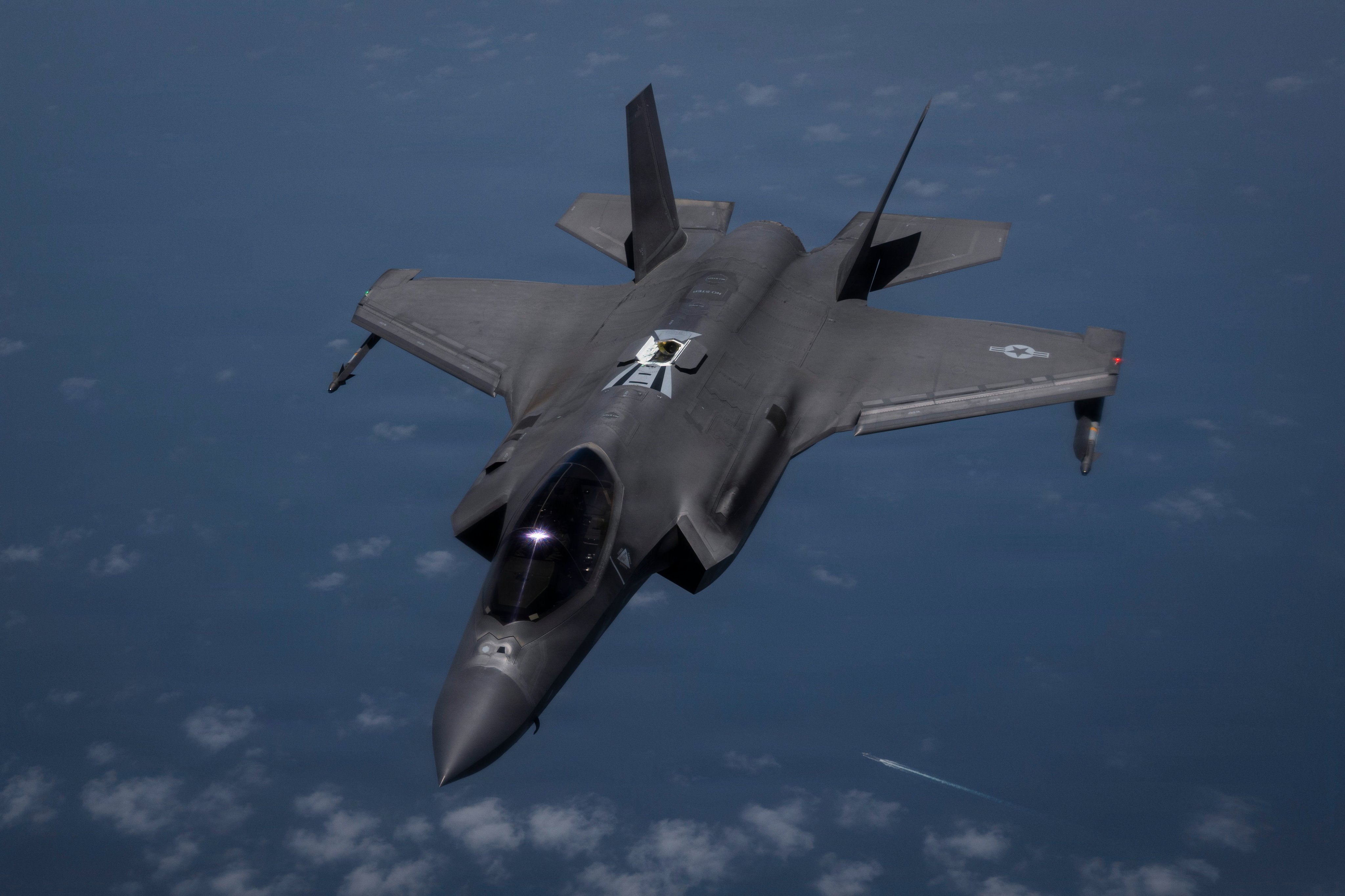
U.S. Strikes Iran as Regional Hostilities Flare Again

US Strikes Iran Near Hormuz as Tehran Threatens Retaliation
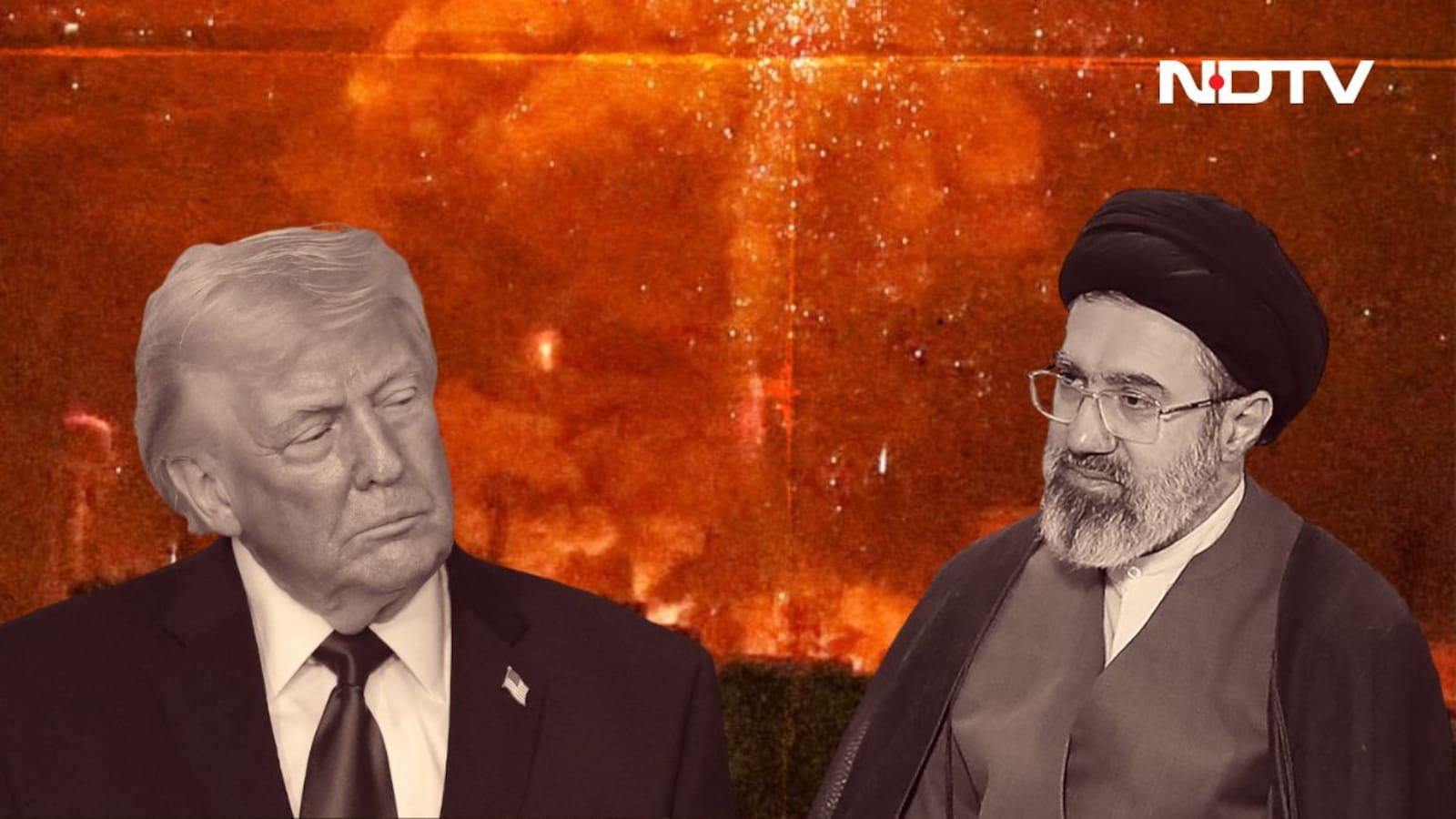
US-Iran Strikes Escalate as Tehran Warns of New Strategy
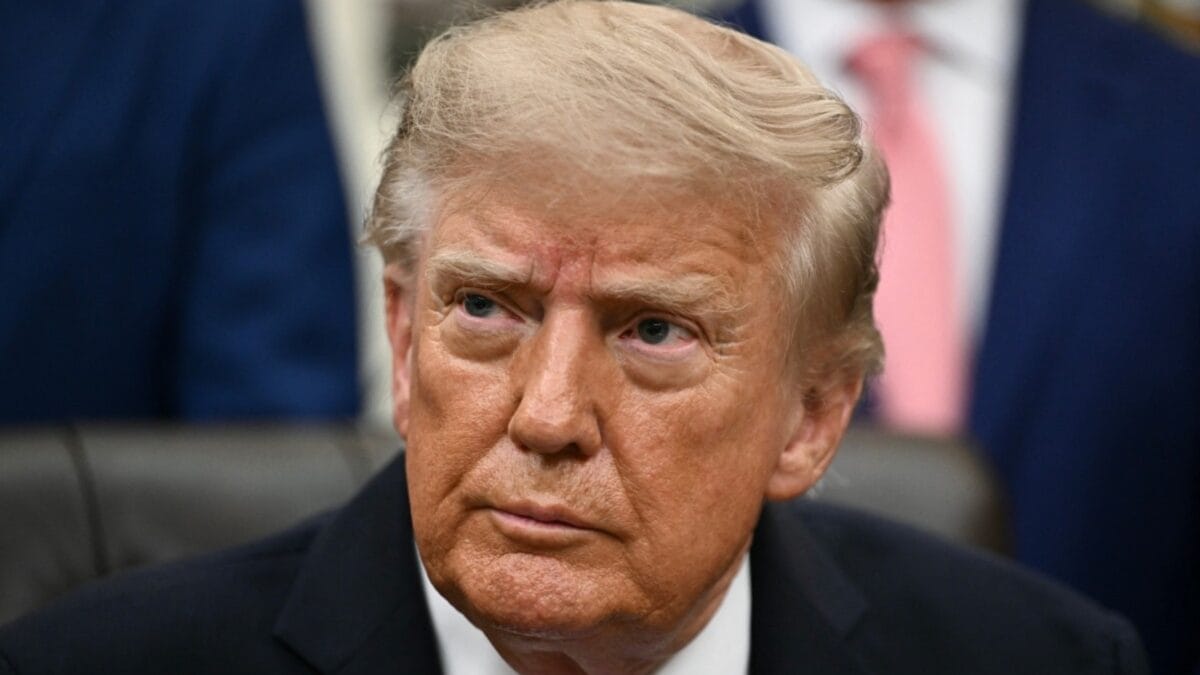
Trump Warns of Fresh Iran Strike After Heavy Attack

Trump Says US Could Attack Iran Again at Will

U.S. Treasury Yields Ease as Jobs Data Misses Expectations

Iran Seizes Fuel-Smuggling Vessel in Gulf, Arrests 11 Crew