

1 week ago
Canada Retaliates With Up to 50% Tariffs on U.S. Goods

Canada and the United States are in a disagreement about trade.
The United States put high taxes, called tariffs, on some Canadian goods.
Canada answered by putting 15%, 25% or 50% tariffs on many American products.
The Canadian tariffs start on September 8, 2026.
They cover things such as steel, cheese, seafood, clothing, furniture, appliances and electronics.
Canada says the goal is to protect its companies and workers, not mainly to collect money.
Canada is also providing C$7.5 billion to help businesses and workers affected by the dispute.
The two countries depend on each other for many products, so the conflict could make business and prices less predictable.
American officials say the United States has more leverage, while Canadian officials say they will not accept being treated as subordinate.

Canada announced 15%, 25% and 50% counter-tariffs on U.S. goods, effective September 8, 2026.
The measures target steel, aluminum, dairy, appliances, electronics, furniture, clothing, seafood, farm equipment and other products.
The articles estimate the affected trade at about $20 billion, while one report gives a figure of C$27.6 billion.
Ottawa said the tariffs match U.S. rates and aim to protect Canadian businesses and reduce American imports rather than raise revenue.
Canada also announced C$7.5 billion in support for affected workers and businesses, while existing auto tariffs remain.
- Who
- The governments of Canada and the United States, including Prime Minister Mark Carney, President Donald Trump, Finance Minister François-Philippe Champagne and Industry Minister Melanie Joly.
- What
- Canada announced retaliatory tariffs ranging from 15% to 50% on American goods and a C$7.5 billion support package.
- Where
- The measures apply to trade between Canada and the United States.
- When
- The announcement was made Tuesday, August 25, 2026; the tariffs are scheduled to take effect September 8, 2026.
- Why
- Canada said it was responding to U.S. tariffs imposed after trade negotiations collapsed and was protecting Canadian companies, workers and industries.
Canada's Position
United States Administration's Position
Reason for retaliation
Canada's Position
Canadian officials said Washington demanded too much and offered too little during negotiations, leaving Canada to respond to U.S. tariffs and protect its industries.
United States Administration's Position
The White House and Donald Trump said Canada had treated the United States unfairly and chose retaliation instead of negotiation.
Economic leverage
Canada's Position
Mark Carney said Canada would not accept an attitude that treated it as a subsidiary of the United States, while officials said targeted tariffs could protect Canadian firms.
United States Administration's Position
The White House said the United States has clear leverage and claimed Canada depends heavily on the American economy.
Trade and cultural policies
Canada's Position
Carney said proposed restrictions involving French-language streaming content and labeling rules threatened rights linked to Quebec and Canadian culture.
United States Administration's Position
Trump denied that the United States sought to interfere with Canadians speaking French and accused Carney of making the claim for political support.
Economic consequences
Canada's Position
Canada acknowledged that its tariffs could raise costs but said the overall effects should be moderate and announced C$7.5 billion in assistance.
United States Administration's Position
American businesses and some analysts warned that tariffs could hurt companies, workers and consumers because supply chains in both countries are deeply integrated.
Key facts
- Canadian tariff rates
- 15%, 25% and 50%
- Effective date
- September 8, 2026
- Affected products
- Steel, aluminum, dairy, appliances, electronics, furniture, clothing, seafood, pulp and paper, machinery and farm equipment
- Trade value
- Most reports describe about $20 billion in affected U.S. goods; one report cites C$27.6 billion
- 50% tariff goods
- Some steel and aluminum products, furniture, clothing and apparel, plus some reports' listings of smartphones and video-game consoles
- 25% tariff goods
- Appliances, dairy products including cheese, fish and seafood, and certain steel and aluminum derivatives
- Support package
- C$7.5 billion, including business liquidity, diversification funding and worker assistance
- Existing measures
- Canadian counter-tariffs on U.S. automobiles will remain in place
Quotes

Francois-Philippe Champagne
Canada’s finance minister
“I would never interfere with Canadians speaking French! In fact, I have never even thought of doing such a stupid thing. This lie was made up by a weak and ineffective Prime Minister in an attempt to gain political support, which he has totally lost, from the people of Quebec. I love French Canadians!”
 freepressjournal.in
 businesstoday.in
“What is really important from this new chapter of the trade war is that actually, when you choose a Canadian product, you’re not only putting pressure on the US right now, you’re protecting jobs.”
 livemint.com
Michael Howard II
Owner of a furniture business in Warren, Michigan
“To say that we don't need Canada is just disingenuous. It's dishonest. And it's just absolutely not truthful. We need our neighbour, but also they need us.”
freepressjournal.in
 news18.com
“The economics and the math behind it do not make sense.”
 deccanchronicle.com
Sources

Carney Matches Trump Tariffs With 50% Tax on US Dairy, Steel

US-Canada Trade War Erupts: Ottawa Hits $20 Billion Worth Of American Goods With Tariffs
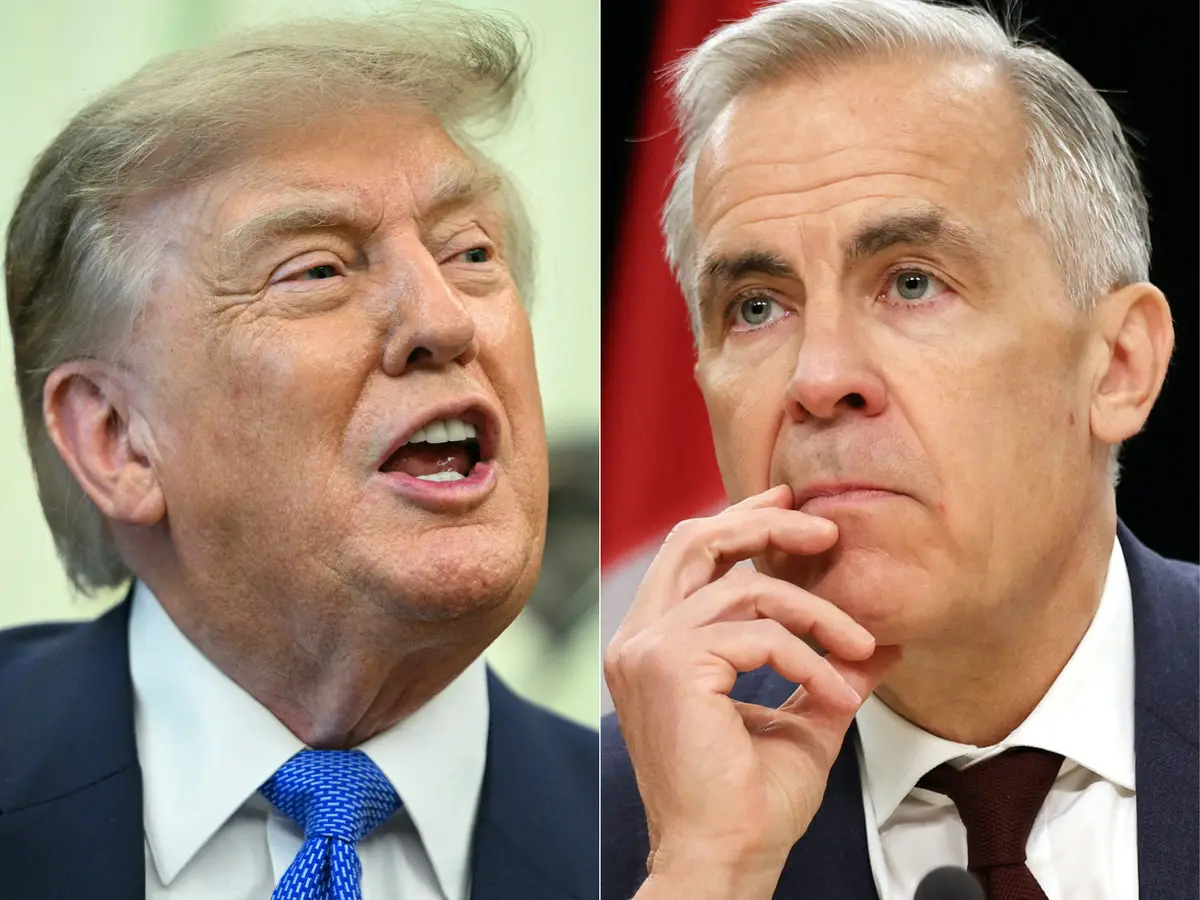
Canada hits back at Trump with tariffs of up to 50% on US goods as trade war escalates
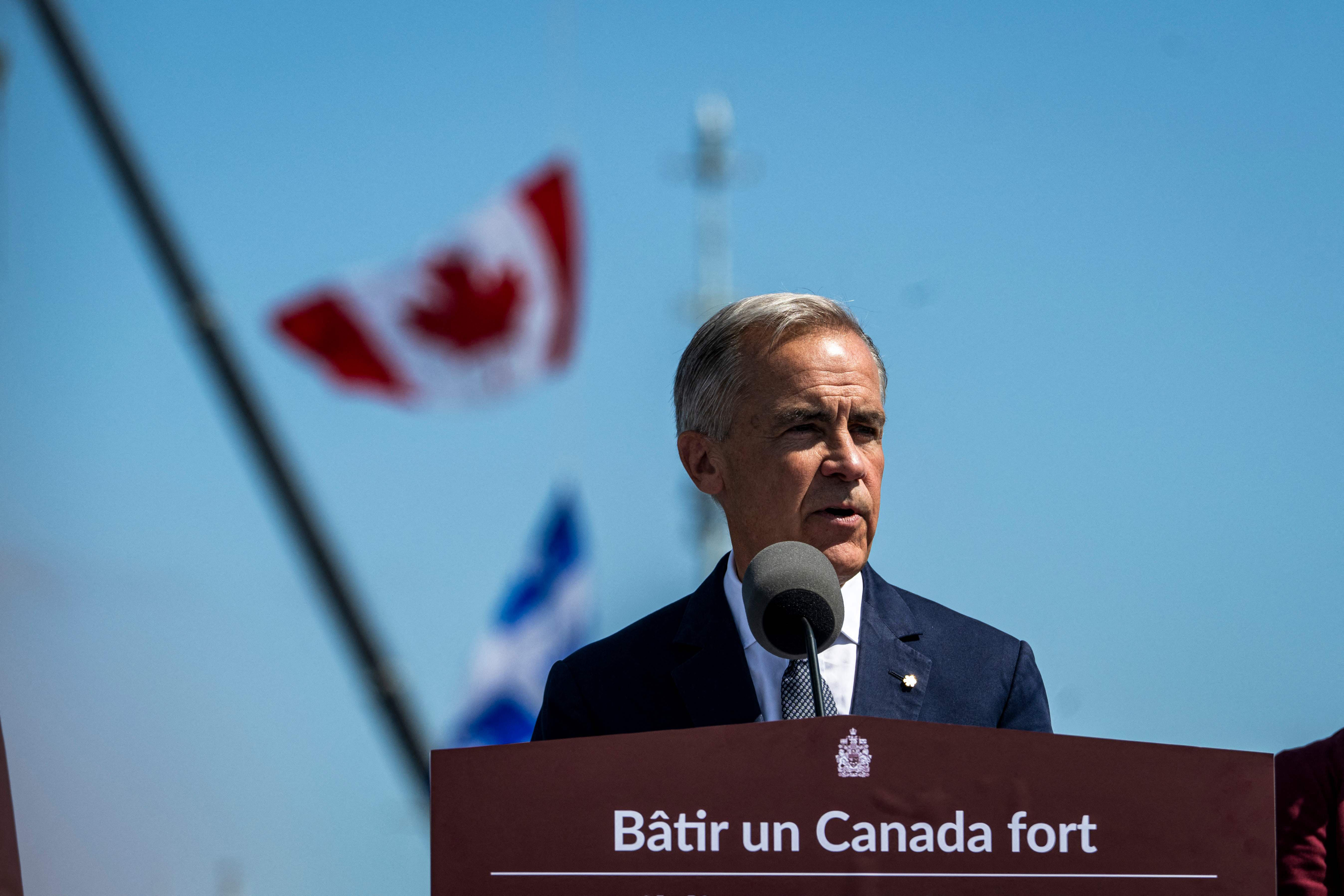
Canada Unveils Counter-Tariffs of 15–50% on US Goods

Canada Slaps 15-50% Tariffs On American Products After Trump's Levies
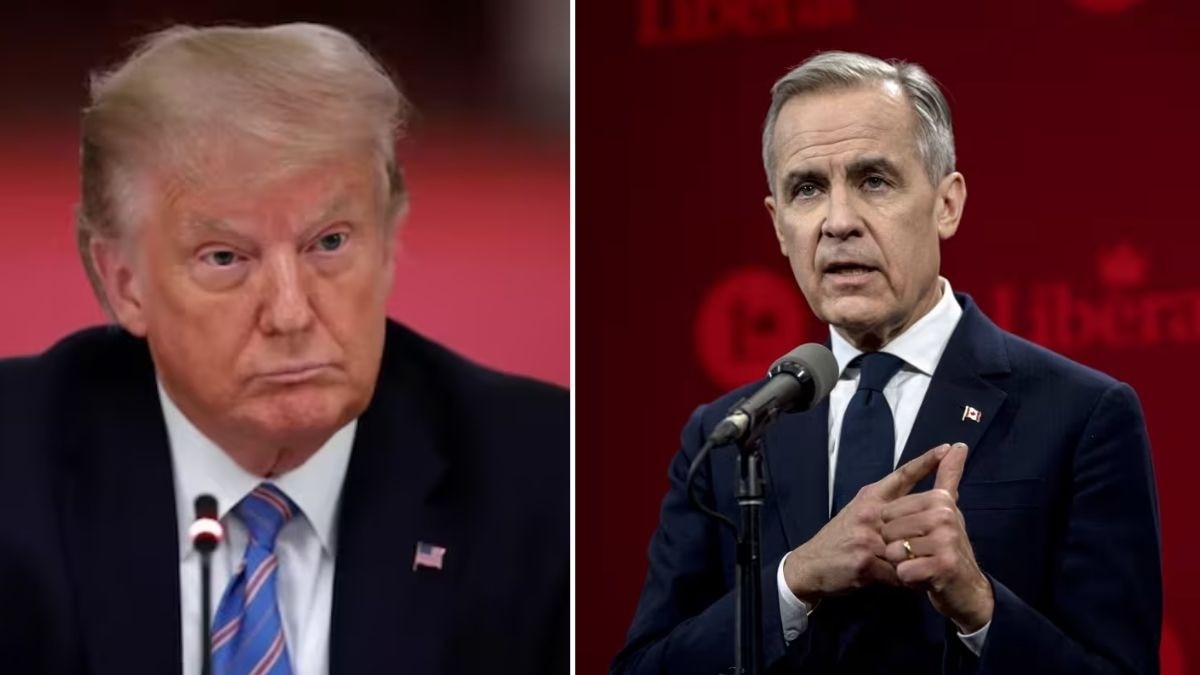
Carney strikes back: Canada retaliates against US tariffs with duties on $20 billion of goods
Canada slaps tariffs of up to 50% on US goods; White House claims Ottawa needs America to survive
Related news

Canada Imposes Up to 50% Tariffs on 700 US Goods
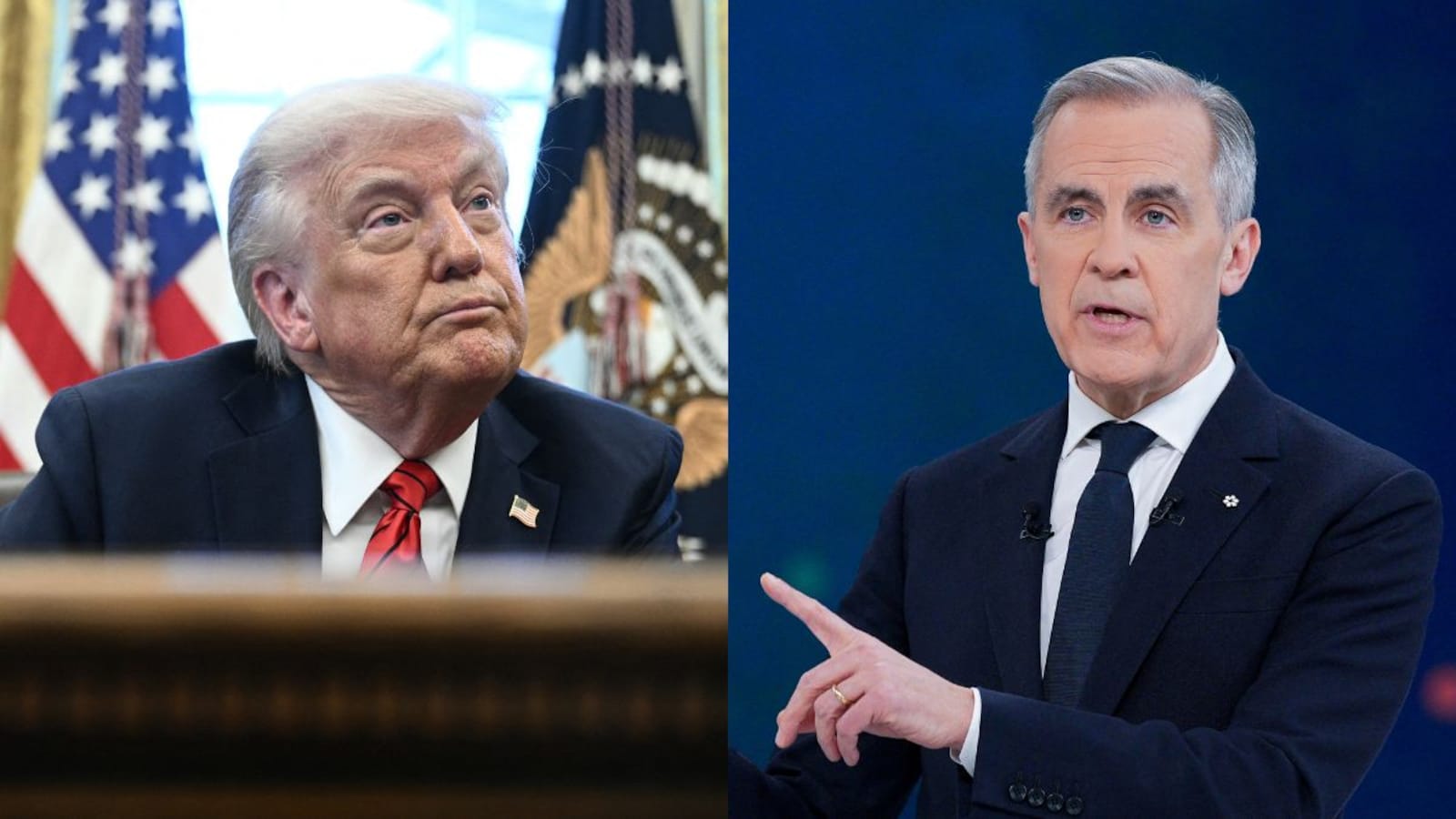
Canada Announces Retaliatory Tariffs as US Trade War Escalates

Canada Announces Dollar-for-Dollar Tariffs After US Trade Talks Collapse

Canada Announces Retaliatory Tariffs After U.S. Trade Talks Collapse

Canada Retaliates as Trade War with US Escalates

Canada Recruits 64 Scholars as Trump Pressures US Universities

Canadians Boycott US Products Amid Trump Tariff Threats

Canada Shelves TikTok Ban Order

Algoma Steel to Cut 1,000 Jobs Due to Trump Tariffs