

1 week ago
Trump, Canada Trade Tariffs Escalate After Talks Collapse
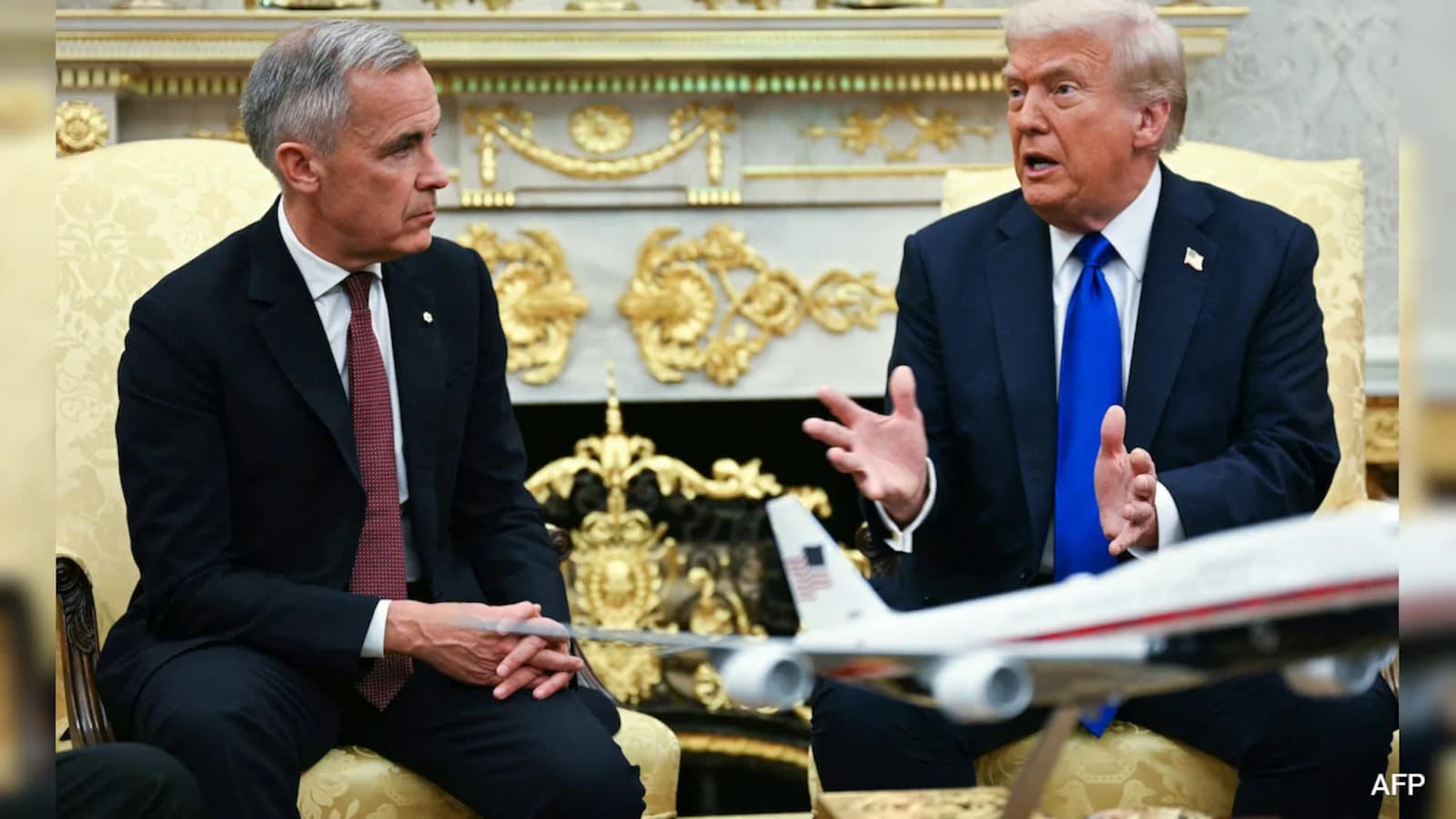
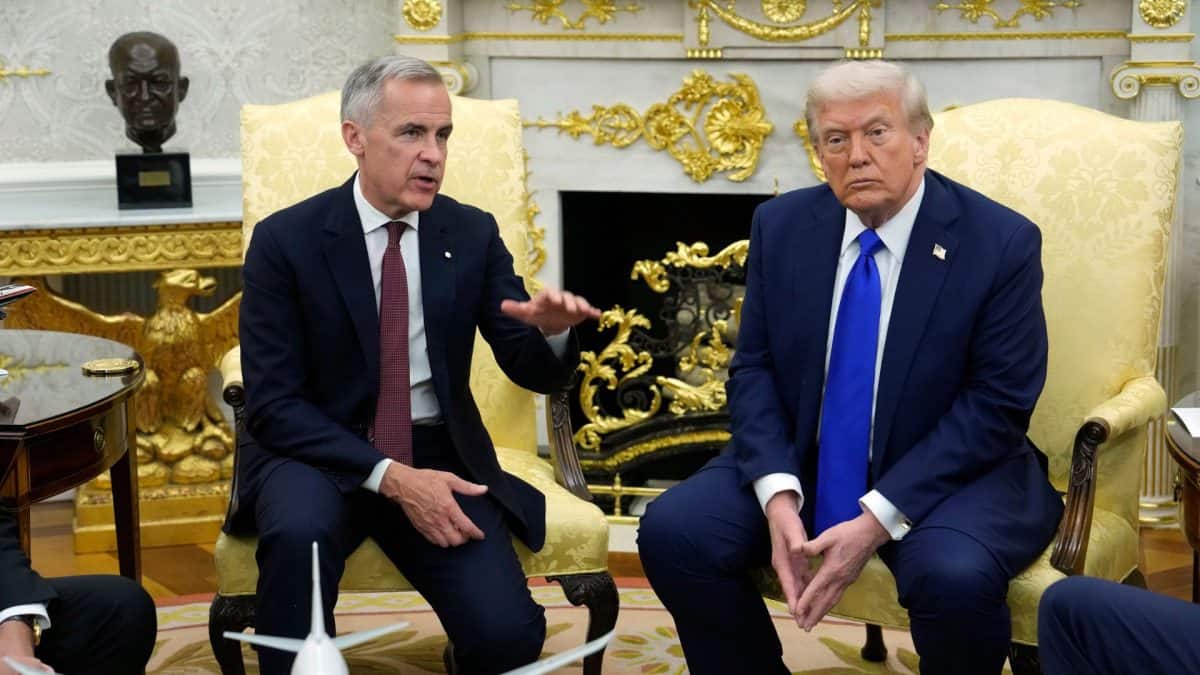
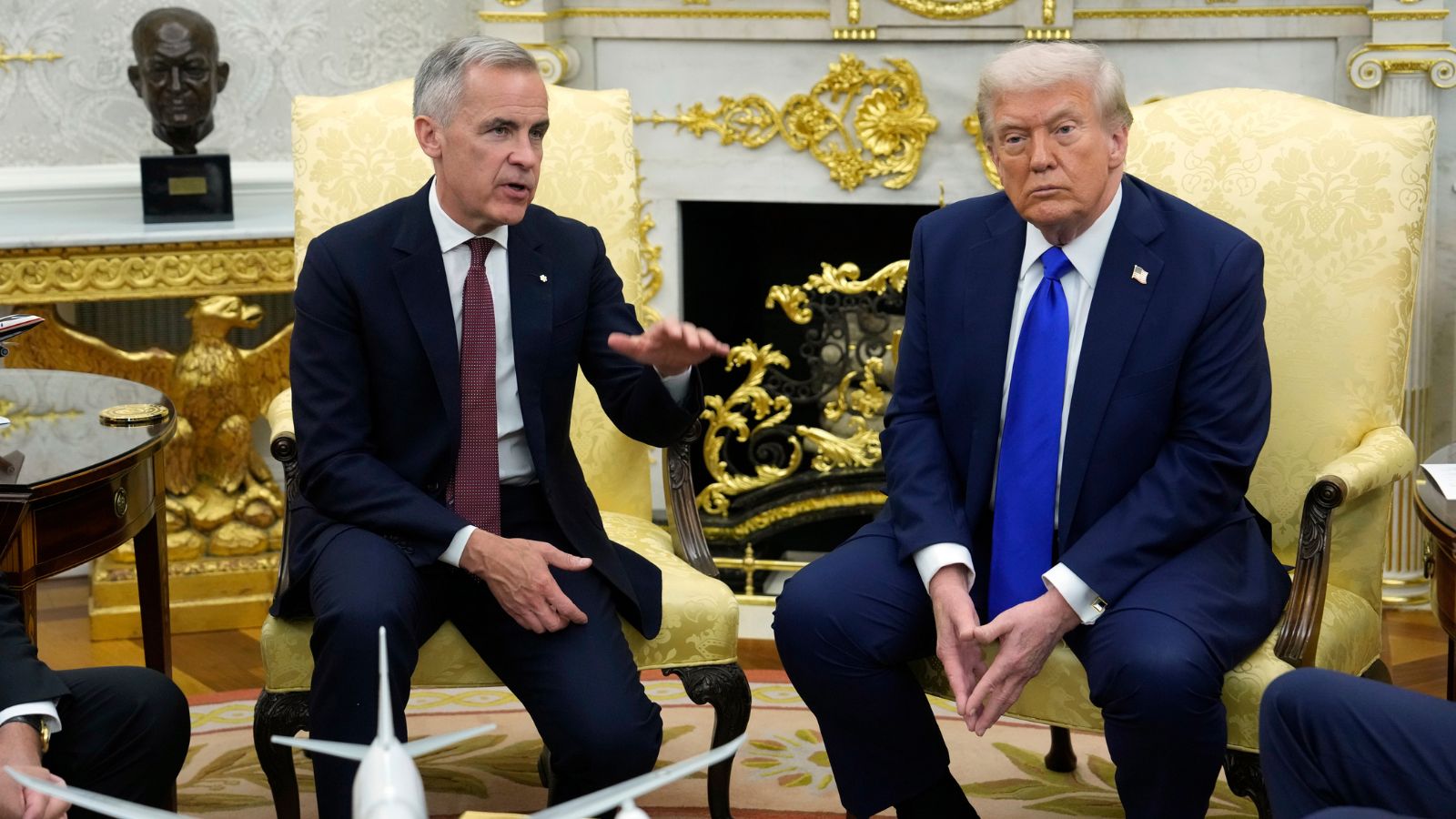
The United States and Canada tried to make a new trade agreement but could not agree.
After the talks failed, the United States placed large taxes, called tariffs, on some Canadian goods.
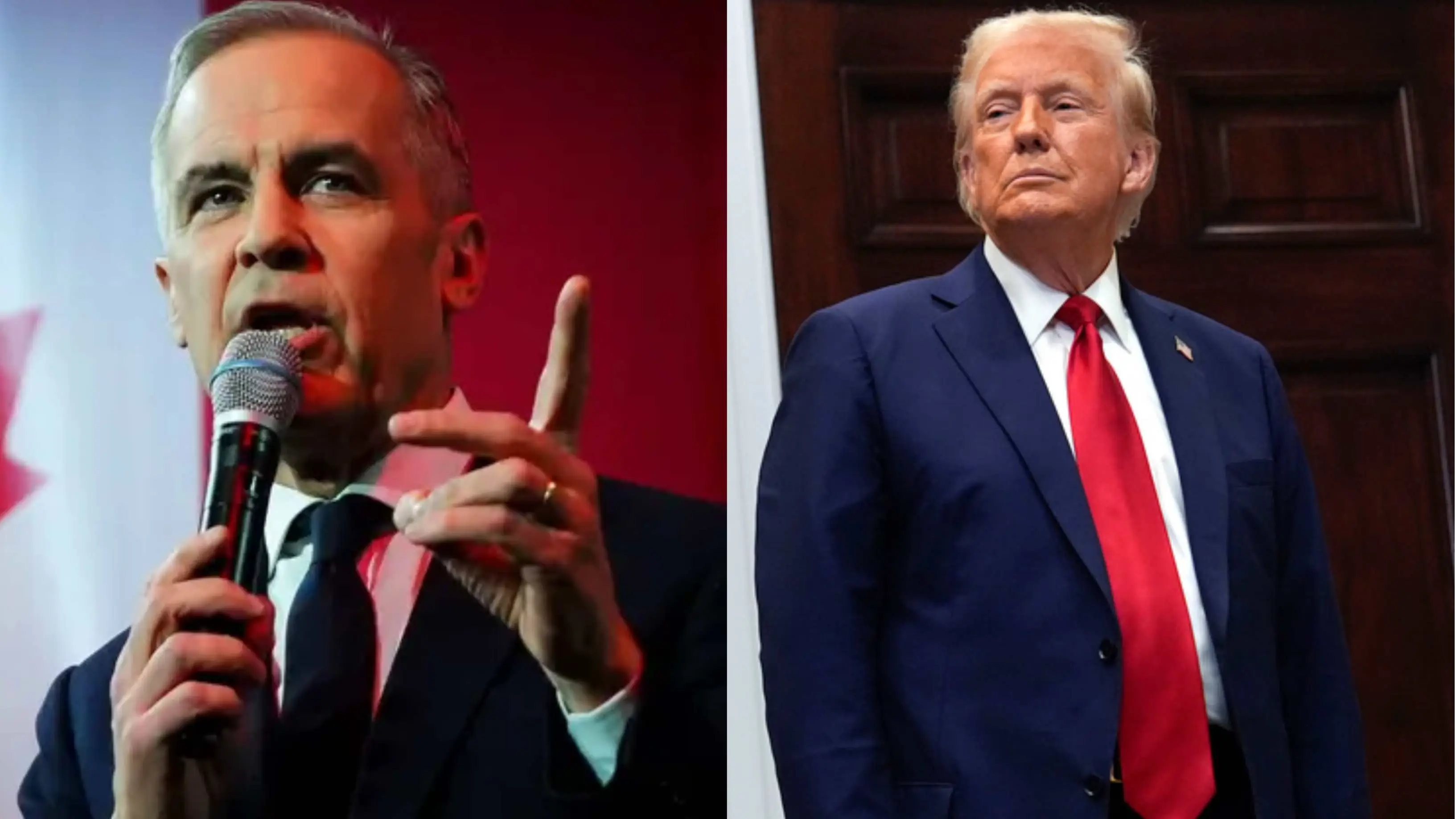
President Donald Trump said Canada had charged high tariffs on American farmers for many years.
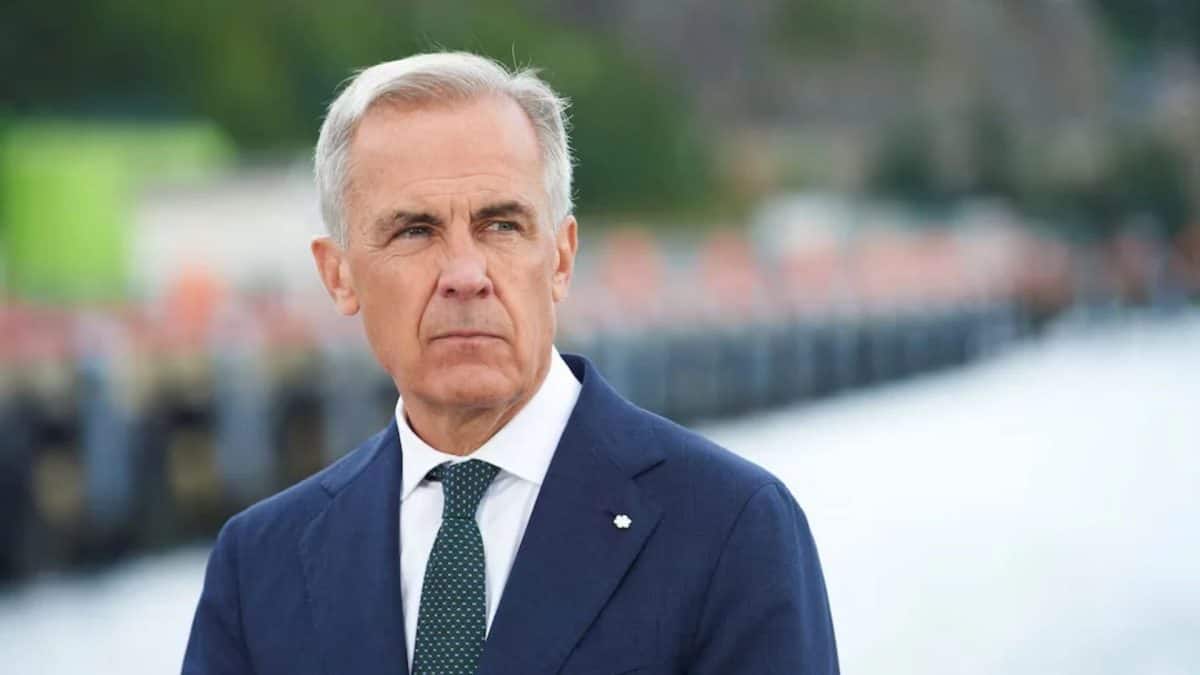
Canada’s Prime Minister Mark Carney said the US demands were unfair and hurt Canada’s ability to make other trade agreements.
He also said the talks involved concerns about French language rights and Quebec culture.
Canada plans to place matching tariffs on some American goods starting September 8.
The countries disagree about how much progress had been made and what caused the talks to fail.
The dispute is making their long-standing trade relationship more tense.

The United States imposed 50% tariffs on about $20 billion of Canadian goods after trade talks collapsed.
Donald Trump accused Canada of seeking the benefits of statehood while imposing high tariffs on American farmers.
Prime Minister Mark Carney announced dollar-for-dollar Canadian tariffs on selected US goods beginning September 8.
Canada said Washington’s final demands were unfair and restricted its ability to negotiate trade deals with other countries.
US and Canadian accounts differed over the proposed agreement, including tariff relief for vehicles, steel, aluminium, lumber and other products.
- Who
- US President Donald Trump and Canadian Prime Minister Mark Carney, along with US and Canadian negotiators.
- What
- Trade talks collapsed, followed by US tariffs on Canadian goods and planned Canadian retaliatory tariffs on US goods.
- Where
- The dispute involves trade between the United States and Canada, with negotiations held in Washington.
- When
- The US tariffs took effect Saturday after the talks failed; Canada’s announced tariffs are scheduled to begin September 8.
- Why
- The sides disagreed over tariff relief, Canada’s ability to make new trade deals, and other conditions that Canada called unfair.
Canada’s position
United States’ position
Reason talks failed
Canada’s position
Mark Carney said the US proposed terms that were uneconomic, unfair and undermined the benefits of a deal, including limits on Canada’s ability to negotiate with other countries.
United States’ position
US Trade Representative Jamieson Greer said Washington had offered to lower tariffs on Canadian steel, aluminium and automobiles and remove a tariff on Canadian lumber, describing the proposal as highly favorable.
Retaliatory tariffs
Canada’s position
Canada said matching tariffs were necessary to protect its workers, farmers, families and businesses after the US tariffs.
United States’ position
Trump said Canada had charged American farmers massive tariffs for years and declared that this would no longer continue.
Vehicle tariff relief
Canada’s position
According to people cited by Bloomberg News, Ottawa wanted proposed auto-tariff relief expanded to medium- and heavy-duty vehicles.
United States’ position
The cited sources said Washington resisted Canada’s late request, contributing to the collapse of an outlined deal.
Broader concerns
Canada’s position
Carney said US negotiators made unacceptable threats involving the French language and Quebec culture.
United States’ position
The US account emphasized proposed tariff reductions and said the discussions were candid but not acrimonious.
Key facts
- US tariffs
- A 50% levy was imposed on about $20 billion of Canadian goods.
- Affected products
- Reported examples include plywood, liquor, electrical equipment, hockey gear and other goods.
- Canadian response
- Canada said it would match Washington’s tariffs dollar for dollar on selected US goods.
- Retaliation date
- The Canadian tariffs are scheduled to take effect September 8.
- Targeted US sectors
- Planned targets include steel, dairy, appliances, agricultural equipment, pulp and paper and electronics.
- Canadian export dependence
- Canada sends nearly 70% of its exports to the United States, according to the reports.
- Reported negotiation dispute
- Sources said Canada sought to extend proposed auto-tariff relief to medium- and heavy-duty vehicles, while Washington resisted.
Quotes

Donald Trump
President of the United States
“Canada wants the benefits of being a State, without being one!!! They have also charged our great farmers, for many years, massive amounts of Tariffs. No more!!!”
 livemint.com
 firstpost.com
 NDTV
NDTV
“Canada will match Washington's new tariffs dollar for dollar in order to protect Canadian workers, farmers, families, and businesses,”
firstpost.com
NDTV
Sources

Related news

Trump and Carney Clash as Canada-US Trade Talks Stall
Trump and Canada Escalate Trade Fight Over Retaliatory Tariffs
Canada Announces Dollar-for-Dollar Tariffs After US Trade Talks Collapse
Trump Escalates US-Canada Trade War With 50% Tariffs
Canada Retaliates as Trade War with US Escalates
US-Canada Trade Deal Collapses Over Trucks, Culture and Tariffs
Carney Tells Trump to Stop Memes as Trade Fight Escalates

Astronaut Shares Ancient Manicouagan Crater View From Space
Canada Raises Financial Requirement for International Student Permits

Quebec voters face October 5 election as separatists lead
Trump Floats ‘Lake America’ Amid Deepening U.S.-Canada Trade Rift
