1 week ago
Trump Administration Escalates Trade War Warning After Canada Talks Collapse
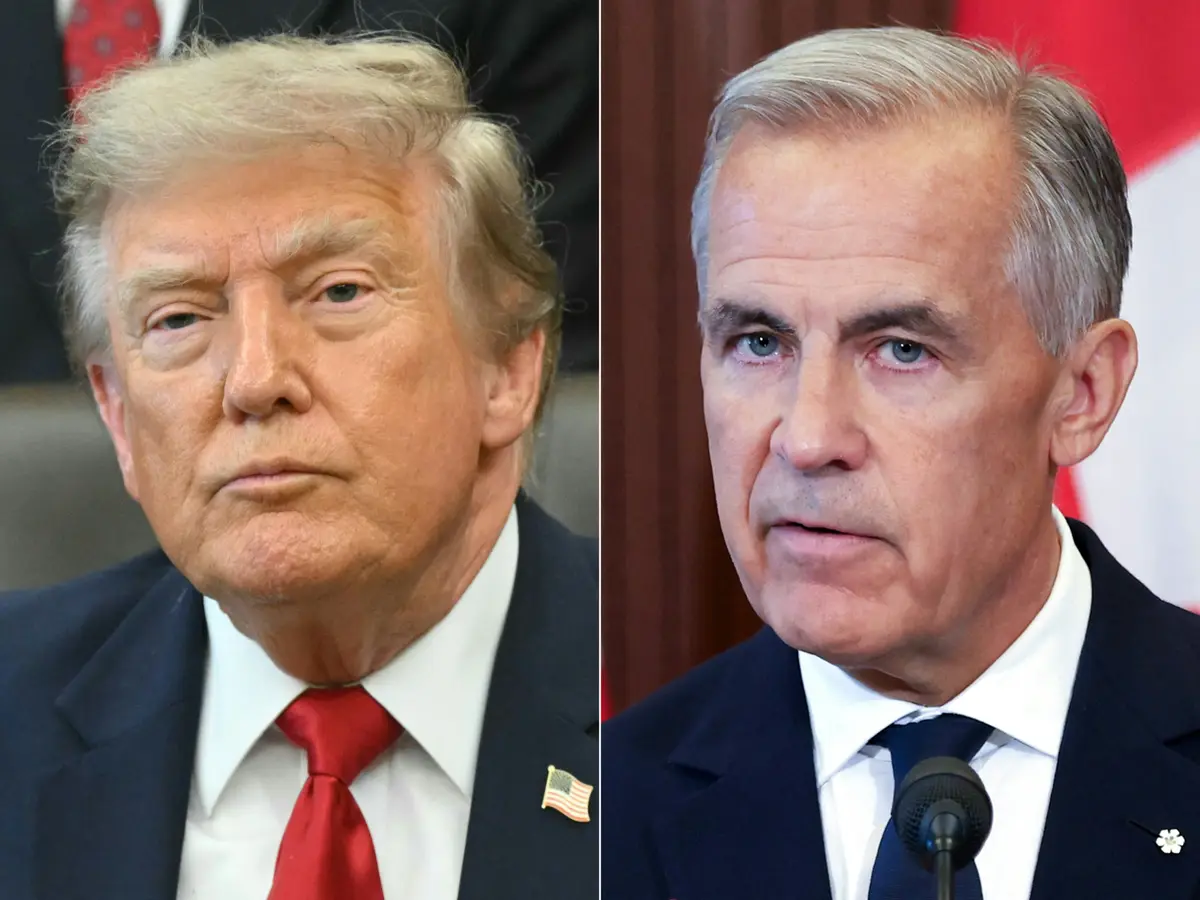
The United States and Canada are arguing about trade.
Their latest talks ended without an agreement.
The United States then placed a 50% tax on some Canadian goods.
Canada said it would answer with taxes on some American products.
Prime Minister Mark Carney said Canada rejected a bad deal.
U.S. officials said Canada would suffer more from the dispute.
Canada said it had been attacked and was defending itself.
Both countries may continue negotiating, but the trade conflict has become more serious.

The Trump administration warned Canada of “devastating” consequences after trade negotiations broke down late Friday.
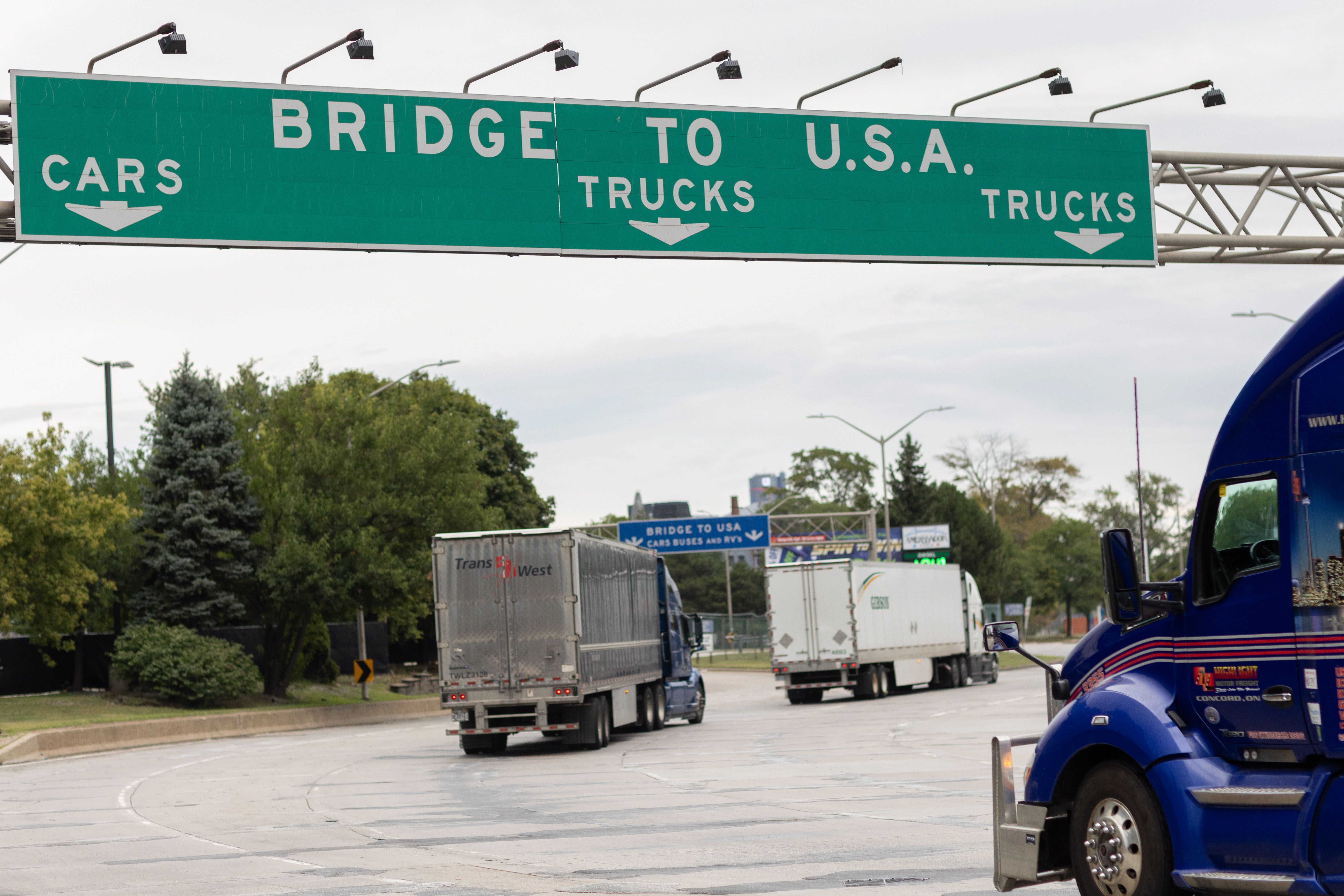
The United States imposed new 50% tariffs on about $20 billion of Canadian imports, affecting roughly 5.5% of Canada’s exports to the U.S.
Canadian Prime Minister Mark Carney called the proposed agreement a “bad deal” and pledged matching tariffs beginning September 8.
U.S. Transportation Secretary Sean Duffy said Canada benefits more from bilateral trade and would likely return to negotiations.
President Donald Trump accused Canada of seeking the benefits of U.S. statehood without its obligations and criticized Canadian agricultural tariffs.
- Who
- The Trump administration and President Donald Trump are opposing Canadian Prime Minister Mark Carney and the Canadian government.
- What
- The United States and Canada are escalating a trade dispute after negotiations collapsed, with tariffs threatened or imposed by both sides.
- Where
- The dispute concerns trade between the United States and Canada, with U.S. comments aired on Fox News Sunday.
- When
- The talks broke down late Friday; statements and tariff announcements followed on Saturday and Sunday, August 23. Canadian counter-tariffs were announced for September 8.
- Why
- The negotiations collapsed after Canada rejected what Carney described as a bad deal, prompting U.S. tariffs and Canada’s planned retaliation.
Canada’s position
U.S. administration’s position
Reason for retaliation
Canada’s position
Prime Minister Mark Carney said Canada was attacked and therefore justified in responding with counter-tariffs.
U.S. administration’s position
The Trump administration characterized Canada’s retaliation as foolish and warned that it would face severe consequences.
Negotiating leverage
Canada’s position
Canada rejected what Carney called a bad deal and walked away from the talks.
U.S. administration’s position
Sean Duffy argued that Canada benefits much more from trade with the United States and would eventually return to negotiations.
Broader relationship
Canada’s position
Canada plans to defend key industries, including steel and dairy, with matching tariffs.
U.S. administration’s position
Donald Trump said Canada wants the benefits of being a U.S. state without the obligations and criticized Canadian agricultural tariffs.
Key facts
- U.S. tariff rate
- 50% on roughly $20 billion worth of Canadian imports
- Share of Canadian exports affected
- Approximately 5.5% of Canada’s total exports to the United States
- Canadian counter-tariffs
- Planned for U.S. steel, dairy, and other key industries
- Counter-tariff start date
- September 8
- Talks status
- High-stakes negotiations collapsed late Friday
- U.S. administration position
- Sean Duffy predicted Canada would return to negotiations after facing economic consequences
- Canadian position
- Mark Carney said Canada walked away from a “bad deal” and described the country as having been attacked
Quotes

Donald Trump
President of the United States
“To think that they're going to go to war with Donald Trump and actually win that war with the US, I think it's foolish on their part.”
 wionews.com
“Canada wants the benefits of being a state, without being one!!!”
wionews.com
Sources
Related news
Canada Retaliates as Trade War with US Escalates
Trump Escalates US-Canada Trade War With 50% Tariffs
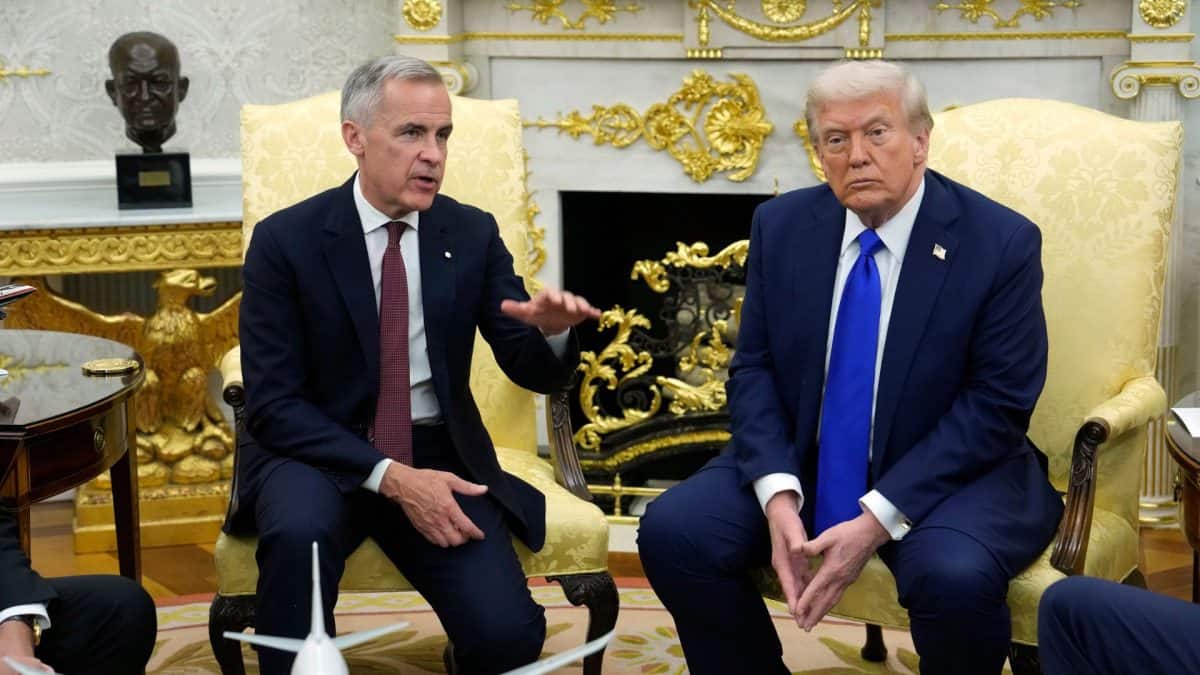
US-Canada Trade Talks Collapse as 50% Tariffs Take Effect

US-Canada Trade Talks Collapse as Tariffs Trigger Retaliation

Canada Announces Dollar-for-Dollar Tariffs After US Trade Talks Collapse
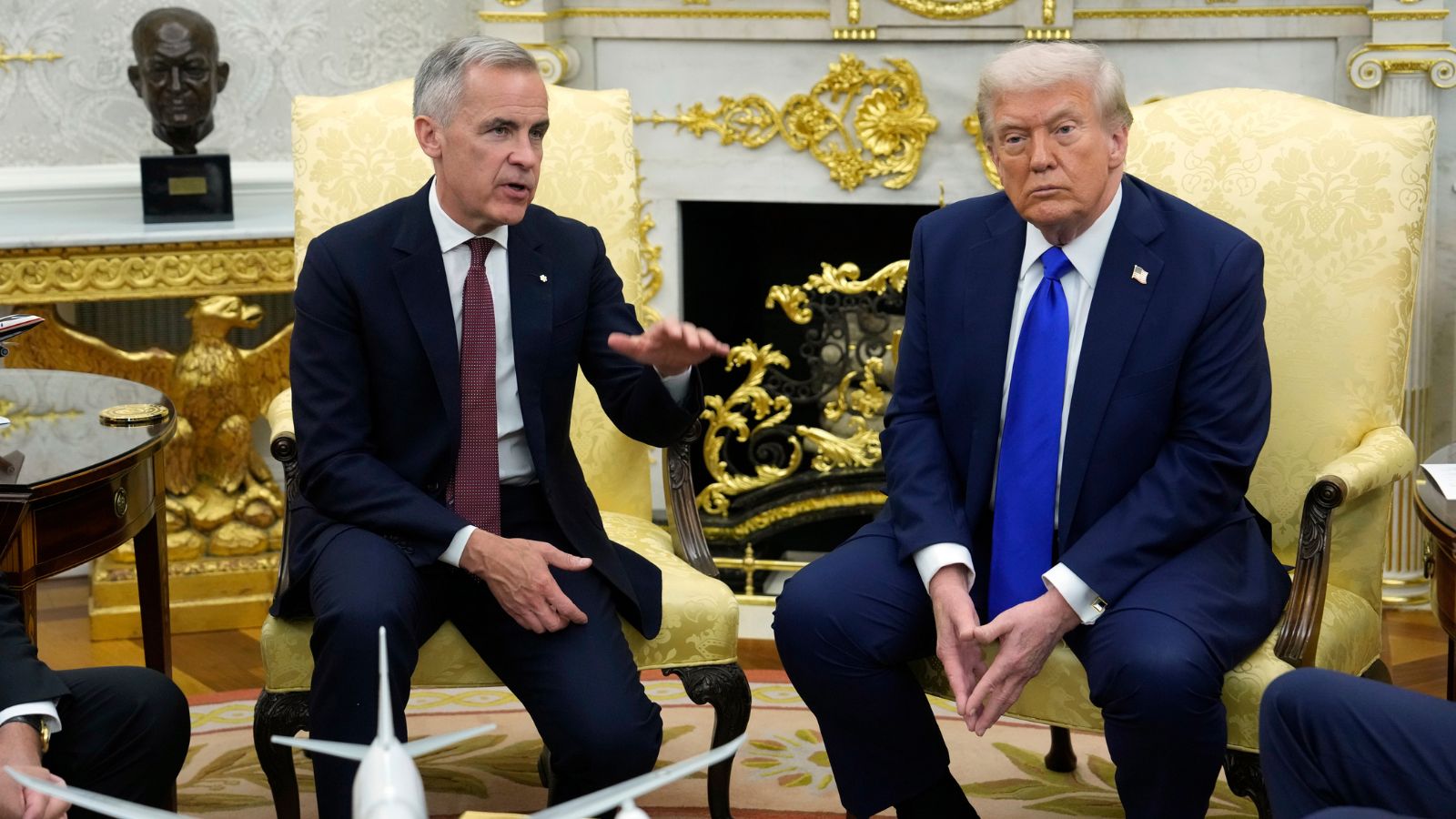
Trump and Canada Escalate Trade Fight Over Retaliatory Tariffs
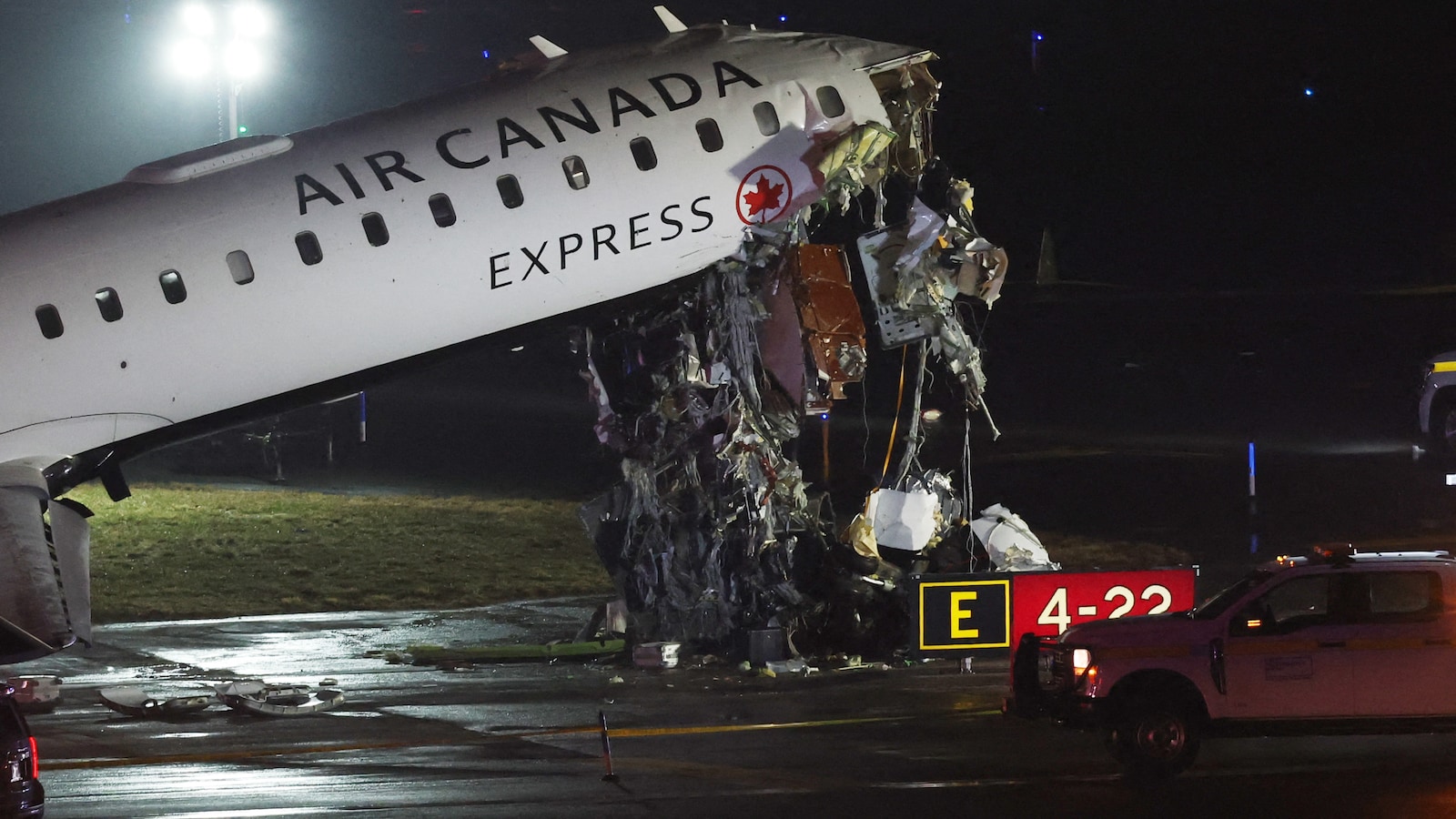
LaGuardia Controllers Faced Discipline After Fatal Runway Crash

US-Canada Trade Talks Collapse Over Disputed Deal Fine Print

Trump Deploys Cabinet Officials to Tout Nationwide Policy Wins
FAA hires 2,000 video gamers as air traffic controllers amid criticism