

3 weeks ago
Rajya Sabha passes bill to allow MDR on UPI, RuPay

People in India use an app called UPI to send and receive money instantly, and it has always been free for them.
A rule from 2020 said shops and companies also did not have to pay a fee, called MDR, when they accepted UPI or RuPay cards.
This was done to help more people start using digital payments.
But banks and payment companies say they spend a lot of money keeping the system safe and working, and someone has to pay for that.
The Indian Parliament has now passed a new law that allows the fee to come back.
The government says normal people will still pay nothing, and only about 4 to 5 percent of very large shops will pay the fee.
Small shops and almost every other payment will stay free.
The people who run banks and payment companies are happy because they can earn money to build and improve the system.
They hope UPI will one day be as popular as Brazil's Pix, which most adults already use.

The Rajya Sabha passed the Taxation and Other Laws (Amendment) Bill, 2026 on August 10, enabling MDR on UPI and RuPay transactions.
Finance Minister Nirmala Sitharaman reiterated that UPI remains free for consumers and they will not pay any transaction charge.
The MDR levy would apply only to roughly 4-5% of large merchants, leaving about 96% of transactions unaffected.
Zero MDR for UPI and RuPay debit cards was introduced in 2020; before that, RBI allowed MDR of 0.40%-0.90% on debit cards and up to 0.30% (max Rs 100) on UPI P2M transactions.
The government and ecosystem have been footing a bill costing Rs 15,000-20,000 crore, and a report says SBI, ICICI Bank, Axis Bank and PhonePe stand to gain.
- Who
- Finance Minister Nirmala Sitharaman, the Rajya Sabha, the Reserve Bank of India, NPCI, banks and payment companies such as Zeta and PayU.
- What
- A new law allowing MDR (merchant discount rate) fees on UPI and RuPay transactions for large merchants, while keeping digital payments free for consumers.
- Where
- India.
- When
- The Rajya Sabha passed the Taxation and Other Laws (Amendment) Bill, 2026 on August 10; the timing of implementing the levy is still to be decided.
- Why
- To create a sustainable revenue model for banks and payment infrastructure providers, who have borne Rs 15,000-20,000 crore in costs and need funds to expand digital payments.
Keep UPI free for everybody
Sustainable revenue for payment ecosystem
Who should bear UPI's costs?
Keep UPI free for everybody
UPI should remain free, with the government and ecosystem players continuing to foot the estimated Rs 15,000-20,000 crore annual bill.
Sustainable revenue for payment ecosystem
The system cannot keep footing the bill; MDR is needed to create a sustainable revenue model for banks, PSPs and payment infrastructure providers.
Will MDR affect consumers?
Keep UPI free for everybody
An economist quoted in a related article says the argument that MDR won't affect consumers is 'incorrect logic'.
Sustainable revenue for payment ecosystem
Finance Minister Nirmala Sitharaman says UPI has been free for consumers since launch and they will continue to make payments without any transaction charge.
Impact on merchants
Keep UPI free for everybody
A report suggests retailers could end up paying more, while banks like SBI, ICICI Bank and Axis Bank and platforms like PhonePe stand to gain.
Sustainable revenue for payment ecosystem
Only about 4-5% of large merchants would be impacted, and many of them promoted credit cards with higher MDR instead of UPI or RuPay.
Key facts
- Law passed
- Taxation and Other Laws (Amendment) Bill, 2026
- Passed by
- Rajya Sabha on August 10
- Consumer charges
- UPI free for consumers; no transaction charge
- Merchants impacted
- Only about 4-5% of large merchants; ~96% of transactions unaffected
- Previous MDR on debit cards
- 0.40%-0.90% (before 2020)
- Previous UPI P2M MDR
- Up to 0.30%, capped at Rs 100
- Zero MDR policy introduced
- 2020
- Annual cost to ecosystem
- Rs 15,000-20,000 crore
Quotes
Anirban Mukherjee
CEO, PayU
“Payments infrastructure, merchant servicing, security, compliance and fraud prevention require continuous investments. So does scaling infrastructure, cybersecurity and fraud risk management, and building for what comes next, including agentic commerce, AI-native payments and new ways for merchants to grow.”
 businesstoday.in
“The government's approach appears designed to strike a balance, keeping digital payments free for consumers and small businesses, while creating a sustainable revenue model for the banks, PSPs, and payment infrastructure providers that power this ecosystem.”
businesstoday.in
Unnamed source
Industry source on MDR impact
“Only 4-5% of the large merchants will be impacted. There is a view that several of them have largely not promoted UPI or RuPay cards over the last five to six years and continue to promote credit cards that have a much higher MDR.”
businesstoday.in
Sources
Related news
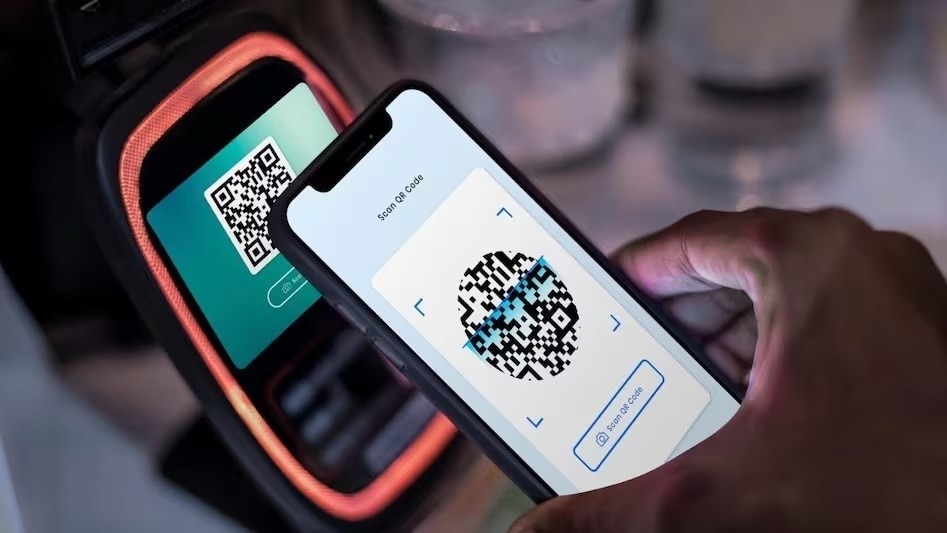
UPI Payments May Get MDR Charges; Small Transactions Stay Free

UPI, RuPay payments may see merchant fees under new bill

Lok Sabha passes bill allowing UPI merchant discount rate charges

UPI Remains Free for Users, Nominal Merchant Fee Possible: Govt

India’s UPI Revolution Faces Its Next Financial Test

India’s Banking Summit Maps AI’s Responsible Financial Frontier

NPCI Plans Wider Cross-App UPI AutoPay Mandate Portability

Navi Secures $100 Million Prosus Investment Ahead of Potential IPO
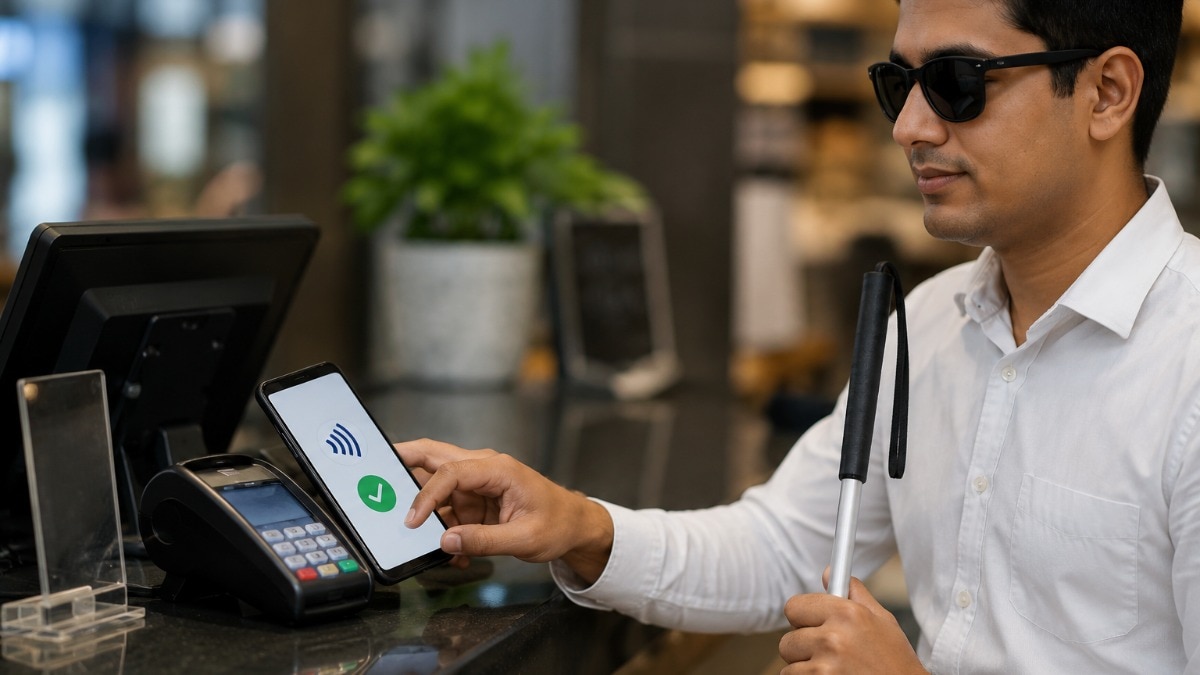
PayU launches accessible checkout for visually impaired users
