3 weeks ago
UPI, RuPay payments may see merchant fees under new bill

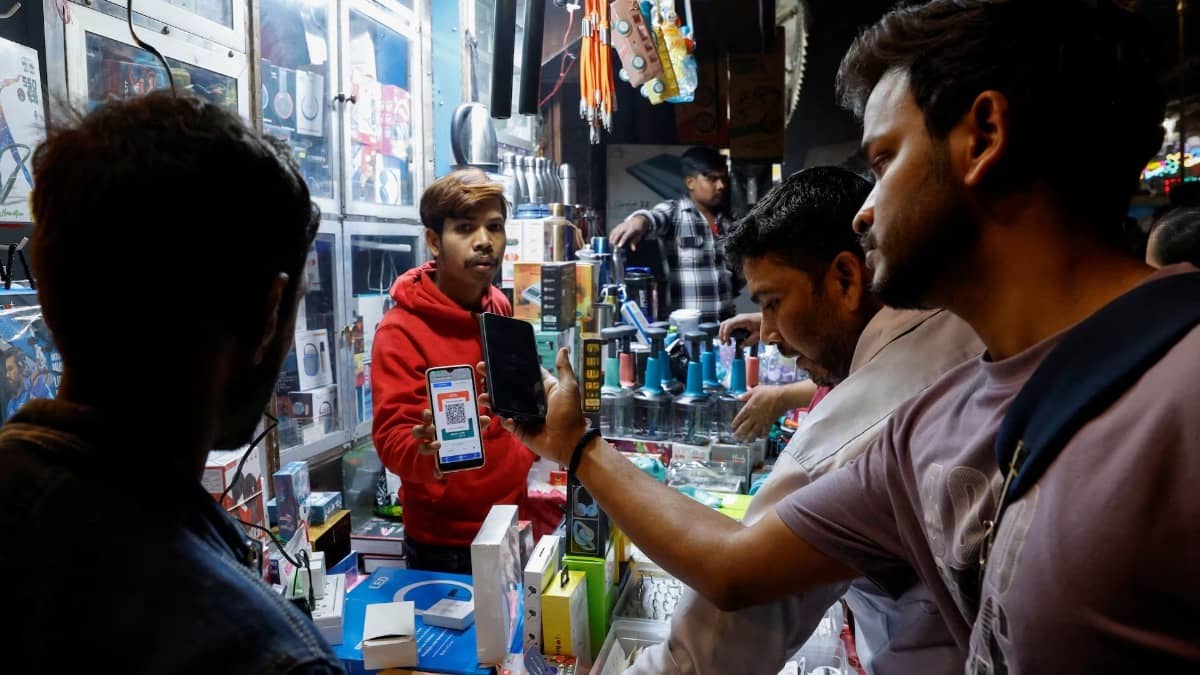
When people in India pay with their phones using UPI, the banks and companies that make the payment possible do a lot of work.
Usually, shops do not have to pay a fee for these digital payments.
The government wanted free digital payments so more people would use them.
But running this system costs a lot of money.
The government has given about Rs 8,730 crore to help pay for it between 2021 and 2025.
Still, that only covers a small part of the real costs.
A new law that was just passed could let banks charge small fees for some digital payments.
The fees would only be for big payments made to shops, like those above Rs 2,000.
That means most people who make small payments will not have to pay anything extra.
The idea is to keep digital payments free for most people while making the system able to keep working.

The Lok Sabha passed the Taxation and Other Laws (Amendment) Bill, 2026, which amends the Payment and Settlement Systems Act, 2007, to create pathways for charging merchant discount rate (MDR) fees on UPI and RuPay debit card payments.
The zero MDR policy, introduced in 2020 to encourage digital adoption, has made the UPI ecosystem 'financially unsustainable', according to the Standing Committee on Finance's 32nd report.
The Union government spent Rs 8,730 crore between 2021-22 and 2024-25 on payment incentives, covering only 11 per cent of industry costs and 14 per cent of potential MDR.
The finance ministry clarified that any MDR charges would apply above a particular threshold and only to a limited set of merchant transactions.
In 2025-26, only 4 per cent of person-to-merchant (P2M) transactions exceeded Rs 2,000 but accounted for two-thirds of P2M value, suggesting most users would be unaffected.
- Who
- The Lok Sabha, which passed the bill; the Union finance ministry, which clarified how fees would apply; and the Standing Committee on Finance, whose report highlighted the sustainability problem.
- What
- A new law creating pathways for merchant discount rate (MDR) fees to be charged on UPI and RuPay debit card payments.
- Where
- India.
- When
- The bill was passed last week in 2026; the zero MDR policy began in 2020; the latest transaction data cited is from July and 2025-26.
- Why
- The absence of MDR makes the UPI ecosystem financially unsustainable, and government incentives cover only a small fraction of industry costs.
Protecting free payments for users
Ensuring a sustainable payments system
Charging MDR fees on UPI and RuPay payments
Protecting free payments for users
Charges on UPI are a concern for millions of users who depend on it, and the zero-fee approach was meant to ensure widespread adoption of digital payments.
Ensuring a sustainable payments system
The absence of MDR makes the UPI ecosystem financially unsustainable, with government incentives covering only 11 per cent of industry costs, so some fees are needed to keep the system running.
Key facts
- Bill
- Taxation and Other Laws (Amendment) Bill, 2026
- Law being amended
- Payment and Settlement Systems Act, 2007
- Zero MDR policy introduced
- 2020
- UPI transactions in July
- 23.6 billion
- Government incentives (2021-22 to 2024-25)
- Rs 8,730 crore
- Incentive share of industry cost
- 11 per cent (14 per cent of potential MDR)
- P2M transactions above Rs 2,000
- 4 per cent of transactions, two-thirds of value
- Existing MDR on credit cards
- 1-3 per cent of transaction value
Quotes
Standing Committee on Finance
Government committee reviewing finance laws
““the absence of MDR makes the UPI ecosystem financially unsustainable.””
 indianexpress.com
Sources
Related news

Rajya Sabha passes bill to allow MDR on UPI, RuPay

Lok Sabha passes bill allowing UPI merchant discount rate charges

UPI remains free for users, some merchants face nominal charges

UPI Remains Free for Users, Nominal Merchant Fee Possible: Govt
India’s Banking AI Push Revives Old Technology Job Debate

SBI Announces 45-Minute UPI Outage With Timing Discrepancy

UPI Accepted in 11 Countries, But Payments Vary
Axis Bank Adds Separate UPI Limits for Payment Categories

Credit Card Transactions Surge as Average Spending Falls in July