5 days ago
India’s UPI Revolution Faces Its Next Financial Test

UPI lets people pay quickly by scanning a QR code and entering a PIN.
For many years, these payments did not have a charge called MDR.
The government says the system now needs more money to pay for security, fraud protection, and technology.
It may allow charges on some large transactions between businesses and merchants.
Regular payments between people are expected to stay free.
Merchants might still feel the cost even if customers do not see a fee.
Supporters say carefully designed charges could help payment companies keep improving UPI.
Critics worry that fees could make payments more expensive and make it harder for smaller companies to compete.
India’s challenge is to keep UPI affordable while making its infrastructure financially sustainable.

The government has opened the door to MDR on limited high-value UPI transactions while keeping P2P payments free.
The Finance Ministry says rising transaction volumes require sustainable funding for cybersecurity, fraud prevention, and digital infrastructure.
UPI processed 2,366 crore transactions worth nearly 29.9 lakh crore in July 2026, according to the government.
Zero MDR, introduced for UPI and RuPay debit-card transactions in January 2020, helped drive widespread digital-payment adoption.
Policymakers must balance provider revenue and investment with merchant affordability, consumer protection, and competition from smaller platforms.
- Who
- The Indian government, payment providers, merchants, consumers, and platforms including PhonePe, Google Pay, Navi, and super.money.
- What
- India is considering a limited Merchant Discount Rate on some high-value UPI transactions while retaining free Person-to-Person payments.
- Where
- India.
- When
- The debate comes as UPI enters its next phase; the government cited July 2026 transaction figures, and zero MDR began in January 2020.
- Why
- To fund cybersecurity, fraud prevention, and digital infrastructure while preserving affordability, innovation, and competition.
Supporters of Sustainable Pricing
Affordability and Competition Concerns
Funding UPI infrastructure
Supporters of Sustainable Pricing
The Finance Ministry argues that rapidly rising volumes require continuing investment in cybersecurity, fraud prevention, and digital infrastructure, which subsidies alone may not sustain.
Affordability and Competition Concerns
Adding a cost to the ecosystem could ultimately affect merchants or consumers, even if the fee is not shown directly to users.
Scope of MDR
Supporters of Sustainable Pricing
A limited MDR on high-value transactions could provide revenue while protecting small merchants and ordinary users.
Affordability and Competition Concerns
Any MDR should be transparent and proportionate because payment costs can be passed through the system in less visible ways.
Market competition
Supporters of Sustainable Pricing
Payment providers need viable business models to invest in technology and security, potentially supporting continued innovation.
Affordability and Competition Concerns
Economic conditions that favor large platforms could make it harder for smaller entrants to gain users and compete; PhonePe and Google Pay still dominate UPI volumes.
Key facts
- July 2026 UPI volume
- 2,366 crore transactions
- July 2026 transaction value
- Nearly 29.9 lakh crore
- MDR proposal
- Potentially applies to a limited category of high-value UPI transactions above a threshold
- Person-to-Person payments
- The government has assured that P2P UPI payments will remain free
- Zero-MDR policy
- UPI and RuPay debit-card MDR was set to zero in January 2020
- Long-term growth
- Annual UPI transactions increased 12,000-fold since FY 2016-17
- Platform concentration
- PhonePe and Google Pay account for roughly 79% of UPI transaction volumes
- Future fee level
- The government has indicated any MDR would be substantially below typical debit- and credit-card rates
Sources
Related news
India examines restoring MDR as UPI costs outpace support
Keep UPI Free by Funding It From Savings
Rajya Sabha passes bill to allow MDR on UPI, RuPay
UPI Stays Free For Consumers And Small Merchants, PCI Says
Economist challenges claim UPI merchant fee won't affect consumers
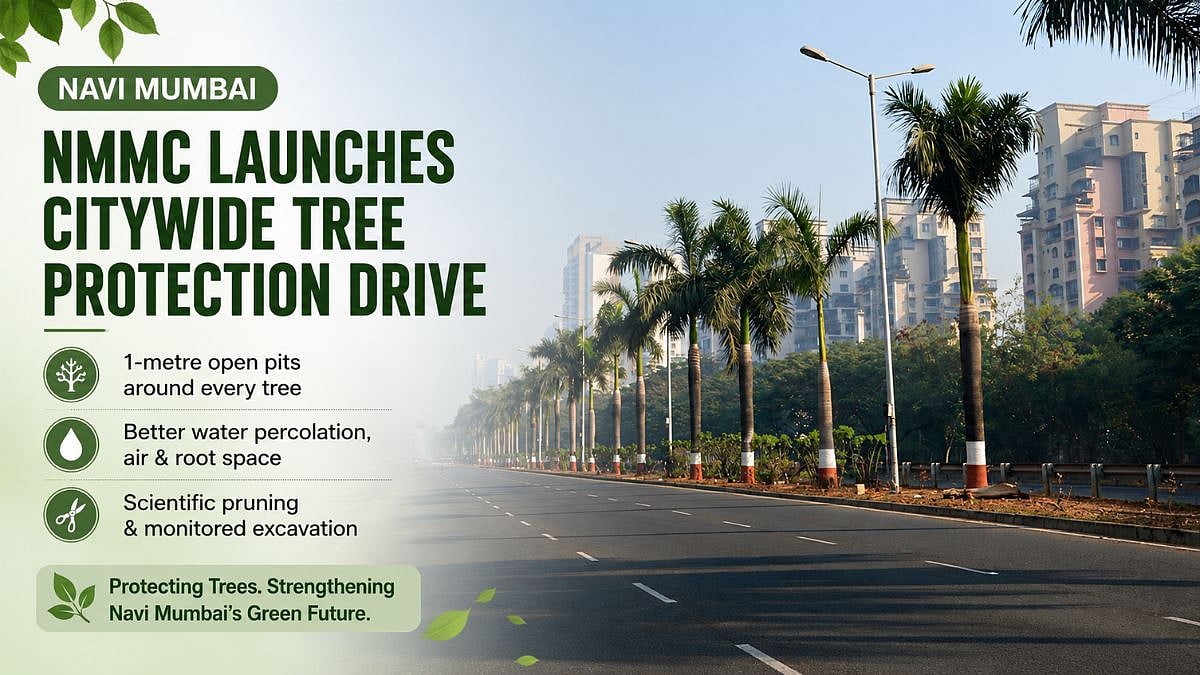
NMMC Launches Navi Mumbai Drive to Protect Existing Trees

IWSA Opens Learning Garden Museum To Promote Urban Biodiversity

USFDA Warns Reliance Life Sciences Over Navi Mumbai Drug Lapses

Mumbai Warehouse Found Relabeling Exported Maggi, Lay’s and Kurkure Packs
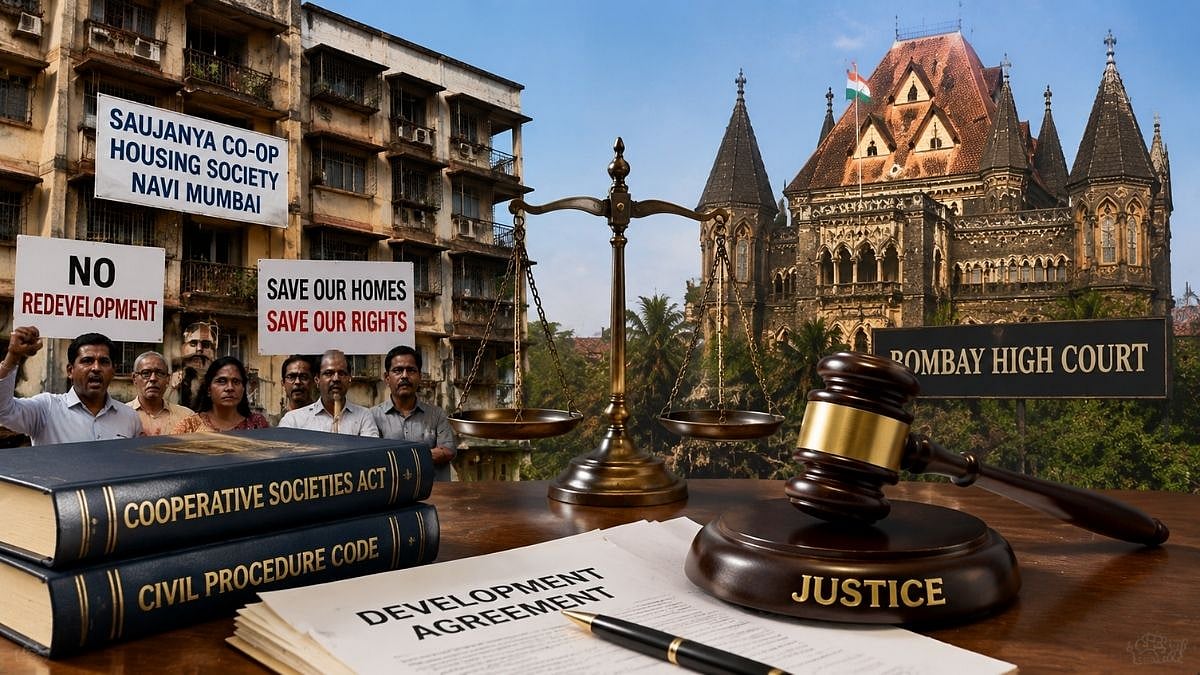
Bombay High Court Rejects Split Legal Challenges to Redevelopment