0 months ago
UPI Payments May Get MDR Charges; Small Transactions Stay Free
UPI is a payment system that lets people in India pay with their phones.
It is very popular because it is fast and free to use.
Now the government and banks are talking about letting banks charge a small fee, called MDR, when people pay businesses through UPI.
The fee would only apply to bigger payments, maybe above Rs 2,000 or Rs 3,000.
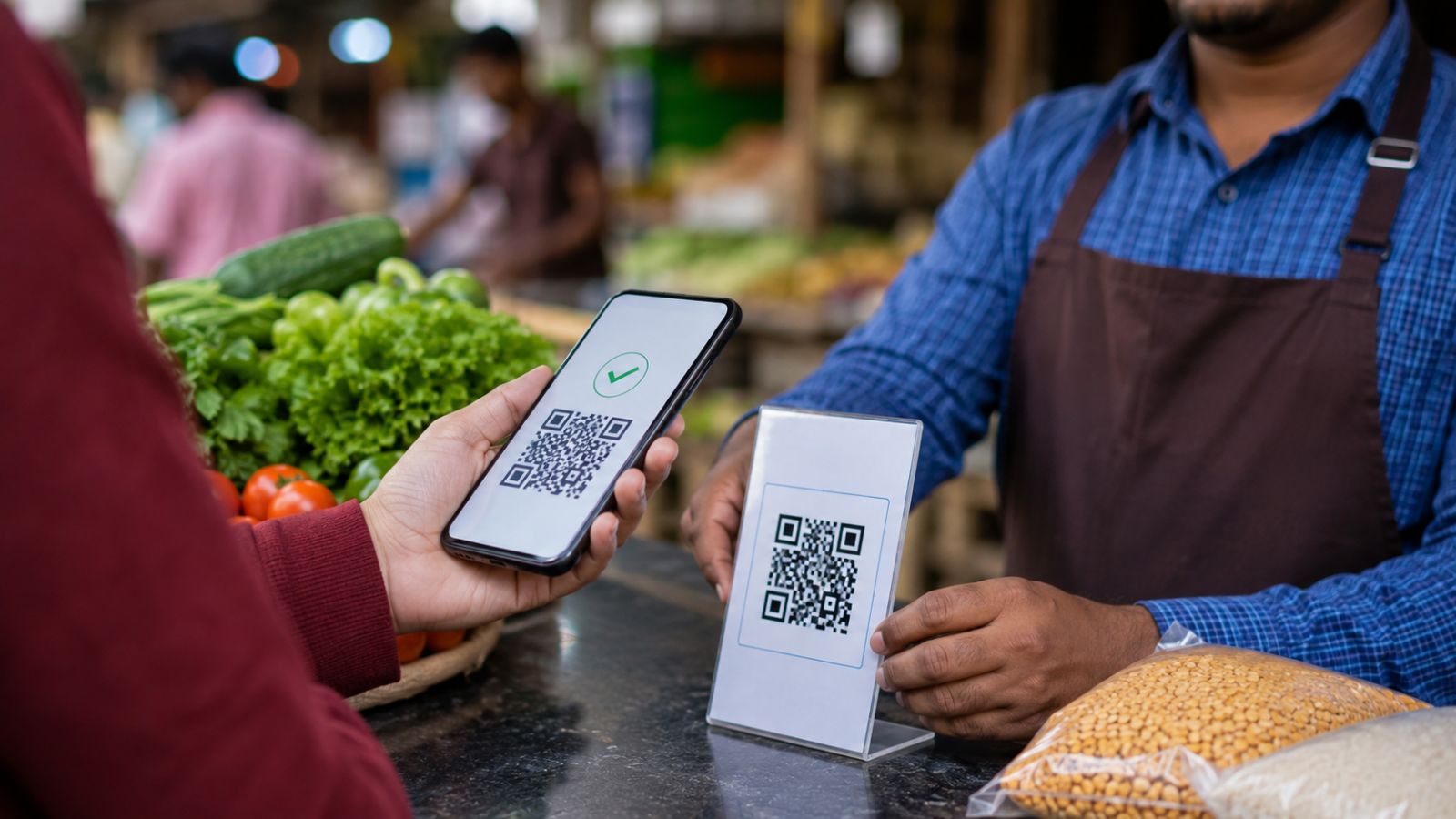
Small everyday payments, like buying milk or vegetables or taking a cab, will stay free.
Money sent between friends and family will also stay free.
Banks and payment companies say they lose money because processing these payments is free, so they want to charge again.
The government wants to keep UPI cheap so more people keep using it.
More than five crore merchants in India already accept digital payments.
Any new fee will only start after careful planning, and it will take time to be announced.

UPI processed 23.66 billion transactions worth Rs 29.88 lakh crore in July 2026 and is India's most preferred payment method at 57%, ahead of cash at 38%.
The government is considering charging MDR on UPI person-to-merchant payments above a Rs 2,000 or Rs 3,000 threshold at a rate of 0.25% to 0.4%.
Small daily-value payments such as cab fares and grocery purchases will not attract MDR, and peer-to-peer transfers will remain exempt.
The Payments Council of India has sought MDR reintroduction since 2022, citing an expected industry loss of Rs 5,500 crore from zero MDR on UPI and RuPay.
The government funds an incentive scheme for RuPay and low-value BHIM-UPI transactions with Rs 8,276 crore in budgetary support, while over 5 crore merchants accept digital payments.
- Who
- The Reserve Bank of India, the central government and the payments industry, including the Payments Council of India, are discussing MDR on UPI.
- What
- A possible Merchant Discount Rate (MDR) fee on UPI person-to-merchant payments above a certain threshold, while keeping small-value and peer-to-peer transactions free.
- Where
- India
- When
- Discussions are ongoing as of July 2026; the levy has not yet been notified.
- Why
- To compensate banks and payment firms for losses from the zero-MDR regime and make digital payments infrastructure investment viable, without hurting UPI adoption.
Industry: Revive MDR for Viability
Government: Keep UPI Free and Inclusive
Charging MDR on UPI payments
Industry: Revive MDR for Viability
The payments industry, including the Payments Council of India, argues that zero MDR makes investment in digital payments infrastructure unviable and expects losses of Rs 5,500 crore from UPI and RuPay.
Government: Keep UPI Free and Inclusive
The government notes that the zero-MDR policy since 2020 drove UPI adoption to 57% of transactions and plans to keep small daily-value and peer-to-peer payments free to protect usage and expansion.
Key facts
- UPI transactions (July 2026)
- 23.66 billion
- UPI transaction value (July 2026)
- Rs 29.88 lakh crore
- UPI usage share
- 57% vs 38% for cash
- Proposed MDR threshold
- Above Rs 2,000 or Rs 3,000
- Proposed MDR rate
- 0.25% to 0.4%
- Industry loss estimate
- Rs 5,500 crore
- Incentive scheme budgetary support
- Rs 8,276 crore
- Merchants accepting digital payments
- Over 5 crore (657 million QR codes)
Sources
Related news
Rajya Sabha passes bill to allow MDR on UPI, RuPay
UPI fee targets large payments, small ones stay free
UPI MDR Above ₹2,000 May Begin Within Two Weeks

Lok Sabha passes bill allowing UPI merchant discount rate charges
UPI Accepted in 11 Countries, But Payments Vary
Keep UPI Free by Funding It From Savings

EPFO announces five big changes for salaried employees in 2026
Patna court reinstates RPF constables sacked over murder-accused support