5 days ago
China Resumes Rescue Work as Border Barrier Lake Risk Eases

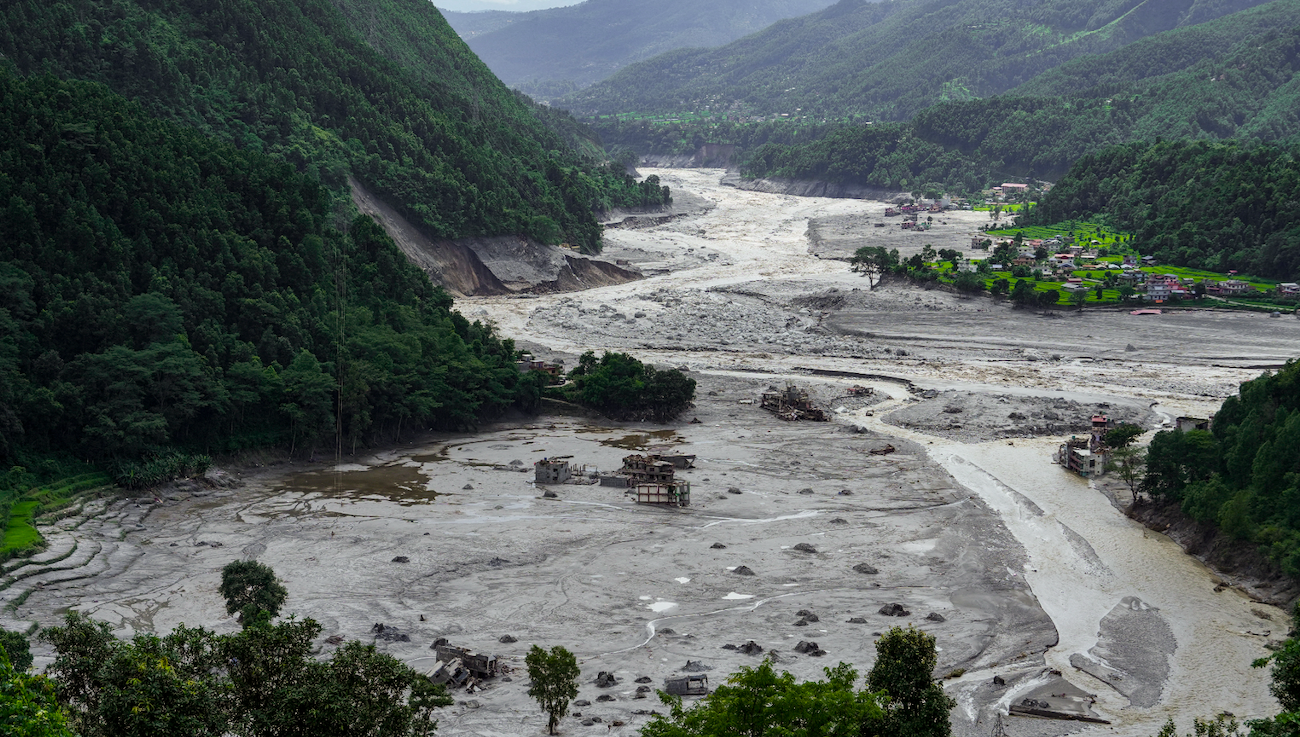
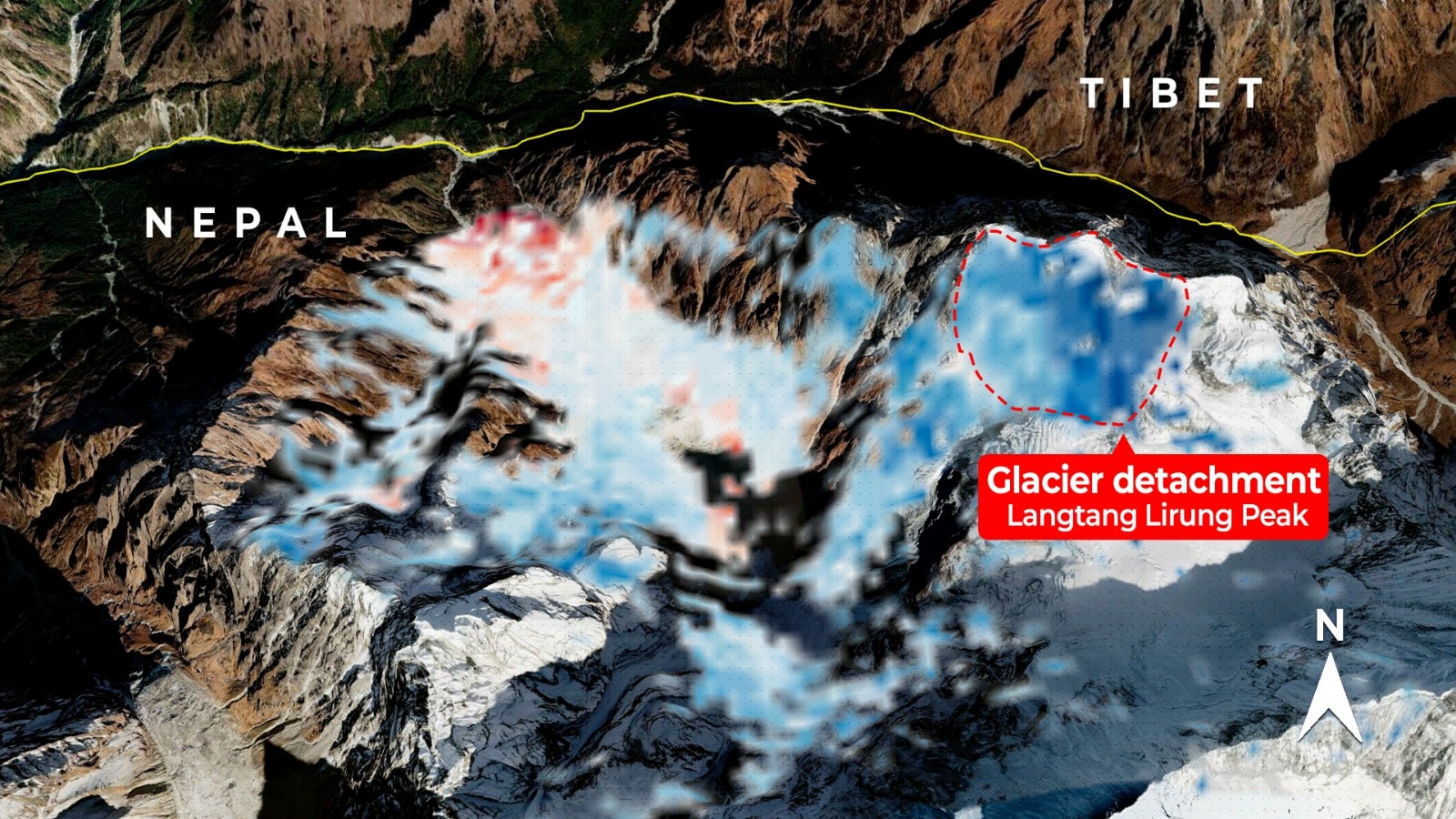
A glacier broke apart and helped create a lake near the China-Nepal border.
The lake is held back by rocks and debris instead of a normal outlet.
Officials worried that it could overflow and cause another flood.
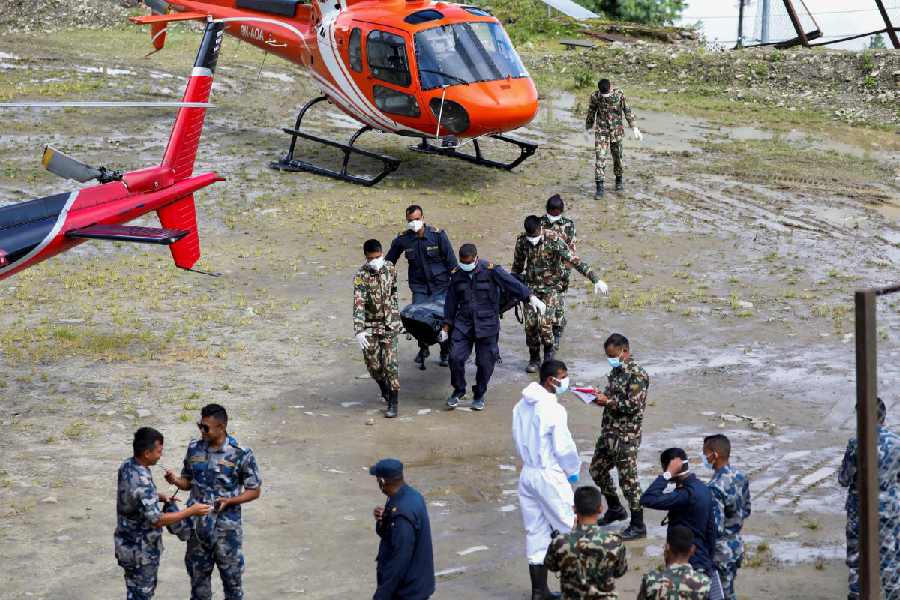
China temporarily moved rescue workers and vehicles to a safer place on Friday because of the danger.
Later, officials said the risk was manageable, so rescue work resumed and increased.
Engineers are studying the lake with aircraft and computer models.
They may dig a channel to let water drain more safely, but steep cliffs and unstable ground make this difficult.
Many people are still missing after the earlier flood, and more rain is expected.

China resumed and increased rescue operations Friday after officials judged the barrier lake’s risks manageable.
The lake formed after a glacier collapse upstream from the Gyirong border crossing on the China-Nepal border.
Its reservoir exceeded 2.5 million cubic metres, up from an earlier estimate of 1.5–2 million cubic metres.
An eight-member Chinese engineering team used aerial surveys and 3D modelling while considering a drainage channel.
Rain, unstable terrain and forecast inflows of 3 million cubic metres kept the risk of flooding, landslides and avalanches elevated.
- Who
- Chinese authorities, rescue personnel and an eight-member engineering team are responding; Nepal and China have warned about additional flooding.
- What
- A glacier-collapse barrier lake is threatening to overflow and cause further flooding and other secondary disasters.
- Where
- Upstream from the Gyirong border crossing, near and across the China-Nepal border in China’s Tibet region.
- When
- The lake risks were assessed as manageable by Friday afternoon, August 28; peak incoming flow was expected around September 1.
- Why
- The lake’s water level is rising, while rainfall and unstable cliffs, soil and rock could contribute to a breach or related disasters.
Risk Manageable
Continuing Threat
Rescue operations
Risk Manageable
Chinese authorities said the lake-related risks had become manageable by Friday afternoon, allowing rescue operations to resume and expand.
Continuing Threat
Earlier on Friday, authorities considered the danger serious enough to withdraw all Chinese rescue personnel and vehicles to a safe area.
Barrier-lake danger
Risk Manageable
Rescue work could continue after officials assessed that the immediate risk from the lake and related disasters was manageable.
Continuing Threat
The rising reservoir, expected inflow, rainfall and unstable terrain continued to create a risk of breaching, mountain collapses and avalanches.
Response strategy
Risk Manageable
A drainage channel could provide a way to release water more safely.
Continuing Threat
Engineers had not yet determined the channel’s required width and depth because water-flow speed and the lake’s filling rate remained uncertain.
Key facts
- Rescue operations
- China temporarily withdrew rescue personnel and vehicles to a safe area Friday morning, then resumed and increased operations after the risk was deemed manageable.
- Engineering team
- An eight-member Chinese team conducted aerial surveys and 3D modelling of the barrier lake.
- Lake reservoir
- The reservoir exceeded 2.5 million cubic metres on Friday, compared with an earlier estimate of 1.5–2 million cubic metres.
- Lake dimensions
- Earlier survey data estimated the lake at about 150 metres long and 40–50 metres deep.
- Expected inflow
- Authorities warned that 3 million cubic metres of water could enter the lake over three days, with peak flow expected around September 1.
- Potential intervention
- Engineers are considering excavating a drainage channel at a lower point of the debris dam.
- Human impact
- The official death toll on the Tibetan side was five, 558 people remained missing there, and nearly 1,000 were missing on both sides of the border.
Quotes
Chen Hanxiao
Engineer on the Chinese team monitoring the barrier lake
“After the glacier collapse created the lake, many isolated cliffs and steep cliffs appeared along its shoreline.”
 theprint.in
theprint.in
theprint.in
Sources
Related news
China Warns Nepal Barrier Lake Could Breach Within 72 Hours

Lake Burst Risk Eases After China-Nepal Glacier Collapse
China Halts Tibet Rescue as Landslide Lake Raises Flood Risk
Nepal and China Warn of Fresh Himalayan Flood Threats

Nepal Barrier Lake Breaches Banks, Raising Fresh Flood Threat

New Barrier Lake Raises Second Flood Risk In Nepal
Kailash Flood Tragedy Puts Sadhguru’s Safety Claims Under Fire
Nepal Flood Death Toll Tops 1,200 as Searches Continue
Satellite Radar May Strengthen Nepal's Flood Warning Systems
Nepal Plans New Landslide Warning System Along China Border

Nepal Thanks India as Glacial Disaster Rescue Efforts Continue