

5 days ago
Lake overflow on Nepal-China border halts rescue efforts

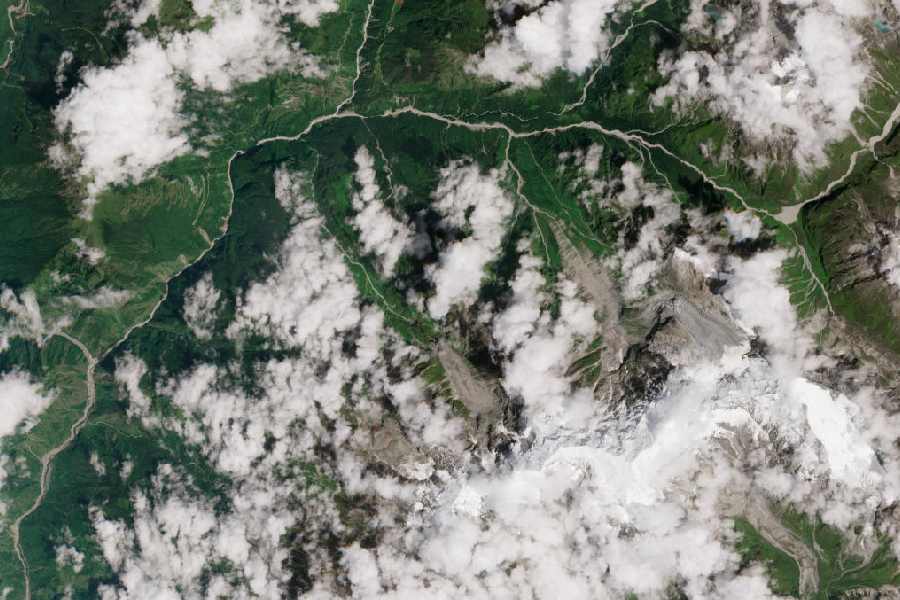
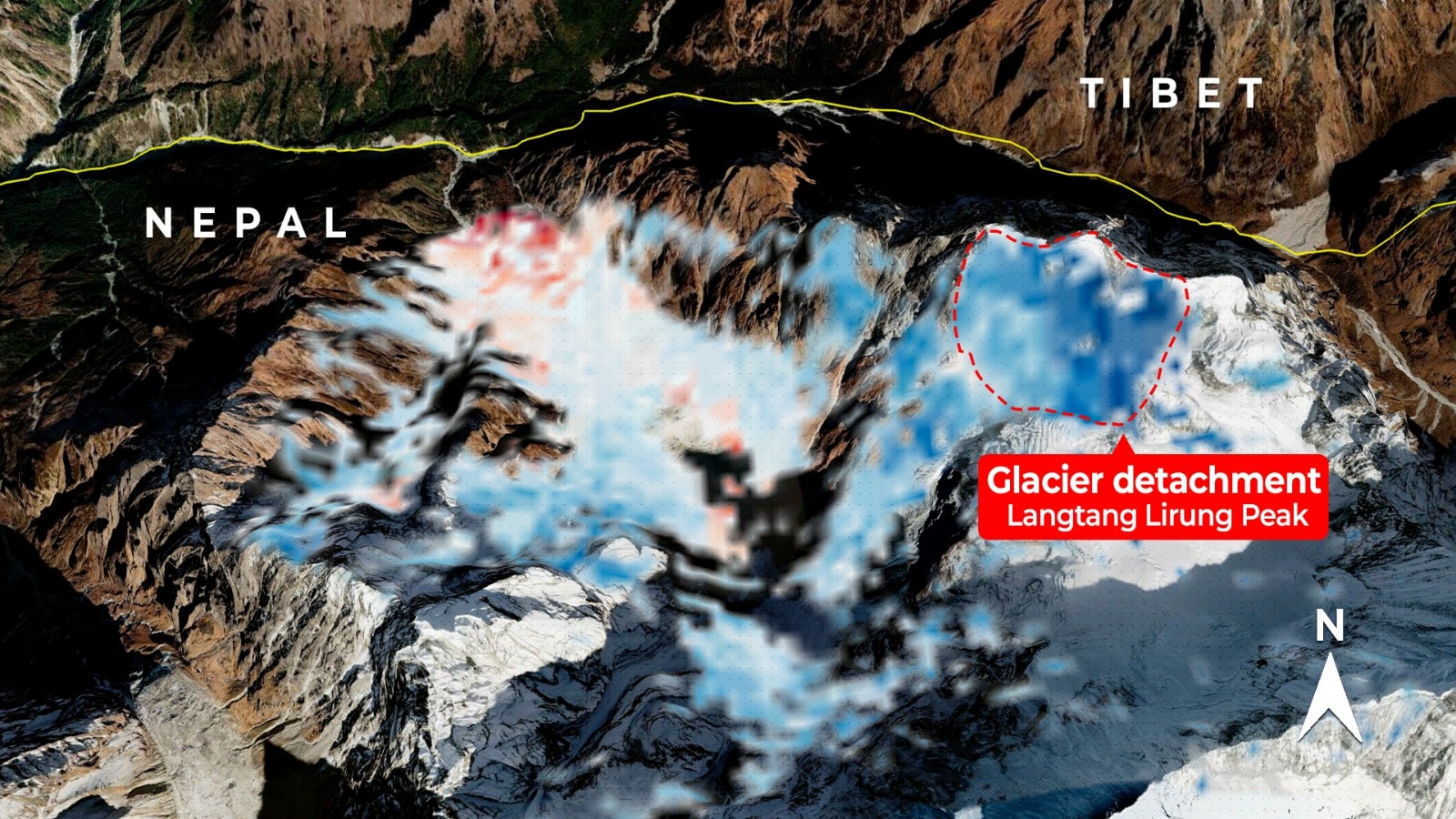
A glacier collapse caused a huge flood in the mountains between Nepal and China.
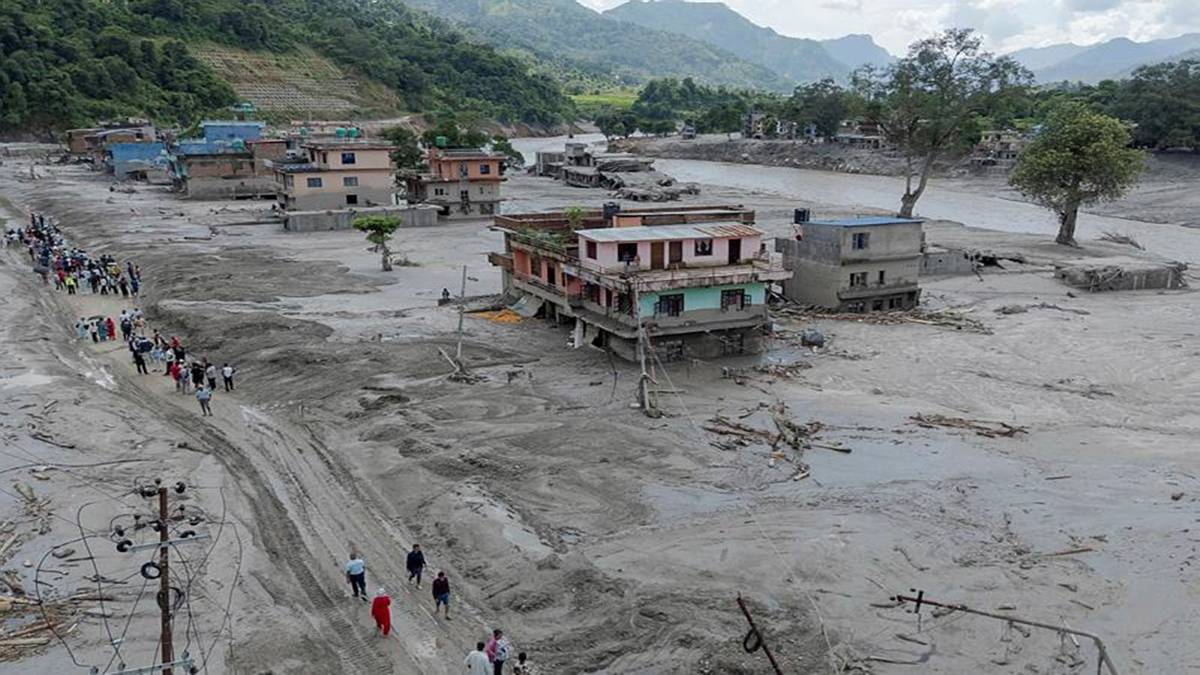
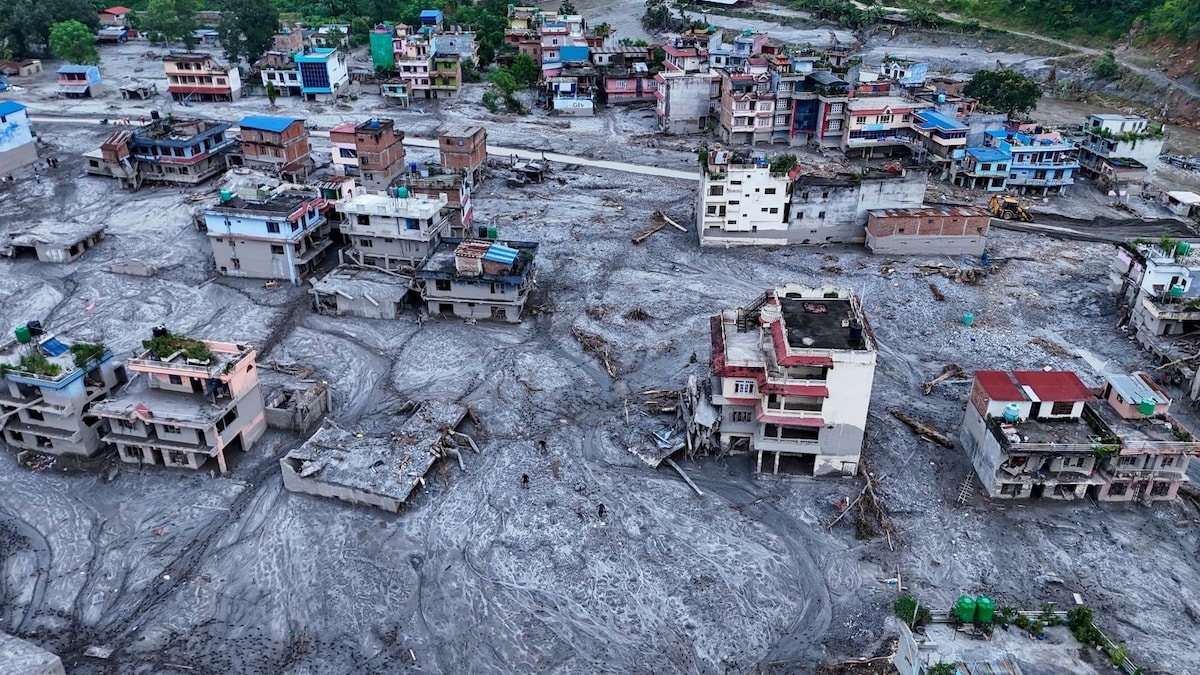
The flood destroyed roads, bridges, buildings and power stations.
It killed hundreds of people and left many others missing.
A lake formed when a landslide blocked water, and the lake began overflowing two days later.
This made people afraid that another flood could happen.
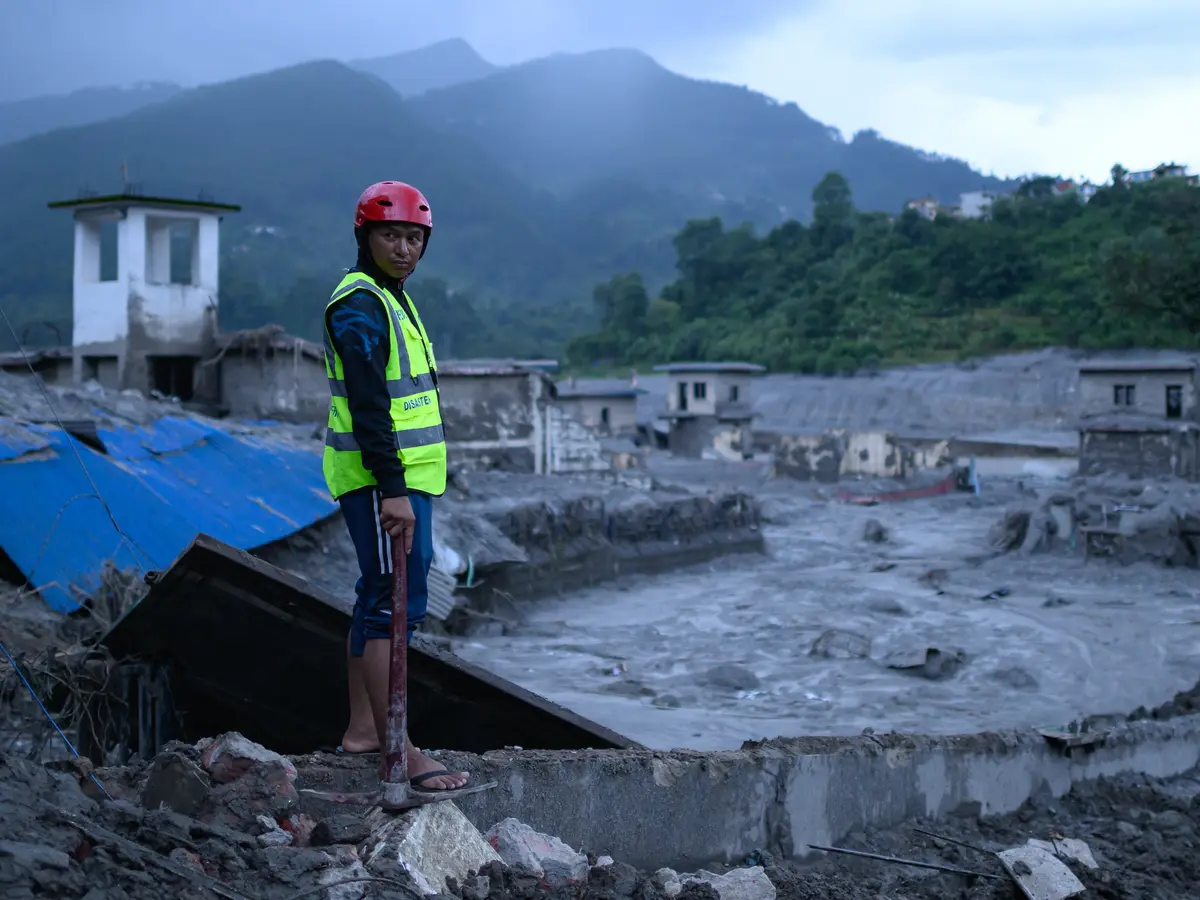
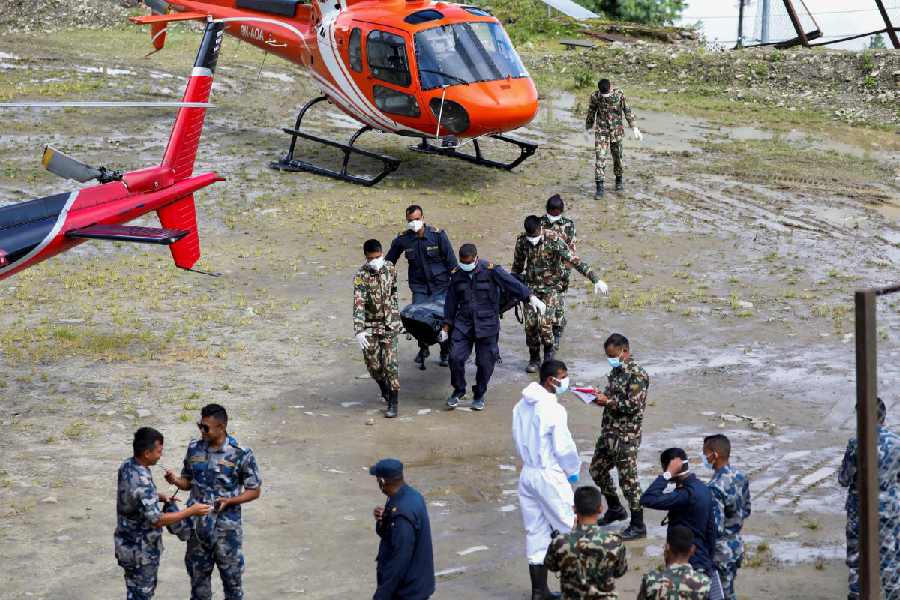
Rescue workers briefly moved to safer places and then resumed their work.
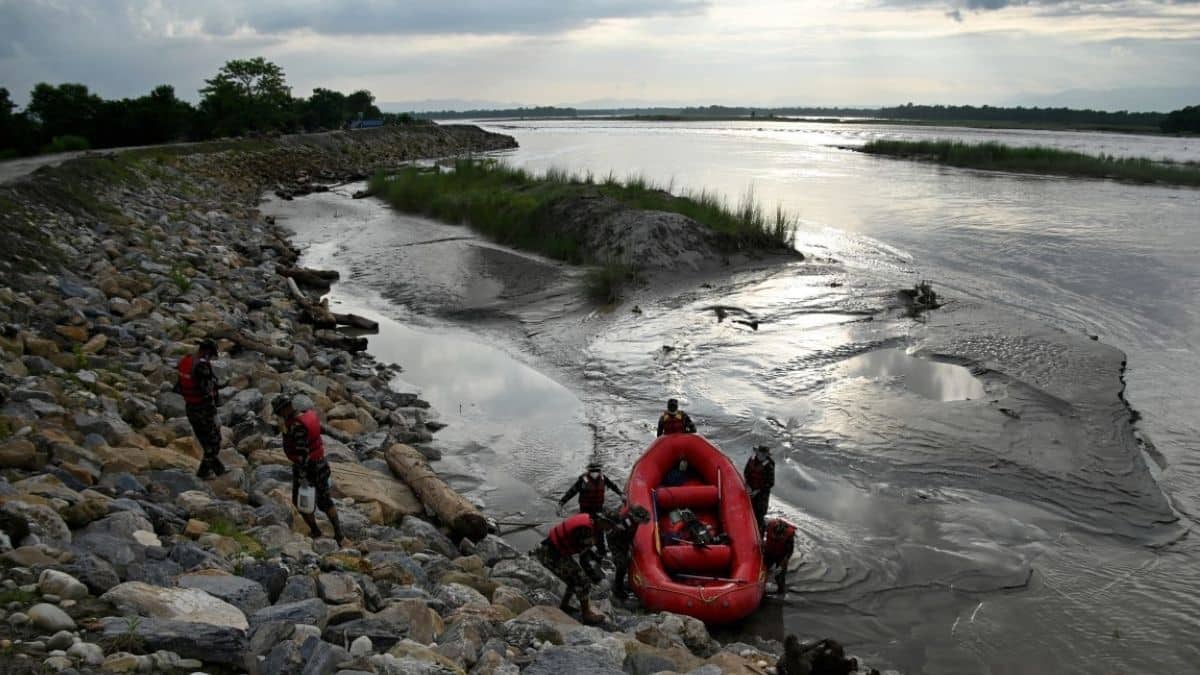
Nepal said its own security agencies were handling the searches for now.
China also ordered more rescue work and closer monitoring of dangerous glacier lakes and landslides.

A landslide lake on the Nepal-China border overflowed into the Bhotekoshi River on Friday.
Authorities temporarily halted rescue operations and warned people to move away from the river.
Wednesday’s glacier-collapse flood killed 489 people in Nepal and five in Tibet, with nearly 1,000 missing.
At least 540 missing people were foreigners, including pilgrims and trekkers traveling toward Tibet.
Nepal declined foreign search-and-rescue teams while China intensified monitoring and rescue coordination.
- Who
- Residents, rescue workers and authorities in Nepal and China were affected; Nepalese security agencies and Chinese rescue teams conducted operations.
- What
- A landslide-formed lake overflowed after a catastrophic flood caused by a glacier collapse, briefly disrupting rescue efforts.
- Where
- The incident occurred near Nepal’s Rasuwa district and China’s Tibet, with overflow entering the Bhotekoshi River.
- When
- The major flood occurred on Wednesday, and the lake overflowed on Friday, August 28.
- Why
- The glacier collapse and subsequent landslide created a dammed lake that accumulated water and then began overflowing.
Nepal’s national response
Foreign assistance offers
Who should conduct rescue operations?
Nepal’s national response
Nepal said its security agencies were conducting search-and-rescue operations and that foreign teams were not needed for the time being.
Foreign assistance offers
India, China, the United States, Britain, Japan, South Korea, Sri Lanka and Bangladesh offered assistance; a South Korean team was already in Kathmandu but had not been deployed.
Managing the immediate lake risk
Nepal’s national response
Nepal temporarily stopped rescue work, moved workers to safer areas and issued warnings as the lake overflowed.
Foreign assistance offers
Chinese authorities also withdrew personnel temporarily, but later resumed operations after judging the upstream lake’s risk manageable.
Key facts
- Deaths
- 489 people were killed in Nepal and five in Tibet, according to the report.
- Missing
- Almost 1,000 people were missing across Nepal and China; Tibet’s Gyirong County reported 558 missing.
- Lake volume
- The lake contained more than 2.5 million cubic metres of water on Friday, compared with an estimated 1.5-2 million cubic metres a day earlier.
- Rescue disruption
- Nepal halted rescue operations for about 90 minutes; Chinese rescuers and vehicles also withdrew temporarily.
- Foreign nationals missing
- At least 540 missing people were foreigners, including 260 reported missing in Gyirong County.
- Nepal’s position
- Nepal said it did not require foreign search-and-rescue assistance at that time.
- Affected route
- The flood damaged the route linking Kathmandu with Lhasa, which is used by trekkers and pilgrims.
Quotes
Narendra Pariyar
The senior bureaucrat in Nepal’s flood-hit Rasuwa district.
“Nobody’s ever seen anything quite like that, where very powerful, strong, well-built buildings were wiped out like they were toothpicks. It’s a terrible thing. We are sending aid and we’ve spoken to the leadership and we let them know anything they want, they’ll have.”
 theprint.in
“We have received a notice saying that the lake has broken its banks. But we do not know how big it is and how high is its water level. We can see that the level of water in the river is rising.”
theprint.in
Sources
Related news
Nepal Floods Kill 469 as Barrier Lakes Threaten New Deluge
Nepal-Tibet Flood Death Toll Reaches 691

Glacial Collapse Floods Nepal and Tibet, Leaving Thousands Missing
Nepal-China Glacier Collapse Leaves Hundreds Dead, Thousands Missing
Nepal and China Warn of Fresh Himalayan Flood Threats
China, Nepal Link Glacier Collapse to Deadly Border Floods
Satellite Radar May Strengthen Nepal's Flood Warning Systems
Nepal Plans New Landslide Warning System Along China Border

Nepal Thanks India as Glacial Disaster Rescue Efforts Continue
Nepal Warns of Heavy Rain After Deadly Floods
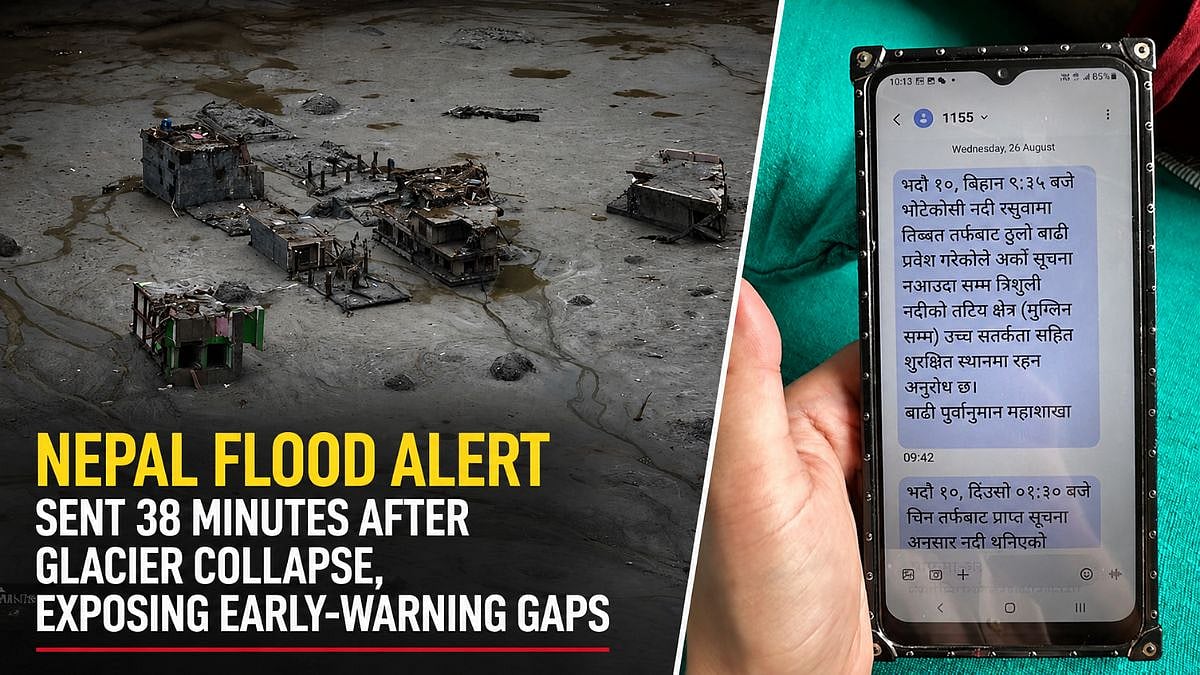
Nepal Flood Exposes Delayed Alerts and Cross-Border Warning Gaps