1 hr ago
Iran Faces Two Months of Fuel Amid Tightening US Sanctions
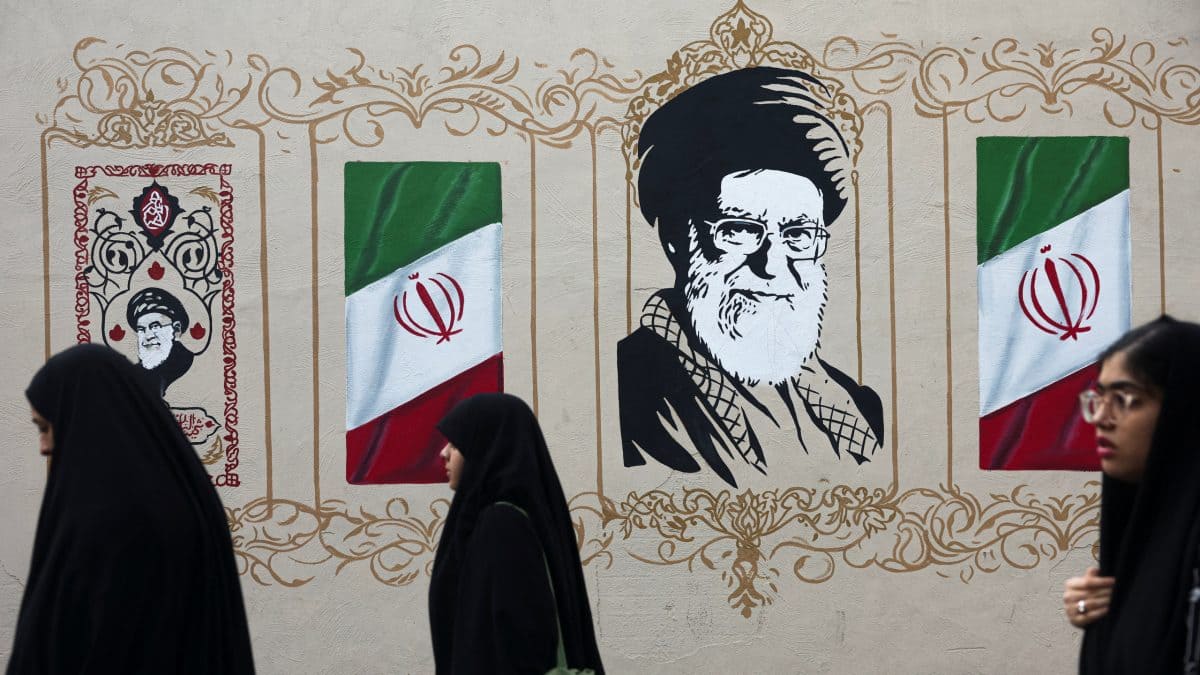
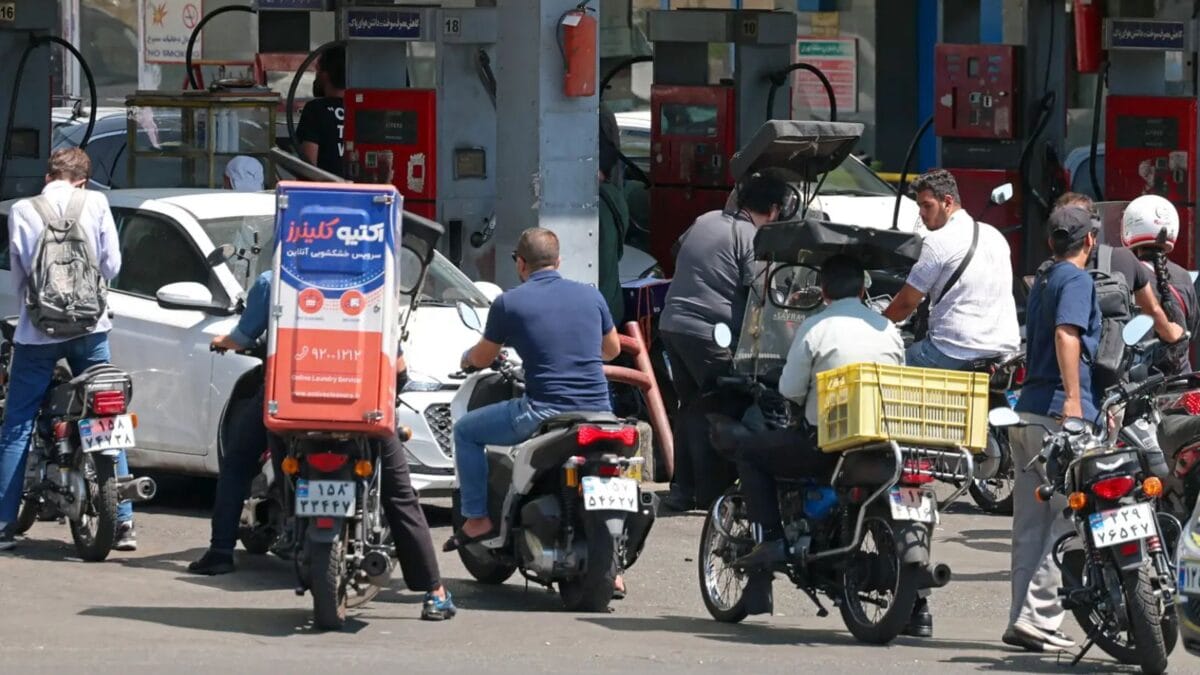
Iran is running low on fuel, with officials saying it may have about two months of reserves left.
The country’s refineries have been badly damaged, so Iran has had to buy gasoline from abroad.
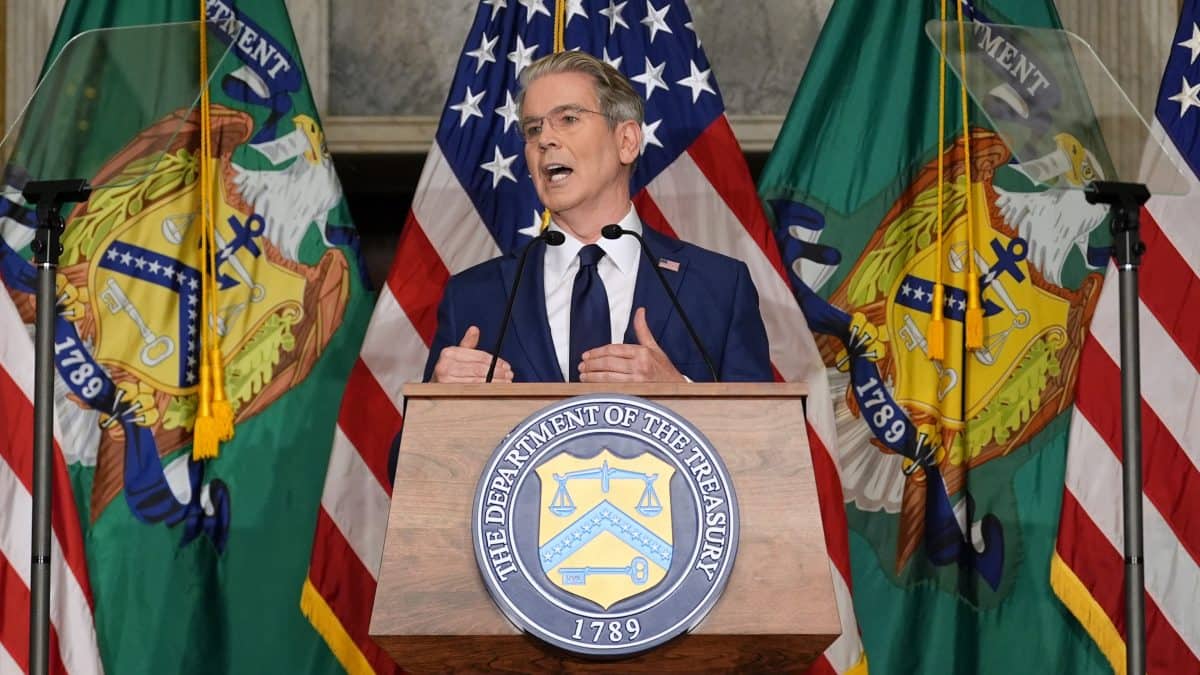
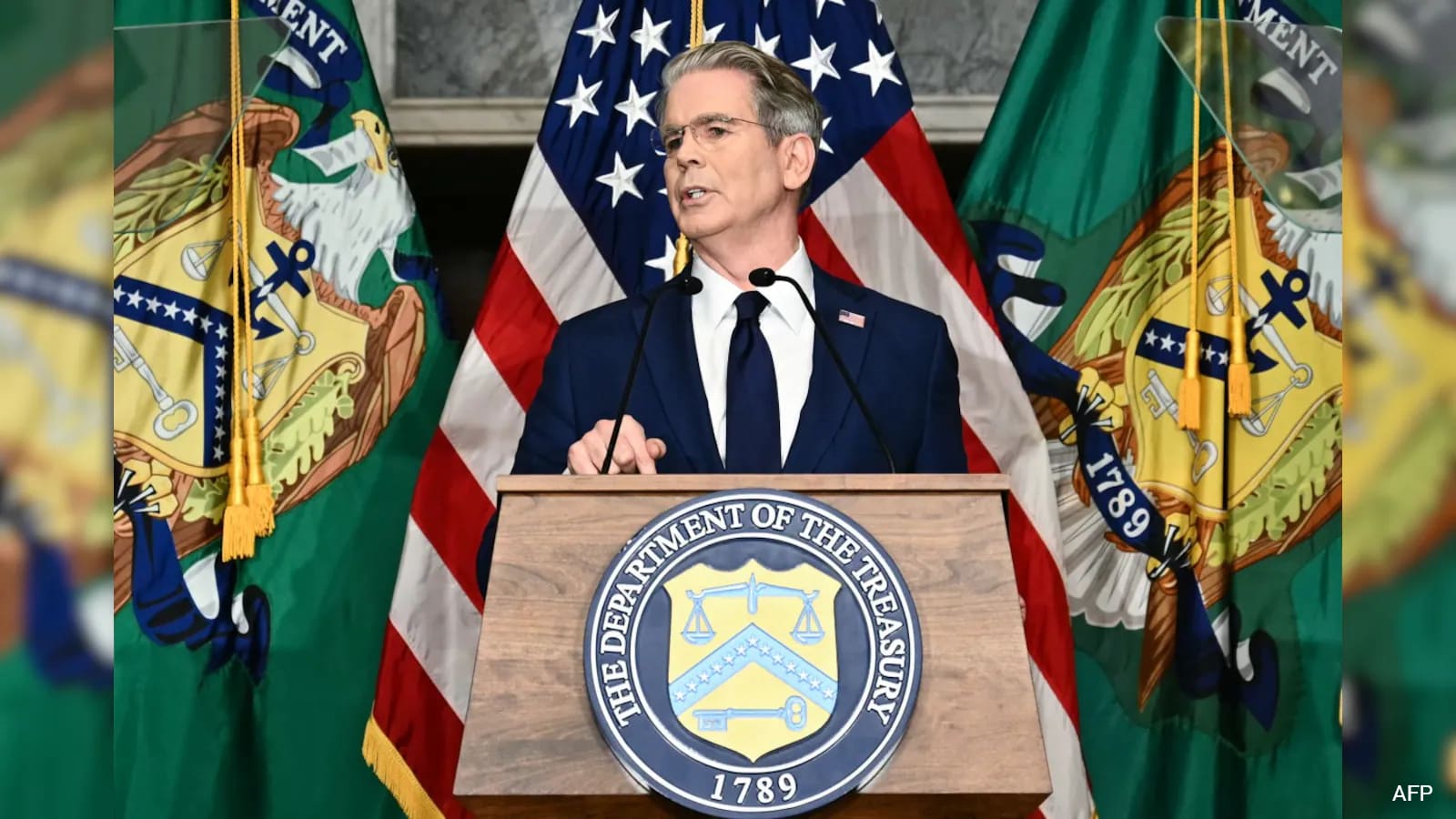
New US sanctions are making it harder for Iran to get money, trade internationally and sell oil.
The United States says its campaign is meant to pressure Iran’s government toward a peace agreement.
Iran has used smuggling networks and front companies to bypass sanctions, but officials say those methods are now less effective.
Iran’s currency has lost much of its value, making everyday goods more expensive.
Inflation is high, and many workers earn less than their households need to spend.
The situation could worsen if China also helps restrict Iran’s access to global economic networks.

A senior Iranian official told Reuters that Iran has about two months of fuel reserves remaining.
US secondary sanctions are restricting Iran’s access to cash, financing networks, foreign currency and oil exports.
Damage to Iranian refineries has reportedly forced Tehran to import gasoline while lacking funds for repairs.
Iran’s rial has fallen from roughly 1 million to more than 2.2 million per US dollar, while average inflation reached 69.9%.
The United Arab Emirates suspended financial dealings with Iran on August 19, while China’s possible cooperation with US pressure could deepen Tehran’s isolation.
- Who
- Iran, the United States, the United Arab Emirates and China are the main countries involved; US Treasury Secretary Scott Bessent and President Donald Trump announced or supported the sanctions campaign.
- What
- Iran is reportedly facing a severe fuel shortage and worsening economic conditions as US sanctions restrict its trade, finances and oil exports.
- Where
- Iran, with effects involving its international trade and financial relationships, including ties with the United Arab Emirates and China.
- When
- The report was published September 5, 2026; the UAE suspended financial dealings with Iran on August 19, and the latest sanctions push intensified in recent weeks.
- Why
- Washington is applying economic pressure to restrict Iran’s access to global networks and push Tehran toward a peace agreement, while damage to Iran’s refineries and reduced revenue have worsened the fuel shortage.
US Pressure Campaign
Iranian Economic Impact
Purpose of sanctions
US Pressure Campaign
US officials describe the campaign as an effort to economically isolate Iran, pressure its government and push Tehran toward a peace agreement.
Iranian Economic Impact
Iranian sources cited by Reuters describe the measures as making it harder for Tehran to buy goods, obtain foreign currency and maintain its economy.
Sanctions circumvention
US Pressure Campaign
Washington is expanding secondary sanctions against countries or entities that provide Iran with economic lifelines.
Iranian Economic Impact
Iran has relied on front companies, unregistered tankers and smuggling operations for decades, but Iranian officials say these networks have become largely ineffective because the costs are now too high.
China’s potential role
US Pressure Campaign
President JD Vance said China has been more responsible than Iran and may cooperate with US efforts to cut Tehran off from global economic networks.
Iranian Economic Impact
The article presents China’s possible cooperation as another potential source of economic isolation for Iran, though it does not report a finalized Chinese decision.
Key facts
- Reported fuel reserves
- About two months remaining, according to a senior Iranian official cited by Reuters.
- Inflation
- The 12-month average reached 69.9%.
- Currency decline
- The rial fell from about 1 million per US dollar to more than 2.2 million.
- Unemployment
- Reported at 9.1%.
- Average monthly salary
- About $125, reportedly less than one-third of basic household spending.
- United Arab Emirates action
- The UAE said on August 19 that it would suspend all financial dealings with Iran until further notice.
- US sanctions target
- Iran’s access to cash, international financing networks and oil exports.
Quotes
Ali Ansari
Modern history professor at St. Andrews University in Scotland
“I’m not saying they’re doing everything that we’ve asked them to do, but I think that the PRC has been much more responsible, certainly than the Iranians, and much more responsible than a couple of other nations as well.”
 news18.com
“They are under very, very severe economic pressure. They’re losing control of the Straits. It’s really a question of if they choose to negotiate and I think they’ll have to.”
news18.com
Sources
Related news

US Sanctions and Oil Blockade Deepen Iran’s Economic Crisis

Iran’s Economic Crisis Deepens as Food Prices Soar, Rial Falls
Iran Economy Strained as US Sanctions Intensify During War

Trump’s Economic Outcast Campaign Tests Iran Sanctions Strategy
U.S.-Iran War Stalemate Deepens Amid Sanctions and Strikes
US Expands Iran Sanctions, Threatening Partners With Dollar Cutoff

India Begins FY28 Budget Planning Amid Subsidy and Deficit Pressures

Jaishankar to Address UN General Assembly High-Level Session
CNG Prices Rise in Delhi Amid West Asia Gas Disruptions

Trump Backs Vance’s “Not a War” Description of Iran Conflict