1 week ago
Trump’s Economic Outcast Campaign Tests Iran Sanctions Strategy

The United States has started a new campaign to put more economic pressure on Iran.
It wants to stop Iran from trading and earning money around the world.
The campaign uses sanctions, including penalties against foreign companies that do business with Iran.
Iran has faced sanctions for many years and has learned ways to keep trading.
It uses middlemen and different shipping and trading routes.
China and other countries still have economic connections with Iran, making the campaign harder to enforce.
Iran’s economy is already suffering from restricted oil exports, inflation and a falling currency.
However, economic pain may not persuade Iran’s leaders to change their political and security policies.
The campaign’s success will depend partly on whether the United States can convince Iran’s trading partners to cooperate.

The Trump administration launched “Operation Economic Outcast” to sever Iran’s financial links with the global economy.
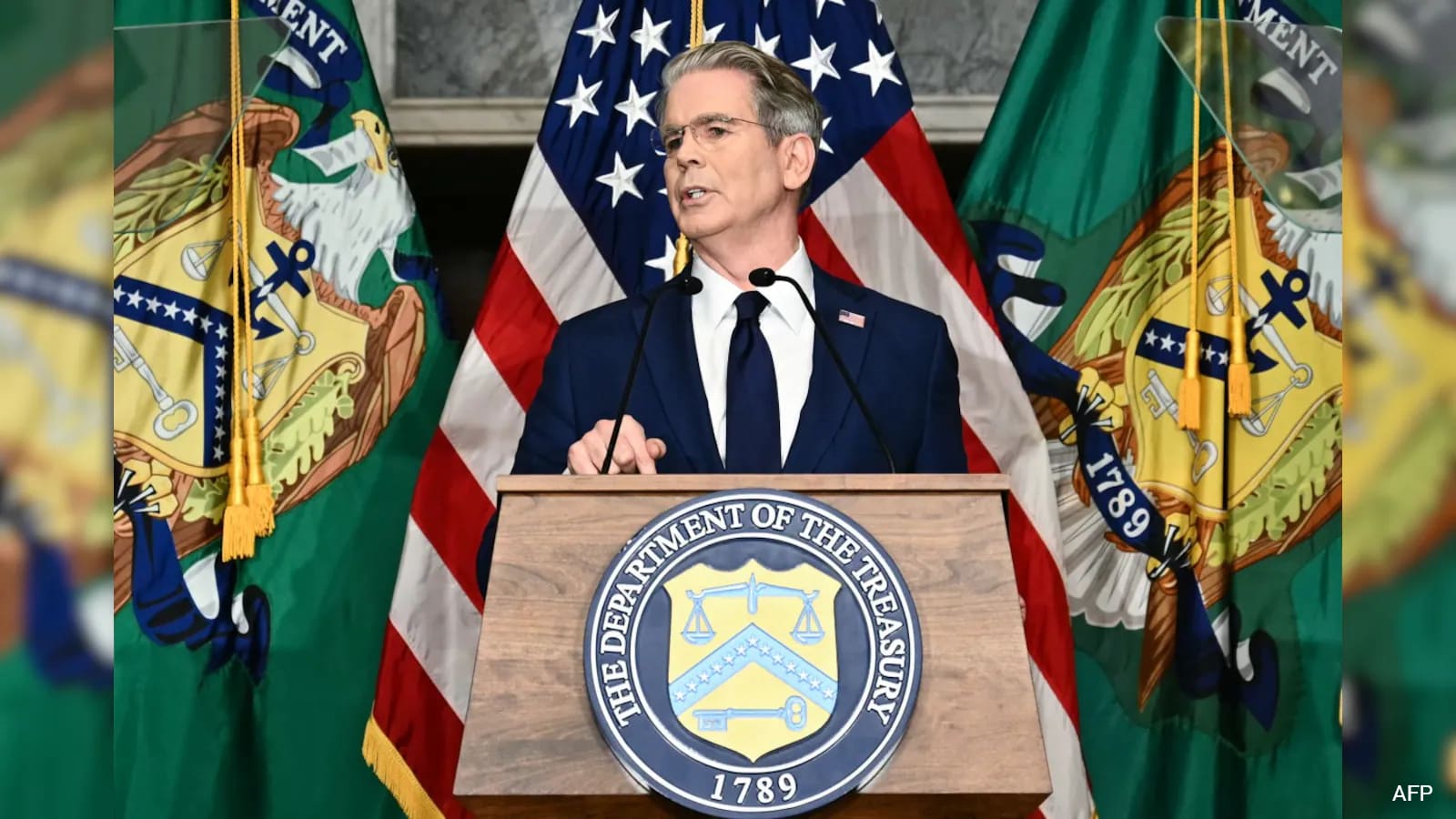
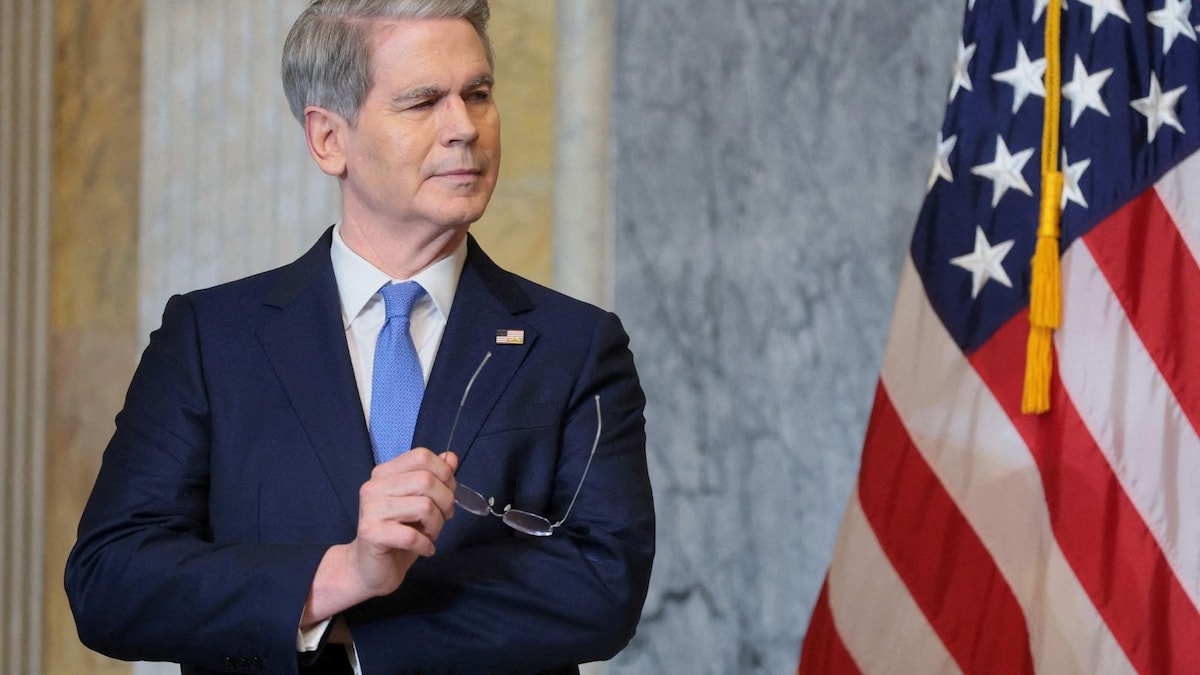
Treasury Secretary Scott Bessent said Iran must choose between global isolation and a return to normal economic relations.
Iran has used intermediaries, alternative trade routes and other methods to evade sanctions and maintain revenue.
China, India, Russia, Pakistan, Qatar and Turkey maintain economic ties with Iran, complicating enforcement.
Iran’s economy has worsened amid restricted oil exports, a sharply weakened rial, rising food prices and delayed public-sector salaries.
- Who
- The Trump administration, led on this effort by Treasury Secretary Scott Bessent, is targeting Iran and entities that continue trading with it.
- What
- The United States launched “Operation Economic Outcast,” an expanded sanctions campaign intended to isolate Iran economically.
- Where
- The campaign targets Iran’s financial and trading links with the global economy, including transactions involving countries such as China, India, Russia, Pakistan, Qatar and Turkey.
- When
- The campaign was unveiled on Monday; the administration is expected to use expanded secondary sanctions at least through the U.S. midterm elections.
- Why
- Washington says it wants to cut Iran’s economic lifelines and force Tehran either into deeper isolation or toward a return to normal economic relations.
U.S. administration’s position
Iranian resilience and external trade
Purpose of sanctions
U.S. administration’s position
The administration says intensified sanctions can sever Iran’s economic lifelines, end the Iranian threat and compel Tehran to choose between isolation and normal economic relations.
Iranian resilience and external trade
Iran has endured sanctions for years without fundamentally changing its regional policies or nuclear position, suggesting economic pressure may not force political concessions.
Ability to enforce the campaign
U.S. administration’s position
The Treasury says it has mapped the networks, facilitators and nodes used to move Iranian oil and evade sanctions.
Iranian resilience and external trade
Iran’s intermediaries and alternative routes, along with continued commercial ties with countries such as China and India, may allow trade to continue despite tougher sanctions.
Economic pressure and political stability
U.S. administration’s position
U.S. officials say Iran’s weakened economy is affecting oil exports, basic services and public-sector pay, increasing pressure on the government.
Iranian resilience and external trade
Iranian officials acknowledge economic weakness but have continued emphasizing national strength and resistance, while warning that shortages could threaten the Islamic Republic’s stability.
Key facts
- Campaign name
- Operation Economic Outcast
- U.S. objective
- Sever Iran’s financial links and economic lifelines, according to Scott Bessent.
- Main enforcement tool
- Secondary sanctions against foreign companies and entities doing business with Iran.
- Iran’s sanctions-evasion methods
- Alternative trading routes, intermediaries and methods of accessing foreign currency.
- Major trading partner
- China remains a major buyer of Iranian oil, according to the article.
- Reported currency rate
- The rial fell to around 2 million to the U.S. dollar on Monday.
- Reported economic pressures
- Restricted oil exports, higher food prices and reported difficulty paying some public-sector salaries.
Sources
Related news
US Expands Iran Sanctions, Threatening Partners With Dollar Cutoff
US Launches Operation Economic Outcast to Isolate Iran Economically
US Launches Operation Economic Outcast, Warning Iran Trade Partners
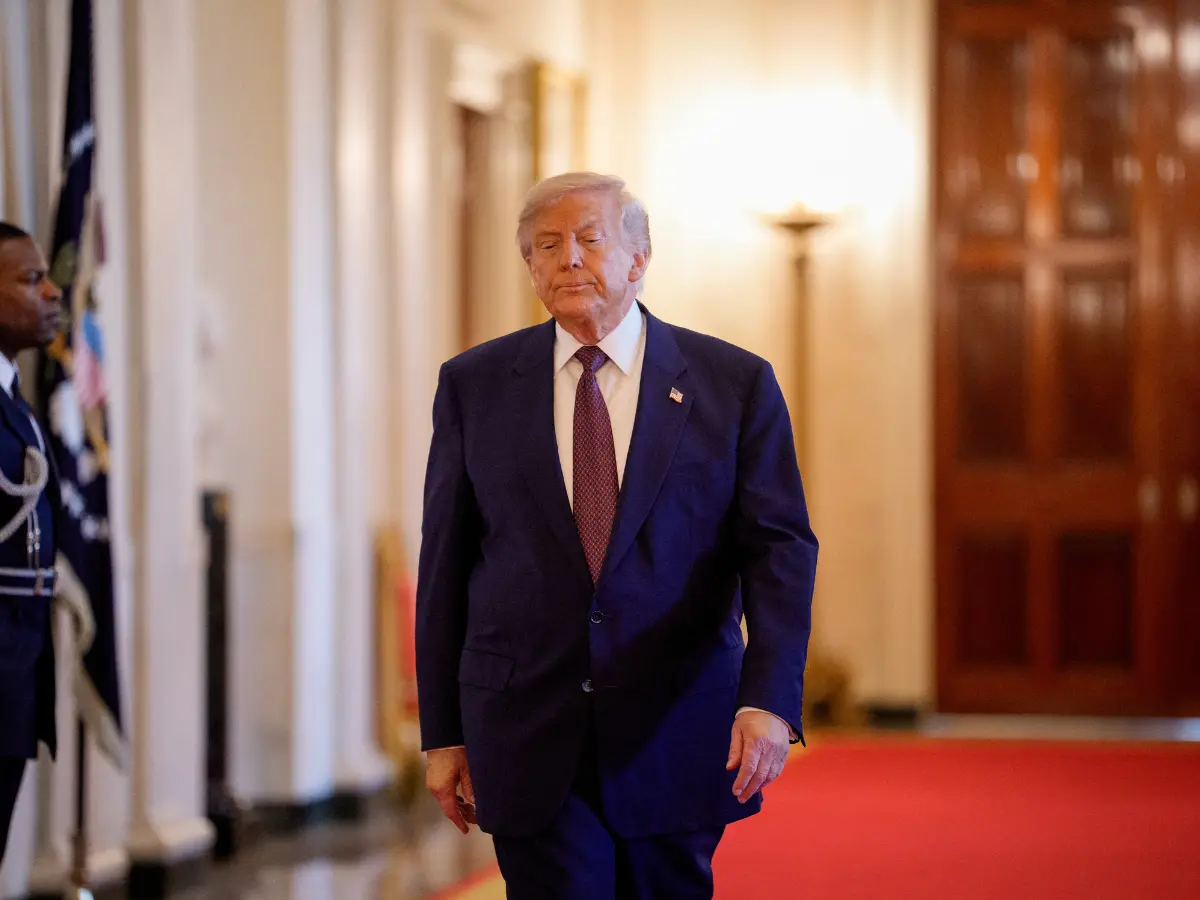
Trump Unveils Iran Sanctions, Threatening Global Economic Ties
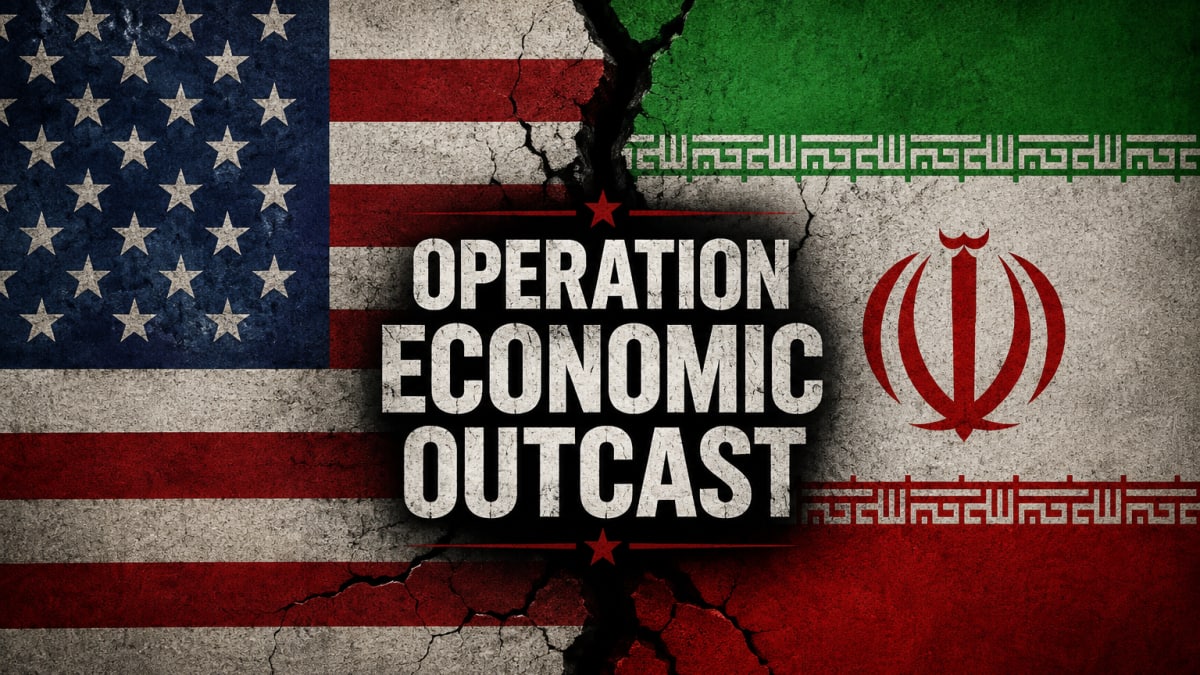
United States Launches Operation Economic Outcast to Isolate Iran

Trump Threatens Economic D-Day Against Iran and Its Partners

RBI Governor Meets US Fed Chief Kevin Warsh at G20
Indian Firms Invest $40 Billion in U.S., Supporting Jobs
Trump Aides Seek Quiet Iran War Before Midterm Elections
Global Bond Sell-Off Pushes Japan Yields To 30-Year High

US and China Hold Quiet Talks Over Iran Conflict