

2 hrs ago
U.S.-Iran War Stalemate Deepens Amid Sanctions and Strikes
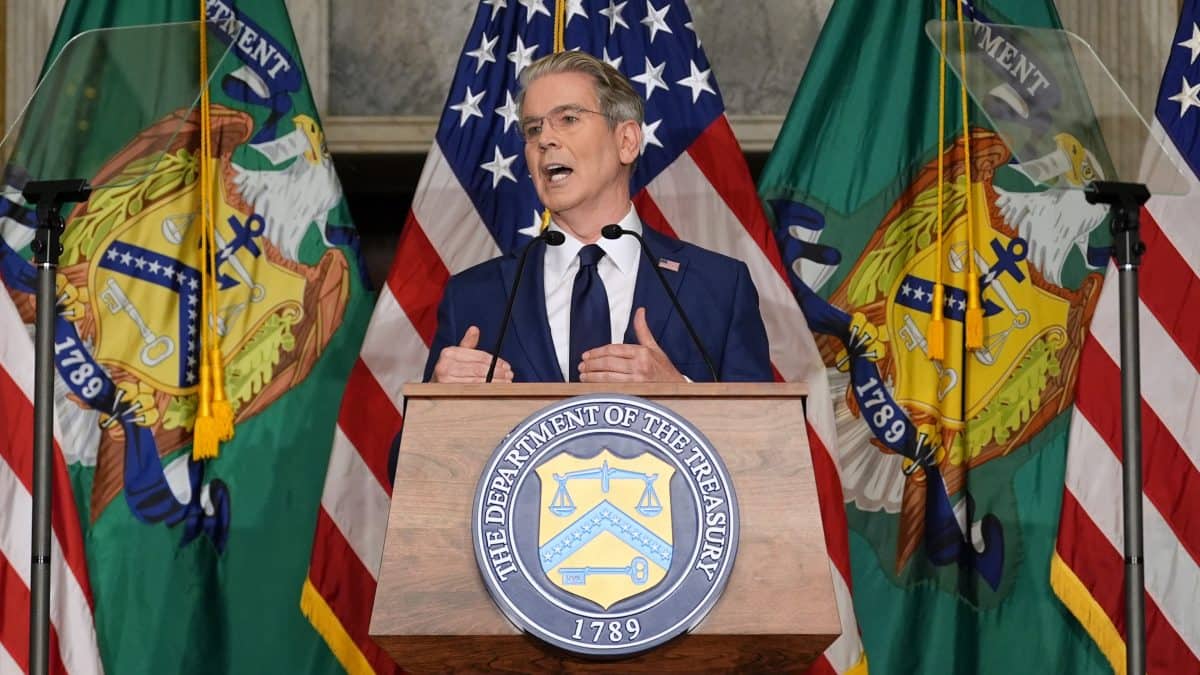
The United States and Iran have been fighting and arguing for several months.
The United States wants to cut off Iran’s oil money and pressure its leaders to negotiate.
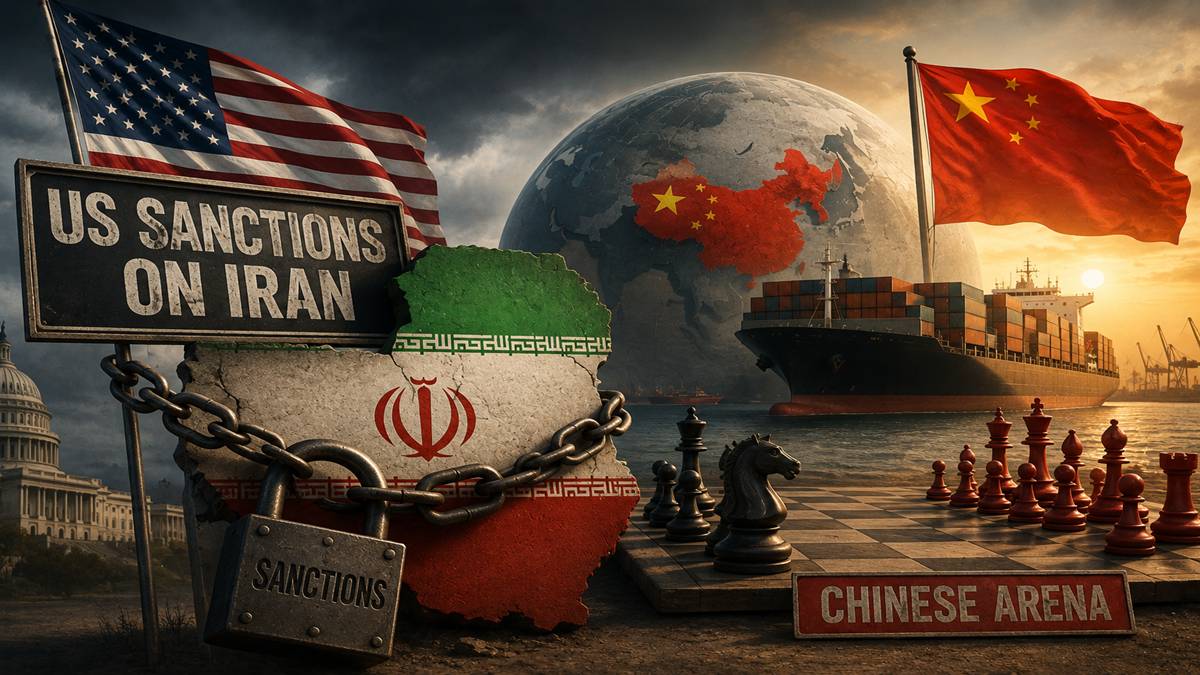
China still buys much of Iran’s oil and says it will not accept the new sanctions.
Russia is also continuing to support Iran economically and militarily.
Ships and military bases near the Strait of Hormuz have come under attack.
The United States has responded with airstrikes but has so far avoided a much larger campaign.
Iran’s oil exports and economy are under increasing pressure.
Some countries are using private talks to try to stop the fighting.
The article says the conflict may continue unless the United States and Iran return to negotiations.

U.S. Treasury Secretary Scott Bessent announced Operation Economic Outcast to target Iran’s oil-smuggling networks and revenue sources.
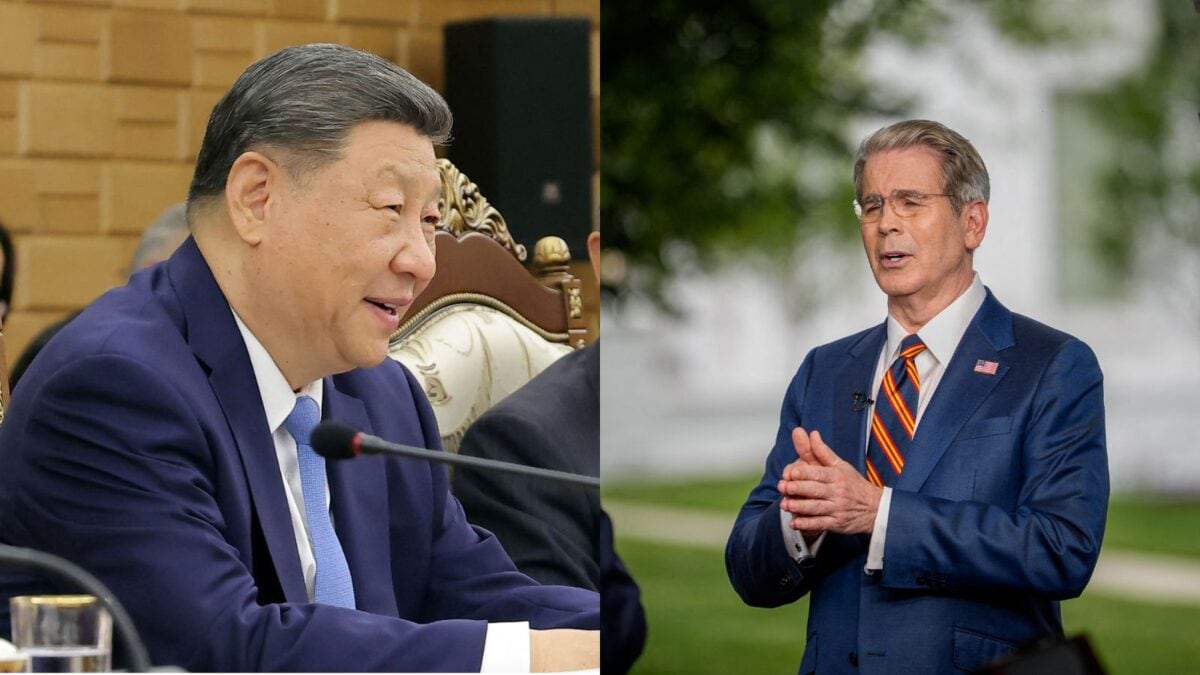
China rejected unilateral sanctions and warned it would protect its commercial cooperation and interests with Iran.
Fighting has intensified around the Strait of Hormuz, with attacks on tankers, U.S. bases and Iranian targets reported.
Iranian oil exports reportedly fell from about one million barrels per day to less than 500,000 barrels per day after August 24.
Backchannel diplomacy continues, but the article says neither expanded sanctions nor military pressure is likely to bring Iran quickly back to negotiations.
- Who
- The United States, Iran, China, Russia and Gulf-region states are the main actors; Donald Trump and Scott Bessent are identified as leading U.S. officials.
- What
- The United States is tightening sanctions and maintaining a naval blockade against Iran while military attacks and retaliatory strikes continue.
- Where
- The conflict is centered on Iran, the Strait of Hormuz and nearby waters, with attacks also reported in Jordan, Kuwait, Bahrain, the United Arab Emirates and northern Iraq.
- When
- The article describes developments during the war’s seventh month, including events through August 24 and the period before U.S. midterm elections in November.
- Why
- Washington says sanctions are intended to cut funding for Iran’s government and the Islamic Revolutionary Guard Corps and force negotiations; Iran is seeking to resist pressure and impose political and economic costs on the United States.
U.S. pressure and restraint
Iranian resistance and retaliation
Purpose of sanctions
U.S. pressure and restraint
The United States presents Operation Economic Outcast as a way to block revenue funding Iran’s government and the Islamic Revolutionary Guard Corps and bring Tehran back to negotiations.
Iranian resistance and retaliation
Iran continues selling oil, resisting U.S. demands and using military escalation to challenge the blockade and pressure Washington into a ceasefire or renewed agreement.
Military strategy
U.S. pressure and restraint
The Trump administration has combined a naval blockade and limited strikes with efforts to avoid a wider conflict, including the return of diplomatic personnel to regional embassies.
Iranian resistance and retaliation
Iran has attacked tankers, U.S. bases and regional targets after U.S. actions, while the article says Tehran may escalate at a time of its choosing.
International support
U.S. pressure and restraint
The sanctions strategy depends on isolating Iran and restricting its access to revenue from oil sales.
Iranian resistance and retaliation
China rejects the sanctions as unauthorized unilateral measures, while Russia continues economic support and provides satellite imagery to Iran, limiting the effectiveness of U.S. pressure.
Key facts
- U.S. sanctions initiative
- Treasury Secretary Scott Bessent called the campaign Operation Economic Outcast.
- Main oil buyer
- The article says China receives as much as 90% of Iran’s oil exports through independent refineries.
- Pre-war Hormuz transit
- Oil transit through the Strait of Hormuz averaged about 20 million barrels per day before the war.
- August Hormuz flow
- Tanker-tracking data cited in the article estimated August flows at between 4 million and 10 million barrels per day.
- Iranian exports after August 24
- The article says Iran exported less than 500,000 barrels per day after August 24.
- Reported U.S. strike
- The United States bombed Iranian rocket launchers on Larak Island after Iran allegedly attempted to lay sea mines near Oman.
- Diplomatic efforts
- Backchannel diplomacy reportedly continues through visits by officials from Pakistan, Oman and Qatar to Tehran.
Quotes

Scott Bessent
US Treasury Secretary who announced the sanctions strategy against Iran
“will tighten the noose and block every potential source of revenue that funds the IRGC and the evil Iranian regime”
 firstpost.com
“every node, every facilitator, and every network that Iran has used to smuggle oil and evade sanctions”
firstpost.com
Sources
Related news

Trump’s Economic Outcast Campaign Tests Iran Sanctions Strategy
US Sanctions on Iran Shift Pressure Toward China and India

Trump Threatens Economic D-Day Against Iran and Its Partners
Trump Seeks China’s Help for Crushing Economic Pressure on Iran
Trump Unveils Iran Sanctions, Threatening Global Economic Ties
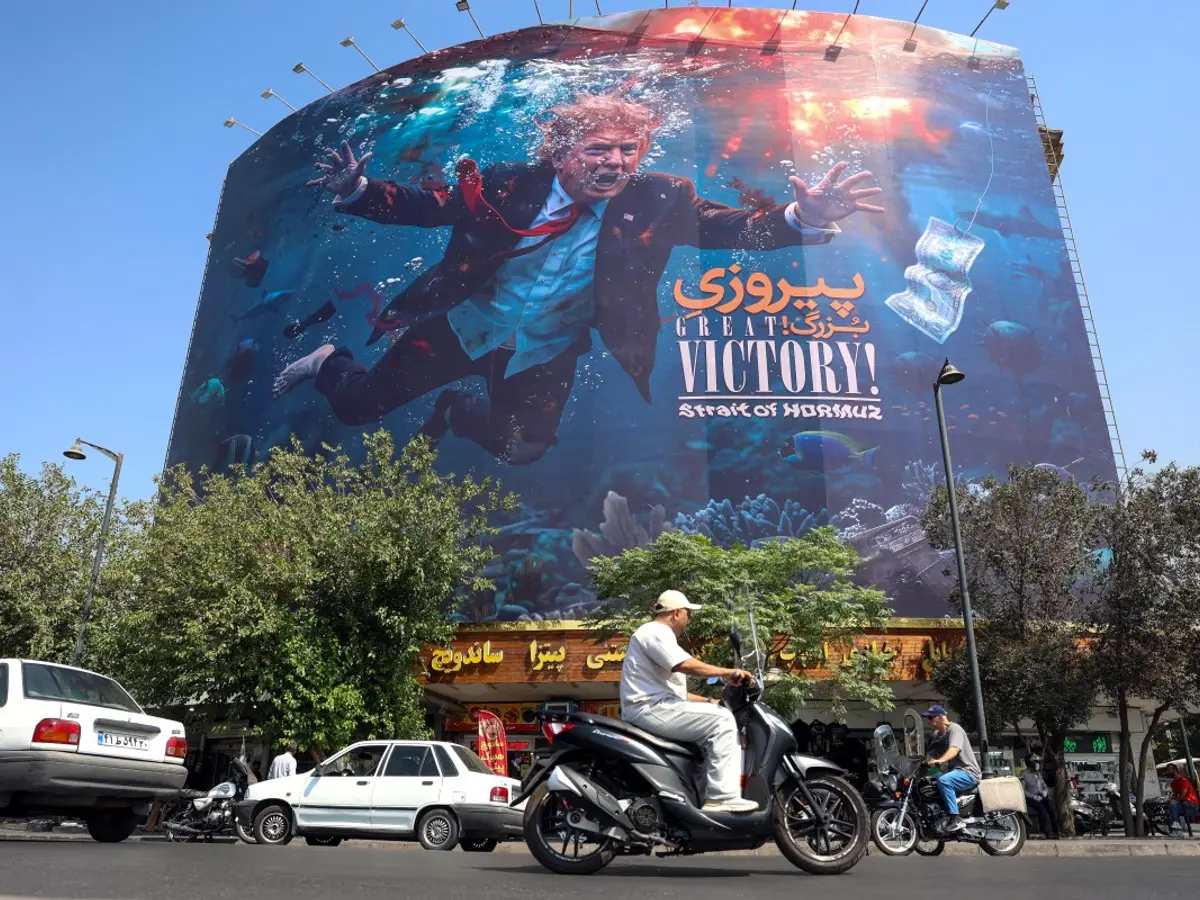
Trump’s Iran Sanctions Face Test of China’s Resolve
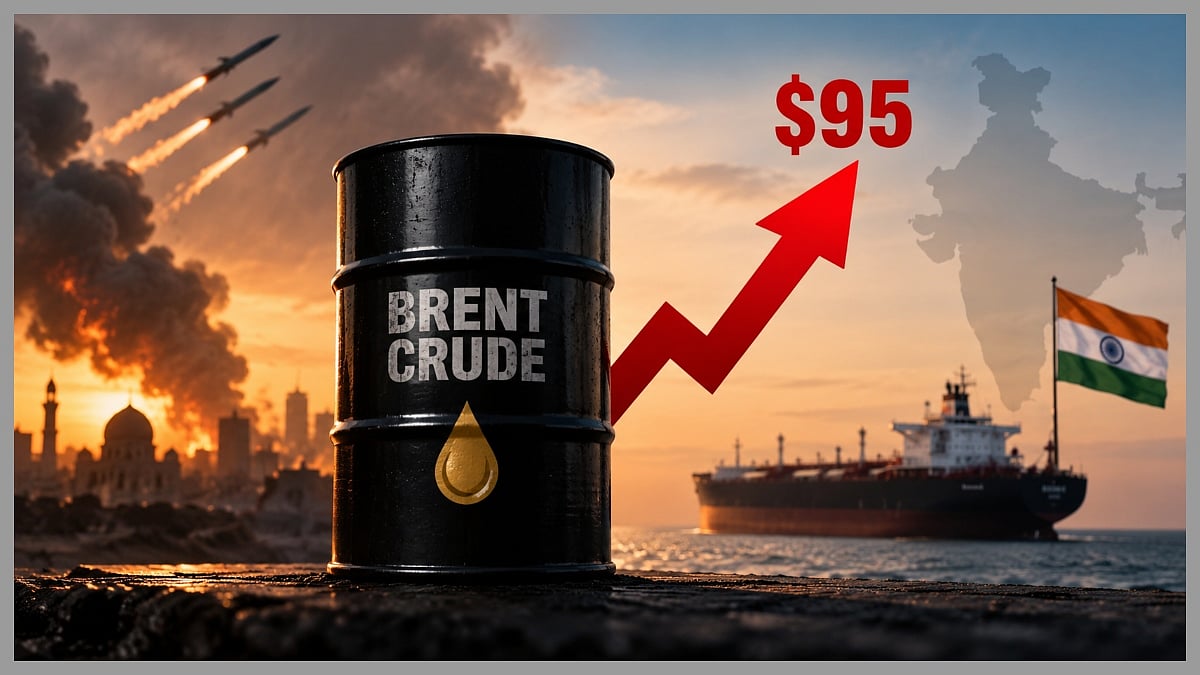
Brent Crude Tops $95, Raising India’s Oil Import Concerns
Rupee Gains as Inflows Support Currency Despite Oil Risks
CLSA Favors ONGC and Oil India as Crude Tightens
South Korea Weighs Military Deployment to Strait of Hormuz
