1 hr ago
India Begins FY28 Budget Planning Amid Subsidy and Deficit Pressures

India has started planning its government budget for the year after FY27.
The Finance Ministry asked government departments to estimate their spending more carefully.
This is meant to reduce the need to move money between programmes during the year.
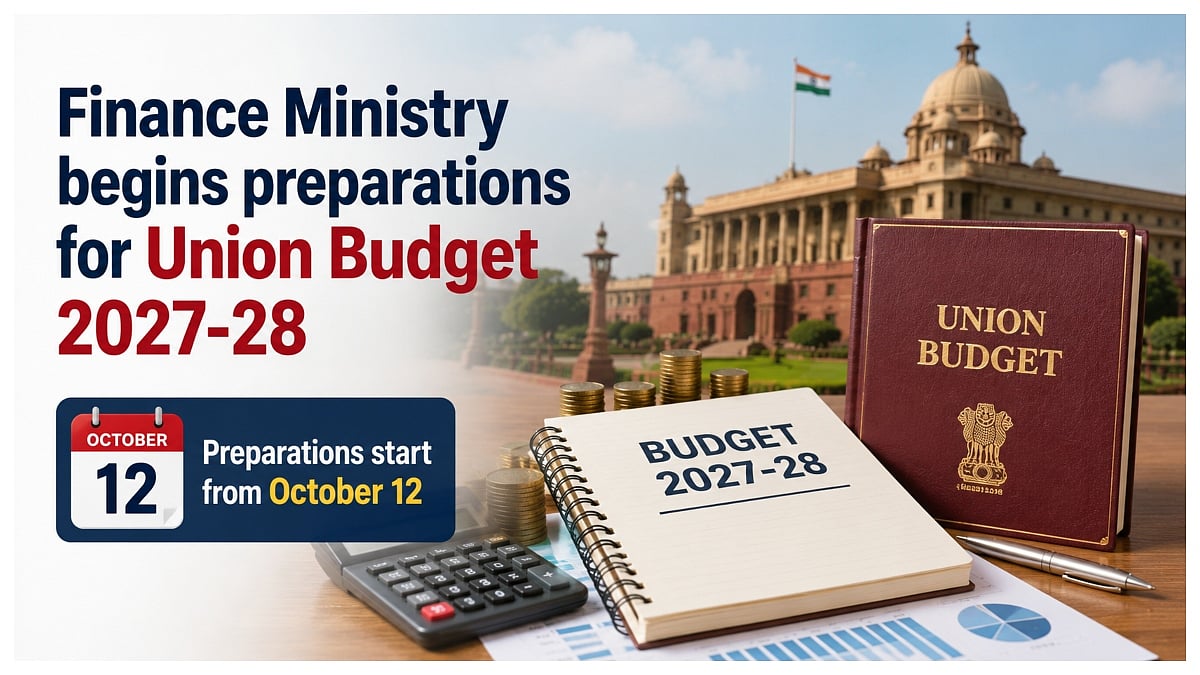
Meetings with farmers, businesses and social-sector groups will begin on October 12, 2026.
A conflict in West Asia has raised the prices of some important goods, including fertiliser and fuel.
That could make government subsidies more expensive.
The government has already spent a large share of its planned infrastructure budget in the first three months of FY27.
An economist expects the next budget to be somewhat larger while the deficit declines only gradually.

The Ministry of Finance has begun preparing India’s FY28 Union Budget and requested realistic FY27 revised estimates and FY28 projections from ministries.
Departments were told to improve expenditure estimates, avoid frequent mid-year reallocations and align requested allocations with competent-authority approvals.
Pre-Budget consultations with agriculture, MSMEs, industry and social-sector stakeholders are scheduled to begin on October 12, 2026.
Higher commodity prices linked to the West Asia crisis could increase fertiliser and food subsidy costs during FY27.
Economist Madan Sabnavis expects the FY28 Budget to grow 4-5%, with the fiscal deficit easing gradually toward about 4%.
- Who
- The Ministry of Finance, Union government ministries and departments, stakeholders, and economist Madan Sabnavis.
- What
- The FY28 Union Budget exercise has begun, alongside reviews of FY27 spending, revenues and subsidy pressures.
- Where
- India, through the Union government and its Ministry of Finance.
- When
- The exercise has begun; consultations are scheduled to start on October 12, 2026, while the spending figures cover the first three months of FY27.
- Why
- To obtain realistic spending projections, limit mid-year fund reallocations and respond to higher subsidy costs and commodity prices.
Key facts
- FY27 capital expenditure budget
- Rs 12.21 trillion; 28% was spent in the first three months, compared with about 24.5% a year earlier.
- FY27 total receipts
- About Rs 36.5 trillion budgeted; nearly 29% was received in the first three months.
- FY27 total expenditure
- About Rs 53.4 trillion in the Controller General of Accounts data; roughly 25.4% was spent in the first three months.
- Fertiliser subsidy
- More than half of the Rs 1.70 trillion FY27 budget had reportedly been used.
- Food subsidy
- The bill could exceed the Rs 2.28 trillion FY27 estimate and reach about Rs 2.5 trillion.
- FY28 Budget outlook
- Madan Sabnavis expects the overall Budget size and capital expenditure to rise by about 4-5%.
- Fiscal deficit outlook
- The deficit could decline from about 4.3% toward 4%, according to Sabnavis; the article also cites total FY27 spending as Rs 53.5 trillion elsewhere.
Quotes
Madan Sabnavis
Chief economist at Bank of Baroda
“When I say 4 per cent, what I mean is that the fiscal deficit could be around 0.2-0.3 percentage points lower than the revised estimate (for FY27).”
 rediff.com
“While the deficit could come down from around 4.3 per cent to about 4 per cent, there is unlikely to be anything dramatic.”
rediff.com
Sources
Related news
India’s FY28 Budget Process to Emphasize Realistic Estimates, Discipline
Finance Ministry Begins 2027-28 Budget Preparations Amid Economic Uncertainty
Government Begins Preparations for India’s Union Budget 2027-28

India's Fertiliser Subsidy Budget Rapidly Depleted by Global Price Surge
Union Budget 2027-28 Preparations Begin as Circular Issued
Fiscal Deficit Seen Near 4.3% Despite West Asia Shock

Jaishankar to Address UN General Assembly High-Level Session
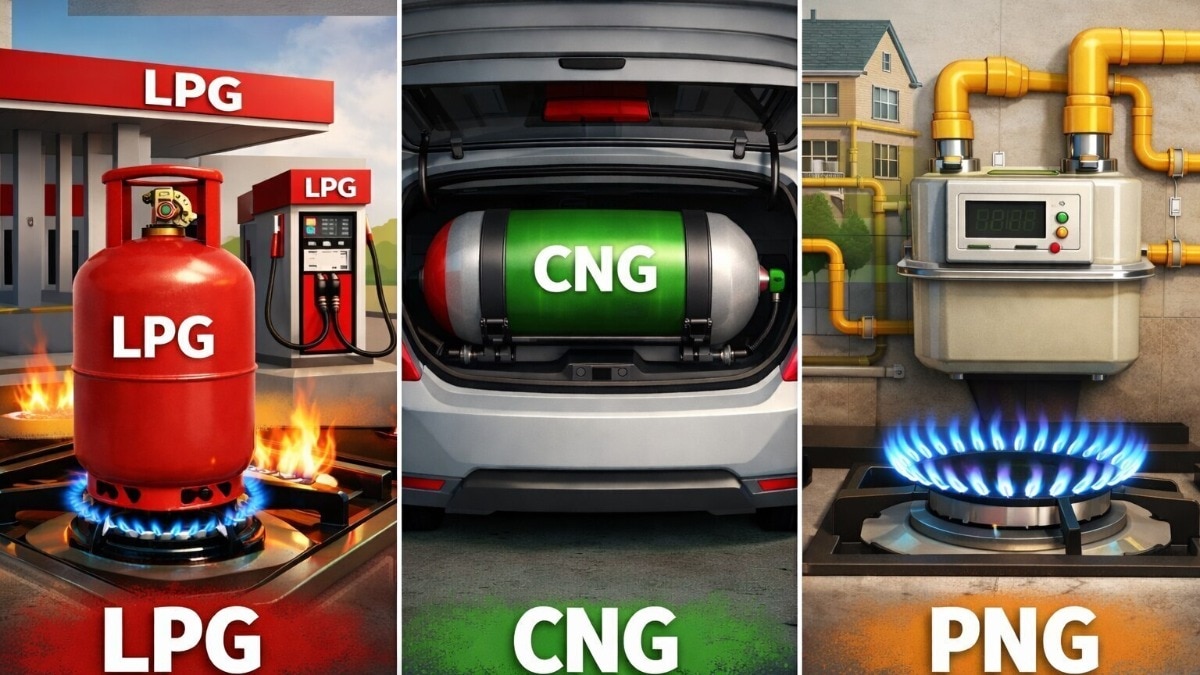
CNG Prices Rise in Delhi Amid West Asia Gas Disruptions

Trump Backs Vance’s “Not a War” Description of Iran Conflict

Iran Faces Two Months of Fuel Amid Tightening US Sanctions