1 week ago
Experts Say Rising H1N1 Cases Are Seasonal, Not New

More people in India are getting H1N1 flu right now.
Health experts say this happens during the rainy season and can continue into winter.
They say there is no new or unusually dangerous strain spreading.
Better testing is also helping doctors find and report more cases.
Flu can cause fever, body aches, sore throat, headache and tiredness.
Most people get better with rest, paracetamol and plenty of fluids.
Some people, such as older adults, very young children and pregnant women, can become more seriously ill.
People with weaker immune systems should be especially careful.

Former WHO Chief Scientist Soumya Swaminathan said the rise in H1N1 cases is a seasonal influenza increase, not a new outbreak.
The Indian Council of Medical Research said no new Influenza A (H1N1) strain has been detected in India.
Swaminathan linked current cases to the H1N1 Michigan strain, which she said has circulated since the 2009 pandemic.
ICMR said circulating viruses resemble the A/Missouri/11/2025 (H1N1) pdm09-like strain and match recommended Northern Hemisphere vaccine strains.
Most people recover within about a week, while older adults, young children, pregnant women and immunocompromised people face higher complication risks.
- Who
- Former World Health Organisation Chief Scientist Dr Soumya Swaminathan and scientists from the Indian Council of Medical Research.
- What
- They said rising H1N1 cases reflect seasonal influenza and that no new strain has been identified in India.
- Where
- India, including cities such as Delhi and Bengaluru.
- When
- The comments were made on Sunday; influenza cases typically rise during the monsoon season and continue into winter.
- Why
- Seasonal conditions, increased testing and improved surveillance have contributed to the rise and increased reporting of cases.
Key facts
- Virus
- Influenza A (H1N1), including the H1N1 Michigan strain.
- Current assessment
- Experts said no new H1N1 strain has been detected and there is no cause for panic.
- ICMR classification
- ICMR said circulating viruses are similar to the A/Missouri/11/2025 (H1N1) pdm09-like strain and belong to clade 6B.1A.5a2a and subclade D.3.1.1.
- Vaccine match
- ICMR said the circulating strains are well matched with vaccine strains recommended for the Northern Hemisphere.
- Common symptoms
- Fever, cough, body aches, sore throat, headache and fatigue.
- Typical recovery
- Most people recover with rest, paracetamol, hot fluids and appropriate care, generally within four days to one week.
- Higher-risk groups
- People over 65, children under five, pregnant women and people with weakened immune systems.
Quotes
A senior ICMR scientist
Indian Council of Medical Research scientist
“The current increase in cases is because of H1N1, a Michigan strain. It's an influenza A virus, and it's the same strain that has been circulating since the pandemic in 2009, very similar to what was last year. I think we need to reassure people that this is not a new strain. It is not more transmissible or more virulent.”
 NDTV
NDTV
“I think what we're seeing is a seasonal influenza uptick. We see this every year. The doctors feel that this year it has started a little earlier, but normally in India, we do have a monsoon seasonal increase in influenza cases, and then it continues into winter.”
NDTV
Sources
Related news

Delhi H1N1 Cases Rise; ICMR Says No New Strain

H1N1 Cases Rise in North India; Experts Urge Caution
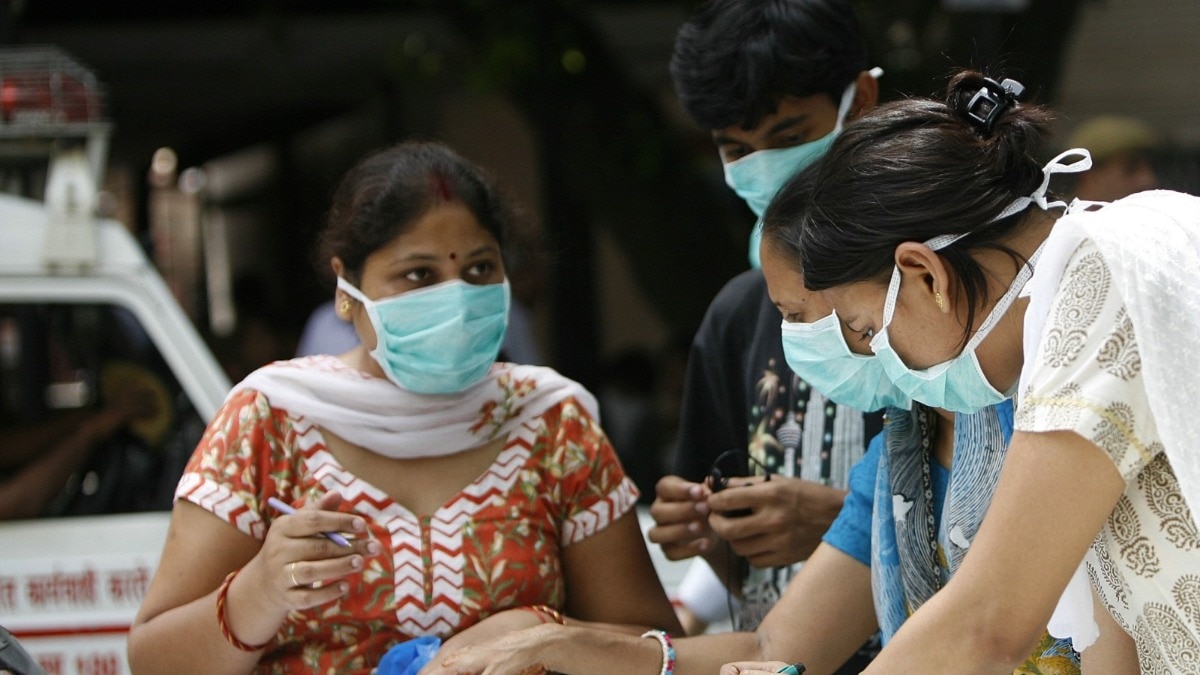
ICMR Says No New H1N1 Strain, Cautions High-Risk Groups
No new H1N1 strain identified as seasonal surge continues

ICMR Rules Out New H1N1 Strain Amid India Circulation

ICMR Says Seasonal H1N1 Flu Rise Needs No Panic

Tata Elxsi, Sarla Aviation Partner on India’s Electric Air Taxi

India-Brazil Friendly Tickets Sell Out as Kolkata Anticipates Clash
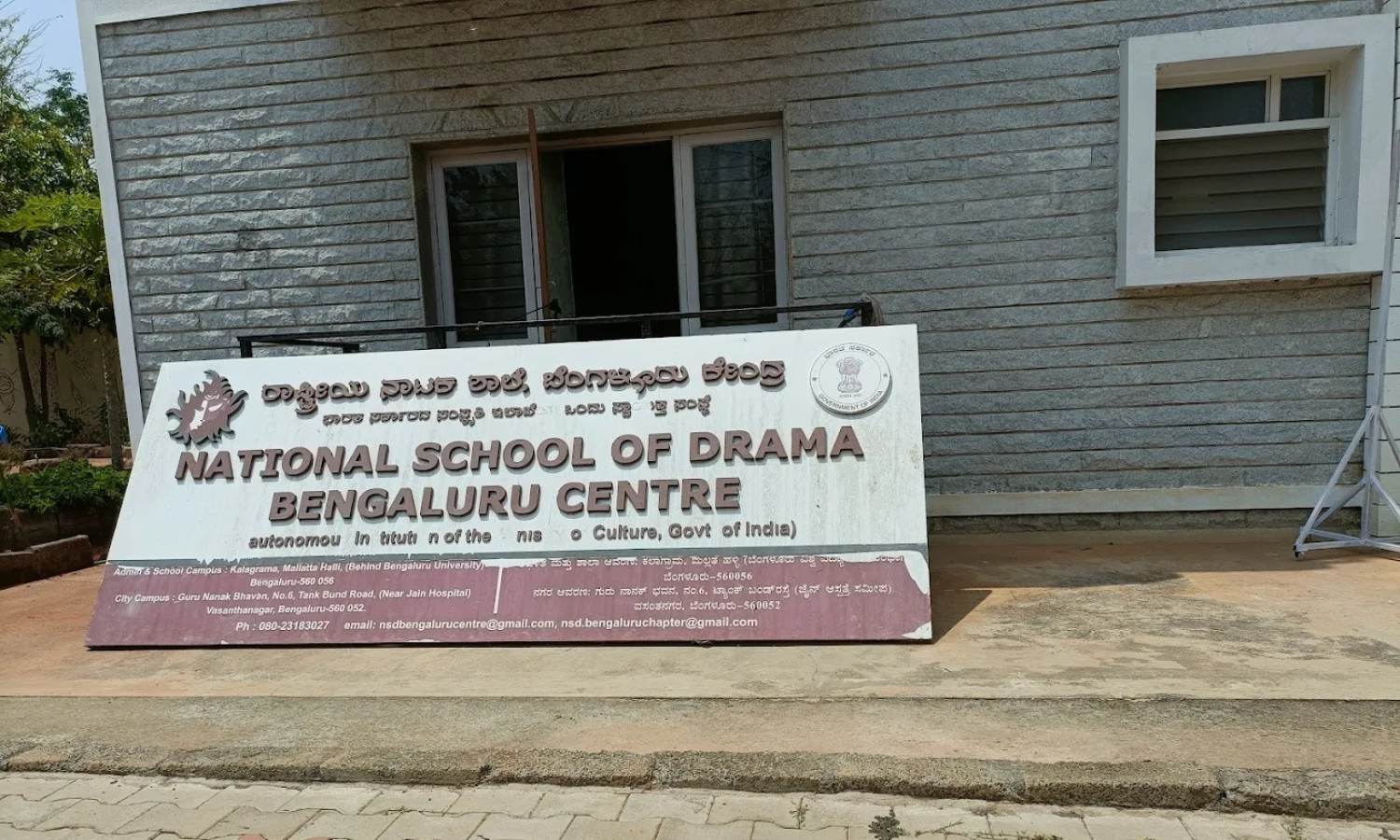
Advocate Seeks Removal of Burial Sites from Bengaluru Kala Grama
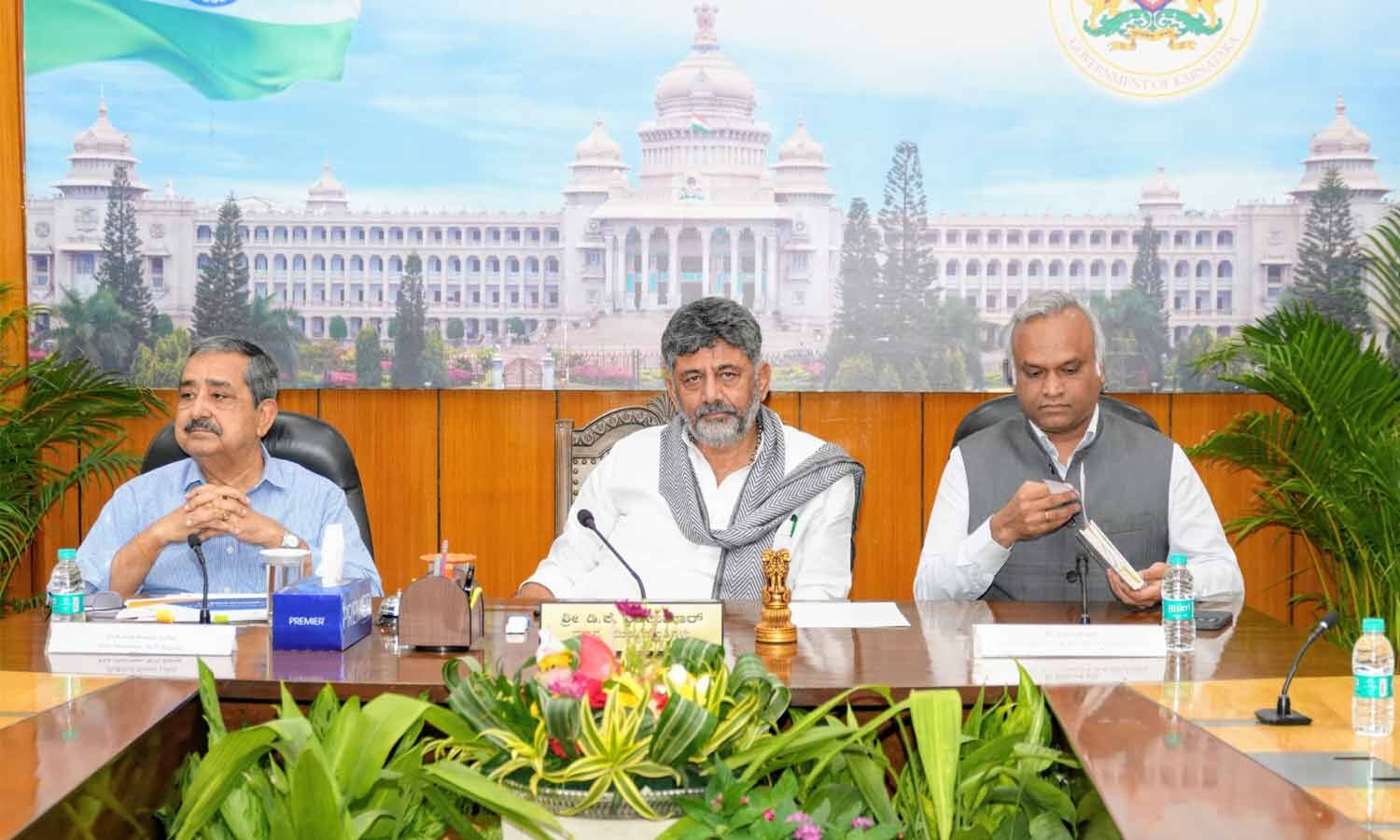
Shivakumar Calls BJP Padayatra Cover-Up for Internal Crisis
Futura MedTech Appoints Abhishek Bhargava as Group CEO