23 hrs ago
Floating-Rate Home Loans May Turn Affordable EMIs Into Distress
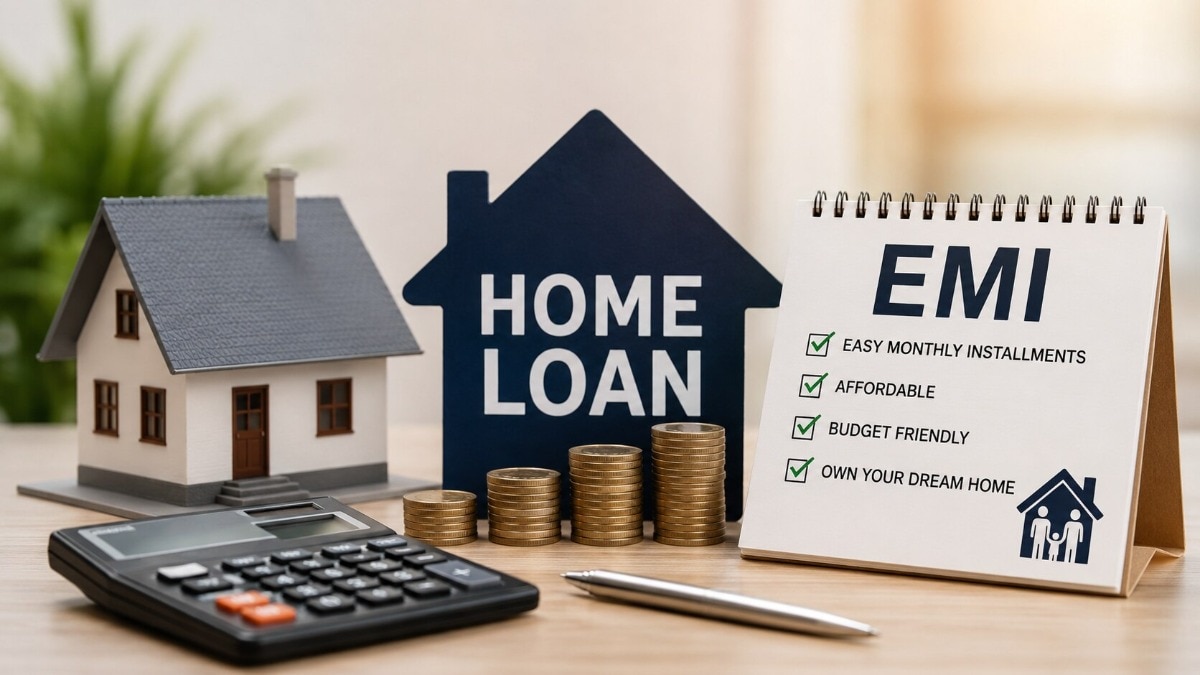
Many people in India repay home loans with floating interest rates.
This means their monthly payment can increase when interest rates rise.
Professor Prasanna Tantri warned that borrowers may focus only on today’s affordable payment.
They may not plan for a higher payment later.
He said this can create financial stress for families.
A Reserve Bank of India report also showed that household debt has increased.
However, the RBI said many borrowers now have stronger credit ratings.
In the United States, fixed-rate mortgages are more common, so homeowners usually have more predictable payments.

ISB professor Prasanna Tantri warned that India’s floating-rate home loans shift much of the interest-rate risk to households.
He said borrowers may judge affordability using current EMIs without accounting for possible future increases.
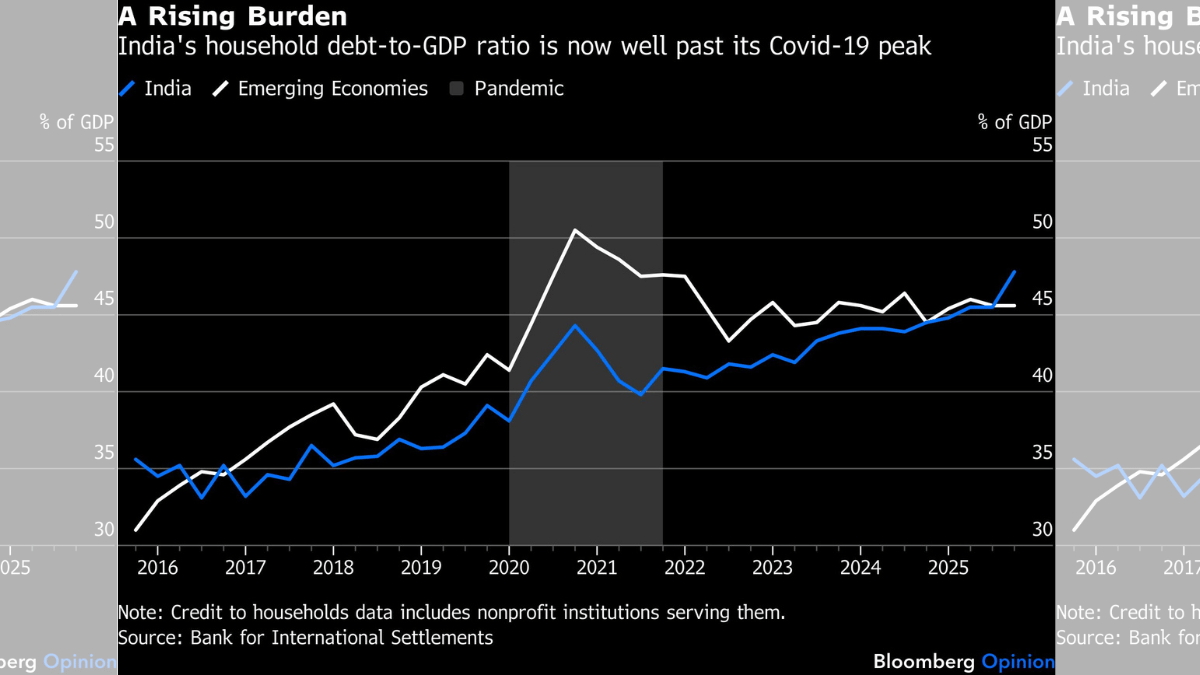
India’s household-sector debt reached 45.5% of GDP by September 2025, up from 41.3% at the end of March 2025, according to the RBI report cited.
The RBI said non-housing retail loans drove much of the increase and represented 58.4% of household borrowings as of March 2026.
Tantri contrasted India’s lending model with the United States, where fixed-rate mortgages are more common and monthly principal-and-interest payments generally do not rise when policy rates increase.
- Who
- Indian home-loan borrowers, ISB professor Prasanna Tantri, and the Reserve Bank of India.
- What
- A warning that floating-rate home loans can make EMIs and household financial stress rise when interest rates increase, amid higher household debt.
- Where
- India, with comparisons to the United States.
- When
- The RBI figures cited cover September 2025, March 2025, and March 2026; Tantri’s warning was posted on September 1, 2026.
- Why
- Indian home loans are predominantly floating-rate, so households bear more interest-rate risk and may not account for future EMI increases.
Interest-rate risk warning
Credit-quality reassurance
Household financial pressure
Interest-rate risk warning
Prasanna Tantri said borrowers often assess affordability using current EMIs and fail to account for possible increases, potentially creating distress when rates rise.
Credit-quality reassurance
The RBI said borrower profiles have improved, with prime and above-rated borrowers making up a larger share of outstanding credit and borrower numbers.
Growth in household borrowing
Interest-rate risk warning
Tantri warned that low or near-zero real interest rates can make loans appear affordable while creating problems for households if rates later rise.
Credit-quality reassurance
The RBI attributed the rise in household debt mainly to non-housing retail loans and reported that borrowing for asset creation expanded more slowly.
Who bears interest-rate risk
Interest-rate risk warning
Tantri argued that Indian households bear a larger share of interest-rate risk because floating-rate loans dominate the market.
Credit-quality reassurance
The US model cited in the article shows an alternative in which fixed-rate mortgages generally keep existing homeowners’ principal-and-interest payments stable when policy rates rise.
Key facts
- Household debt
- 45.5% of GDP by September 2025, compared with 41.3% at the end of March 2025.
- Five-year average
- Household debt had remained above the five-year average of 42.9% of GDP since September 2023.
- Main driver
- The RBI said non-housing retail loans primarily drove the increase in household debt.
- Non-housing share
- Non-housing retail loans accounted for 58.4% of total household borrowings as of March 2026.
- Borrower quality
- The RBI said the share of prime and above-rated borrowers increased in both outstanding credit and borrower numbers.
- India’s loan structure
- Home loans in India are predominantly floating-rate, transferring more interest-rate risk to households.
- US mortgage structure
- Fixed-rate mortgages dominate the US mortgage market, with most residential mortgages reportedly carrying 30-year fixed-rate terms.
Quotes
Prasanna Tantri
ISB professor commenting on interest-rate risk in Indian home lending
“In India, home loans are predominantly floating-rate, transferring interest-rate risk to households. Borrowers access affordability using today’s EMI without fully internalising how much it could rise. Our near-zero real-rate policy may make loans appear affordable today while creating household distress when rates rise. It is time to end it.”
 businesstoday.in
“The problem is borrowers don't price in the possibility that EMIs can go up later; this creates distress when they go up. When interest rates are low, every loan we give is like a teaser loan.”
businesstoday.in
Sources
Related news

Gen Z's buy-now-pay-later habit fuels unsecured loans: RBI worried
Lending Apps Are a Debt Trap for Indian Consumers
RBI proposes three-month loan rate resets for faster EMI relief
RBI Proposes New Loan Interest-Rate Framework, Tighter Floating-Rate Rules

US $40 Trillion Debt Sends Economic Ripples Toward India

Repo Rate Stays at 5.25%; Home Loan EMIs May Vary

US Holdings in India Triple Over Decade to $390 Billion

US Inflation Cools to 3.4% as Fed Weighs September Rates

Rare US-Japan Currency Move Could Quietly Help India's Bond Investors

Wall Street Focuses on July Jobs, SpaceX, Disney Earnings