2 weeks ago
RBI proposes three-month loan rate resets for faster EMI relief
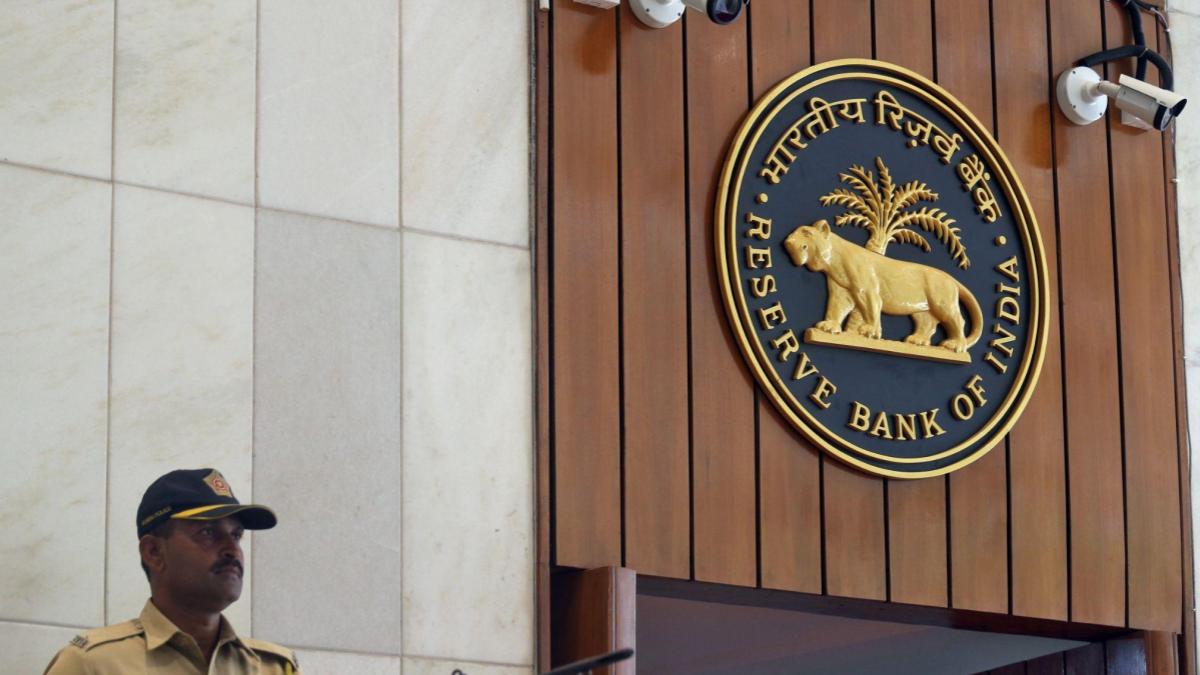
The Reserve Bank of India, the country's central bank, wants to change how banks set interest rates on loans.
Right now, some loans only change their interest rate every six months or even once a year.
The RBI wants banks to update loan interest rates at least every three months.
This means that when the RBI changes its policy rate, borrowers would feel the effect sooner.
It works both ways: rate cuts and rate increases would both arrive faster.
The new rules are planned to start on April 1, 2027.
Existing loans would move to the new system by April 1, 2029, without extra charges.
Banks would also need clear rules for how they decide the extra part of the interest rate they charge.
People can share their opinions about the plan until September 11, 2026.

The RBI has proposed requiring banks and NBFCs to reset floating-rate loan benchmarks at least once every three months.
The proposed RBI (Interest Rates on Loans and Advances) Directions, 2026 would take effect from April 1, 2027.
Existing loans would migrate to the new framework by April 1, 2029, with borrower consent and no migration charge or immediate rate increase.
MCLR-linked loans, which currently reset every six months to a year, would move to three-month resets, while RLLR loans already reset quarterly.
Public comments on the draft directions are due by September 11, 2026 through the RBI's 'Connect 2 Regulate' platform or by email.
- Who
- The Reserve Bank of India (RBI), along with banks, NBFCs, and borrowers affected by the proposed rules.
- What
- The RBI proposed a framework requiring floating-rate loan benchmarks to be reset at least once every three months, with clearer rules on how interest-rate spreads are structured.
- Where
- India
- When
- The draft was issued for public consultation with comments due by September 11, 2026; the directions are scheduled to take effect April 1, 2027, with loan migration by April 1, 2029.
- Why
- To facilitate faster transmission of policy rate changes to borrowers, support effective monetary policy transmission, and harmonize divergent practices among lenders.
Key facts
- Regulator
- Reserve Bank of India (RBI)
- Proposed directions
- RBI (Interest Rates on Loans and Advances) Directions, 2026
- Effective date
- April 1, 2027
- Loan migration deadline
- April 1, 2029
- Minimum benchmark reset frequency
- Once every three months
- Comment deadline
- September 11, 2026
- Small-value loan definition
- Personal loan up to Rs 50,000
- Example EMI impact
- Rs 788/month lower on a Rs 50 lakh, 20-year loan with a 25 basis point rate cut
Quotes
Adhil Shetty
CEO, BankBazaar
“A shorter reset cycle can mean faster transmission of both rate cuts and rate increases. The impact will depend on the loan, benchmark and other pricing terms. A shorter reset interval can mean that both rate cuts and rate increases are reflected sooner in floating loan rates.”
 financialexpress.com
“For example, on a Rs 50 lakh loan over 20 years, a 25 basis point reduction from 8.5% to 8.25% would reduce the EMI from about Rs 43,391 to Rs 42,603, a difference of roughly Rs 788 a month.”
financialexpress.com
Sources
Related news
RBI Proposes New Loan Interest-Rate Framework, Tighter Floating-Rate Rules
RBI's Reset of Loan and Deposit Interest Rate Norms

RBI proposes new MCLR formula on 3-month moving average

RBI proposes tighter loan pricing rules for banks and lenders

RBI Proposes Loan Pricing Rules to Improve Borrower Transparency

RBI to standardize lending rate rules for transparency, consumer protection

Gold Prices Fall Across Indian Cities on August 28

Before Buying a House, Ask These Five Financial Questions
FCNR(B) Rates Reach 6.75% as RBI Forex Window Closes

Home Loan Rates Across Indian Banks and Housing Finance Companies

RBI’s New Bulk FD Rules Bring Changes From October 2026