3 weeks ago
Rare US-Japan Currency Move Could Quietly Help India's Bond Investors
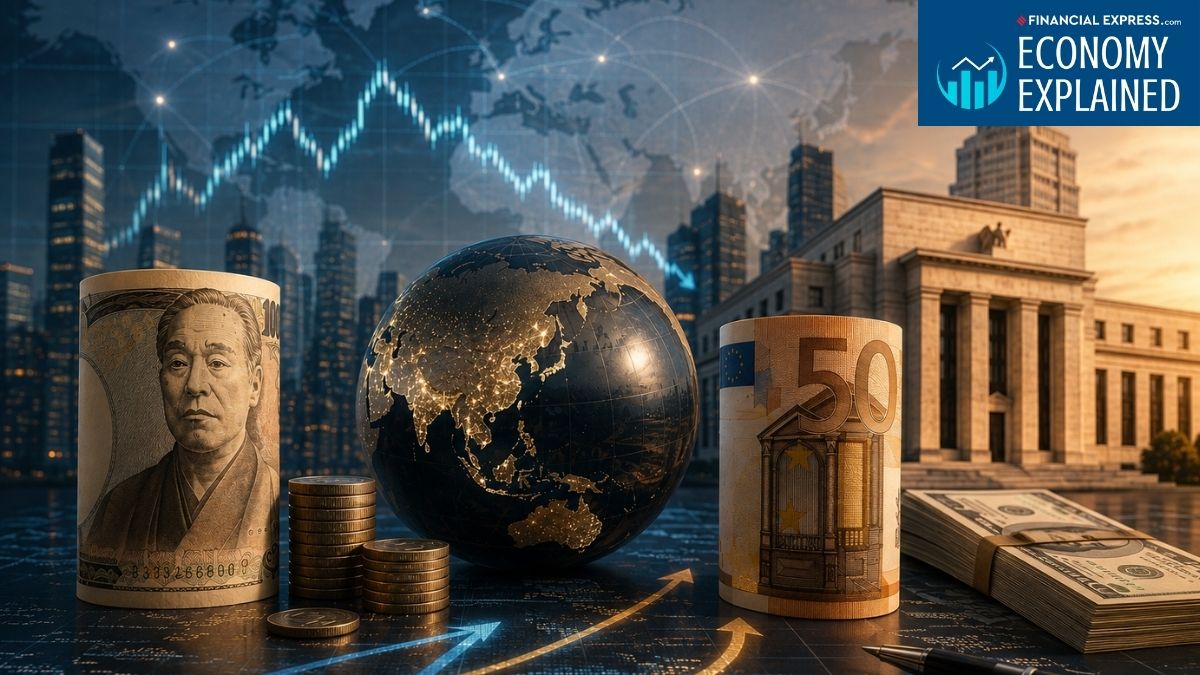
Two big countries, the United States and Japan, decided to work together to help Japan's money, called the yen, become a little stronger.
They did this because the yen had become very weak, weaker than it had been in almost 40 years.
Japan's finance minister, Satsuki Katayama, said the two countries acted together.
After they helped, the yen got a bit stronger.
When one country's money changes value, it can affect other countries too.
Because the US dollar became less strong, other money and investments can become more appealing.
This can be good for India, because investors may want to buy Indian things like government bonds.
Cheaper oil prices can also help India, since it buys a lot of oil from other countries.
So a quiet money move between America and Japan may end up helping people who invest in India.

On July 31, the Federal Reserve Bank of New York and the Bank of Japan carried out a coordinated foreign-exchange operation buying yen and selling euros.
It was the first joint intervention by Washington and Tokyo in nearly 28 years.
The yen, which had weakened beyond ¥163 per US dollar, briefly strengthened toward ¥155 per dollar after the move.
The Dollar Index softened from around 101.54 to 99.69 by August 10, 2026, as investors priced in narrowing central bank policy divergence.
The softer dollar, improved risk sentiment, renewed foreign investor interest and lower crude oil prices are seen as supportive for India's debt market.
- Who
- Bank of Japan and the Federal Reserve Bank of New York (acting on behalf of the US Treasury), with the action acknowledged by Japan's Finance Minister Satsuki Katayama.
- What
- A coordinated foreign-exchange intervention involving purchases of the yen and sales of the euro — the first joint US-Japan currency action in nearly 28 years.
- Where
- Global currency markets, with the knock-on effects analyzed for India's debt market and emerging-market assets.
- When
- July 31 of the year (2026), with market effects tracked through August 10, 2026.
- Why
- To counter prolonged yen weakness (the currency had moved beyond ¥163 per US dollar) and to promote orderly, stable currency markets rather than a rapid appreciation.
Key facts
- Date of intervention
- July 31, 2026
- Participants
- Federal Reserve Bank of New York (for the US Treasury) and Bank of Japan
- Operation
- Purchases of yen and sales of euros
- First joint US-Japan intervention in
- Nearly 28 years
- Yen level before intervention
- Beyond ¥163 per US dollar — levels not seen in almost four decades
- Yen level after intervention
- Briefly moved toward ¥155 per US dollar before stabilizing
- Dollar Index move
- Softened from around 101.54 to 99.69 by August 10, 2026
- Japan's Finance Minister
- Satsuki Katayama acknowledged the coordinated action
Sources
Related news

Yen Weakens 1%, Erases Half of Intervention Gains

Yen Surrenders Nearly Half Its Gains From US-Japan Intervention
Yen Firms After Landmark Intervention, Dollar Near Six-Week Lows
Yen Intervention Gains Fade as Rate Gaps Drive Decline

Yen Weakens as U.S. Rate Hike Signals Offset Intervention

Japan Cricket Boss Defends Asian Games Facilities Against Concerns

Mitsubishi Revives Pajero With 201PS Fifth-Generation SUV

Europe's Bond Selloff Deepens as Middle East Tensions Lift Oil

Uday Kotak Warns Global Bond Markets Face Roller-Coaster Volatility
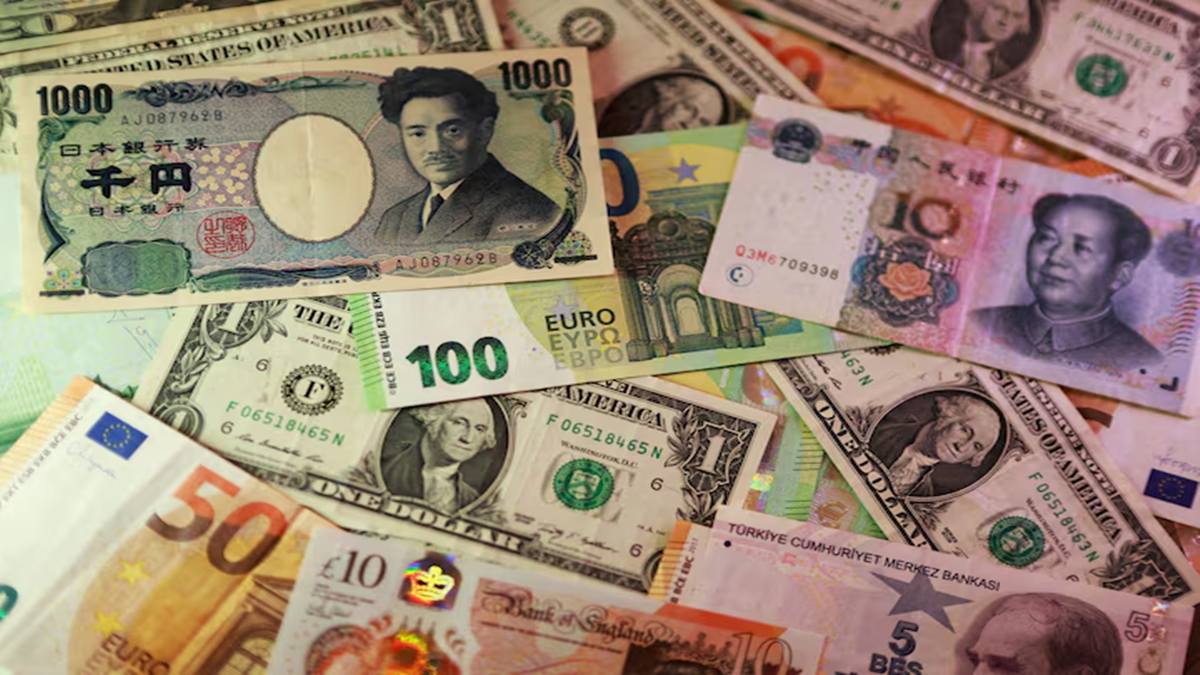
Global Bond Sell-Off Pushes Japan Yields To 30-Year High