

3 weeks ago
Lending Apps Are a Debt Trap for Indian Consumers
Many people in India are borrowing money using small apps on their phones.
This borrowed money is very expensive to pay back.
The apps charge big fees and high interest, so the amount owed grows very quickly.
Some workers earn very little but have to pay back more than they earn every month.
In one study, half of the people had payments twice as big as their wages.
The apps even offer new loans to help pay off old ones, which makes the problem worse.
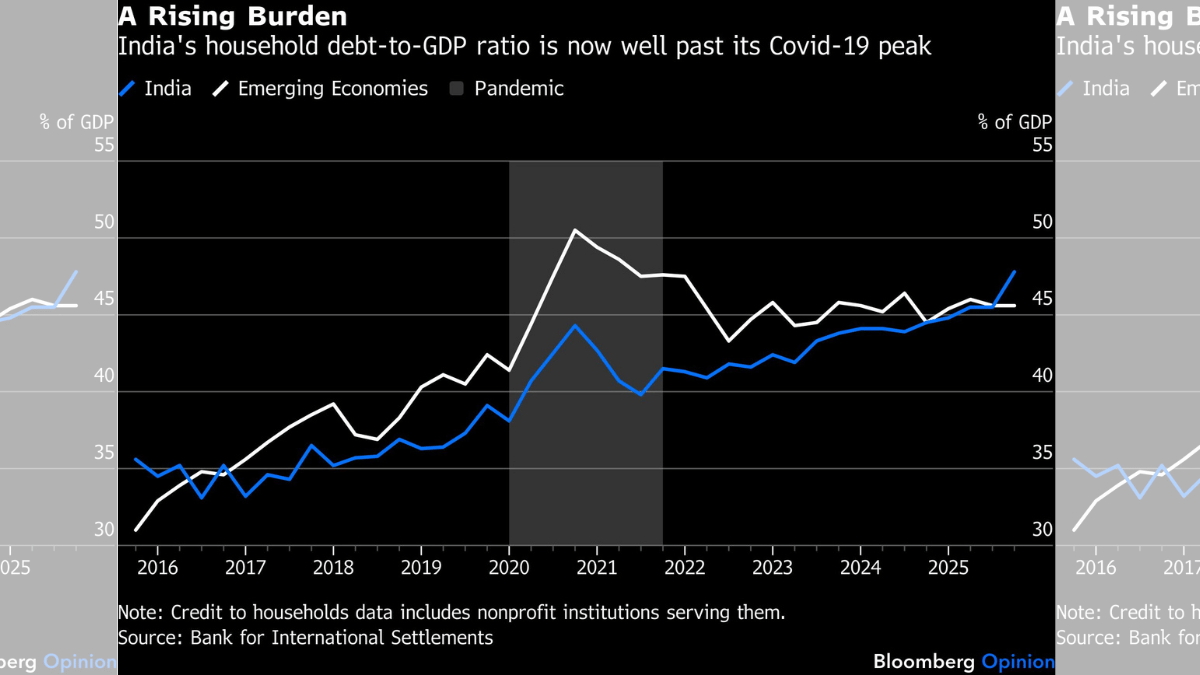
India's total household debt has reached its highest level ever.
A group called Moneylife Foundation studied this and says new rules are needed.
These rules could limit how much the apps can charge and how many loans one person can have.
The goal is to protect people from falling deeper into debt.

India's household debt hit a record 48% of GDP by December 2025, up from 38% before the pandemic.
Digital lenders now originate four out of five personal loans in India, with a $23 billion app market that grew 2.5 times in three years.
Fintech platforms sanctioned over 130 million loans averaging 16,000 rupees (about $170) last fiscal year, mostly to medium- and high-risk borrowers.
A Moneylife Foundation study found app-based credit consumes 60% or more of monthly debt payments, with a median debt-servicing ratio of 200% of income.
Moneylife recommends an all-in annual cost ceiling, limits on active digital loans, real-time credit bureau reporting, and an operational personal bankruptcy framework.
- Who
- Indian consumers, especially low-wage workers, who borrow from digital lending apps; the Reserve Bank of India regulates the sector and Moneylife Foundation studied distressed borrowers.
- What
- Household debt reached a record 48% of GDP while largely unregulated lending apps push borrowers into chronic debt through high fees and compounding interest.
- Where
- India, with the Moneylife Foundation study based in Mumbai.
- When
- By December 2025 for the record debt level, with over 130 million app loans sanctioned in the last fiscal year.
- Why
- Low wages and a rising cost of living push Indians toward app-based loans, and the business model relies on serial refinancing of over-leveraged borrowers.
Key facts
- Household debt-to-GDP (Dec 2025)
- 48%, up from 38% before Covid-19
- Lending app market size
- $23 billion annually, grown 2.5 times in three years
- Digital loans sanctioned last fiscal year
- Over 130 million, averaging 16,000 rupees (~$170)
- Personal loans originated by digital lenders
- 4 out of 5
- Upfront processing fees
- 10-15% of loan amount
- Extreme effective annual cost
- 365% or more via daily compounding
- Median debt-servicing ratio (Moneylife cases)
- 200% of income
- Banking sector gross nonperforming assets
- 1.8%, a multi-decade low
Quotes
M. S. Sriram
Professor at the Indian Institute of Management Bangalore
“"The myth is that the poor — being poor — cannot save."”
 theprint.in
Moneylife Foundation report
Non‑profit research organization based in Mumbai
“"Lending apps are destroying home finances in a manner traditional bank loans never did."”
theprint.in
Sources
Related news
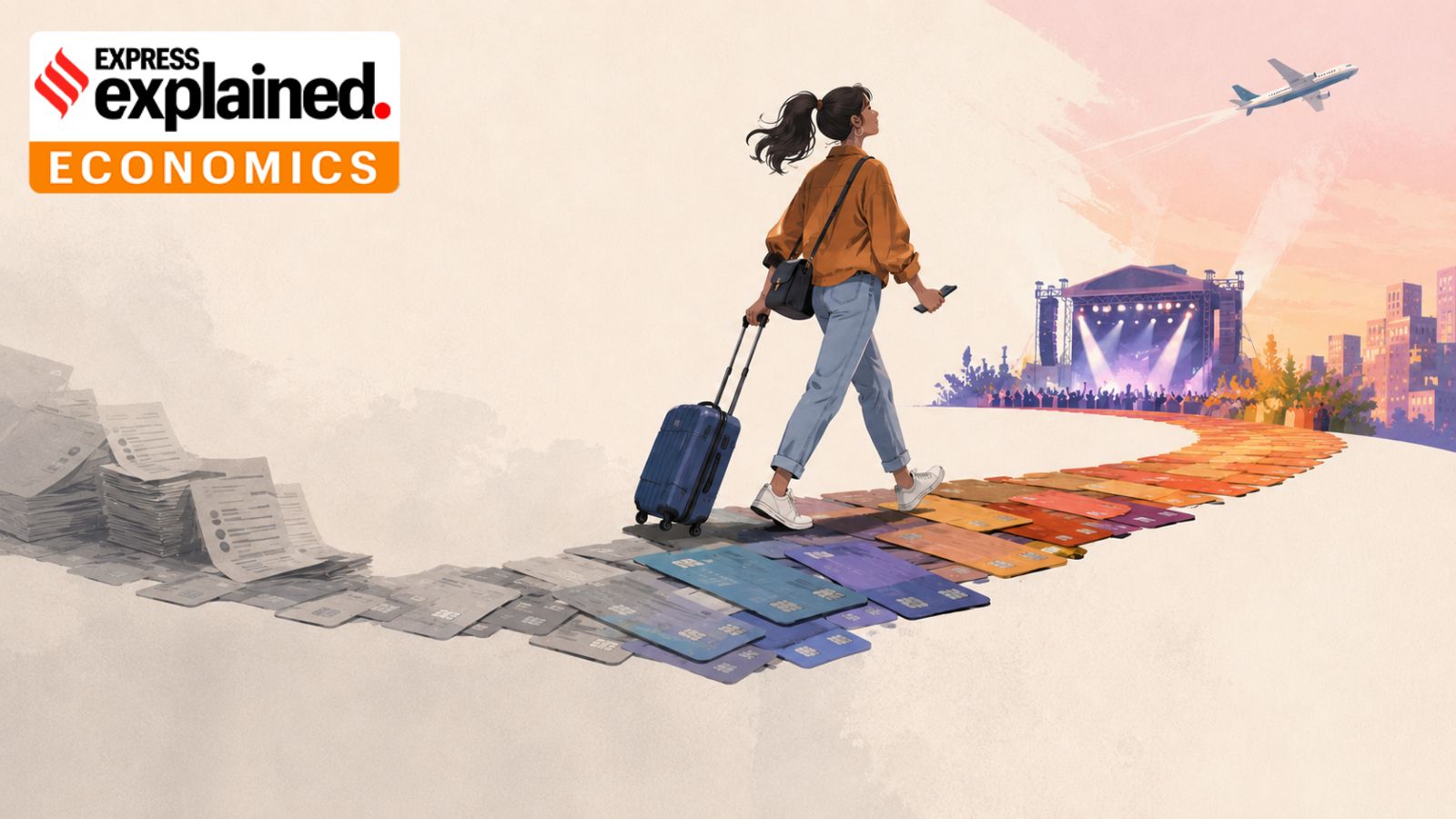
Gen Z's buy-now-pay-later habit fuels unsecured loans: RBI worried

Maharashtra Family Deaths Highlight Risks of iPhone Consumer Debt

India's Credit Growth Spreads Beyond Big Cities as Inclusion Grows
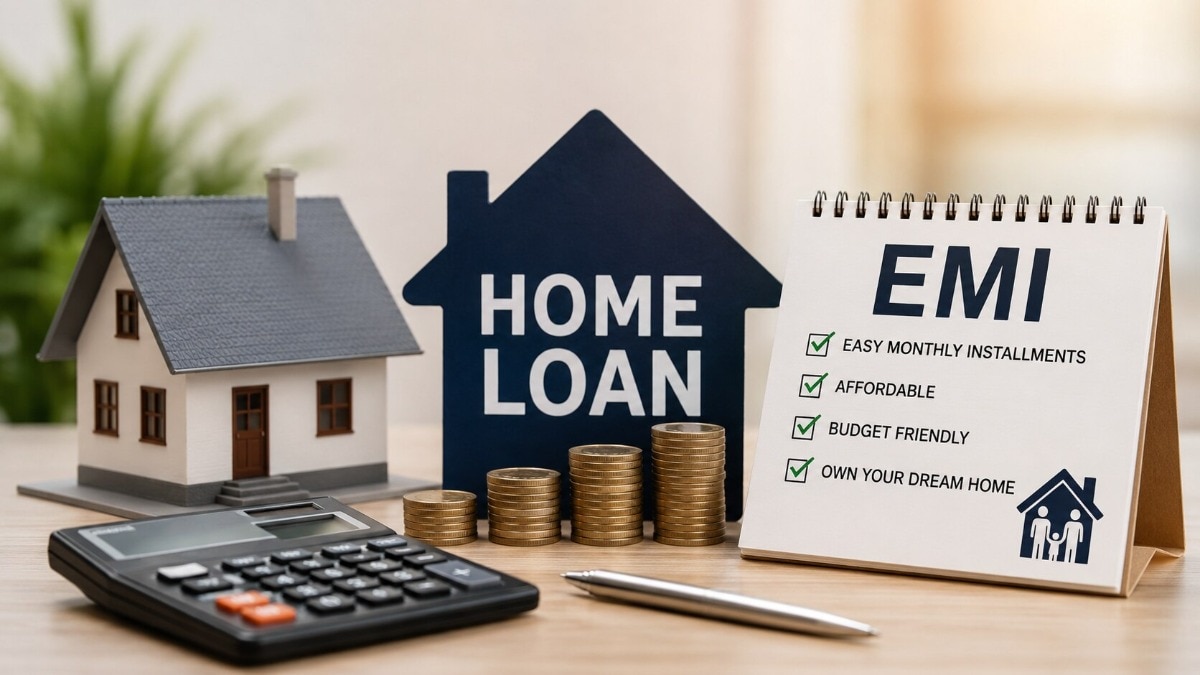
Floating-Rate Home Loans May Turn Affordable EMIs Into Distress
I4C Orders Google To Remove Three Malicious Loan Apps
