12 hrs ago
Mecca Pact Faces Questions Over Scope And Strategic Coherence
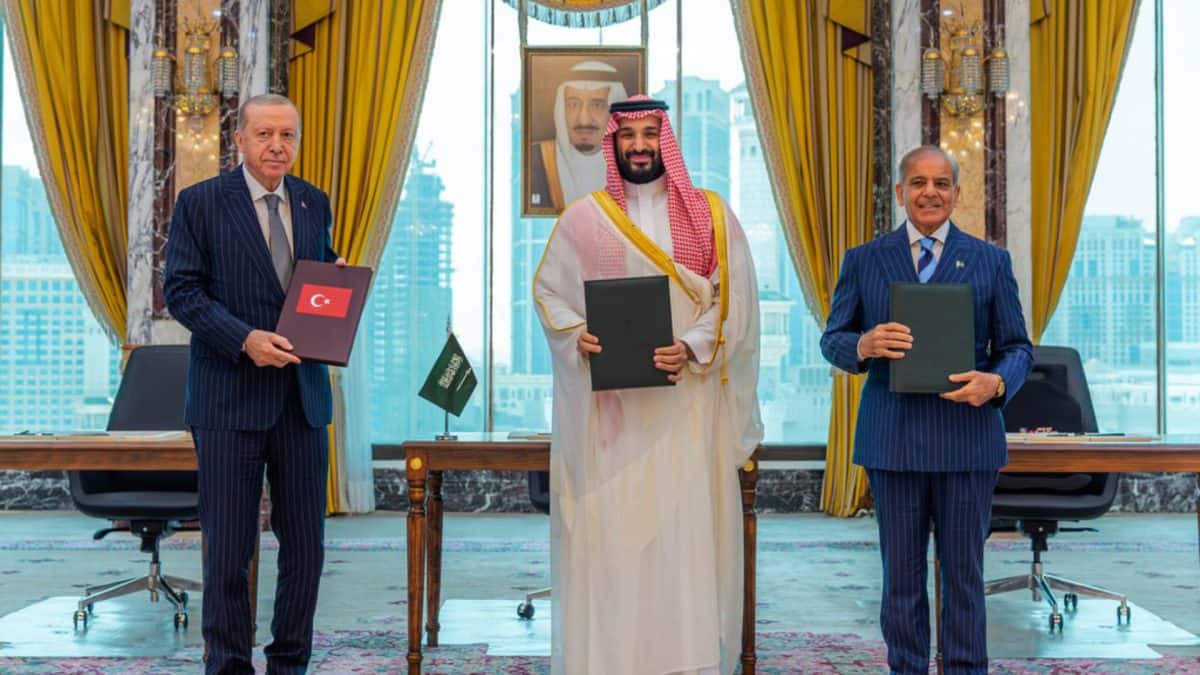
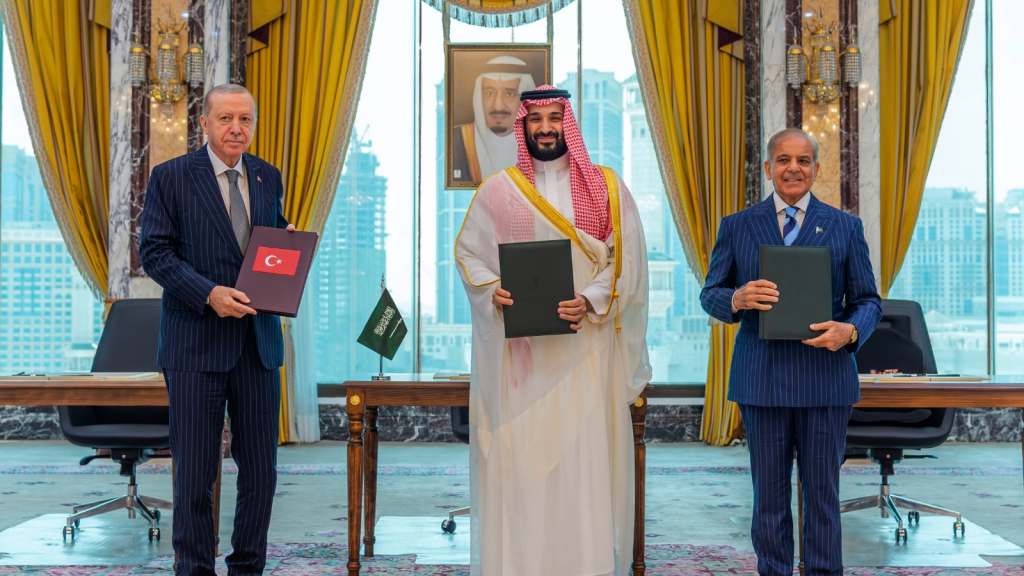
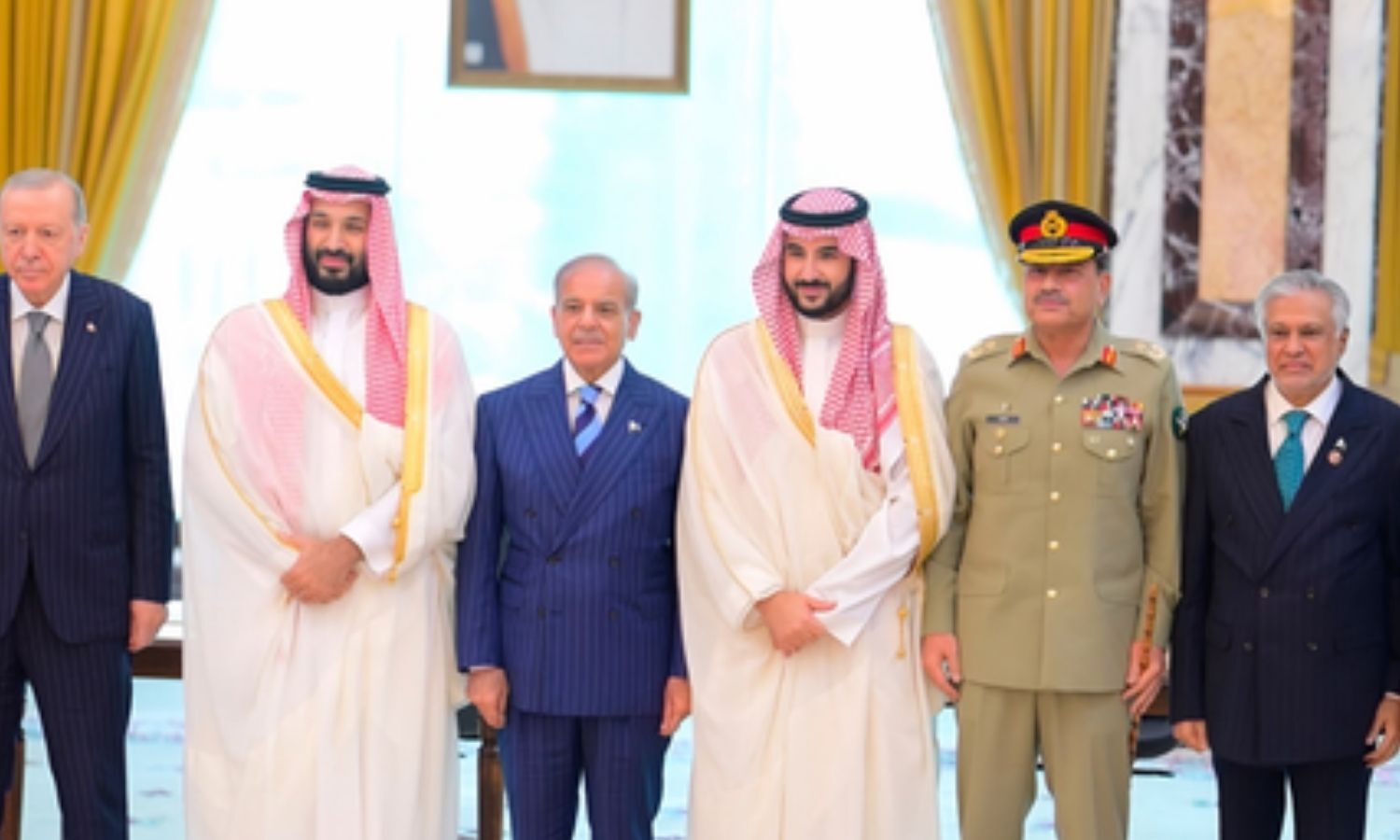
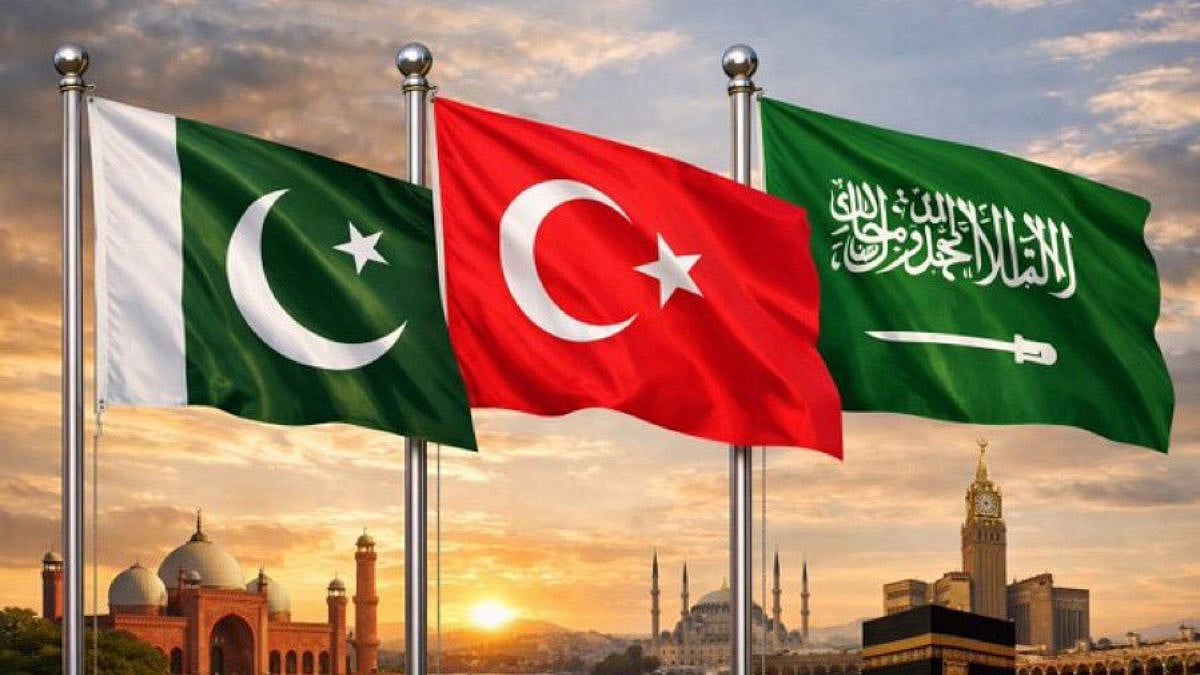
Turkey, Saudi Arabia and Pakistan have agreed to cooperate on defence.
The pact says an attack on one member would be treated as an attack on all.
However, the countries are in different parts of the broader Islamic world and face different security problems.
Saudi Arabia is concerned about Iran, the Houthis and radicalism.
Turkey faces threats linked to Syria, Iraq, Kurdish militant groups, terrorism and refugees.
Pakistan has different security needs and has not always joined Saudi Arabia in military responses.
The article says the pact may therefore be more about sending a political message than creating a strong military alliance.
It also questions whether the United States would still influence major regional security decisions.
The author concludes that expanding the pact could make it less focused and less effective.

The Mecca Joint Defence Agreement links Turkey, Saudi Arabia and Pakistan in a pledge that an attack on one would be treated as an attack on all.
The agreement does not clearly define its geographical scope or a common threat, raising doubts about its effectiveness as a regional security framework.
Saudi Arabia, Turkey and Pakistan face different security concerns and have previously shown limits in providing automatic military support to one another.
Reports say the pact may establish a Riyadh-based secretariat led by a Pakistani secretary general for its first three years.
The analysis argues the pact may offer political symbolism and deterrence messaging while sacrificing strategic coherence, particularly as Turkey and Saudi Arabia retain competing priorities.
- Who
- Turkey, Saudi Arabia and Pakistan are the initial parties to the Mecca Joint Defence Agreement; Bangladesh and Malaysia have been mentioned as possible interested participants.
- What
- A defence agreement declaring that an attack on one of the three initial members constitutes an attack against all.
- Where
- The pact is associated with Mecca, while the reported secretariat would be based in Riyadh and the agreement was discussed at a meeting in Istanbul.
- When
- The article discusses the agreement and reports that an Istanbul meeting on August 31 agreed to establish a secretariat; it also refers to related developments in September 2025 and earlier this year.
- Why
- The agreement seeks to strengthen collective deterrence and develop a broad Islamic security framework, although the article argues that its unclear scope and differing member interests weaken it.
Arguments Supporting The Pact
Criticism Of The Pact
Deterrence
Arguments Supporting The Pact
The agreement could signal that an attack on one member would trigger a collective response and strengthen deterrence.
Criticism Of The Pact
The members have different threat perceptions and have not consistently provided automatic military support to one another, making collective defence uncertain.
Islamic security cooperation
Arguments Supporting The Pact
The pact could develop into a broader security framework linking important Muslim-majority states, with Bangladesh and Malaysia potentially joining.
Criticism Of The Pact
An expanding membership spanning West Asia, South Asia and Southeast Asia could make the organisation too geographically broad to address shared regional threats effectively.
Strategic independence
Arguments Supporting The Pact
The agreement could give its members another platform for collective security and reduce reliance on existing arrangements.
Criticism Of The Pact
Turkey's NATO commitments and the Gulf states' continued dependence on the United States could constrain decisions made under the pact.
Key facts
- Initial members
- Turkey, Saudi Arabia and Pakistan
- Core commitment
- An attack on one member is presented as an attack against all three.
- Geographical concern
- The pact does not clearly define the region covered by its mutual-security commitment.
- Reported secretariat
- A secretariat is reportedly planned for Riyadh.
- Reported leadership
- A Pakistani secretary general would reportedly lead the secretariat for its first three years.
- Saudi-Pakistan precedent
- Pakistan did not join Saudi Arabia militarily after Houthi attacks in 2015 or the Abqaiq and Khurais attacks in 2019.
- Strategic constraint
- Turkey's NATO membership and Saudi Arabia's continued reliance on the United States may limit the pact's military independence.
Sources
Related news

Mecca Joint Defence Pact Risks Remaining Rhetorical, Report Warns
How Far Will Saudi Arabia Go for Pakistan's Mecca Pact?
Turkey, Saudi Arabia and Pakistan Sign Mecca Defence Pact
Mecca Defence Pact Raises Questions Over Its Intended Threat
Mecca Defence Pact Faces Questions Over Its Political Cohesion
Pakistan Urges Muslim Nations to Join 'Islamic NATO' Defence Pact

AI, Robotics and the Human Future of Warfare

Russia Says U.S. Missile Deployment to Norway Undermines Arms Talks
EU Unveils Greenland Investment Plan Amid Trump’s Control Push
Putin Meets U.S. Envoys as Ukraine Peace Talks Stall