

4 days ago
Mecca Defence Pact Faces Questions Over Its Political Cohesion
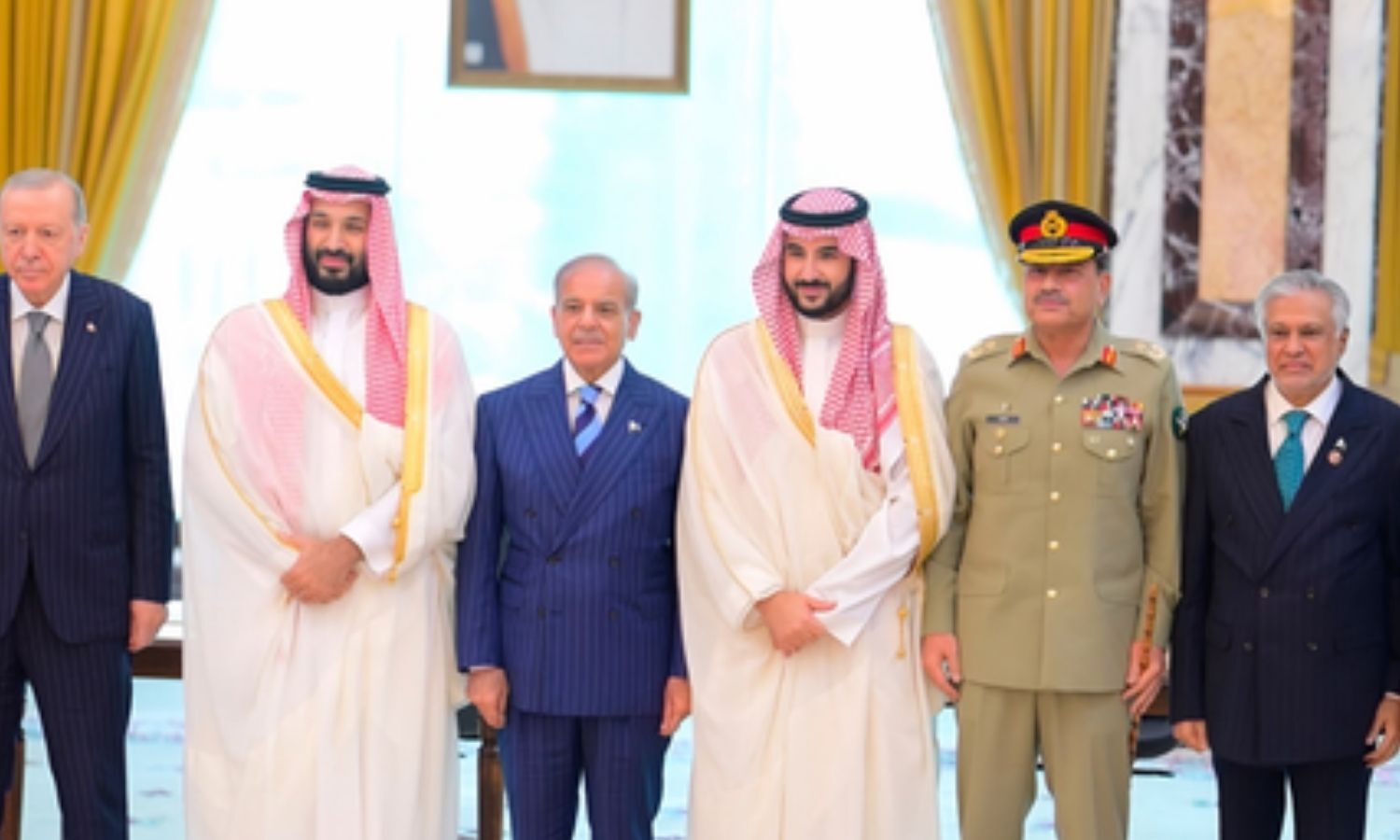
Saudi Arabia, Pakistan and Turkey made a defense agreement called the Mecca Agreement.
It says an attack on one country could be treated as an attack on all three.
The agreement is being compared with NATO.
A report says the three countries do not share the same political ideas or enemies.
Saudi Arabia has close ties with India, while Pakistan and India have had conflicts.
This raises questions about whether Saudi Arabia would help Pakistan in a future war with India.
Pakistan previously chose not to join a Saudi-led war in Yemen after its parliament voted against participation.
The report also says the countries have very different forms of government and views about political Islam.
Because of these differences, it is unclear how strongly the pact would work in a crisis.

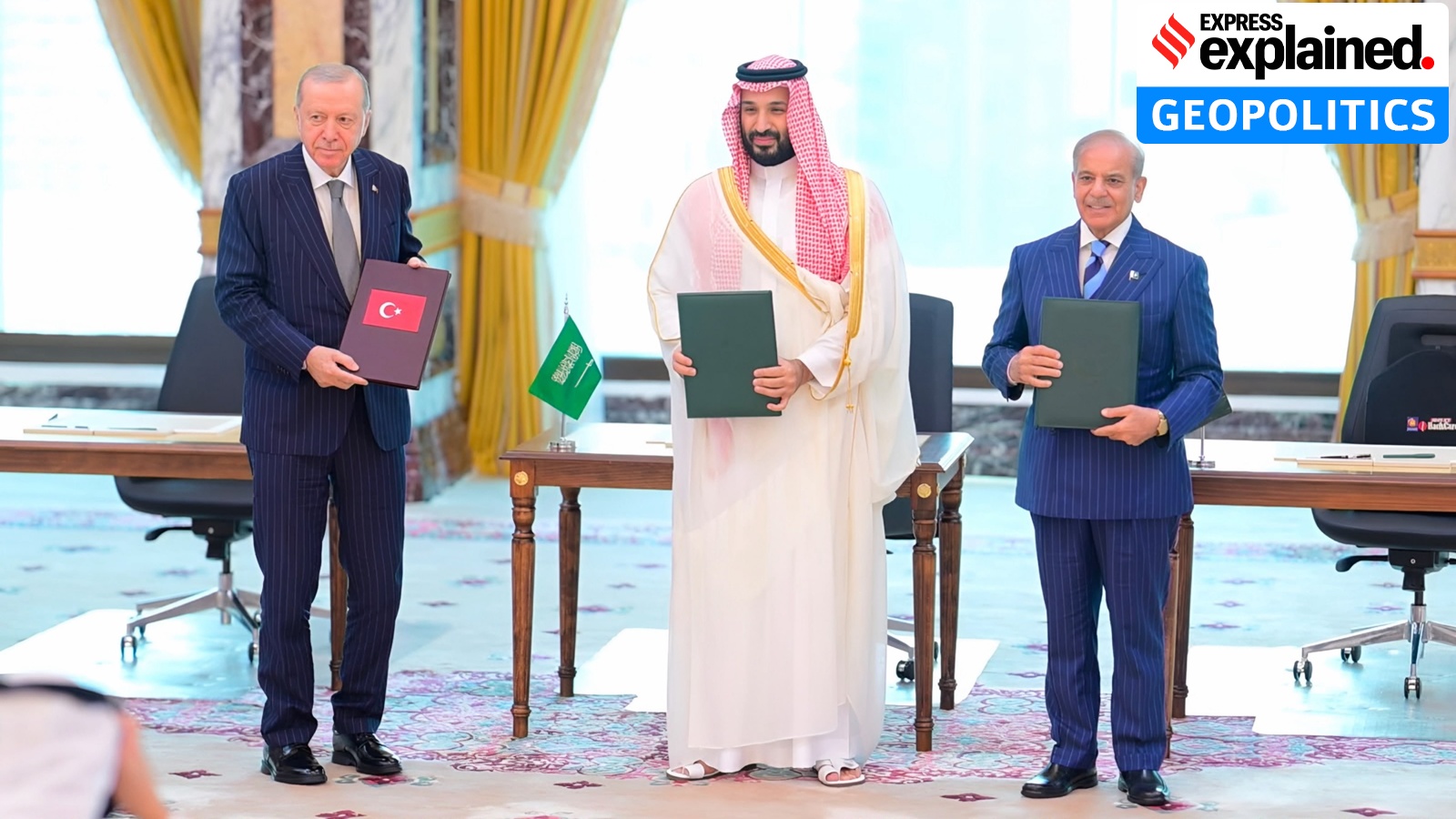
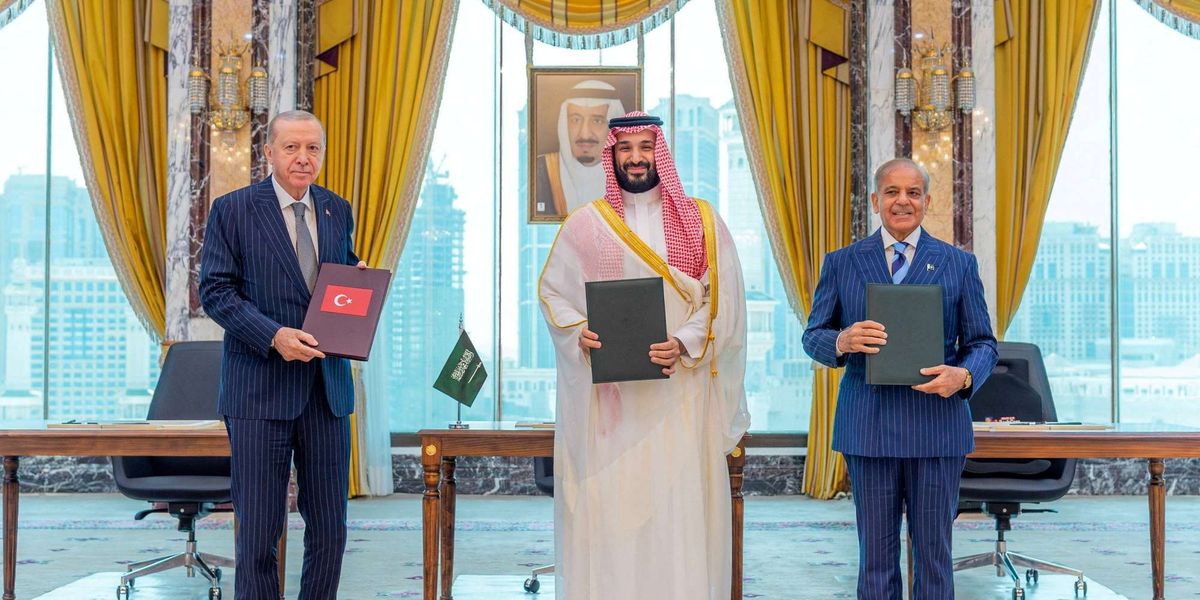
Saudi Arabia, Pakistan and Turkey signed the Mecca Joint Defence Agreement in early August.
The pact is promoted as NATO-like and includes an Article 5-style mutual-defense provision.
A Geopolitical Monitor report says the three countries lack shared values, interests and threat perceptions.
The report questions whether Saudi Arabia would support Pakistan in a future conflict with India.
Differences include Saudi Arabia’s opposition to political Islam, Pakistan’s military-backed democracy and Turkey’s political-Islam ideology.
- Who
- Saudi Arabia, Pakistan and Turkey are the parties to the Mecca Joint Defence Agreement.
- What
- They signed a trilateral defense pact containing a provision similar to NATO’s Article 5.
- Where
- The agreement is identified with Mecca; the report was cited by the Canada-based Geopolitical Monitor.
- When
- The agreement was signed in early August; the articles do not specify a year.
- Why
- The pact emerged as Middle Eastern countries sought to diversify defense partnerships away from Washington amid changing regional geopolitics, according to the report.
Strategic Defense Cooperation
Concerns About Alliance Cohesion
Reason for the pact
Strategic Defense Cooperation
The agreement reflects an effort by Middle Eastern countries to diversify defense partners away from Washington as regional geopolitics change.
Concerns About Alliance Cohesion
The report says the pact lacks the shared values, common interests and unified threat perception that can hold a military alliance together.
Mutual-defense commitment
Strategic Defense Cooperation
The Article 5-style provision presents an attack on one signatory as an attack on all three.
Concerns About Alliance Cohesion
The report questions whether members would actually assist one another and, if so, how much assistance they would provide.
Political compatibility
Strategic Defense Cooperation
The three states are cooperating through a formal trilateral security arrangement despite their differences.
Concerns About Alliance Cohesion
The report highlights that Saudi Arabia opposes political Islam, Pakistan uses religion as a policy tool and Turkey champions political Islam, leaving the pact without a comparable ideological foundation to NATO.
Key facts
- Agreement
- Mecca Joint Defence Agreement
- Signatories
- Saudi Arabia, Pakistan and Turkey
- Defense provision
- An armed attack on one member is treated as an attack on all three.
- Comparison
- The pact is being promoted as NATO-like.
- Main concern
- The countries may lack shared values, interests and threat perceptions.
- Earlier precedent
- Pakistan’s parliament voted against joining the war in Yemen after Saudi Arabia requested military support.
- Reported political differences
- Saudi Arabia is described as a theocracy, Pakistan as a military-backed democracy and Turkey as a strained democracy championing political Islam.
Quotes
Geopolitical Monitor report
Canada-based publication cited as the source of the analysis
“The Iran war is changing Middle Eastern geopolitics. US bases across the Gulf have been repeatedly targeted and the US has been unable to open the Strait of Hormuz fully for maritime traffic and energy shipments. This has prompted Middle Eastern countries to look at diversifying their defence partners away from Washington.”
 thehansindia.com
“Saudi Arabia is a theocracy and seeks to maintain its position as the foremost Islamic state while launching internal reforms. Pakistan is a military-backed democracy. It deploys religion as a policy tool. Turkey is a strained democracy that champions the ideology of political Islam.”
thehansindia.com
Sources
Related news

Mecca Joint Defence Pact Risks Remaining Rhetorical, Report Warns
Saudi Arabia, Turkey, Pakistan Sign Mecca Joint Defence Agreement

Saudi Arabia, Turkey, Pakistan Sign Mecca Defence Agreement
How Far Will Saudi Arabia Go for Pakistan's Mecca Pact?
Saudi Arabia, Turkey and Pakistan sign Mecca Joint Defence Agreement
Pakistan seeks Mecca pact front against Israel and India
Pentagon Turmoil Deepens as Hegseth Tightens Grip on Military

Germany Blames Russia for Leipzig Drone Attack, Europe Vows Response
Erdogan Says Turkey Would Consider Full Shanghai Cooperation Organisation Membership
Augsburg Train Station Closed After Explosion, Suspicious Object Found

Taliban Offers Afghan Mineral Wealth as Washington Weighs Engagement
