1 week ago
Mountain Trek Health Checks Needed Before High-Altitude Travel
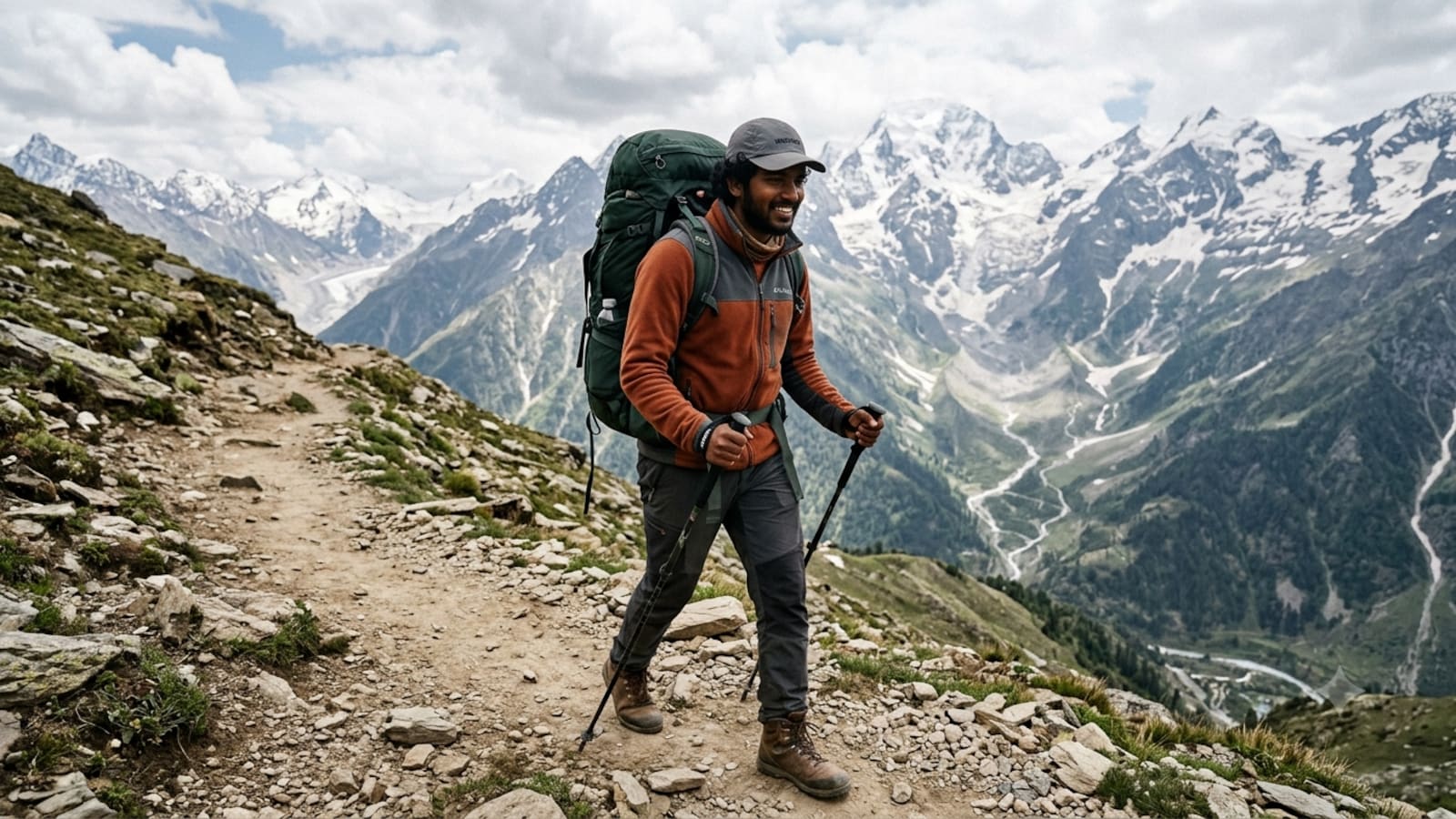
Being strong and fit does not always protect someone from getting sick in the mountains.
Higher places have less oxygen in the air.
The body needs time to adjust as a person climbs.
A doctor may check the lungs, blood, heart, blood pressure and blood sugar before the trip.
The checks depend on the person’s age and medical history.
Above 3,000 metres, sleeping height should usually increase by no more than about 500 metres each day.
A headache, nausea or unusual tiredness can be an early warning sign.
Serious symptoms like confusion or trouble breathing mean the person should go lower and get medical help.
Medicine may sometimes help, but it cannot replace careful planning and acclimatisation.

Physical fitness does not guarantee tolerance to low-oxygen, high-altitude conditions.
Doctors may assess lung health, blood counts, blood pressure, blood sugar and heart risks before demanding treks.
Above 3,000 metres, sleeping elevation should generally rise by no more than about 500 metres daily.
Acetazolamide may help selected travellers but cannot replace gradual acclimatisation.
Worsening symptoms such as confusion, breathing difficulty or trouble walking require descent and urgent medical help.
- Who
- Trekkers, particularly those with medical conditions, symptoms or cardiovascular risk factors, and their doctors.
- What
- Pre-trek health assessments and safety guidance for preventing and recognizing altitude illness.
- Where
- Mountain and high-altitude environments, especially above about 2,450 metres and 3,000 metres.
- When
- Before a mountain trek and during ascent to high altitude.
- Why
- To identify health risks, control existing conditions and reduce the danger of altitude-related illness.
Key facts
- Altitude illness threshold
- Anyone who has not acclimatised and sleeps above about 2,450 metres can develop altitude illness.
- Recommended ascent
- Above 3,000 metres, sleeping elevation should generally increase by no more than about 500 metres per day.
- Acclimatisation
- An acclimatisation day is recommended after every additional 1,000 metres.
- Possible assessments
- Depending on individual risks, evaluations may include a complete blood count, blood glucose, kidney function tests, ECG or exercise assessment.
- Lung checks
- Spirometry may be needed for people with asthma, chronic cough, previous tuberculosis, smoking exposure, sleep apnoea or unexplained breathlessness.
- Warning signs
- Confusion, difficulty breathing while resting, trouble walking straight or a rapidly worsening cough may indicate life-threatening complications.
- Medication
- Acetazolamide may help selected travellers but is not a substitute for acclimatisation.
Quotes
Dr Pradeep Bajad
Senior Consultant in Pulmonology at Amrita Hospital, Faridabad
“A responsible health check doesn't guarantee you won't get altitude sickness. It gives something more valuable: the judgement to know when the body is adapting, and when the mountain is telling you to come down.”
 NDTV
NDTV
“Acetazolamide may be helpful for selected travellers, but it is not an oxygen tablet, nor a rescue for a reckless ascent.”
NDTV
Sources
Related news
Why Mountain Treks Can Leave Fit People Breathless
Assam Doctor’s Gym Collapse Highlights Risks of Sudden Cardiac Arrest
Why Young Adults Should Check Heart Health Before 25
Post-Trek Fever: Why Symptoms Appear After You Return
Air India Phuket-Delhi pilot on sleep medication, positive for marijuana

Bengaluru Marathoner Dies of Suspected Cardiac Arrest at 31

National Nutrition Week Promotes A Truly Balanced Plate
H1N1 Recovery: Seven Mistakes To Avoid After Fever
H1N1 Cases Rise as Flu Vaccine Demand Surges Nationwide

Seven Ways Gym-Goers Can Prevent H1N1 During Flu Season

Amitabh Bachchan Gives Up Rice, But Should Older Adults?