2 weeks ago
Post-Trek Fever: Why Symptoms Appear After You Return
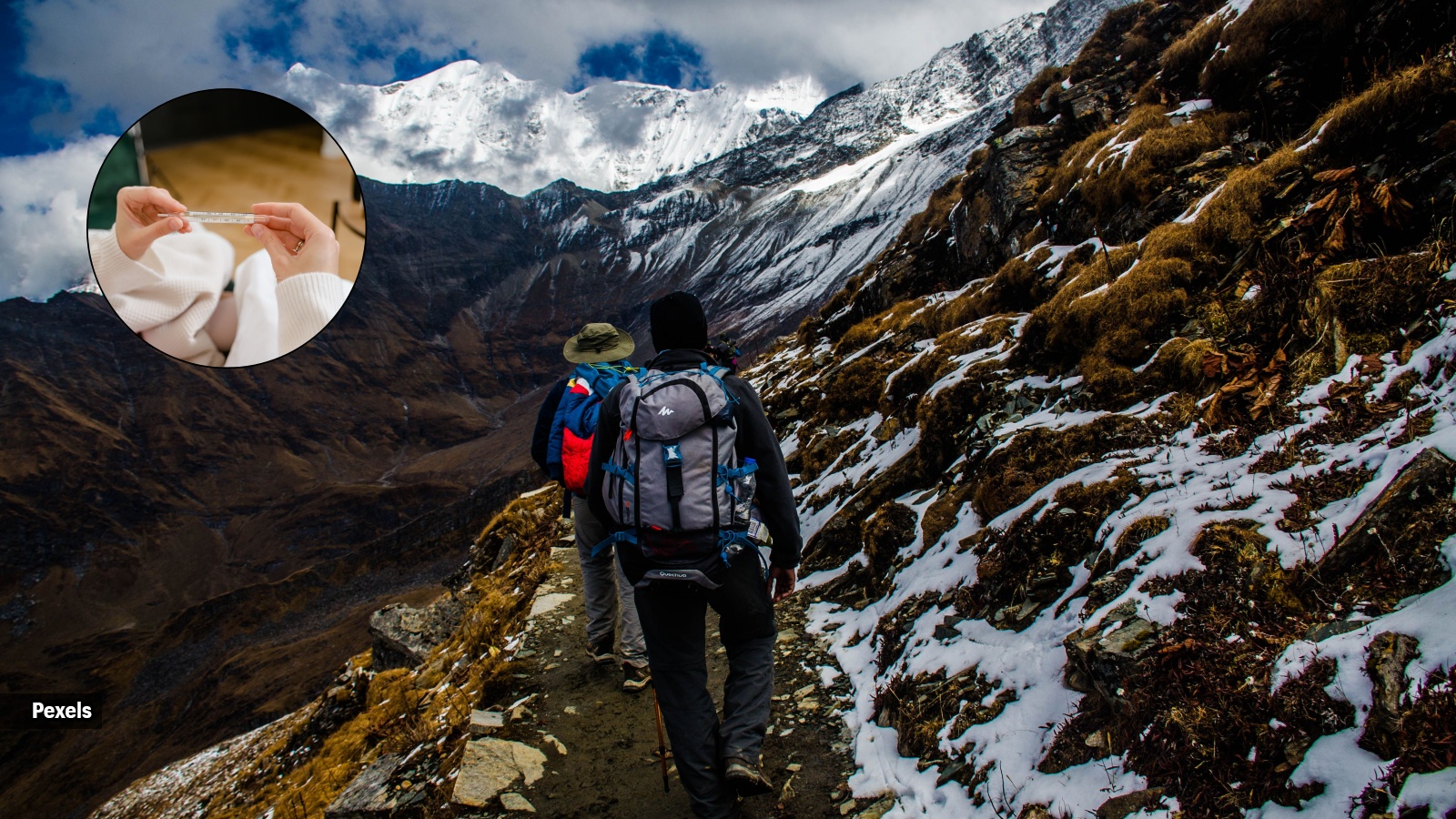
Imagine you go on a big hike in the mountains and have lots of fun.
When you get home, you suddenly feel sick, with a fever or a sore throat.
Sometimes people call this "trek fever."
It is not a real sickness with a special name - it just means getting ill after a very tiring hike.
When you hike very hard, your body gets tired and its germ-fighting power goes down for a little while.
That makes it easier for germs to make you sick, even a couple of days later.
Not drinking enough water, not eating well, or not sleeping enough can make it worse.
Feeling sore and tired after a hike is normal and usually goes away in a day or two.
But if you have a high fever that lasts more than two days, or trouble breathing or chest pain, you should see a doctor.
Drinking water, eating healthy food, sleeping well, and washing your hands can help you stay healthy after a hike.

"Trek fever" describes delayed illness after a strenuous trek and is not a formal medical diagnosis.
Intense physical activity can temporarily lower the body's immune defences, making infections more likely, says Dr Manjusha Agarwal of Gleneagles Hospital Mumbai.
Symptoms such as fever, fatigue, body ache, choked throat, runny nose, upset stomach and headaches may appear 2-3 days after returning home.
Dehydration, poor nutrition, inadequate sleep and extreme heat, cold or rain during a trek increase the risk of post-trek illness.
Seek medical attention if fever persists beyond 48 hours or exceeds 101°F, or if breathing difficulty, chest pain, persistent vomiting, confusion or severe weakness develop.
- Who
- Trekkers, especially seasoned travellers and beginners, and expert Dr Manjusha Agarwal, Consultant-Internal Medicine at Gleneagles Hospital Mumbai.
- What
- An explanation of "trek fever" - delayed illness that appears after a strenuous trek - and guidance on recovery, prevention and when to see a doctor.
- Where
- Not explicitly stated; the expert quoted is based at Gleneagles Hospital Mumbai, India.
- When
- No specific date is given; symptoms may appear 2-3 days after returning from a trek, and normal fatigue usually improves within 24-48 hours.
- Why
- Intense physical exertion stresses the body and can temporarily reduce immune defences, allowing viruses, bacteria, and food-, water- or mosquito-borne infections to surface after the trek.
Key facts
- Condition
- "Trek fever" - delayed illness after strenuous trekking; not a formal medical diagnosis
- Common symptoms
- Fever, fatigue, body ache, choked throat, runny nose, upset stomach, headaches
- Delayed onset
- Symptoms may appear after an incubation period of 2-3 days
- Normal recovery
- Post-trek fatigue usually improves within 24-48 hours with rest, hydration and proper nutrition
- See a doctor if
- Fever persists beyond 48 hours or exceeds 101°F; breathing difficulty, chest pain, persistent vomiting, confusion or severe weakness
- Risk factors
- Dehydration, poor nutrition, inadequate sleep, extreme heat, cold or rain
- Prevention
- Hydration, balanced meals, adequate sleep, hand hygiene, safe water, insect repellent, gradual fitness building
- Expert source
- Dr Manjusha Agarwal, Consultant-Internal Medicine, Gleneagles Hospital Mumbai
Quotes
Dr Manjusha Agarwal
Consultant-Internal Medicine, Gleneagles Hospital Mumbai
“"A strenuous trek leads to stress on the body, and symptoms of illness may only appear once the body begins to recover."”
 indianexpress.com
“"Normal post-trek fatigue usually improves within 24–48 hours with rest, hydration and proper nutrition."”
indianexpress.com
Sources
Related news

Dengue Fatigue Can Continue Two to Four Weeks After Fever
Fever Has Settled But Weakness Remains: When to See Doctor
Doctor Explains Why Exercising With A Fever Is Not Recommended
H1N1 Recovery: Seven Mistakes To Avoid After Fever
H1N1 Usually Improves Within A Week, Cough May Linger
Mumbai Police Extern 10 Habitual Offenders for One Year
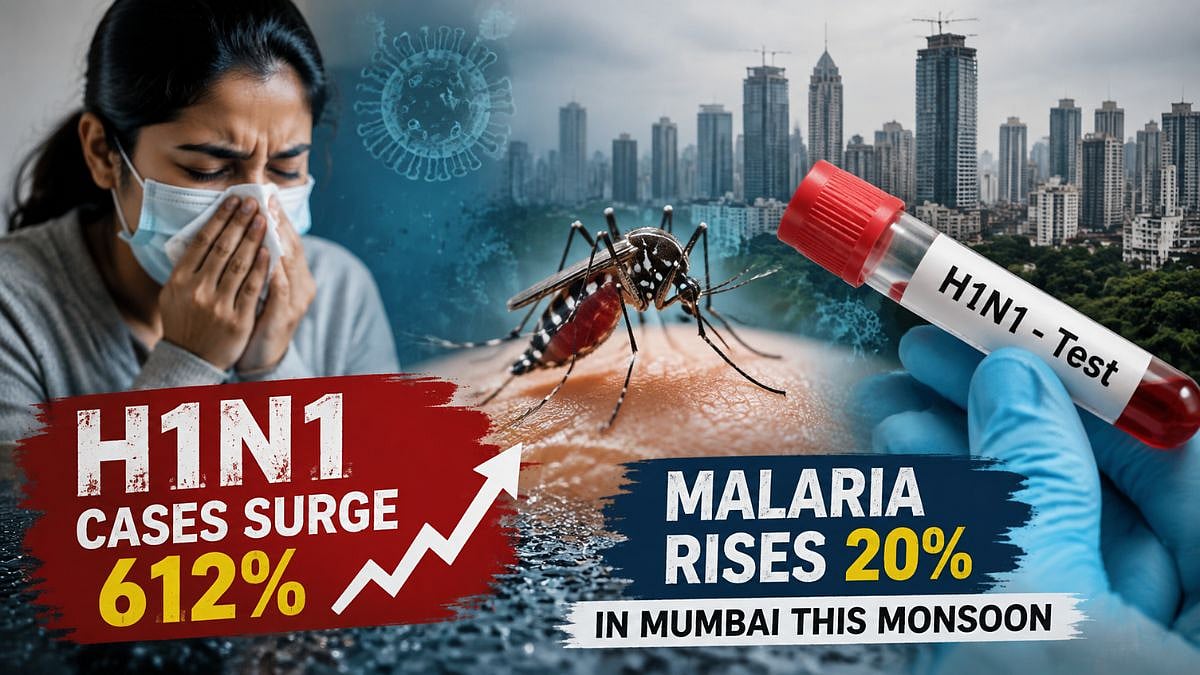
Mumbai Monsoon Sees Sharp Rise in H1N1, Malaria Cases

Ananya Sheth Completes Comeback In Mumbai U-13 Badminton
Mumbai Trains Election Officials Amid Statewide Electoral Roll Revision

Bombay Gymkhana Squash Finals Set After Junior Semifinals