3 days ago
Why Mountain Treks Can Leave Fit People Breathless
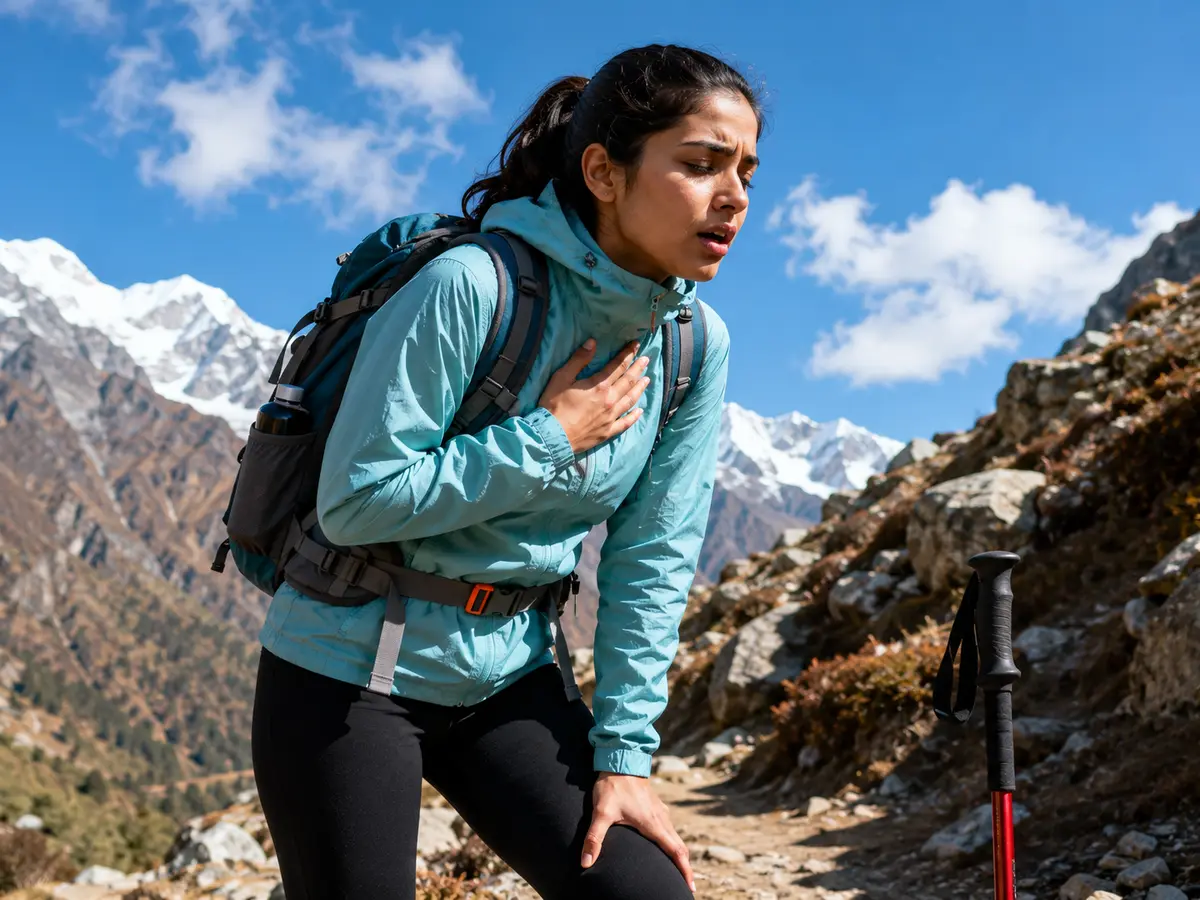
When you climb a mountain, the air still has about 21 percent oxygen.
However, the air pressure becomes lower higher up.
This means each breath delivers less oxygen to your body.
Your heart and lungs work faster to make up for the difference.
Your muscles also use more oxygen while climbing.
That is why even fit people can feel out of breath.
Mild breathlessness while walking uphill can be normal.
Severe breathing trouble while resting, especially with dizziness, nausea, or a headache, can be dangerous.
In that situation, stop climbing and descend to a lower altitude if symptoms worsen.

Air still contains 21 percent oxygen at high altitude, but lower barometric pressure reduces how much oxygen the lungs absorb.
The body responds to reduced oxygen availability by increasing breathing and heart rates.
Working leg muscles need substantial oxygen, causing them to tire faster during steep climbs.
Breathlessness during exertion can be normal, but severe breathlessness at rest is a warning sign.
Dizziness, nausea, or persistent headache may indicate acute mountain sickness; slowing down, hydrating, acclimatising, and descending if symptoms worsen are recommended.
- Who
- Mountain trekkers, including physically fit people, may experience this response.
- What
- Lower atmospheric pressure at altitude can reduce oxygen absorption and cause breathlessness.
- Where
- On mountain trails and at higher altitudes.
- When
- During uphill trekking and after ascending to higher elevations.
- Why
- Reduced barometric pressure means less oxygen is absorbed with each breath, prompting faster breathing and heart rate.
Key facts
- Oxygen concentration
- The air contains about 21 percent oxygen regardless of altitude.
- Main cause
- Lower barometric pressure at higher elevations reduces oxygen absorption by the lungs.
- Body response
- Breathing and heart rates increase to help deliver oxygen to organs and muscles.
- Normal symptom
- Mild breathlessness during uphill exertion can occur even in fit people.
- Warning signs
- Severe breathlessness at rest, dizziness, nausea, or persistent headache may indicate acute mountain sickness.
- Prevention
- Walk slowly, stay hydrated, and allow time to acclimatise.
- Emergency response
- If symptoms worsen, descend immediately to a lower altitude.
Sources
Related news
Mountain Trek Health Checks Needed Before High-Altitude Travel

What happens to the body when you hold your breath
How to Protect Your Feet During a Long Mountain Trek
Post-Trek Fever: Why Symptoms Appear After You Return

H1N1 Cases Surge as Breathing Problems Raise Health Alarms

Doctor Explains 80% Hydration Rule for Safer Running

Bank of England Warns AI Boom Could Trigger Market Shock

India's Rising Caesarean Rates Raise Calls for Dignified Childbirth

Ex-UK Doctor Praises India's Easy Late-Night Medicine Access

Thousands of UK Mothers May Have Undiagnosed Birth Trauma