2 hrs ago
Himalayan Dams Face Rising Risks Beyond Individual Projects
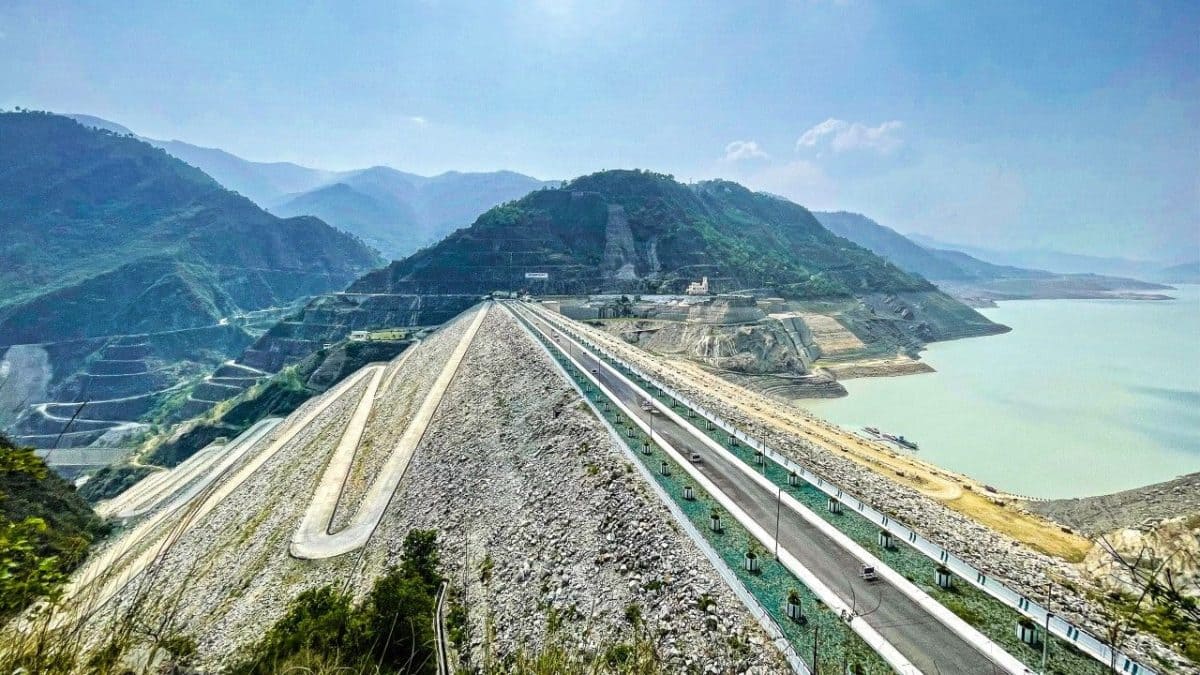
The Himalayas have many dams that make electricity from rivers.
But the mountains are changing, and hazards such as heavy rain, earthquakes, landslides and melting glaciers can threaten these dams.
In 2023, a glacial lake in Sikkim burst and destroyed the Teesta III hydropower project.
The flood carried water, rocks and mud far downstream.
Experts say looking at each dam separately may not show the full danger.
Several dams, roads and tunnels in one river basin can affect one another.
Government agencies are improving warning systems and studying risks from glacial lakes.
Some researchers also want stricter rules, more local participation and assessments of entire river basins before new projects are approved.

More than 600 dams span Himalayan river basins, alongside tunnels, roads, powerhouses and transmission lines.
The October 2023 South Lhonak Lake outburst destroyed the 1,200 MW Teesta III project in Sikkim.
Climate change, earthquakes, landslides, sedimentation and glacial-lake outburst floods are increasing uncertainty for dams.
Experts say project-by-project assessments can miss cumulative impacts across entire river basins and connected communities.
Authorities are expanding early-warning systems and GLOF studies, while researchers call for basin-wide planning and stronger accountability.
- Who
- Himalayan hydropower developers, government agencies, researchers and affected communities are involved.
- What
- The safety and cumulative environmental impact of Himalayan dams are being reassessed as climate and geological risks increase.
- Where
- Across Himalayan river basins in India, including Sikkim, Himachal Pradesh and Uttarakhand.
- When
- The issue was highlighted by the October 2023 South Lhonak Lake disaster and subsequent government reviews; relevant studies and assessments span 2013 to 2024.
- Why
- Glacial hazards, extreme rainfall, earthquakes, landslides, sedimentation and multiple infrastructure projects can combine to threaten dams and downstream areas.
Project-Level Development
Basin-Wide Precaution
How projects should be assessed
Project-Level Development
Supporters of continued hydropower development emphasize project-specific engineering, safety measures, monitoring and early-warning systems to manage identified hazards.
Basin-Wide Precaution
Critics argue that a project can meet its own requirements while increasing risks across a river basin already containing other dams, roads, tunnels and settlements.
Scale of construction
Project-Level Development
The reporting does not establish that every hydropower project should be rejected; infrastructure may continue where risks are assessed and managed.
Basin-Wide Precaution
Manshi Asher advocates saying no to large-scale construction in the high and mid Himalaya, along with stricter regulation and stronger accountability.
Planning standard
Project-Level Development
Government agencies are expanding GLOF studies, flood reviews and early-warning systems to make existing and new projects safer.
Basin-Wide Precaution
Maharaj K. Pandit calls for strategic environmental assessments based on basin carrying capacity, including geological, ecological and community considerations.
Key facts
- Existing dams
- A 2024 assessment counted more than 600 dams across the Indus, Ganga and Brahmaputra basins.
- Indian large dams
- The 2023 National Register listed 89 large dams across Himalayan Indian regions: 73 operational and 16 under construction.
- Sikkim disaster
- The October 2023 South Lhonak Lake outburst destroyed the 1,200 MW Teesta III hydropower project at Chungthang.
- GLOF exposure
- The Central Electricity Authority identified 47 dams as likely to be affected by glacial-lake outburst floods, including 38 commissioned and nine under construction.
- GLOF studies
- Studies had been completed for 31 of those 47 dams, and such studies became mandatory for new projects with glacial lakes in their catchments.
- River-basin impacts
- A Wildlife Institute of India assessment found that implementing proposed projects could affect at least 47% of river stretches in the Bhagirathi and Alaknanda basins.
- Safety compliance
- The Himachal Pradesh government reportedly found that 21 of 23 operational hydropower projects violated safety norms during the 2023 floods.
Quotes
Maharaj K Pandit
Himalayan ecology scholar and distinguished visiting professor at the National University of Singapore
“Say no to large-scale construction in the high and mid Himalaya. Stricter regulatory frameworks, stronger accountability norms and greater democracy in environmental governance are needed for all development projects.”
 firstpost.com
“A ‘single project’ approach is a recipe for disaster. We must consider the entire basin's development profile because it is a system, and a river is a continuum, not a set of discrete parts.”
firstpost.com
Sources
Related news
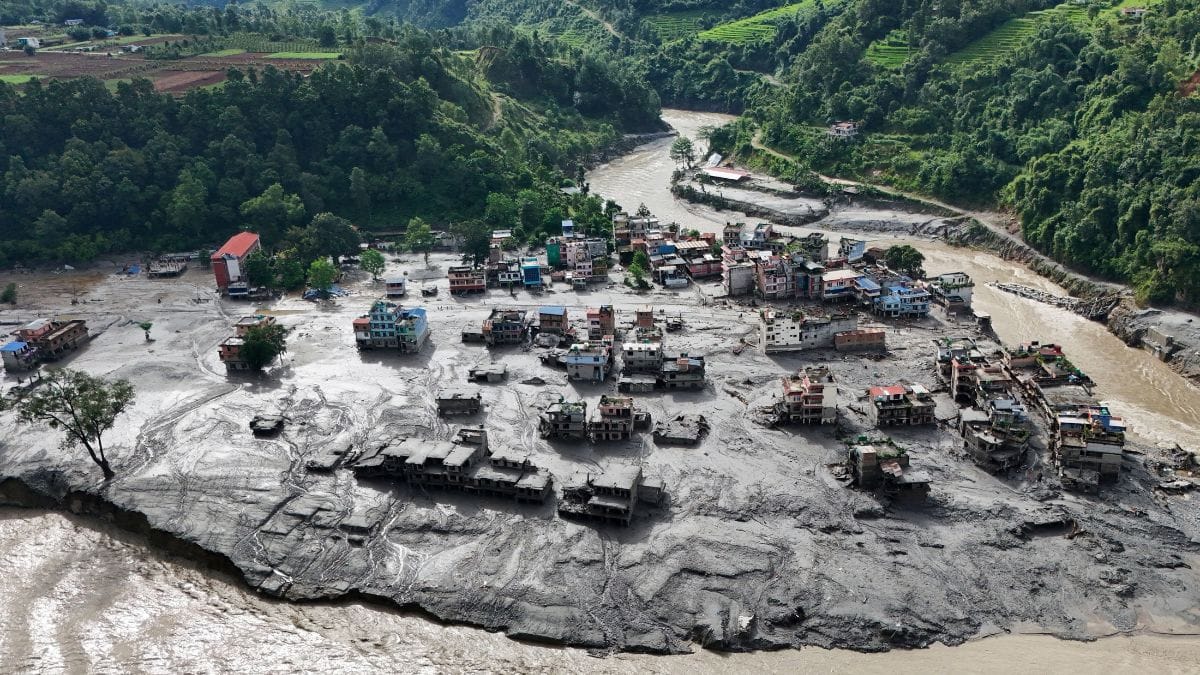
Himalayan Dam Boom Raises Flood and Seismic Risks
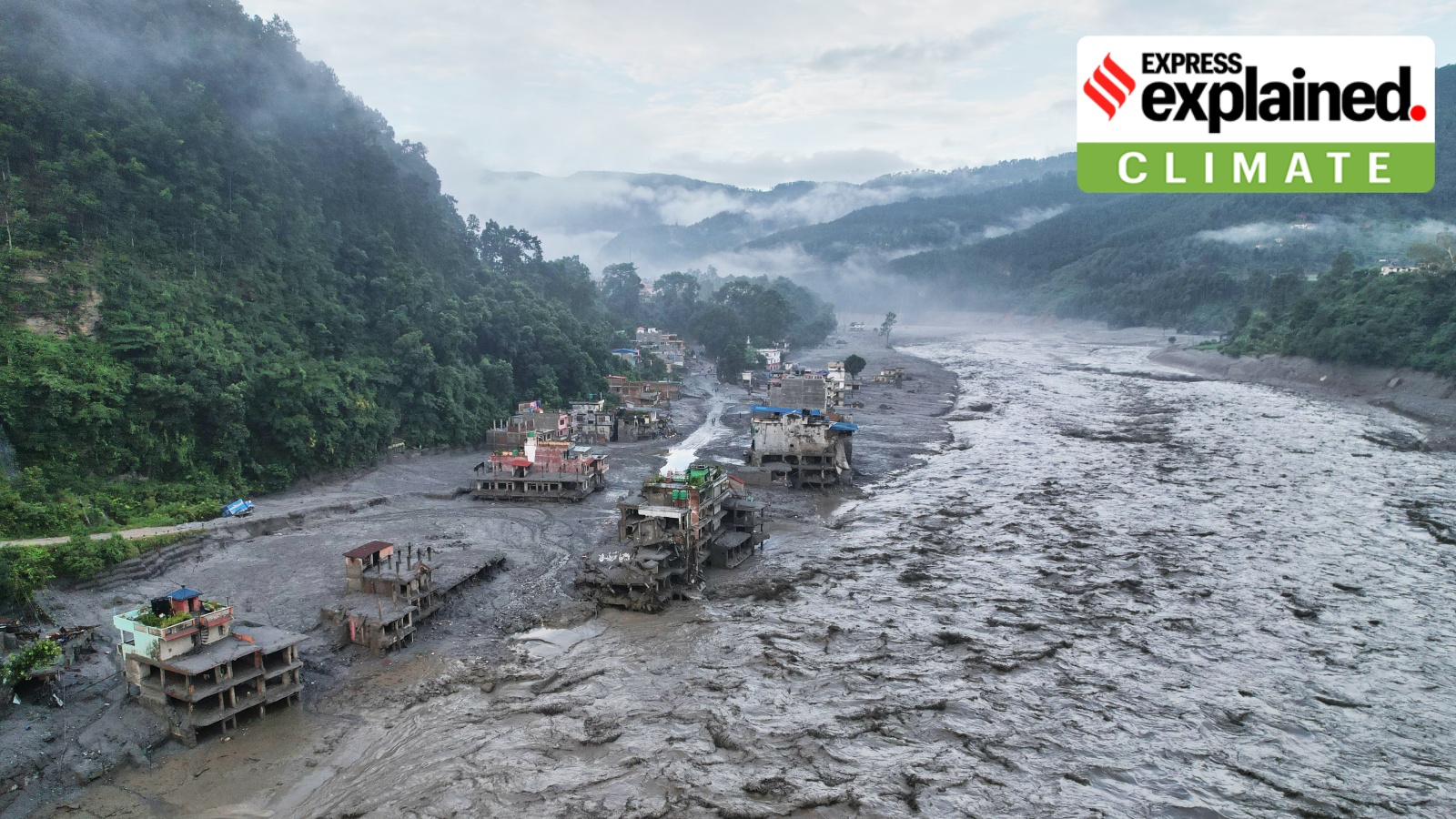
Nepal Floods Raise Red Flags Over Himalayan Dam-Building
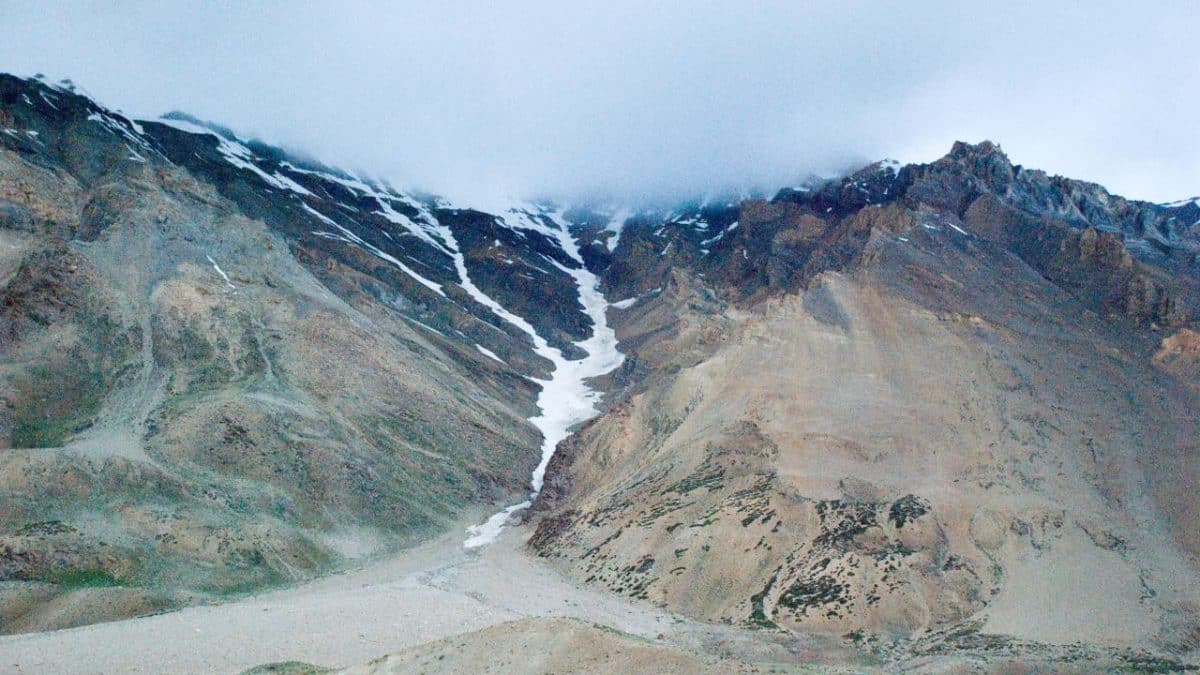
Growing Himalayan Glacial Lakes Threaten India’s Hill Towns
Himalayan Floods Intensify Calls for Regional Water Cooperation
Nepal Floods Expose Growing Risks to Himalayan Hydropower

Garbage Dumps Draw Sloth Bears Into Nilgiris Settlements

Fourth Coal Mine Near Tiger Corridor Gets Environmental Clearance Recommendation

India Links Rhino Recovery to Grassland Protection and Restoration

Record Leatherback Turtle Nests Confirmed at Great Nicobar Project Site