3 days ago
Himalayan Dam Boom Raises Flood and Seismic Risks
The Himalayan mountains hold water that feeds many major Asian rivers.
Several countries are building dams there to make electricity.
China is planning the largest project, on the Yarlung Zangbo River in Tibet.
The project would be much bigger than the Three Gorges Dam.
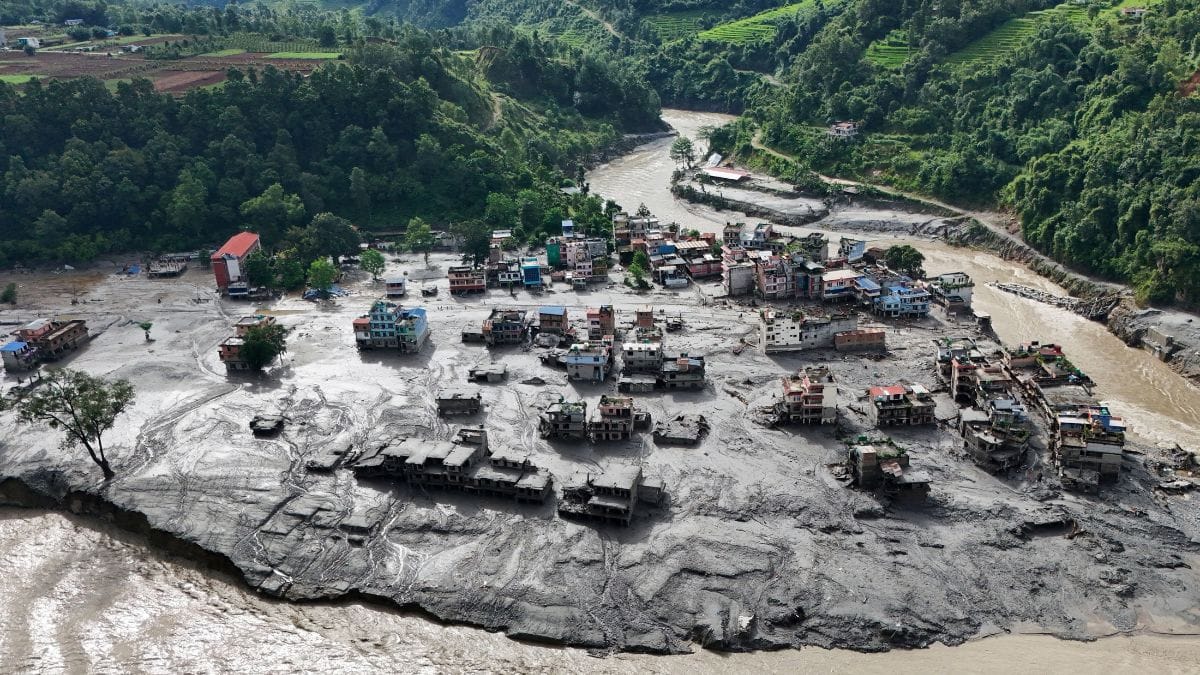
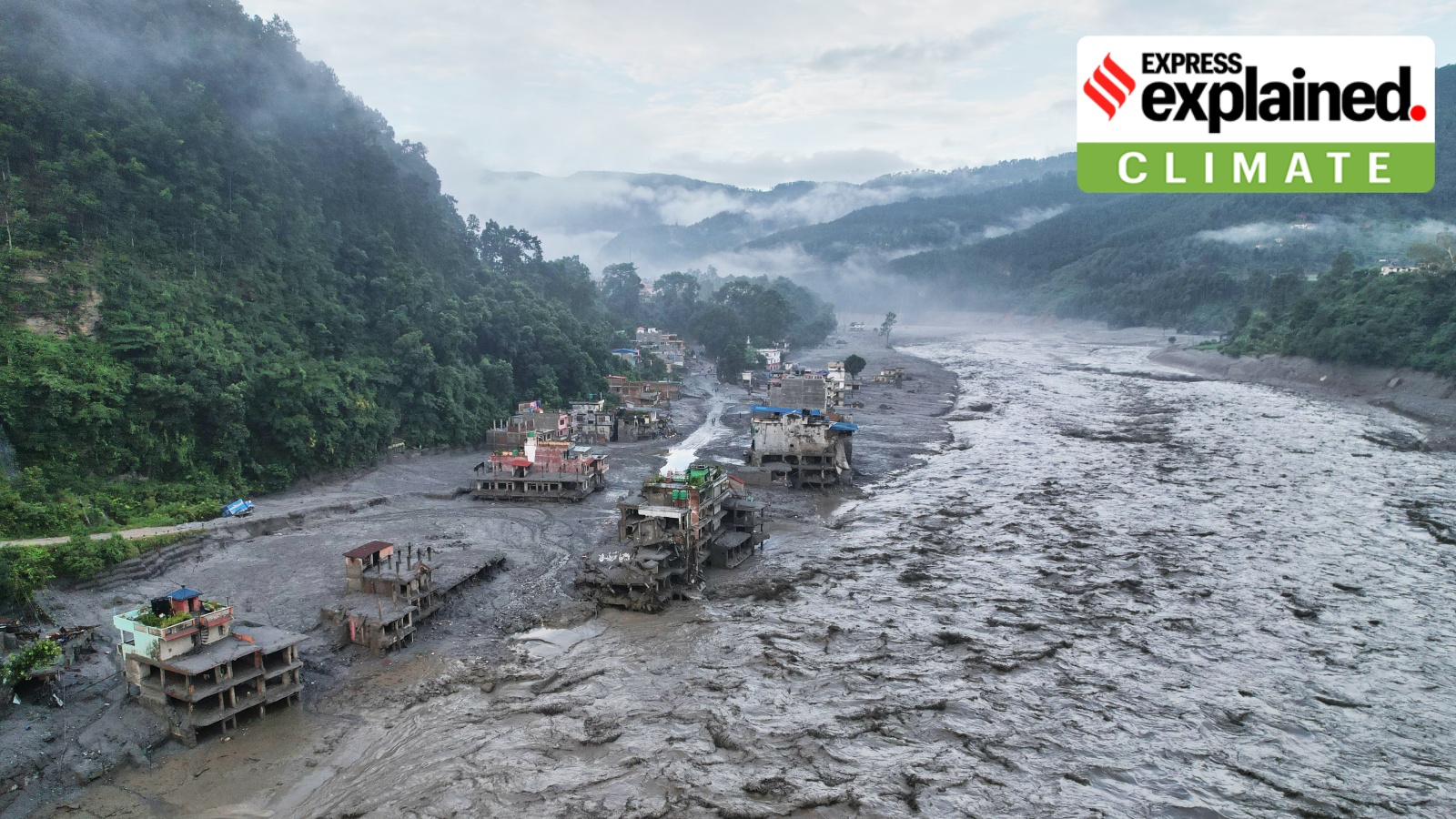
Nepal’s recent floods damaged two hydropower projects.
This showed how buildings meant to control water can also be exposed to dangerous floods.
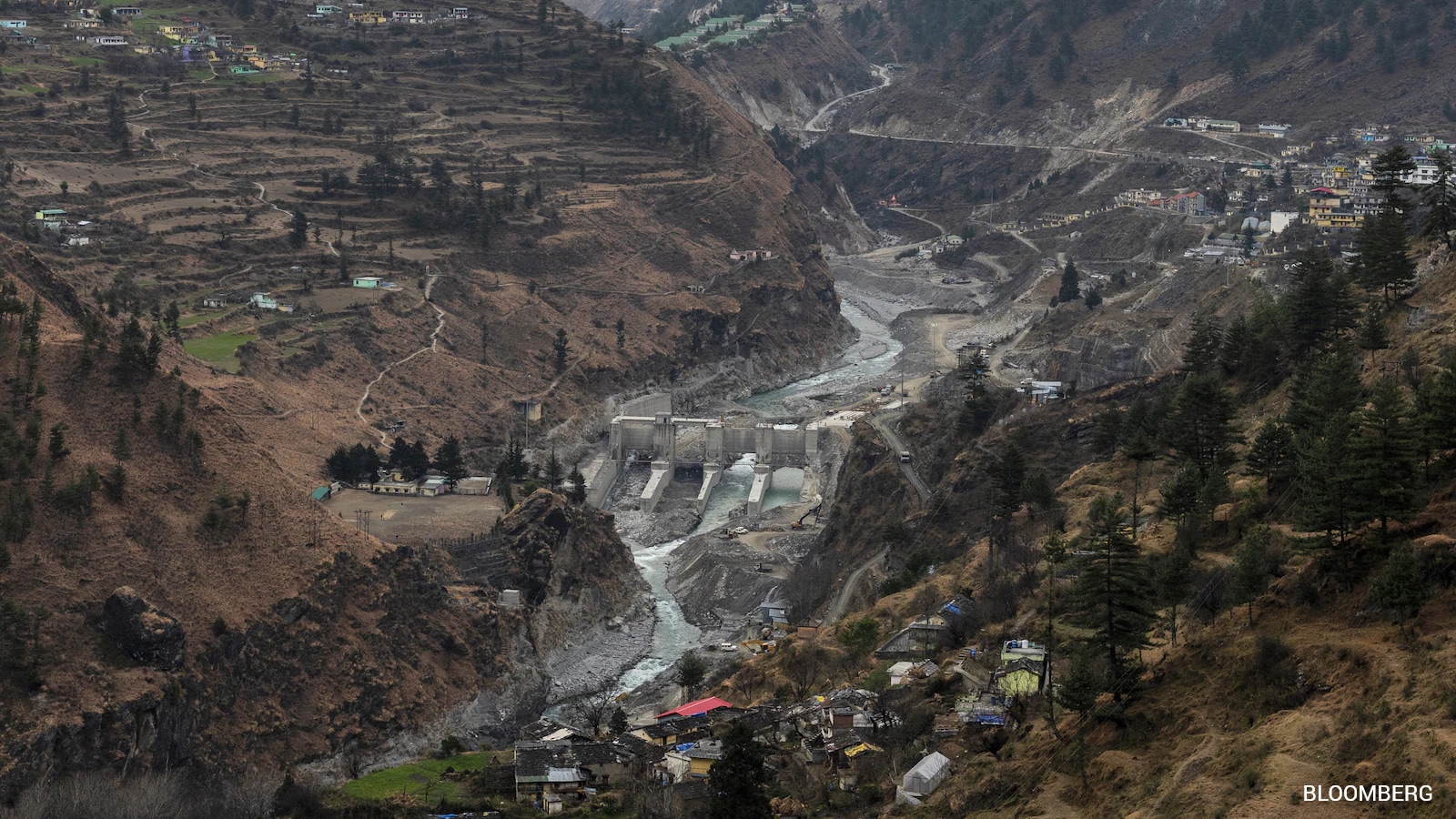
The region is also prone to earthquakes and landslides.
India and Bangladesh worry that upstream dams could affect when and how much water reaches them.
The articles say better preparation and warning systems are needed before more projects are built.

About 550 hydropower projects are planned, underway, or under construction across the Hindu Kush Himalaya.
China’s hydropower expansion in Tibet and southwestern China is described as the region’s largest and fastest-growing by scale.
The planned 60,000-megawatt Yarlung Zangbo project would include five stations near Tibet’s Great Bend.
Flood damage to Nepal’s Upper Trishuli 3A and Sanjen Khola projects highlighted infrastructure risks in fragile mountain valleys.
Experts and officials have raised concerns about earthquakes, unstable terrain, climate uncertainty, and downstream water politics.
- Who
- China, India, Pakistan, Nepal, Bhutan, Bangladesh, hydropower developers, and communities downstream of Himalayan rivers.
- What
- A major expansion of Himalayan hydropower is prompting debate over electricity production, flood vulnerability, earthquake risks, and control of water flows.
- Where
- Across the Hindu Kush Himalaya, including Tibet, Nepal, Pakistan, India, Bhutan, and the river basins downstream.
- When
- Hydropower capacity expanded between 2000 and 2020; the Yarlung Zangbo project broke ground in July 2025, while Nepal’s floods occurred this week according to the article.
- Why
- Governments are pursuing hydropower for energy and strategic reasons, while critics and researchers warn about seismic hazards, extreme weather, infrastructure failures, and downstream impacts.
Hydropower expansion and energy security
Environmental, safety, and downstream concerns
Need for electricity
Hydropower expansion and energy security
Supporters view Himalayan dams as a major source of renewable energy for hundreds of millions of people and as part of national energy-security strategies.
Environmental, safety, and downstream concerns
Critics argue that more infrastructure in fragile valleys could increase exposure to floods, landslides, earthquakes, and an increasingly unpredictable climate.
Yarlung Zangbo project
Hydropower expansion and energy security
China presents the project’s scale as an extraordinary renewable-energy opportunity and is developing it to harness the river’s steep elevation drop.
Environmental, safety, and downstream concerns
India and Bangladesh are concerned that an upstream project could influence the timing and volume of water reaching downstream countries, while researchers question the geological and engineering risks.
Regional development
Hydropower expansion and energy security
China-backed projects in Pakistan and Nepal provide financing, construction expertise, and additional electricity-generation capacity.
Environmental, safety, and downstream concerns
Projects have faced delays, financing problems, procurement disputes, and flood damage, raising questions about implementation and protection for local communities.
Key facts
- Regional projects
- The International Centre for Integrated Mountain Development report identifies 550 hydropower projects underway, planned, or under construction across five Himalayan countries.
- Estimated potential
- The region has an estimated 500 gigawatts of hydropower potential.
- Yarlung Zangbo project
- China’s planned project is designed for 60,000 megawatts across five cascading stations.
- Project scale
- The planned Yarlung Zangbo capacity is about three times that of the Three Gorges Dam, according to the article.
- Estimated cost
- The Yarlung Zangbo project is estimated to cost between $137 billion and $170 billion.
- Nepal flood damage
- Nepal’s 60-megawatt Upper Trishuli 3A and 78-megawatt Sanjen Khola projects were damaged in the reported disaster.
- Seismic concern
- Researchers identify the Himalayan region as highly earthquake-prone because the Indian and Eurasian tectonic plates continue to collide.
Sources
Related news
Nepal Floods Expose Growing Risks to Himalayan Hydropower

Tibet Dam-Building Raises Flood and Earthquake Concerns Downstream

Nepal Floods Renew Concerns Over China’s Tibet Dam Projects

China’s Proposed Yarlung Tsangpo Mega-Dam Raises Downstream Concerns
Nepal Floods Raise Red Flags Over Himalayan Dam-Building

India’s Record Wheat Harvest Opens $1.5 Billion Export Window

West Bengal CM Crushes Nearly 2 Lakh Seized Syrup Bottles

India, Bangladesh Seek Deeper Parliamentary and People-to-People Ties

Bangladesh Radicalisation Raises Concerns About Security Spillover Into India

Bengaluru Police Transfer 31 Bangladeshi Nationals for Deportation