2 hrs ago
India Links Rhino Recovery to Grassland Protection and Restoration
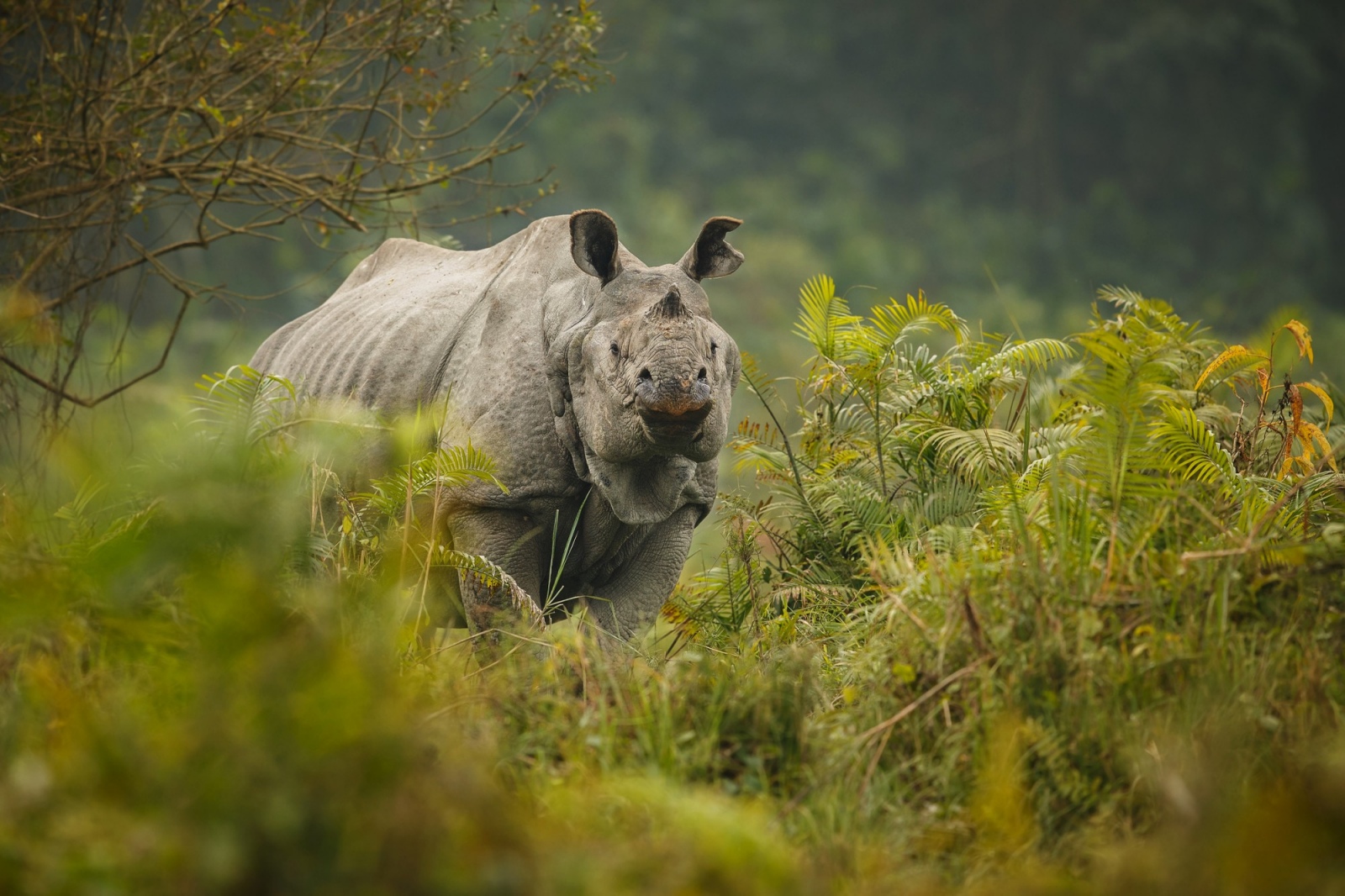
India’s greater one-horned rhinos live mainly in grasslands, wetlands and floodplains.
These places provide the food and space that rhinos need.
They also help many other animals, including elephants, tigers, wild buffalo and birds.
India says its rhino population grew from about 1,500 to more than 4,000 by September 2024.
A national plan launched in 2019 aims to protect existing rhinos and return them to suitable former habitats.
The plan includes restoring grasslands, moving rhinos carefully and preparing for climate changes.
A larger project will study India’s grasslands and identify places that need protection or repair.
Forest staff and nearby communities are also important to keeping rhinos safe.
The main idea is that protecting rhinos means protecting the whole landscape around them.

India’s greater one-horned rhino population rose from about 1,500 to more than 4,000 by September 2024.
The 2019 National Conservation Strategy seeks stronger populations, habitat restoration, connectivity, translocations and climate resilience.
A proposed 2026–2031 rhino programme would invest Rs 77.39 crore across five states.
A separate Rs 20.86 crore grassland assessment would map ecological condition, biodiversity, degradation and restoration priorities.
The strategy emphasizes scientific habitat management, technology, field staff, local communities and international cooperation.
- Who
- The Government of India, rhino-bearing states, conservation workers and local communities are involved; the greater one-horned rhinoceros is the focal species.
- What
- India is expanding a conservation effort that links rhino recovery with grassland and wetland protection, habitat restoration and climate resilience.
- Where
- The effort focuses on Assam, Arunachal Pradesh, Bihar, Uttar Pradesh and West Bengal, including the Brahmaputra and Terai landscapes.
- When
- The National Conservation Strategy was launched in 2019; the proposed programmes would run from 2026 to 2031, with the population figure reported as of September 2024.
- Why
- Healthy alluvial and Terai grasslands and wetlands are essential to rhino survival and also support wider biodiversity, while habitat loss, invasive species and extreme climate events create conservation pressures.
Key facts
- Species
- Greater one-horned rhinoceros (Rhinoceros unicornis)
- Population recovery
- From around 1,500 animals to more than 4,000 by September 2024
- National strategy
- Launched in 2019
- Rhino programme budget
- Rs 77.39 crore proposed for 2026–2031
- Grassland assessment budget
- Rs 20.86 crore for 2026–2031
- Rhino programme states
- Assam, Arunachal Pradesh, Bihar, Uttar Pradesh and West Bengal
- International cooperation
- India, Bhutan, Indonesia, Malaysia and Nepal adopted the New Delhi Declaration in 2019
Sources
Related news
Assam Reports 3,260 Rhinos and Zero Poaching in 2025

India urges community-led rangeland restoration at UNCCD CoP17

Vantara Expands Government Partnerships For Wildlife Rescue And Conservation

Gujarat Inaugurates Great Indian Bustard Soft Release Centre in Kutch

Assam Returns World’s Smallest Pig to the Wild
Record Leatherback Turtle Nests Confirmed at Great Nicobar Project Site

Rescued Orangutan Cubs Stable as Odisha Smuggling Probe Continues
New guide documents 454 mammal species found in India