

Science & Tech · Science & Environment · 1 hr ago
Wolves Reduced Yellowstone Elk, but Tree Recovery Stayed Limited
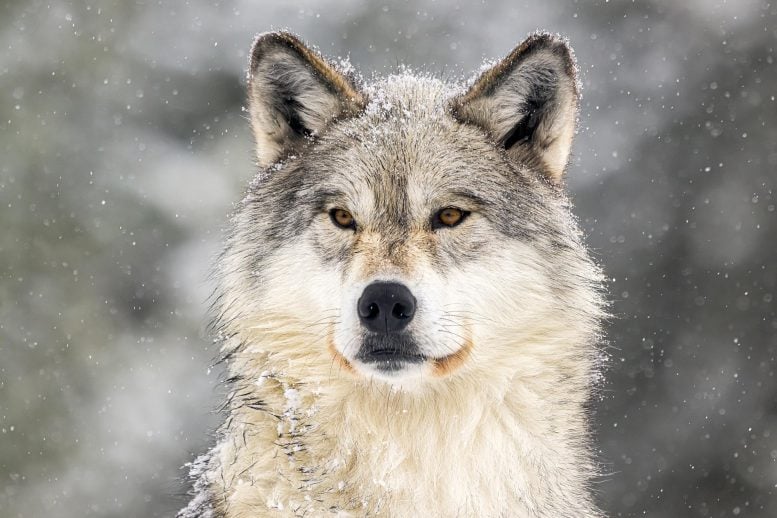
Wolves returned to Yellowstone National Park in 1995, after being eradicated there in the 1920s.
The popular story says wolves reduced elk numbers and drove them away from river valleys, allowing willows and aspens to grow back and beavers to return.
Longer-term research finds the effects were more limited than that story suggests.
Elk numbers fell partly because of wolves, but humans, bears and mountain lions also prey on elk.
Some trees recovered in some areas, but not enough to transform the park’s landscape as widely claimed.
Elk may still seek good grazing even when wolves are nearby, so their behavior does not follow a simple chain of cause and effect.
The findings challenge the idea that wolves alone restored Yellowstone, and no specific next step is described.

Yellowstone wolves helped reduce elk numbers, but tree recovery remained limited and did not match the landscape-wide restoration often described in popular accounts.
Researchers say the effects of wolves are part of a more complex ecological process involving other predators and human hunting.
Some tree recovery occurred in parts of the park after elk numbers fell.
The park’s lead wolf biologist described the effects as more of a “trophic trickle” than a cascade.
- Who
- Wolves, elk and other predators in Yellowstone National Park; researchers studied their effects.
- What
- Wolves helped reduce elk numbers, but tree recovery remained limited.
- When
- Since wolves were reintroduced in 1995; the article draws on decades of research.
- Where
- Yellowstone National Park in the western United States.
- Why
- Elk numbers fell through the effects of wolves and other predators, but hungry elk continued to seek good grazing.
Popular trophic-cascade account
Researchers
Extent of restoration
Popular trophic-cascade account
Wolves’ return is often described as having restored Yellowstone and reversed elk-driven damage.
Researchers
Tree recovery occurred in some areas but fell far short of a landscape-wide reversal.
How the effects spread
Popular trophic-cascade account
More wolves meant fewer elk and more tree growth, according to the simplified account.
Researchers
Wolves are one of several forces affecting elk, and the ecological effects are more complex.
Wolves were eradicated from Yellowstone.
Wolf reintroduction in Yellowstone began.
Scientific studies describing trophic cascades helped establish the story of wolves restoring the ecosystem.
Rewilding advocate George Monbiot’s TED Talk helped popularize the account.
- Wolf reintroduction
- Began in 1995
- Wolf eradication
- 1920s
- Tree recovery
- Occurred to some degree in some parts of the park
- Other elk predators
- Humans, bears and mountain lions
What people are saying
trophic trickle
Sources
Related news

High-speed video shows how detached honeybee stingers keep pumping venom

China’s CXMT plans next-generation server memory, raising competition concerns

Pacific buoy recorded a 17.6-metre rogue wave nearly three times its neighbours

A 1960 population model set a ‘doomsday’ date that later growth disproved

Trump revives effort to halt Ørsted offshore wind farm construction

Scientists urge governments to tighten rules on the exotic pet trade

Quantum simulator reveals predicted energy patterns at two tipping points
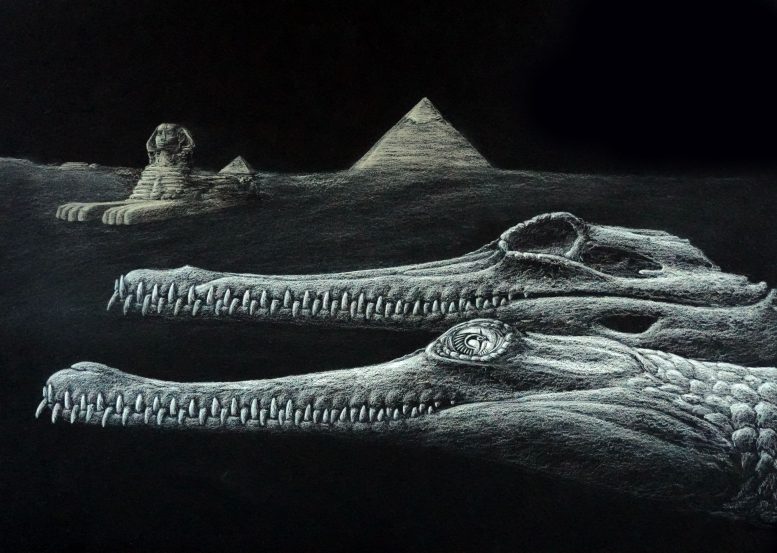
Egyptian fossils identified as a new 45-million-year-old crocodile species

Red dwarf slowly draws matter from a brown dwarf

Vellore starts clearing invasive plants from irrigation tanks before monsoon
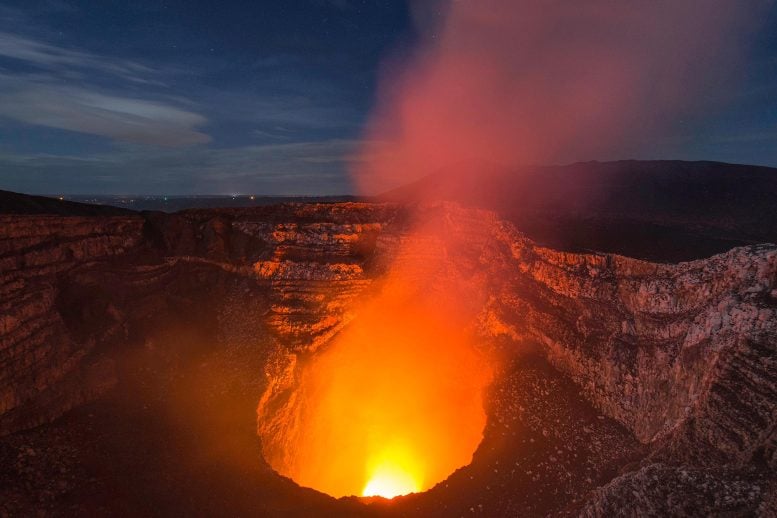
Satellite Data Reveal Opposing Changes Beneath Nicaragua’s Masaya Volcano
