

Science & Tech · Science & Environment · 4 hrs ago
São Paulo’s century-old underground power network limits weather exposure
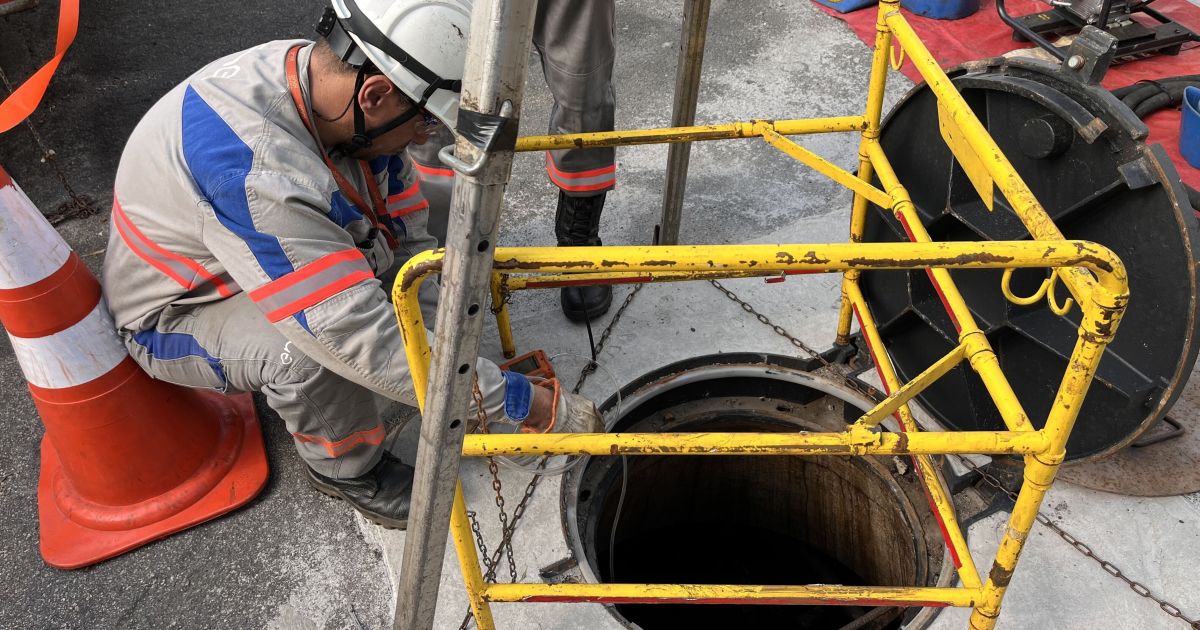
São Paulo has had underground power passages for more than a century, with its first energy chamber opening in 1925.
The network is concentrated in the city centre and is now managed by Enel.
Underground cables are less exposed to wind and rain, which can help limit weather-related damage.
They serve about 5% of Enel’s customers, around 430,000 people, but deliver more than 20% of the company’s electricity, including to hospitals and historic buildings.
The system includes about 6,000 access wells and 5,000 galleries, where crews inspect and maintain equipment.
Cable theft is a major challenge: more than 70 kilometres of cable were reported stolen between 2021 and 2025.
Enel is facing a crisis after windstorms caused outages affecting millions of customers in 2024 and 2025, and there is no concrete plan to expand the underground network.

São Paulo has had underground electricity infrastructure for more than 100 years, helping limit exposure to wind and rain.
The first energy chamber opened in 1925, and the system was modernized in the 1950s.
Enel now manages the network, which is concentrated mainly in the city centre.
About 430,000 customers, or 5% of Enel’s customers, receive electricity through underground lines, accounting for more than 20% of the electricity Enel distributes.
The network includes 6,000 shafts and 5,000 galleries, and more than 70 kilometres of cable were reported stolen from 2021 to 2025.
- Who
- Enel manages São Paulo’s underground electricity network.
- What
- The network’s buried cables are less exposed to wind and rain, which can reduce the effects of extreme weather.
- When
- The first energy chamber opened in 1925. The network has existed for more than 100 years.
- Where
- São Paulo, especially the city centre.
- Why
- Buried cables face less exposure to wind and rain, limiting the impact of climate change and extreme weather.
This story does not have two clearly opposing sides.
The first energy chamber was inaugurated by the Canadian company Light and Power Company.
The system was modernized with the opening of a Paula Souza reticulated chamber.
The underground network saw its largest expansion.
More than 70 kilometres of cables were reported stolen.
Windstorms caused power outages that left millions of consumers without electricity.
- First energy chamber
- Opened in 1925
- Underground customers
- About 430,000, or 5% of Enel’s customers
- Share of electricity distributed
- More than 20%
- Network infrastructure
- 6,000 shafts and 5,000 galleries
- Cable theft
- More than 70 kilometres reported stolen from 2021 to 2025
What people are saying
The importance of the underground network is very great, mainly because of the robustness and resilience of the circuit, as well as demand.
Sources
Related news

Fossil study suggests animal life may be 200 million years older

Study finds honey bee stingers pump venom with two saw-like parts

Low-pressure system may bring rain to Andhra Pradesh from October 15

Study finds ancient gut microbes shared by Hadza and Tsimane

A 1960 Population Model’s 2026 Doomsday Forecast Fell Behind Reality

Roman Villa Excavations Near Wrexham Reveal Earlier Activity and Later Changes

Aging-related DNA changes may help explain why large dogs die younger

Debate over Monte Verde reopens questions about the first Americans

Africa’s solar installations set a record as official data misses much of the growth

Elephant remains reveal a wetland and woodland habitat in ancient Israel

Northeast monsoon likely to begin over southern India within days
