

Science & Tech · Science & Environment · 3 hrs ago
Study finds ancient gut microbes shared by Hadza and Tsimane
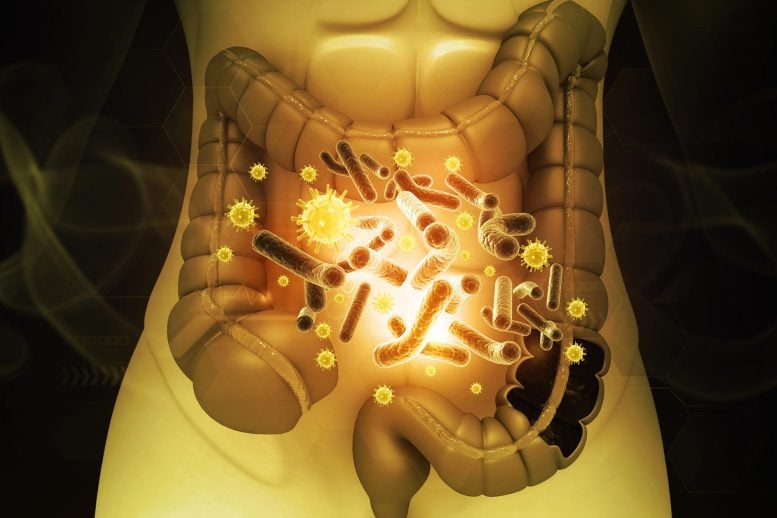
Researchers at Stanford compared gut microbes in the Hadza, hunter-gatherers in Tanzania, and the Tsimane, Indigenous people in Bolivia who forage and grow crops.
They found 1,231 bacterial species shared by the two populations, despite their different diets and long separation.
About 60% of the shared species are rare or absent in industrialized populations.
Genetic evidence suggests many of these microbes were present in the ancestors of both groups and may have traveled with humans during ancient migrations.
Modern industrialized populations tend to have less diverse gut microbes, possibly linked to antibiotics, processed diets and highly sanitized environments.
Changes in gut microbes have been associated with some diseases, but the study does not show that losing these particular species causes illness.
The researchers say they want to investigate further how humans and these long-standing microbial companions have influenced each other.

A Stanford-led study found that the Hadza of Tanzania and the Tsimane of Bolivia share 1,231 gut bacterial species despite being separated by continents.
About 60% of the shared species are rare or absent in industrialized populations.
The researchers found that estimated divergence times for many shared bacteria matched major prehistoric human migrations.
The study says it remains unknown whether losing these microbes directly contributes to illness.
- Who
- Researchers compared the Hadza, hunter-gatherers in Tanzania, with the Tsimane, Indigenous forager-horticulturalists in Bolivia.
- What
- A study found 1,231 gut bacterial species shared by the two populations.
- When
- The study was published on October 7, 2026.
- Where
- The Hadza live in Tanzania and the Tsimane in the Bolivian Amazon.
- Why
- Researchers examined whether shared gut microbes had traveled with human ancestors and how industrialized lifestyles may have changed gut microbiomes.
This story does not have two clearly opposing sides.
The study was published in Nature.
SciTechDaily published its report on the study.
- Shared gut bacterial species
- 1,231
- Species rare or absent in industrialized populations
- About 60% of those shared
- Bacterial species identified in sampled Tsimane
- Approximately 1,400
- Study journal and publication date
- Nature, 7 October 2026
What people are saying
We were really surprised to see that the vast majority of the species in the Tsimane’s microbiome correspond with the Hadza’s
We see evidence that these bacteria were present in the ancestors of both the Tsimane and the Hadza, and therefore presumably the ancestors of all of us
This long-term association has implications for how such recent biodiversity loss in our microbiome may impact our biology and thus our health
Sources
Related news

Chinook salmon return to habitat opened by removal of four Klamath River dams
Fossil study suggests animal life may be 200 million years older
Study finds honey bee stingers pump venom with two saw-like parts

Low-pressure system may bring rain to Andhra Pradesh from October 15

A 1960 Population Model’s 2026 Doomsday Forecast Fell Behind Reality
Roman Villa Excavations Near Wrexham Reveal Earlier Activity and Later Changes
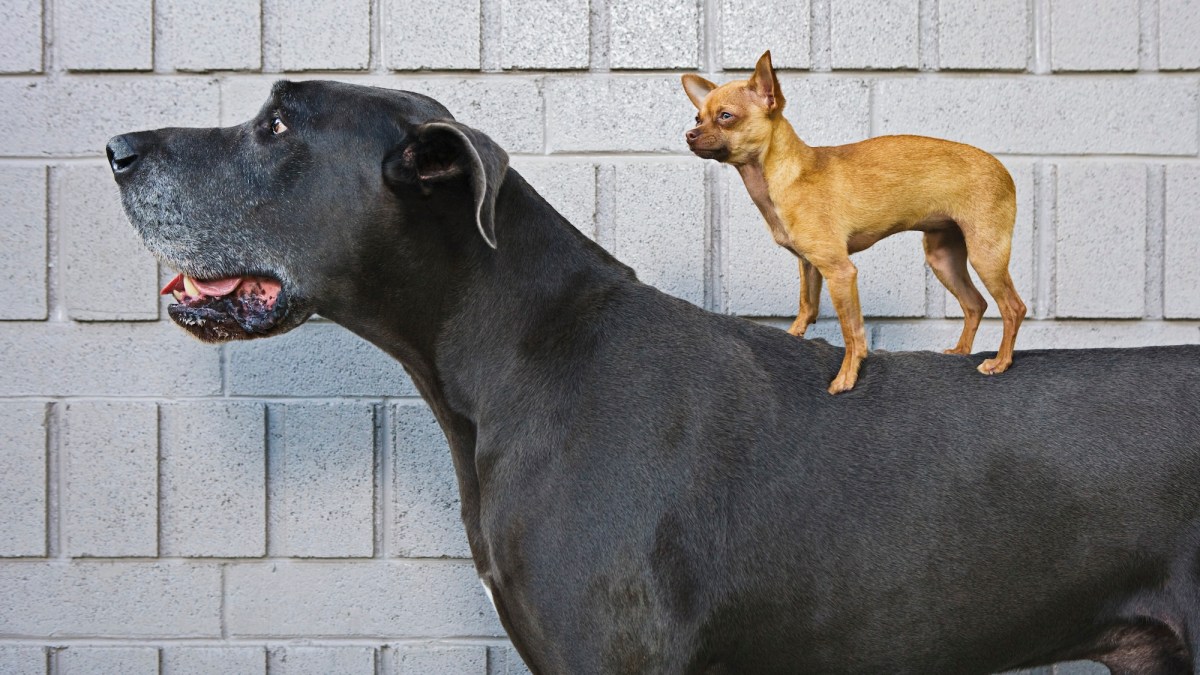
Aging-related DNA changes may help explain why large dogs die younger

Debate over Monte Verde reopens questions about the first Americans

Africa’s solar installations set a record as official data misses much of the growth

Vienna team demonstrates a self-stabilizing thorium nuclear clock

Ucluelet wave was nearly three times the height of nearby waves
