

Science & Tech · Science & Environment · 2 hrs ago
Fossil study suggests animal life may be 200 million years older
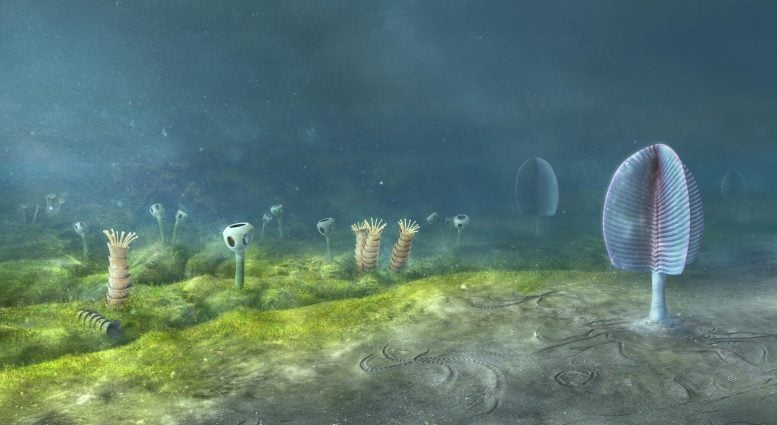
Researchers studying microscopic fossils from Mongolia found no fossils they could confidently identify as animals.
The Kheseen Biota formed more than 40 million years after the Weng’an Biota in China, whose fossils were used to suggest animals had not yet evolved.
But animals are known to have existed elsewhere when the Mongolian deposit formed.
The team examined more than 140 samples, and the fossils were exceptionally well preserved.
The earliest animals may have been small and soft-bodied, making them harder to preserve than animals with shells or bones.
Their remains may also have been lost because of the environment or chemical conditions where they lived and died.
The study suggests animals may have originated up to 200 million years before their first unmistakable fossils, but the evidence does not establish exactly when they began.

A study suggests animals may have originated up to 200 million years before their first unmistakable fossils.
Researchers found no confidently identifiable animals in the Kheseen Biota, despite evidence that animals existed elsewhere when it formed.
The finding challenges the use of animal fossils missing from exceptionally preserved deposits to date the origin of animal life.
The team argues that early animals may have escaped fossilization because they were soft-bodied or lived in different environments.
- Who
- A research team led by the University of Oxford.
- What
- The study suggests animal life may have originated up to 200 million years before its first unmistakable fossils.
- When
- The study was published on October 2; the article was published on October 12, 2026.
- Where
- Researchers examined microfossils from the Kheseen Biota in Mongolia and compared their findings with deposits in China and elsewhere.
- Why
- The team found that a deposit can preserve microfossils exceptionally well without preserving animals, so the absence of animal fossils does not prove animals were not yet present.
This story does not have two clearly opposing sides.
The Weng’an Biota in China formed and preserved microscopic organisms in exceptional detail.
The Kheseen Biota formed in Mongolia, at a time when animals are known from elsewhere.
The study was published in Science Advances.
SciTechDaily published its article about the study.
- Possible earlier origin
- Up to 200 million years before the first unmistakable animal fossils
- Weng’an Biota
- About 590 million years old
- Kheseen Biota
- More than 40 million years younger than Weng’an
- Samples examined
- More than 140
- Study journal
- Science Advances
What people are saying
The Kheseen Biota breaks the argument that the exceptional microfossils of Weng’an mean we would have seen animal fossils in the assemblage had they existed at the time.
Sources
Related news

Chinook salmon return to habitat opened by removal of four Klamath River dams
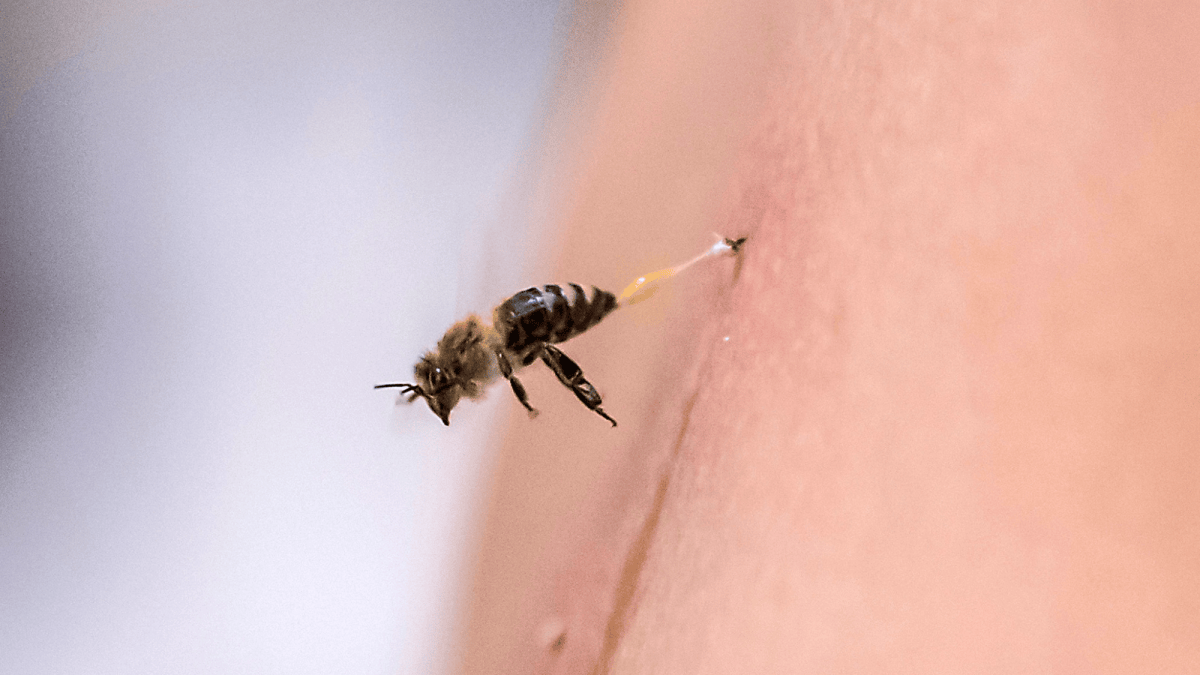
Study finds honey bee stingers pump venom with two saw-like parts

Low-pressure system may bring rain to Andhra Pradesh from October 15

Study finds ancient gut microbes shared by Hadza and Tsimane

A 1960 Population Model’s 2026 Doomsday Forecast Fell Behind Reality
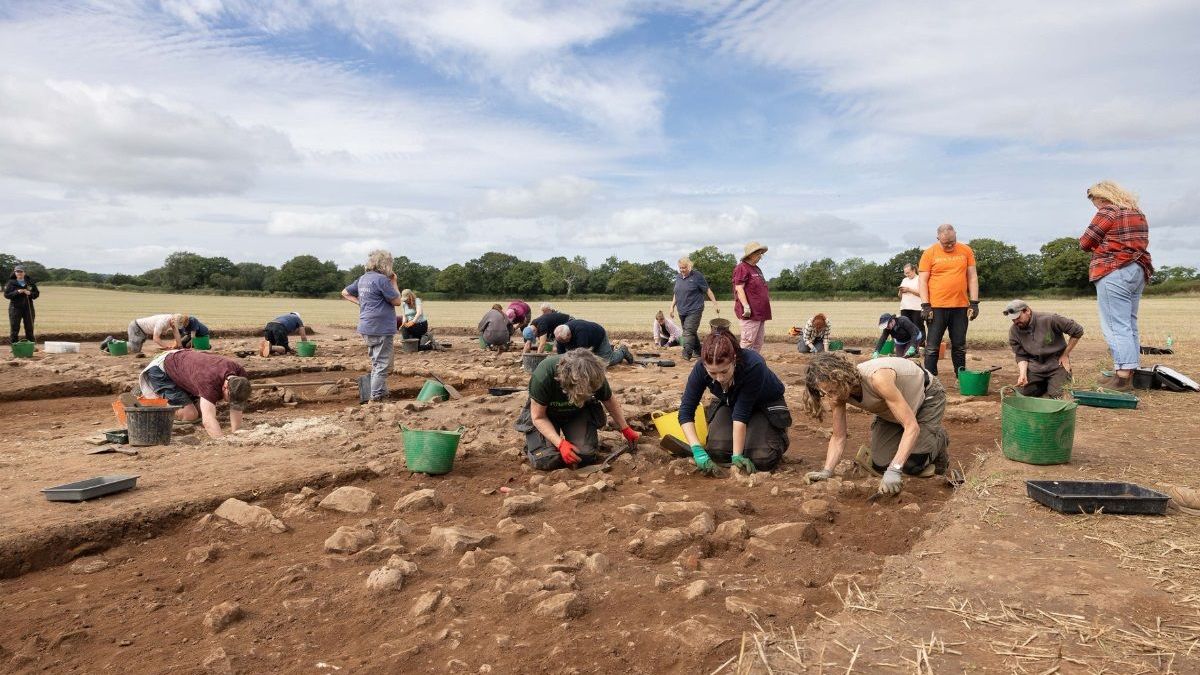
Roman Villa Excavations Near Wrexham Reveal Earlier Activity and Later Changes
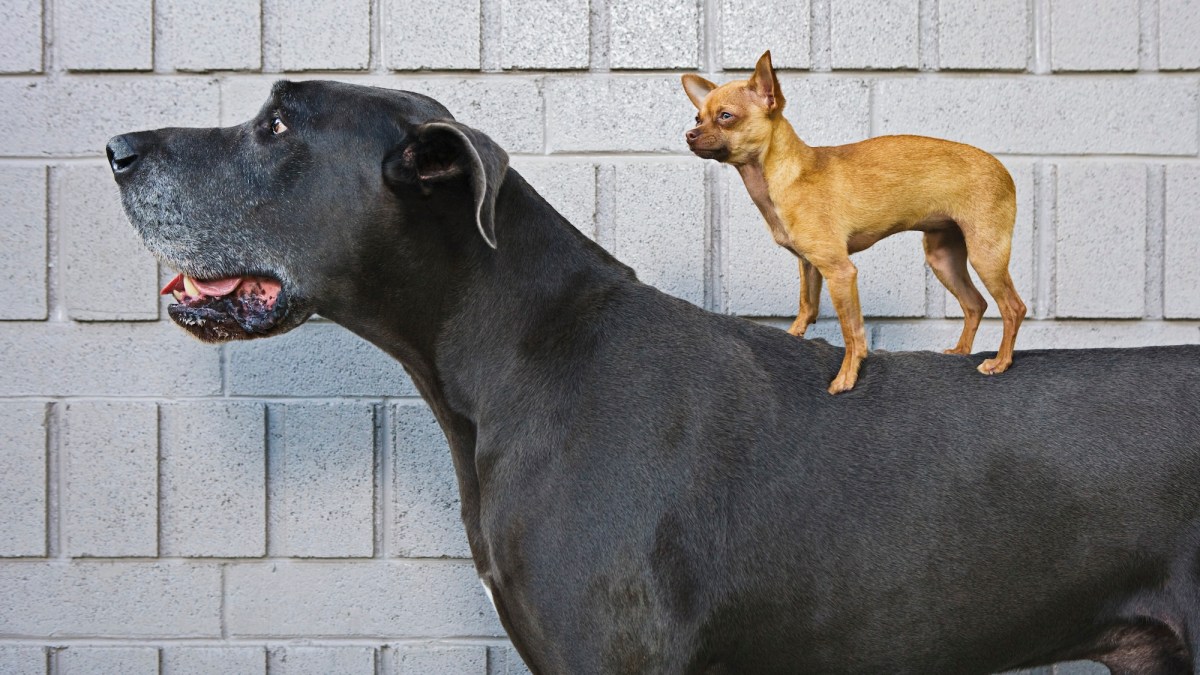
Aging-related DNA changes may help explain why large dogs die younger

Debate over Monte Verde reopens questions about the first Americans

Africa’s solar installations set a record as official data misses much of the growth

Vienna team demonstrates a self-stabilizing thorium nuclear clock

Ucluelet wave was nearly three times the height of nearby waves
