Science & Tech · Space · 14 hrs ago
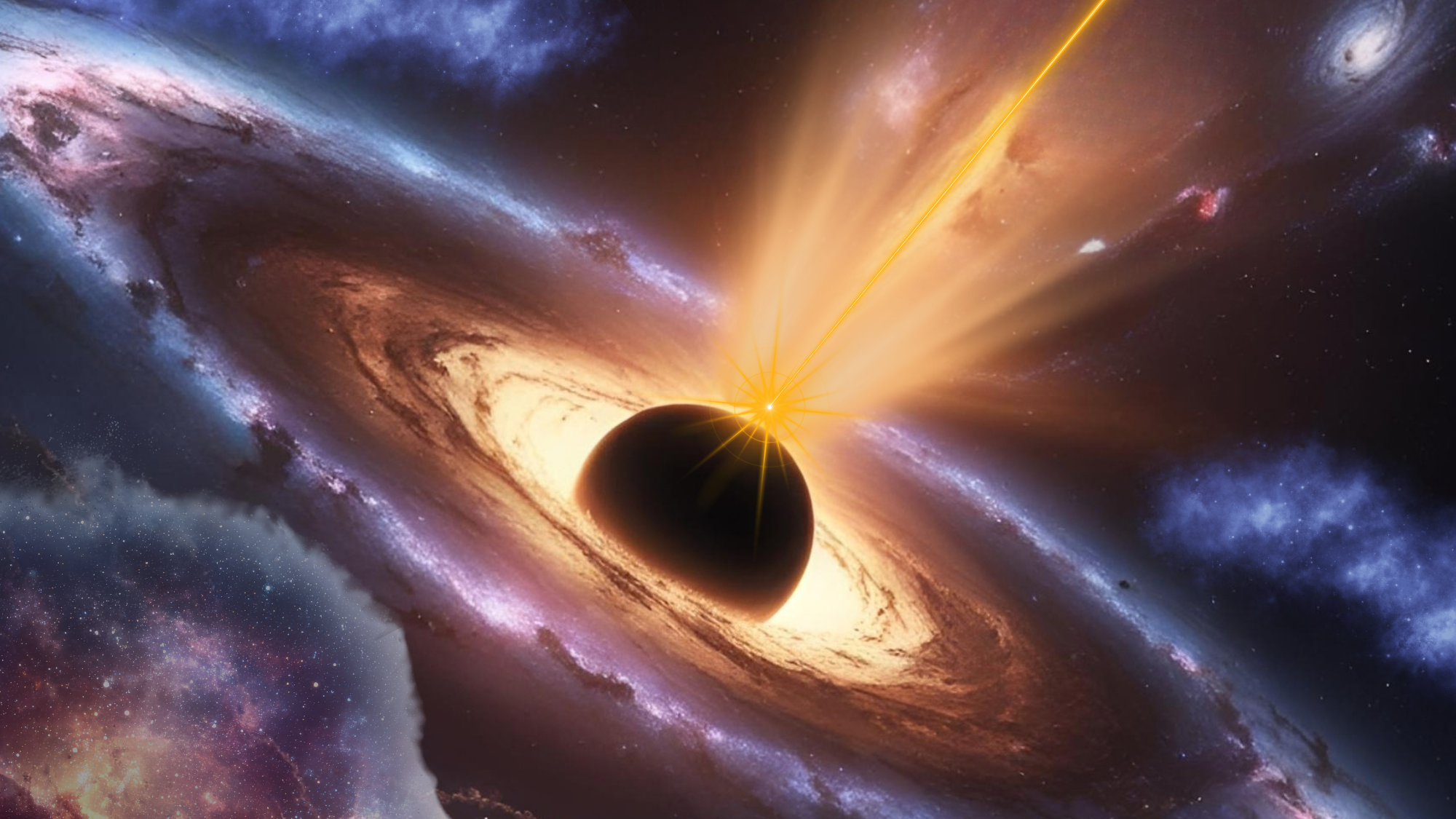
Distant Radio Burst Traced to a Small, Actively Forming Galaxy
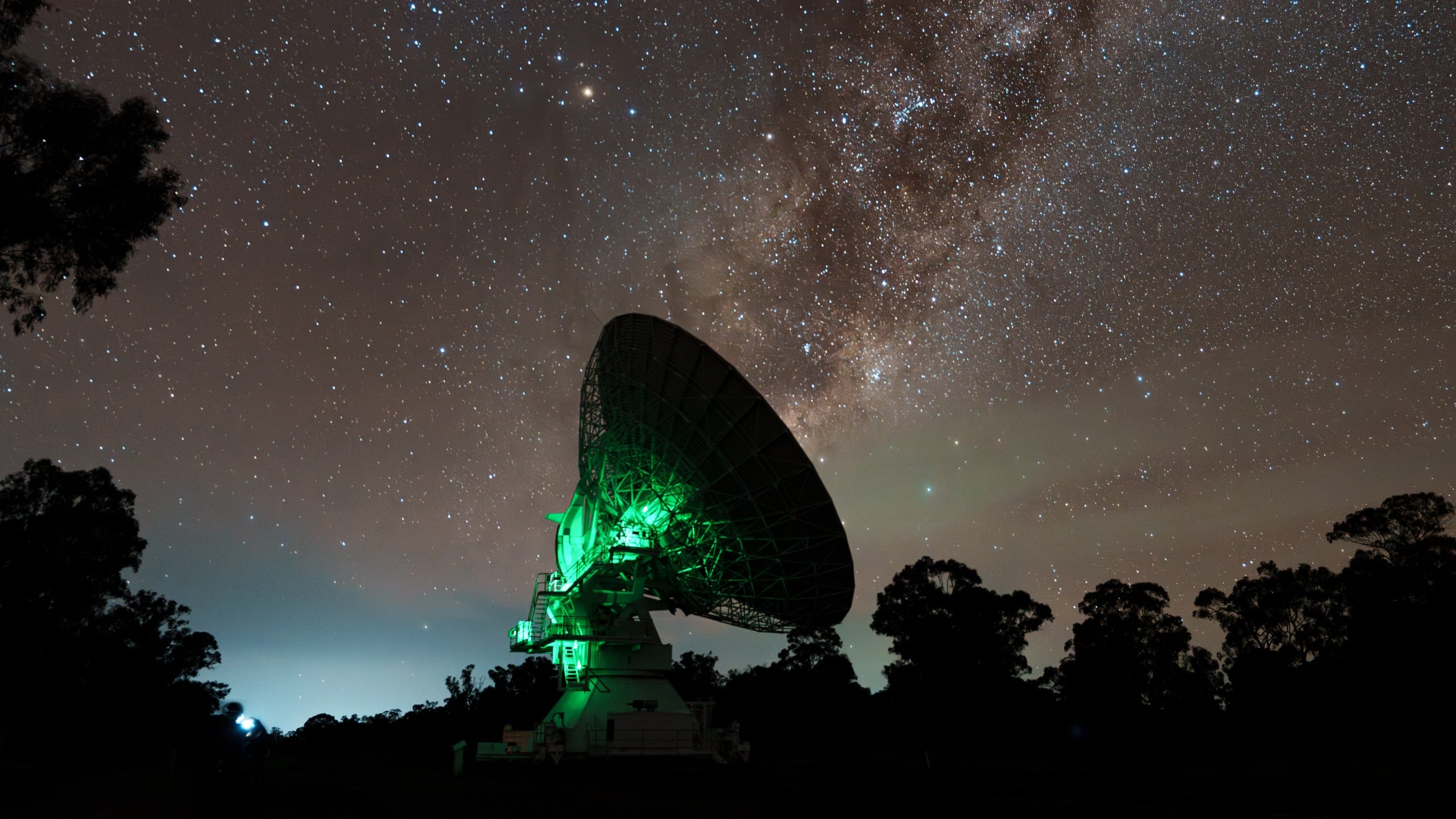
Astronomers detected a brief burst of radio waves called FRB 20240304B in March 2024 using the MeerKAT telescope in South Africa.
The signal came from a time when the universe was about 3 billion years old.
Researchers used the James Webb Space Telescope to identify its home galaxy after ground-based telescopes could not see it.
They expected a large galaxy with many stars, but found a small dwarf galaxy that was actively forming stars.
Fast radio bursts are difficult to study because they last only fractions of a second and their origins remain uncertain.
A magnetar, a highly magnetic neutron star, is one possible source, but the burst does not prove that explanation.
The discovery gives astronomers a new clue about where these bursts occur, but their cause remains unresolved.

Astronomers traced the fast radio burst FRB 20240304B to a small dwarf galaxy that is actively forming stars.
The burst is described as the most distant fast radio burst yet reported.
It was emitted when the Universe was about 3 billion years old, during an era known as cosmic noon.
Astronomers detected it in March 2024 with the MeerKAT radio telescope in South Africa.
The host galaxy was identified using the James Webb Space Telescope after two ground-based telescopes could not see it.
- Who
- An international collaboration of astronomers studied the burst. Lead author Manisha Caleb is a radio astronomer and astrophysicist at the University of Sydney.
- What
- They traced fast radio burst FRB 20240304B to a small, actively star-forming dwarf galaxy.
- When
- The burst was identified in March 2024. It was emitted when the Universe was about 3 billion years old.
- Where
- The burst was detected with MeerKAT in South Africa and traced to a distant host galaxy.
- Why
- The researchers investigated the burst to learn more about the origins of fast radio bursts, which remain uncertain.
This story does not have two clearly opposing sides.
Astronomers identified FRB 20240304B using the MeerKAT radio telescope in South Africa.
Two ground-based telescopes searched the corresponding patch of sky but could not see the host galaxy.
The James Webb Space Telescope detected the burst's host galaxy.
- Burst designation
- FRB 20240304B
- Detection
- March 2024
- Radio telescope
- MeerKAT, a 64-antenna telescope in South Africa
- Cosmic era
- About 3 billion years after the Big Bang
- Host galaxy
- A small dwarf galaxy actively forming stars
What people are saying
What makes fast radio bursts interesting is that we don't know what generates them
We observationalists can only kill models, never prove them. So, when you have 100 to kill, it takes a fair bit of time.
Sources
Related news
Perseverance sets Mars driving record at 28.10 miles

SpaceX set to send solar arrays and supplies to the space station

All nine Nuriho rideshare satellites establish contact
Valkyrie combat drone completes first flight test in Europe
Anduril develops modular interceptor missile family for US air defenses

SpaceX plans to launch 27 Starlink satellites from California
Red dwarf appears to slowly draw matter from a brown dwarf

French astronaut Sophie Adenot says space brought a full range of emotions

NASA releases nearly 800 GB of Artemis II lunar data
Solar Orbiter traces a solar wind kink to the Sun’s surface

NASA releases more than 800GB of Artemis II mission data