Science & Tech · Gadgets & EVs · 2 hrs ago
Saudi university teams develop more energy-efficient competition cars

Students from Prince Sultan and Prince Sattam bin Abdulaziz universities are designing and building cars in Saudi Arabia for an international competition focused on energy efficiency.
The Shell Eco-marathon tests how far vehicles can travel using a set amount of energy, including electricity, petrol or hydrogen.
The teams aim to use less energy by reducing vehicle weight and air and rolling resistance, with some parts made from carbon fibre.
Prince Sultan University’s electric car achieved about 266 kilometres per kilowatt-hour in 2026, keeping the team first in the Middle East in its category.
Prince Sattam’s petrol-powered car recorded 403.4 kilometres per litre in the same year’s contest.
These results show different ways to improve vehicle efficiency, an issue receiving attention amid concerns about energy security and supply.
The sources give no information about the teams’ next competition or plans.

Teams from Prince Sultan University and Prince Sattam bin Abdulaziz University have developed vehicles for the Shell Eco-marathon, an international energy-efficiency competition.
The competition measures how much energy vehicles use to travel a set distance under specified conditions.
The teams use different designs and energy sources, including electricity, petrol and hydrogen.
Prince Sultan University’s electric vehicle team reported efficiency of about 266 kilometres per kilowatt-hour in 2026.
Prince Sattam bin Abdulaziz University’s petrol vehicle team recorded 403.4 kilometres per litre in 2026.
- Who
- Student teams from Prince Sultan University and Prince Sattam bin Abdulaziz University.
- What
- They developed energy-efficient vehicles for the Shell Eco-marathon, using electric, petrol and hydrogen power.
- When
- The article was published on October 13, 2026. It also reports competition results from 2024, 2025 and 2026.
- Where
- The teams are from universities in Saudi Arabia. The 2025 competition was held in Qatar.
- Why
- To develop vehicles that travel farther using less energy and to compete in an international efficiency contest.
This story does not have two clearly opposing sides.
Prince Sultan University’s team placed first in the Middle East and fifth in Asia in the electric-car category.
At the competition in Qatar, the team placed first in the Middle East in its category, with efficiency of 212 kilometres per kilowatt-hour.
The team reported efficiency of about 266 kilometres per kilowatt-hour and retained its regional first place.
Prince Sattam bin Abdulaziz University’s petrol vehicle team recorded efficiency of 403.4 kilometres per litre.
- Competition
- Shell Eco-marathon
- Prince Sultan team, 2026
- About 266 kilometres per kilowatt-hour
- Prince Sattam team, 2026
- 403.4 kilometres per litre
- Prince Sultan team, 2025
- 212 kilometres per kilowatt-hour
- Vehicle materials
- Carbon fibre and lightweight aluminium
What people are saying
The project allows students to apply what they learn in classrooms to the stages of vehicle development, from research and design to mechanical manufacturing and preparing the car for the competition.
The body of the vehicle is made entirely of carbon fibre, while the load-bearing structure is made of lightweight aluminium.
Our team participated with two vehicles in the competition, one petrol-powered and the other hydrogen-powered.
Sources
Related news

Fiat unveils concept that switches from six-seat car to pickup
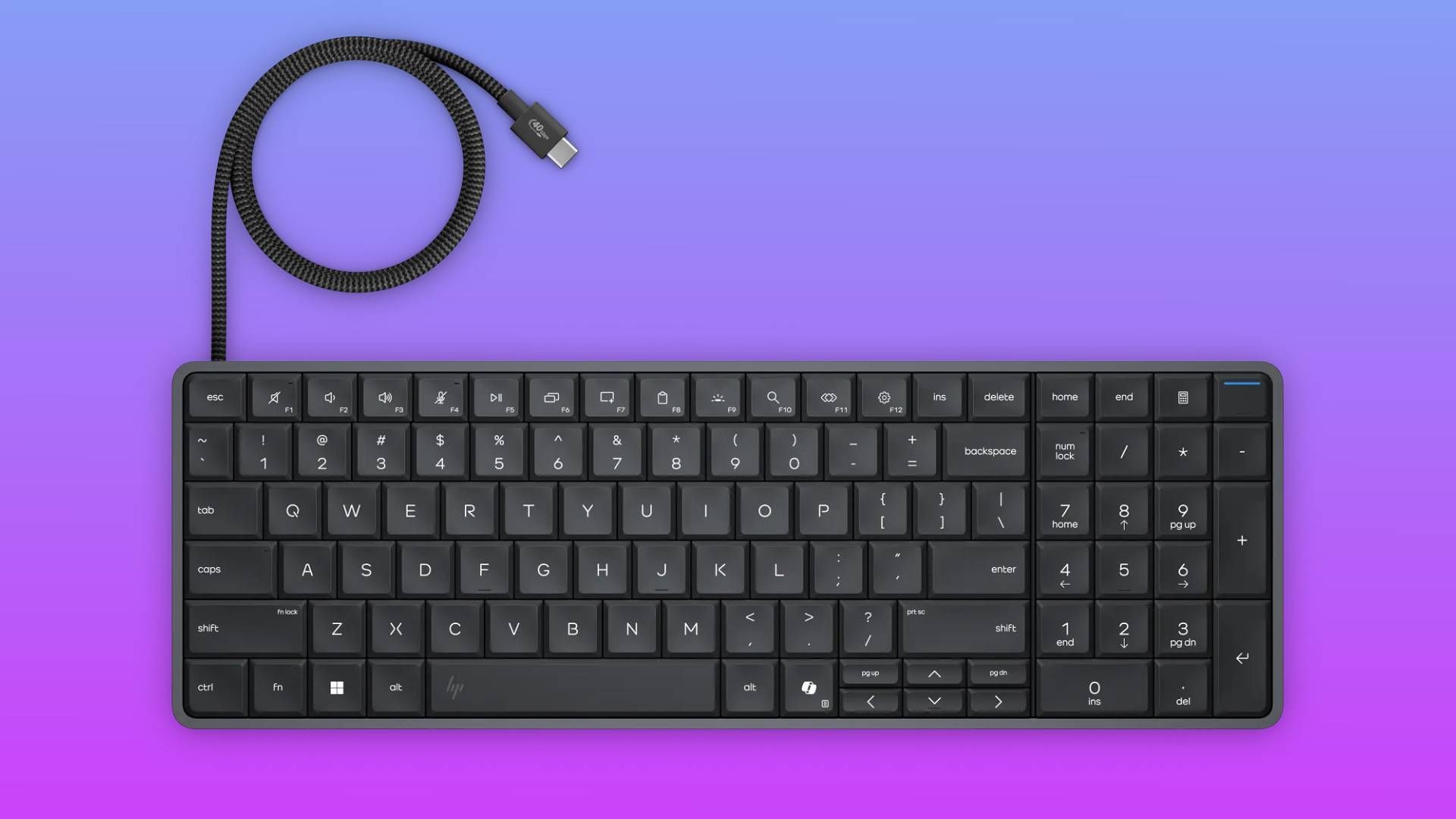
HP's EliteBoard G2a puts an AI PC inside a keyboard, starting at $3,028

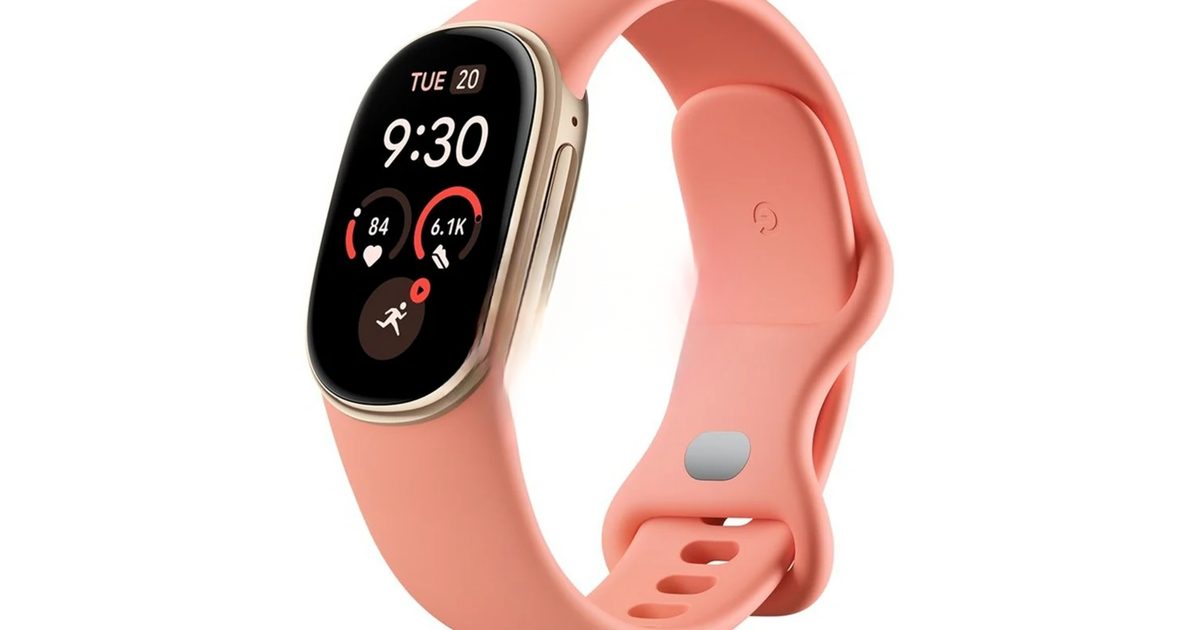
Google launches Fitbit Edge with GPS, health tracking and replaceable battery
Intel unveils AI GPU with up to 480 GB of memory

Oppo schedules global ColorOS 17 rollout from October 21
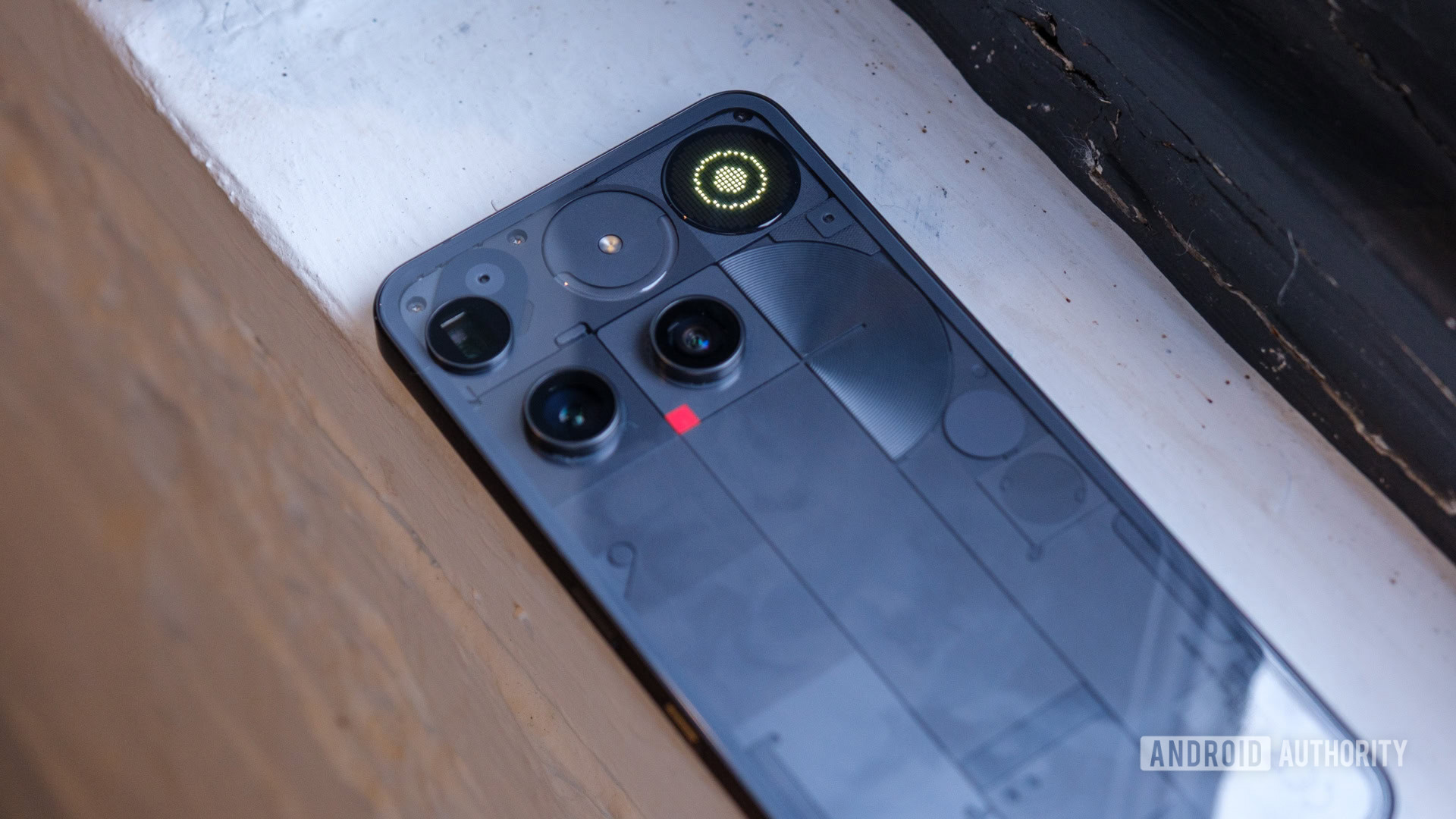
Nothing OS 5.0 with Android 17 starts rolling out to Phone (3)
Citroën unveils electric 2CV concept, with production planned for 2028
Tesla renames its European Full Self-Driving feature Assisted Driving
Honda unveils CB250SS scrambler concept in China
Abu Dhabi adds Ultrahuman health algorithms to its public health app