1 week ago
Scientists identify brain circuit linking isolation to male alcohol craving
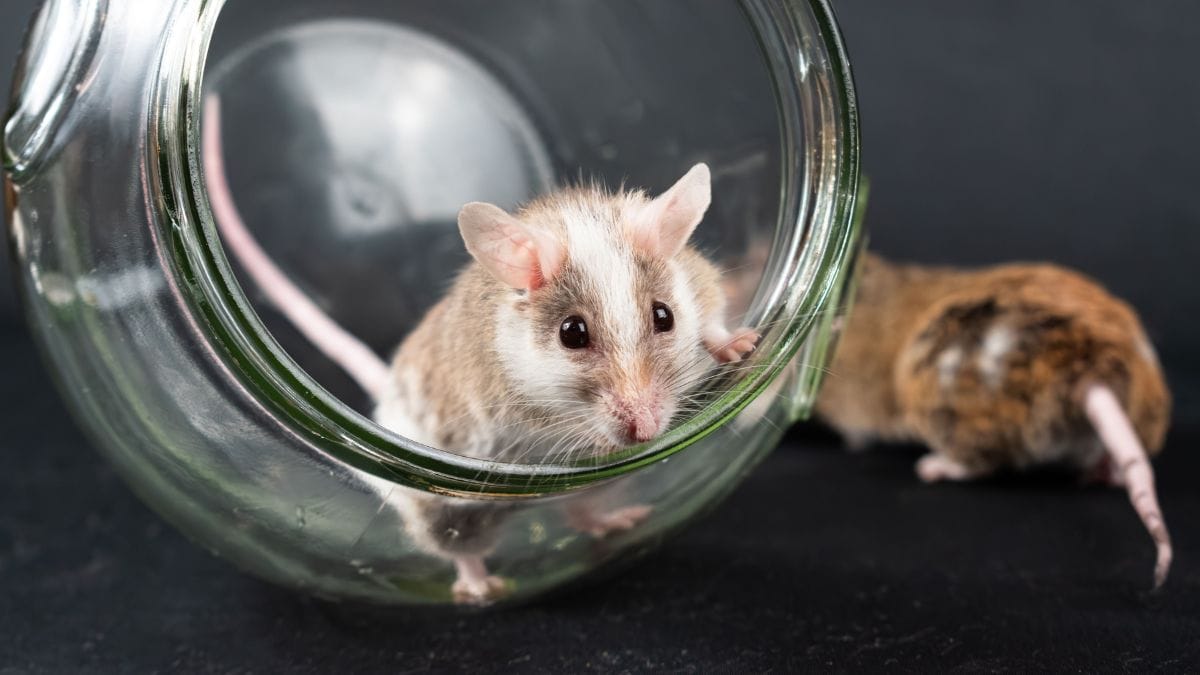
Scientists studied whether being alone changes how mice drink alcohol.
They kept some mice together and housed others by themselves.
Lonely male mice drank more alcohol, especially after a week.
Lonely female mice drank less alcohol.
The researchers found that a brain connection involving emotion and decision-making areas became more active in male mice.
When scientists switched on this connection with pulses of light, non-lonely male mice also drank more.
This suggests that the brain circuit may help explain why isolation can increase drinking in males.
More research is needed to learn whether the same process happens in people.

Isolated male mice increased alcohol consumption, especially after one week.
Female mice reduced alcohol intake even after prolonged isolation.
Researchers linked the behavior to an overactive BLA–mPFC neural circuit.
Activating the circuit with light caused non-isolated male mice to drink more.
The findings are limited to mice and may not directly translate to humans.
- Who
- Researchers led by Reesha Patel at Northwestern University studied adult male and female mice.
- What
- The study identified a basolateral amygdala–medial prefrontal cortex circuit associated with increased alcohol drinking after social isolation in male mice.
- Where
- The research was conducted at Northwestern University’s Feinberg School of Medicine.
- When
- The study was published on 25 August; isolated mice were tested daily, with increased drinking particularly observed after one week.
- Why
- Researchers sought to understand how social isolation influences alcohol use and the brain mechanisms involved.
Study Findings
Scientific Limitations
Effect of isolation
Study Findings
The researchers found that isolation increased alcohol consumption in male mice and made the BLA–mPFC circuit more excitable.
Scientific Limitations
The experiment involved mice, so it does not establish that isolation activates the same circuit or produces the same drinking response in humans.
Sex differences
Study Findings
The findings suggest males and females use different neural strategies when experiencing loneliness; isolated females reduced alcohol consumption.
Scientific Limitations
The researchers have not yet determined why the sexes responded differently or whether hormones contribute.
Causal role of the circuit
Study Findings
Activating the circuit with light caused non-isolated male mice to increase alcohol intake, supporting a direct role in drinking behavior.
Scientific Limitations
The researchers still plan to investigate how isolation triggers the circuit and whether other brain regions contribute.
Key facts
- Research leader
- Reesha Patel, assistant professor of general psychiatry and neuroscience
- Institution
- Northwestern University Feinberg School of Medicine
- Publication
- Nature Neuroscience
- Animal subjects
- Adult male and female mice
- Alcohol offered
- A 15 percent alcohol solution alongside water for one hour each day
- Key circuit
- The connection between the basolateral amygdala and medial prefrontal cortex
- Global context
- The World Health Organization estimates alcohol use disorder affects about 7 percent of people worldwide over age 15
Quotes
Reesha Patel
Assistant professor of general psychiatry and neuroscience at Northwestern University Feinberg School of Medicine
“Our work shows that a defined pathway becomes overactive during isolation and directly increases drinking, and that males and females rely on different neural strategies when they’re lonely.”
 theprint.in
“This is the first study to identify a specific brain circuit that explains how social isolation can drive increased alcohol use in males, marking a major advance for the field.”
theprint.in
Sources
Related news

Experts Warn Smoking, Alcohol Quietly Damage Young Brains
Brain Protein Linked to Fatty-Food Cravings in Mice
Scientists identify 'motivation cells' that keep us working for rewards

Brain Scans Show Dogs Can Tell Human Fear From Sadness

Why adolescent girls are lonelier than boys, experts say

Siddharth Mallya marks 8 years sober amid OCD anxiety

New Hangout Sitcoms Turn Friendship FOMO Into Streaming Appeal

Chinese Workers Fight Office Ageing With Parasols And Sunscreen

India Sends Fifth Relief Tranche to Flood-Hit Nepal

Dyson Launches $499 CameraJet AI Toothbrush With Jet Flossing

PlatinumRx remotely helps families save on recurring medicines