3 weeks ago
Scientists identify 'motivation cells' that keep us working for rewards
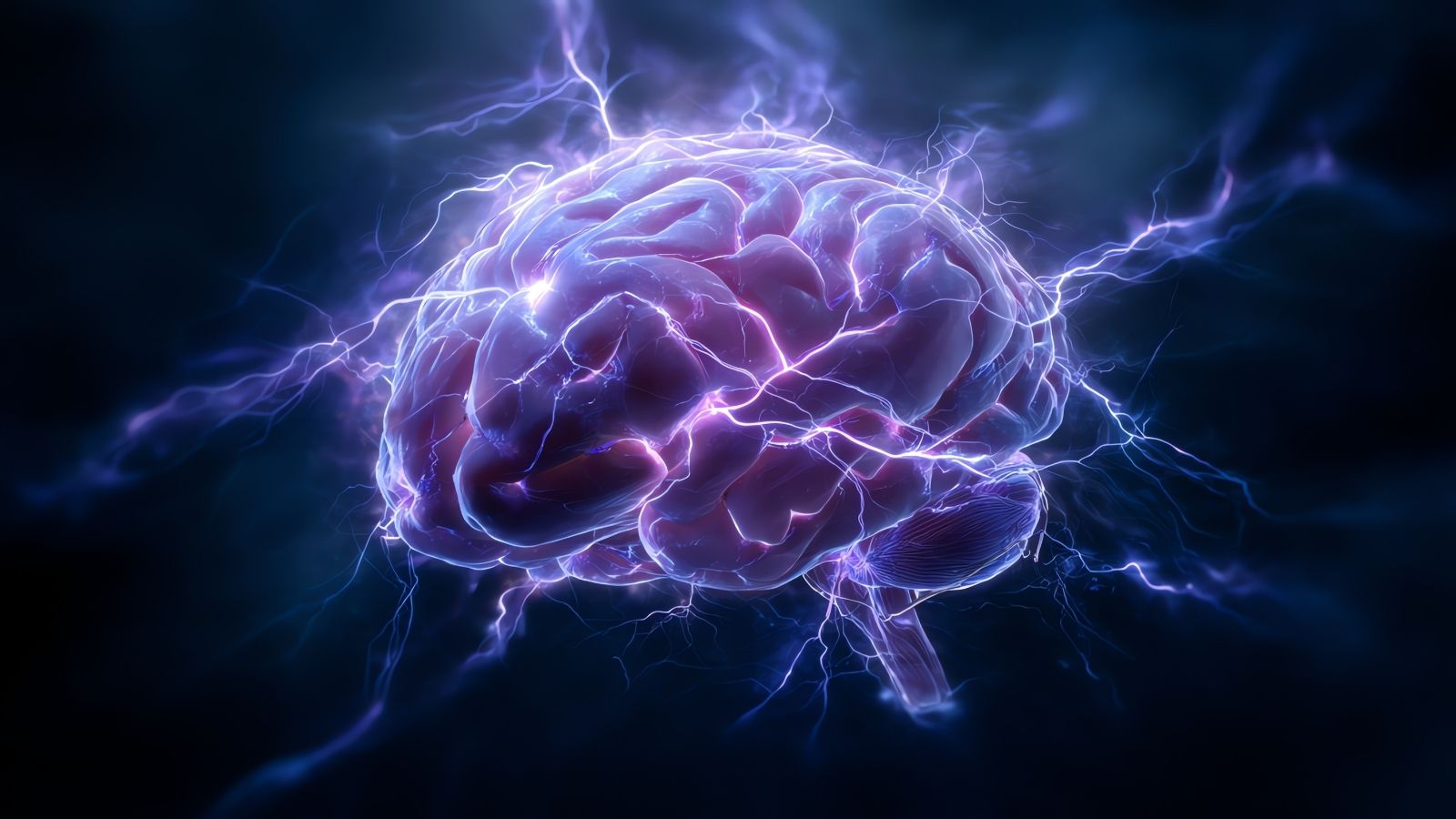
Scientists in Japan found a special group of brain cells that help us keep going when a task is hard.
These cells are called orexin neurons, and they are also known for helping with sleep and appetite.
The scientists studied rats that had to touch a screen many times to get food.
When the rats expected food, these brain cells became very active.
If the rats did not get the food they expected, the cells stayed active.
When scientists turned the cells on, the rats worked harder and for longer.
When the cells were switched off, the rats gave up much sooner.
This means these cells act like a 'keep going' switch in the brain.
The discovery might one day help people who struggle to stay motivated, such as those with depression or ADHD.

Researchers at Nagoya University, Japan, identified orexin neurons as brain cells that help sustain motivation.
The study, published in PNAS, used genetically engineered 'orexin-Cre' rats to enable precise neuron manipulation.
Activating orexin neurons made rats work longer for food rewards, while destroying them caused rats to give up much sooner.
Orexin neuron activity increased when rats anticipated a reward and dropped after food was delivered, but stayed elevated when an expected reward did not appear.
The findings could help explain motivational problems in disorders such as depression, ADHD, and addiction.
- Who
- Researchers at Nagoya University, Japan, led by Associate Professor Hiroyuki Mizoguchi and Professor Emeritus Kiyofumi Yamada
- What
- Identified orexin neurons as brain cells that help maintain motivation to keep working for rewards
- Where
- Nagoya University, Japan
- When
- Not specified in the article; the study was published in the Proceedings of the National Academy of Sciences (PNAS)
- Why
- To better understand the brain mechanisms behind motivation and potential treatments for conditions like depression, ADHD, and addiction
Key facts
- Research institution
- Nagoya University, Japan
- Publication
- Proceedings of the National Academy of Sciences (PNAS)
- Lead researchers
- Associate Professor Hiroyuki Mizoguchi and Professor Emeritus Kiyofumi Yamada
- Neurons studied
- Orexin neurons, known for regulating sleep, appetite, and energy balance
- Animal model
- Genetically engineered 'orexin-Cre' rats
- Key experiment
- Progressive ratio test requiring increasing touchscreen responses for food rewards
- Key measure
- Breakpoint, the point at which an animal stopped trying
- Potential implications
- Depression, ADHD, and substance addiction
Sources
Related news

The Crush Effect: Attraction Boosts Happiness, Confidence and Motivation

Brain Protein Linked to Fatty-Food Cravings in Mice
Lab-Grown Human Brain Organoids Set Seven-Year Longevity Record

Global Brain Scientist Brings Positive Thinking Science to Kohinoor Managers

Scientists discover brain 'brake' for chronic pain

Japan Cricket Boss Defends Asian Games Facilities Against Concerns

Mitsubishi Revives Pajero With 201PS Fifth-Generation SUV

Europe's Bond Selloff Deepens as Middle East Tensions Lift Oil

Uday Kotak Warns Global Bond Markets Face Roller-Coaster Volatility

Global Bond Sell-Off Pushes Japan Yields To 30-Year High