4 days ago
Brain Protein Linked to Fatty-Food Cravings in Mice
Scientists studied a protein called OPA1 in mice.
This protein helps tiny parts of cells called mitochondria make energy.
The researchers removed OPA1 from brain cells that help control hunger.
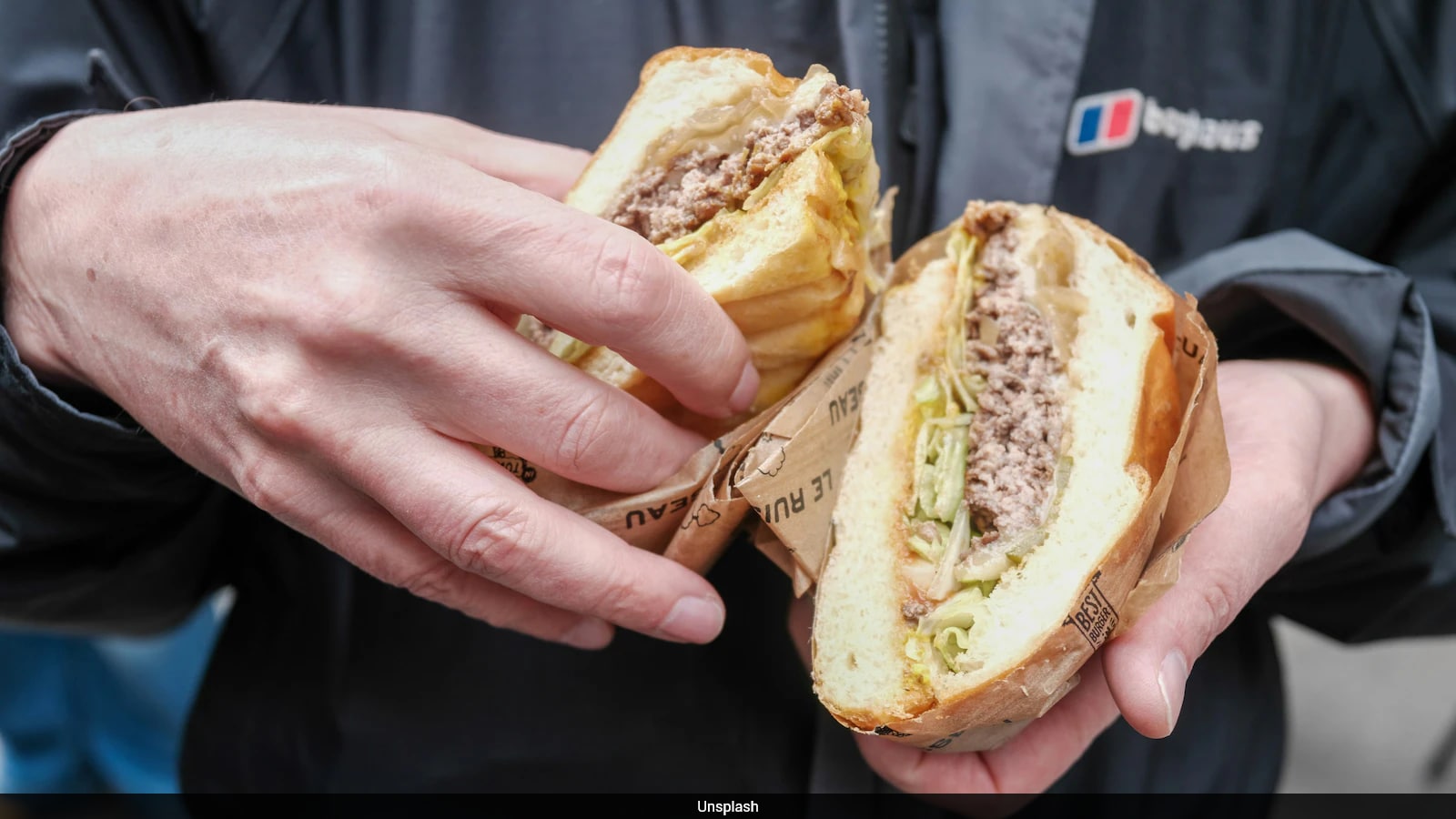
These mice liked fatty foods more than normal mice.
They also gained weight faster and became obese.
The changes were stronger in female mice.
A medicine that reduces eating worked less well in female mice without OPA1.
Scientists do not yet know whether OPA1 affects food cravings in people.

Researchers at Osaka Metropolitan University identified OPA1 as a protein that may influence fat intake and weight gain in mice.
OPA1 supports mitochondria in MC4R neurons, brain cells involved in appetite and energy regulation.
Mice lacking OPA1 in these neurons preferred fatty foods more strongly and gained weight faster.
The effects were more pronounced in female mice, including a weaker response to an appetite-reducing MC4R-activating drug.
The study was published in the FASEB Journal, but researchers said it remains unknown whether the mechanism applies to humans.
- Who
- Researchers from Osaka Metropolitan University studied genetically modified mice.
- What
- The study examined whether OPA1 in appetite-related brain cells affects preference for fatty foods, food intake and weight gain.
- Where
- The research was conducted by Osaka Metropolitan University in Japan and involved mice.
- When
- The article does not provide a publication date; it says the study was published in the FASEB Journal.
- Why
- Researchers wanted to understand how brain-cell energy production may influence appetite and obesity.
Key facts
- Protein studied
- Optic atrophy-1, or OPA1
- Brain cells studied
- MC4R neurons in the hypothalamus
- Main finding
- Mice lacking OPA1 in these neurons showed a stronger preference for fatty foods and gained weight faster.
- Sex difference
- The effects were more noticeable in female mice than in male mice.
- Drug response
- An MC4R-activating drug worked in males regardless of OPA1 levels but was less effective in females lacking OPA1.
- Research limitation
- The study was conducted only in mice, so its relevance to humans is unknown.
- Publication
- The study was published in the FASEB Journal.
Sources
Related news

TOFA Offers a Fat-Burning Alternative to Appetite-Suppressing Drugs

IIT Hyderabad Study Reveals How Cells Control Glycerol Movement

Scientists identify 'motivation cells' that keep us working for rewards
Scientists identify brain circuit linking isolation to male alcohol craving

Natural Sugars May Have Fueled the Evolution of Bigger Brains

Japan Cricket Boss Defends Asian Games Facilities Against Concerns

Mitsubishi Revives Pajero With 201PS Fifth-Generation SUV

Europe's Bond Selloff Deepens as Middle East Tensions Lift Oil

Uday Kotak Warns Global Bond Markets Face Roller-Coaster Volatility

Global Bond Sell-Off Pushes Japan Yields To 30-Year High