1 week ago
Nepal Flash Floods Expose the Himalayas’ Disaster Vulnerabilities
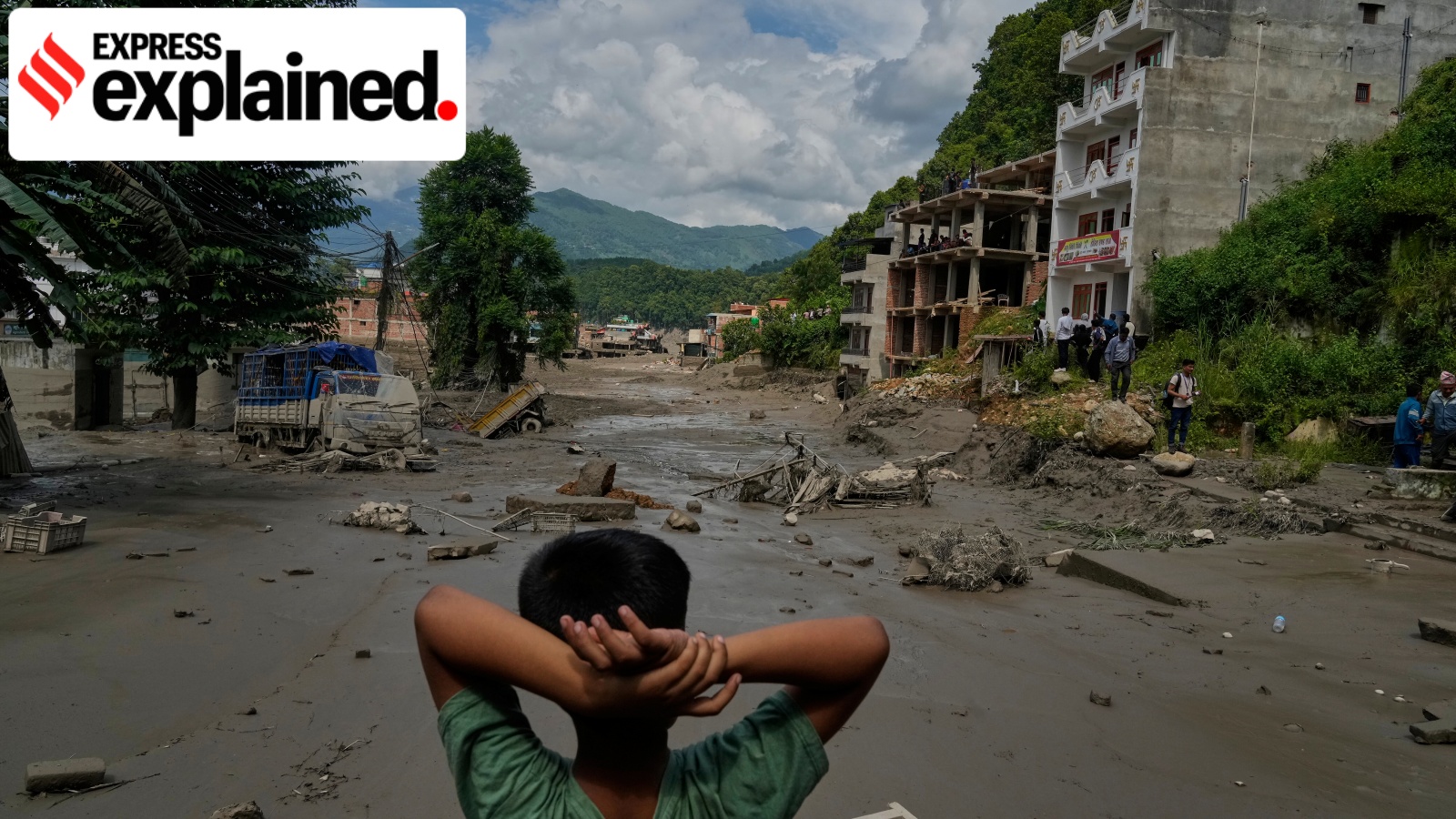
A very large and fast flood struck the border between Nepal and Tibet.
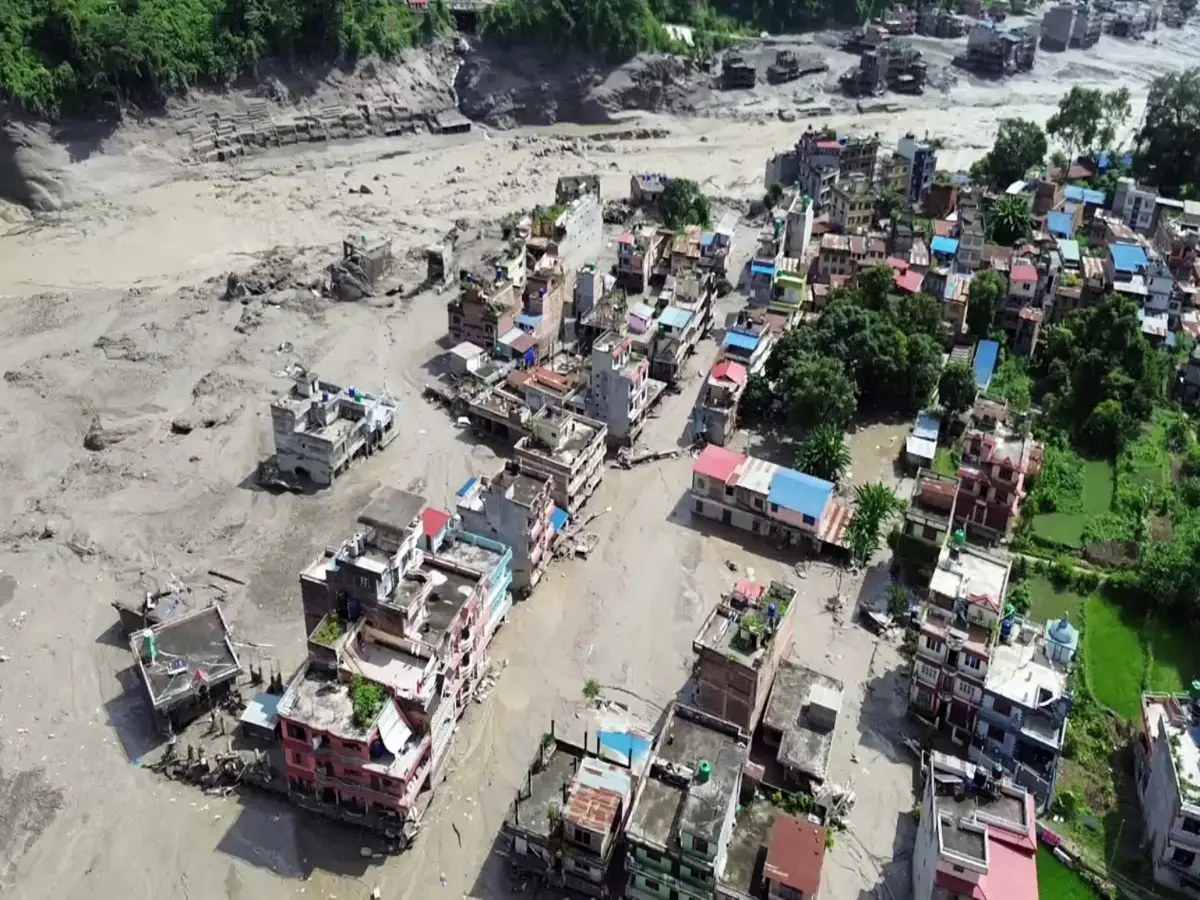
It swept away roads, bridges, homes and important equipment.
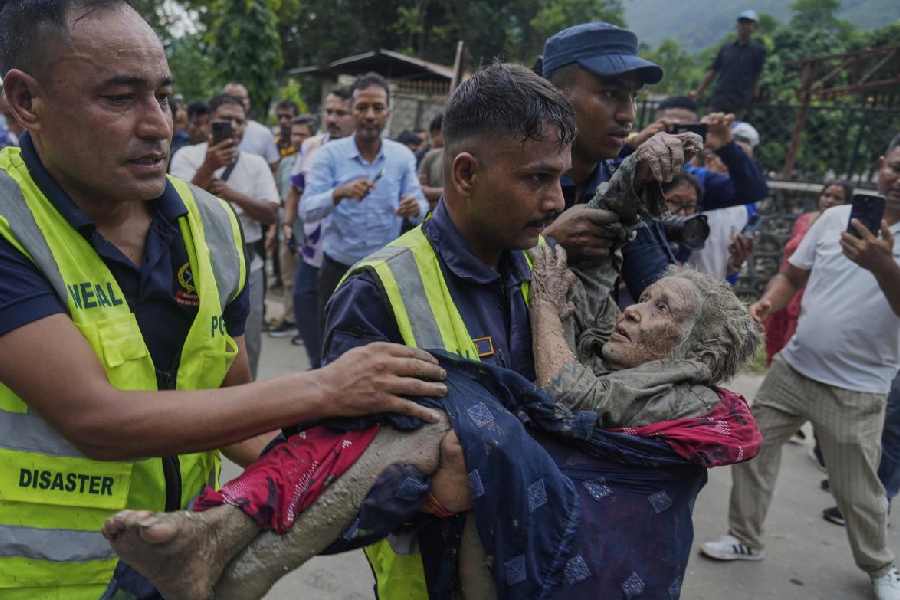
At least 100 people died, and many others were still missing.
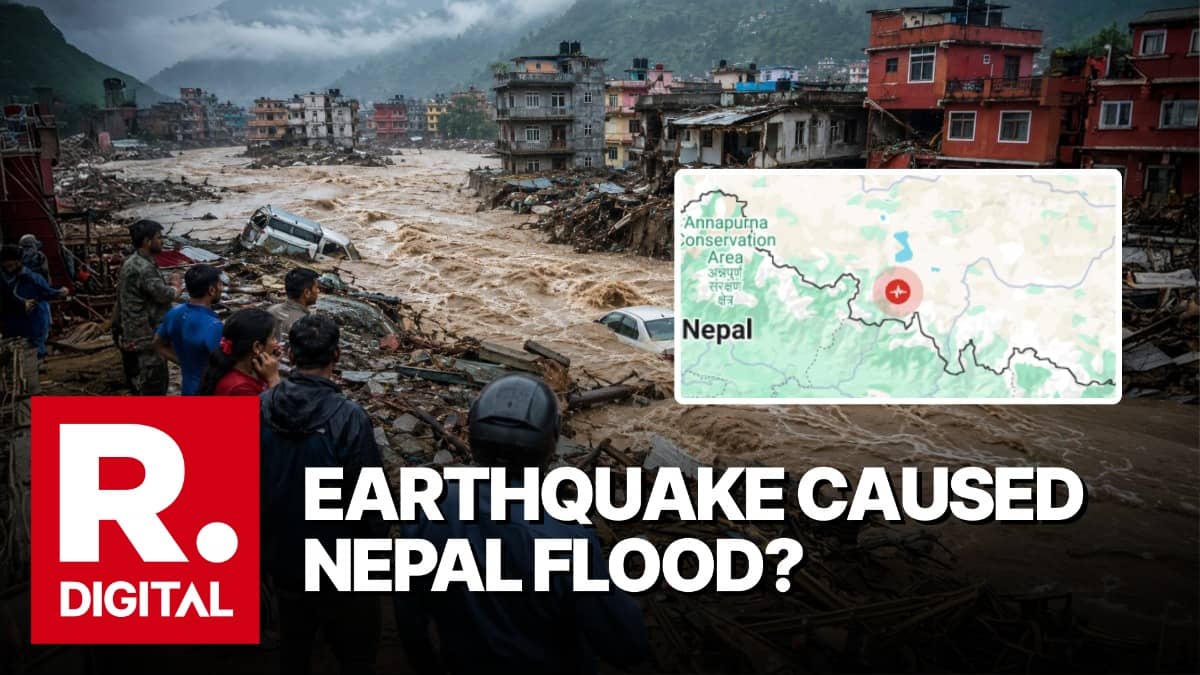
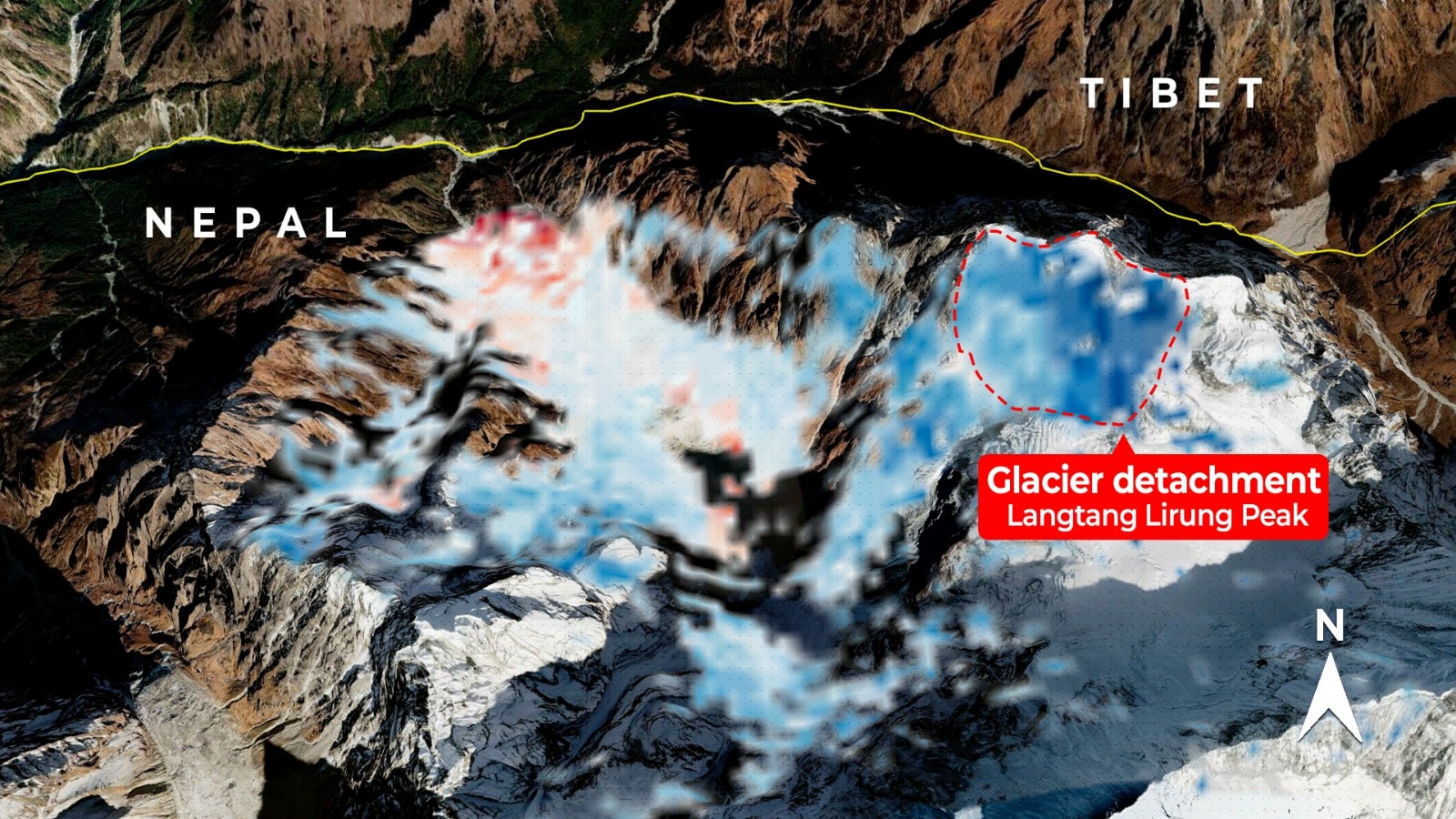
Officials think an earthquake may have caused ice and rocks to fall into a river.
The debris may have blocked the river for a short time, like a giant temporary dam.
Water then built up and suddenly broke through the blockage.
Nepal’s steep mountains can make floodwater move faster and carry rocks and mud.
Narrow valleys also leave communities with few escape routes and make rescue work difficult.
Officials warned that another flood could happen if more debris blocks the river upstream.

Flooding on August 26 along the Nepal-Tibet border killed at least 100 people, while many others remained missing, including 105 Indians.
The Lhende Khola and Bhote Koshi river system destroyed roads, bridges, homes, power and communications infrastructure.
Authorities suspect an earthquake-triggered ice-rock avalanche may have caused the flood, but an official investigation is pending.
Avalanche debris may have temporarily dammed the river before releasing a destructive wall of water downstream.
Nepal’s steep mountains, narrow gorges, concentrated settlements and hydropower infrastructure make disasters difficult to withstand and respond to.
- Who
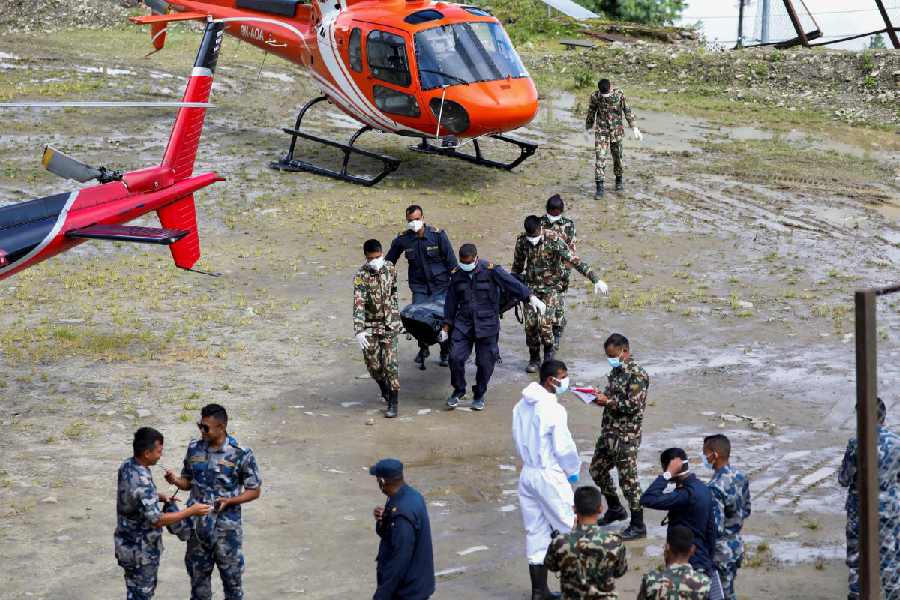
- At least 100 people died, many others were missing, and eight South Koreans were reported unaccounted for after the disaster; Nepalese, Chinese and other rescue personnel responded.
- What
- A destructive flash flood and mudslide swept through the Lhende Khola and Bhote Koshi river system, damaging infrastructure and isolating border areas.
- Where
- The disaster occurred along the Nepal-Tibet border, affecting the Lhende Khola, Bhote Koshi river system and Gyirong Port, with downstream flood alerts in Bihar and Uttar Pradesh.
- When
- Wednesday, August 26, as reported in the article.
- Why
- The precise cause remains under investigation, while authorities suspect an earthquake-triggered ice-rock avalanche that may have temporarily dammed and then released the river.
Suspected Earthquake-Triggered Avalanche
Cause Not Yet Confirmed
What triggered the flood?
Suspected Earthquake-Triggered Avalanche
Authorities suspect an earthquake caused an ice-rock avalanche in the Lhende Khola, whose debris may have formed a temporary dam before breaking.
Cause Not Yet Confirmed
No official cause has been established; the article says an investigation is still pending.
Key facts
- Deaths
- At least 100 people were reported dead.
- Missing people
- Many remained missing, including 105 Indians.
- Affected crossing
- A mudslide crippled Gyirong Port, a major Nepal-Tibet crossing.
- Previous disaster
- A glacial lake outburst flood last year damaged four major hydropower plants and affected 8% of Nepal’s electricity supply.
- Rescue deployment
- China deployed 574 rescue personnel to the Gyirong Port land crossing.
- Further risk
- Authorities warned that another flood could occur if debris remains blocked upstream in the Lhende Khola.
Sources
Related news

Nepal Flash Floods Kill 16, Other Report Says Over 50
Nepal Flash Floods: Possible Avalanche, Earthquake or GLOF Triggers
Nepal Floods Leave 579 Dead as Family Survives Balcony

Nepal Flash Floods Expose Glacier Risks Amid Climate Concerns

Nepal Flood May Have Begun With Border Ice Avalanche
Nepal Avalanche Floods Echo Chamoli With Greater Downstream Impact
Satellite Radar May Strengthen Nepal's Flood Warning Systems
Nepal Plans New Landslide Warning System Along China Border

Nepal Thanks India as Glacial Disaster Rescue Efforts Continue
Nepal Warns of Heavy Rain After Deadly Floods
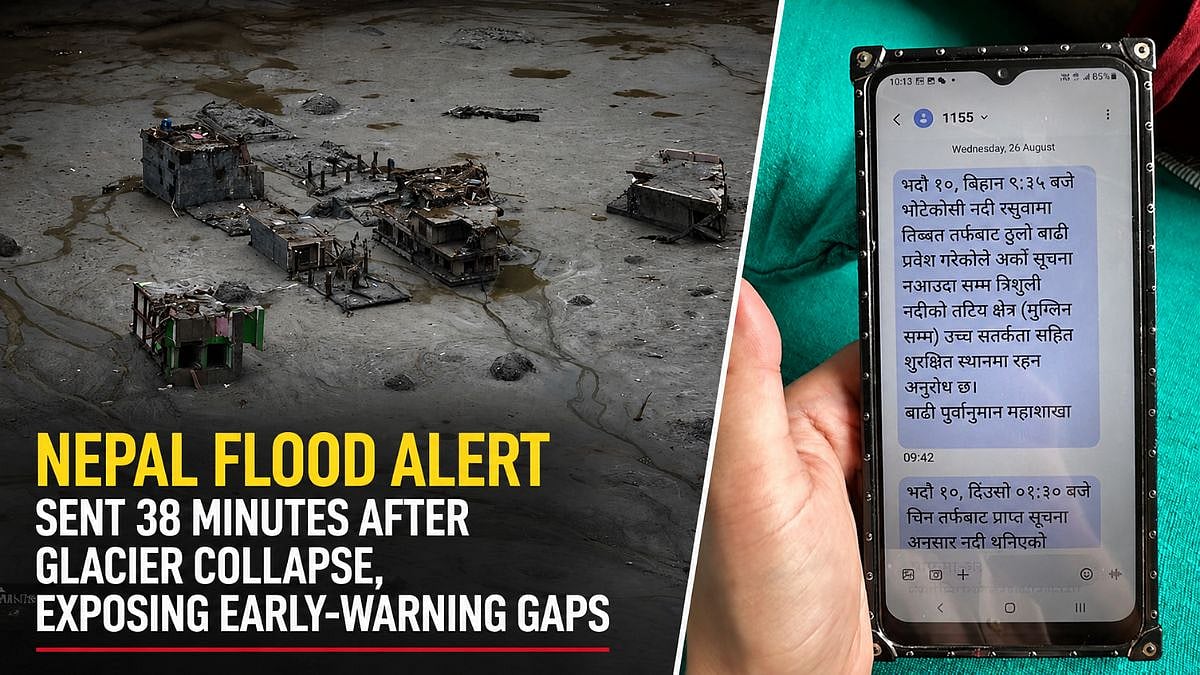
Nepal Flood Exposes Delayed Alerts and Cross-Border Warning Gaps