

0 months ago
Seven Years After Article 370, Focus Must Shift to Performance

Seven years ago, on August 5, 2019, the government of India made a big change by removing a special rule called Article 370 that had given Jammu and Kashmir its own special status.
A new report says that instead of arguing about the politics of this change, people should look at what has actually improved on the ground.
There are new roads, tunnels, bridges and even a train line that now connects Kashmir with the rest of India.
People had wanted that train connection for about a hundred years, and it is now helping trade, tourism and travel.
Tourism, which is the backbone of Kashmir's economy, has made a strong comeback.
Government programs are also reaching more villages through digital tools and direct money transfers.
But the report says big problems still remain, especially that many young people cannot find jobs.
It says the region needs real factories and businesses, better support for farming, and schools that teach useful skills.
The report ends by saying the real success of the change will be measured by peace, jobs, and trust in public services.

Article 370, which granted special status to Jammu and Kashmir, was abrogated on August 5, 2019, and the region was split into two Union Territories.
A recent report argues the national debate should move beyond constitutional politics and focus on on-ground outcomes and remaining challenges.
Infrastructure gains include the Udhampur-Srinagar-Baramulla Rail Link, new highways, tunnels and bridges that have reduced travel time.
Tourism has revived and digital governance has improved welfare delivery, but unemployment remains among the most pressing issues.
The report says peace and security gains support development, though sporadic terrorist attacks targeting civilians and tourists persist.
- Who
- Prime Minister Narendra Modi's central government abrogated Article 370 in 2019; public policy commentator Syed Jahanzeb wrote the opinion article assessed in the report.
- What
- A report assessing seven years since Article 370's abrogation argues the focus should shift from constitutional politics to on-ground development outcomes and remaining challenges.
- Where
- Jammu and Kashmir (and Ladakh), India; the opinion article was published in Global Kashmir.
- When
- Seven years after Article 370 was abrogated on August 5, 2019.
- Why
- To evaluate whether the constitutional changes built a more prosperous, peaceful and self-confident Jammu and Kashmir, and to address challenges such as unemployment.
Focus on Constitutional Politics
Focus on Performance and Outcomes
How to assess August 5, 2019
Focus on Constitutional Politics
Critics focus on the constitutional changes that ended Jammu and Kashmir's special status and keep the politics surrounding August 5 at the centre of the national conversation.
Focus on Performance and Outcomes
The report argues the debate should move beyond the politics of the constitutional change and instead evaluate on-ground outcomes such as prosperity, peace and self-confidence.
Progress versus remaining challenges
Focus on Constitutional Politics
The article notes sporadic terrorist attacks targeting civilians and tourists continue, and that the real test is whether industries actually open and permanent local jobs are created.
Focus on Performance and Outcomes
The report highlights a visible transformation, including faster infrastructure development, tourism revival and governance improvements, and says objective analysis requires recognising progress where it exists.
Key facts
- Event
- Seventh anniversary of Article 370 abrogation
- Date of abrogation
- August 5, 2019
- Region
- Jammu and Kashmir, India
- Reorganisation
- Split into two Union Territories: Jammu and Kashmir, and Ladakh
- Key infrastructure
- Udhampur-Srinagar-Baramulla Rail Link
- Most pressing issue
- Unemployment
- Author
- Syed Jahanzeb, public policy commentator
- Publication
- Global Kashmir (opinion article)
Quotes
Syed Jahanzeb
Public‑policy commentator who wrote the report
“"While implementation challenges remain, governance today is increasingly driven by technology, transparency and time-bound monitoring. These developments deserve acknowledgement because objective analysis requires recognising progress wherever it exists."”
 thehansindia.com
Sources
Related news

Seven Years After Article 370, Peace and Development Reshape Kashmir

Rail, Tourism, Investments Reshape Jammu and Kashmir Seven Years Post-370

Modi Marks Seven Years of Article 370 Abrogation, Hails Transformation

Jammu and Kashmir: Growth surges since Article 370 abrogation

Two Kashmirs: one marches ahead, other remains on tenterhooks

Pawan Kalyan Says Article 370 Abrogation Reshaped J&K, Ladakh

GDP Row Escalates as Government Rebuts 2.6% Growth Claim

India’s Avocado Boom Turns Luxury Fruit into Farmer Opportunity

Putin Faces Western Isolation While Russia Builds Non-Western Ties
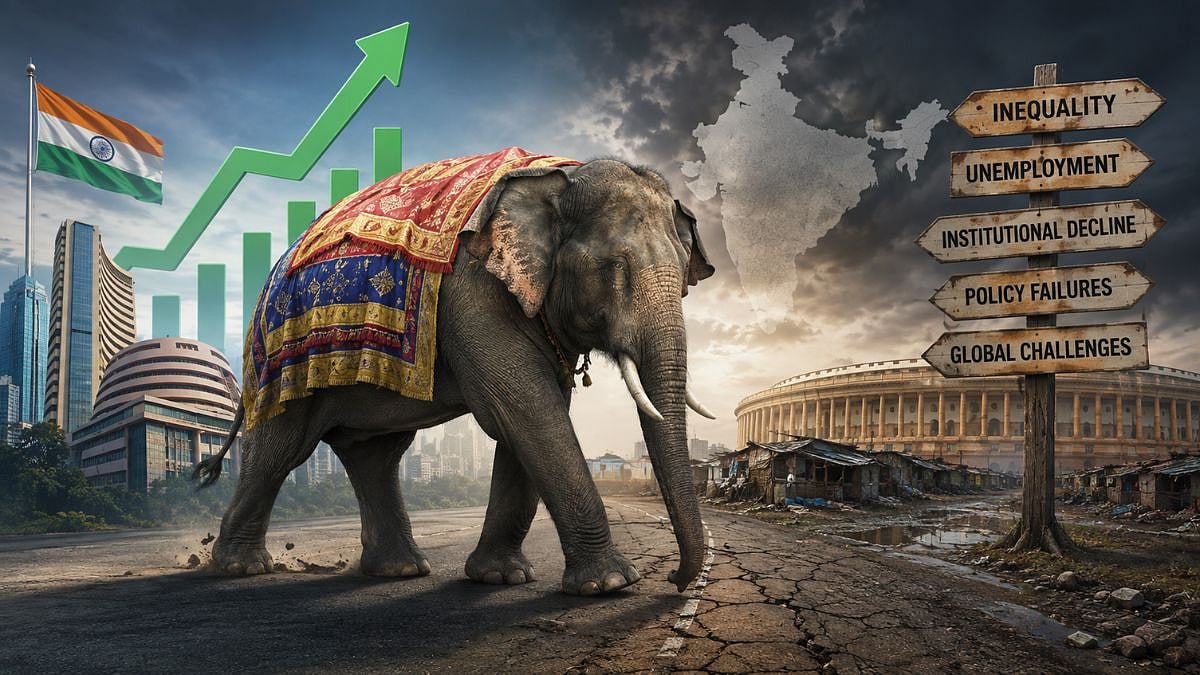
India’s Global Power Ambitions Face Economic and Democratic Setbacks
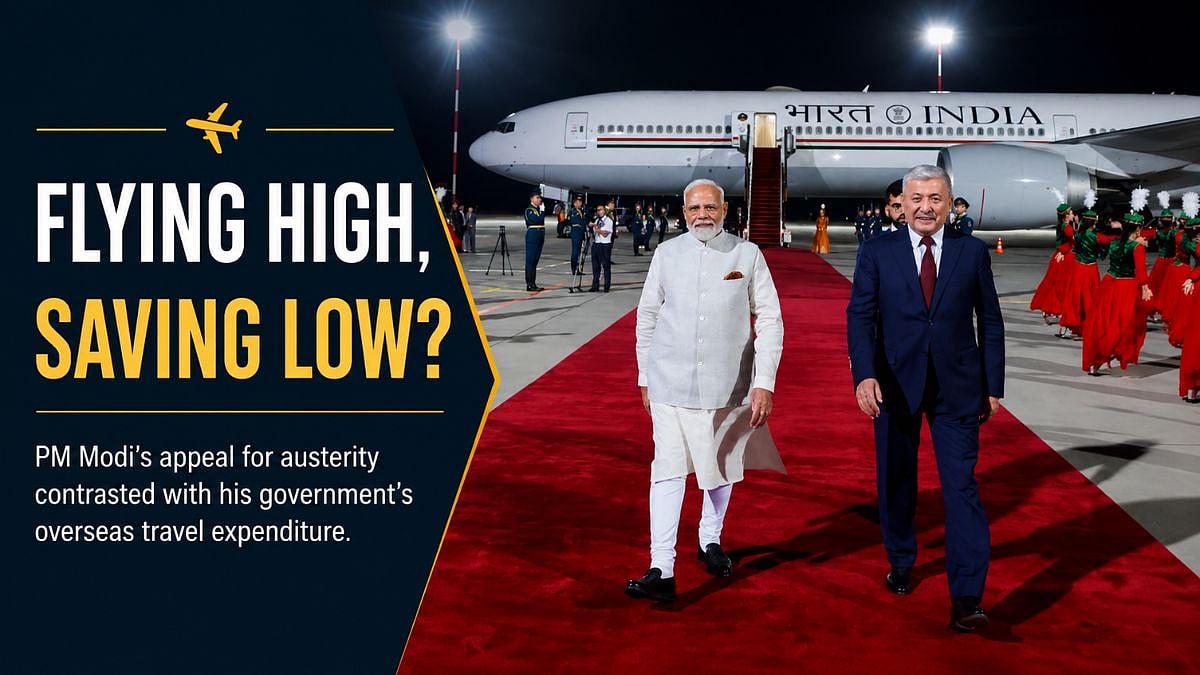
Modi’s Frugality Appeal Contrasts With Extensive Foreign Travel
