0 months ago
Modi Marks Seven Years of Article 370 Abrogation, Hails Transformation

Seven years ago, on August 5, 2019, the government of India ended a special rule called Article 370.
This rule had given a part of India called Jammu and Kashmir the power to have its own constitution, flag, and some separate laws.
When the rule ended, the full Constitution of India started to apply there, and the old state was split into two areas: Jammu and Kashmir and Ladakh.
Prime Minister Narendra Modi says the change was good, because roads, schools, hospitals, and sports have grown, and women and other groups now have more rights.
He says lots of people are visiting holy places like Vaishno Devi and Amarnath, and the city of Srinagar won international awards for its crafts.
Many people agree with him, but not everyone.
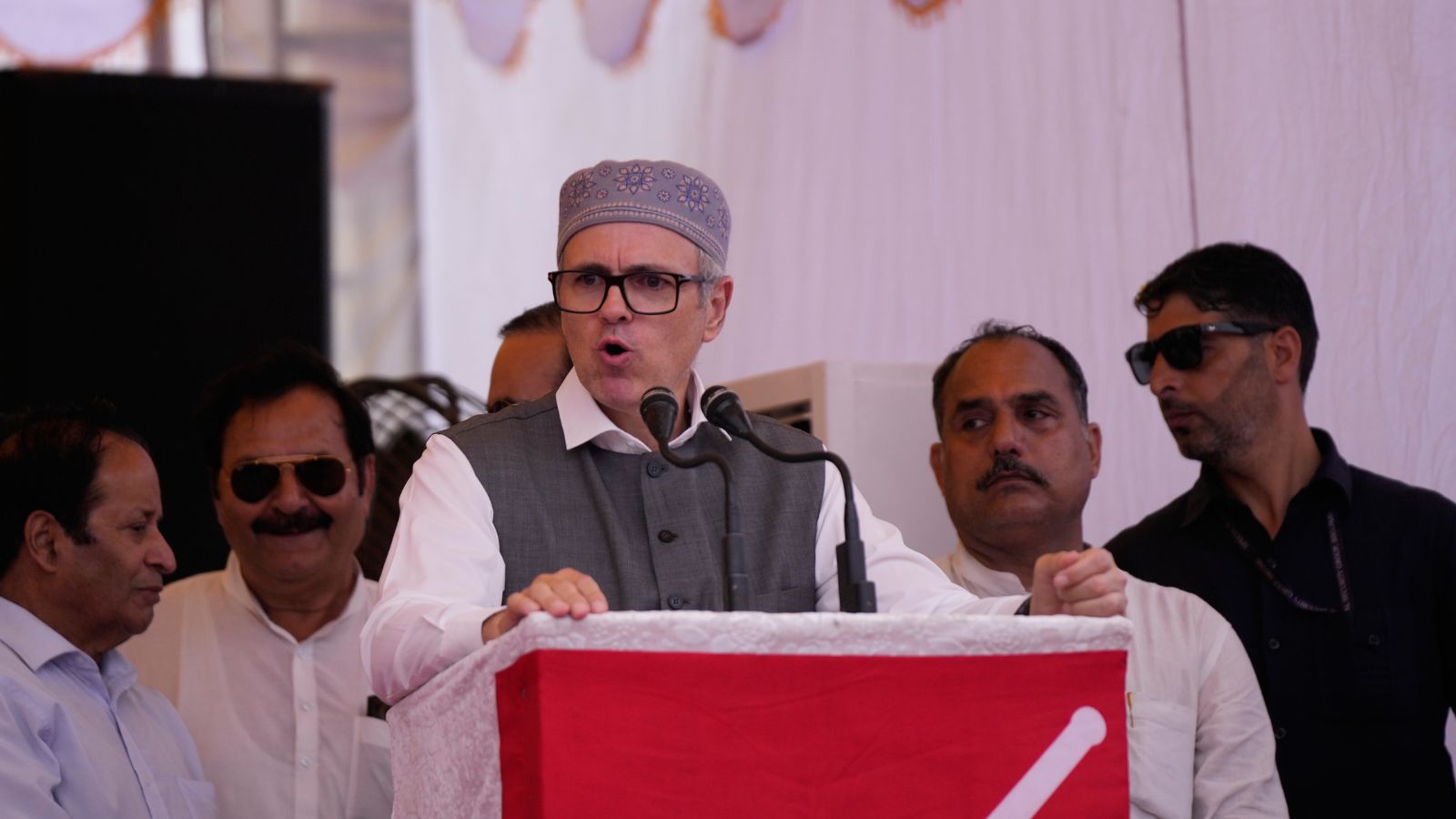
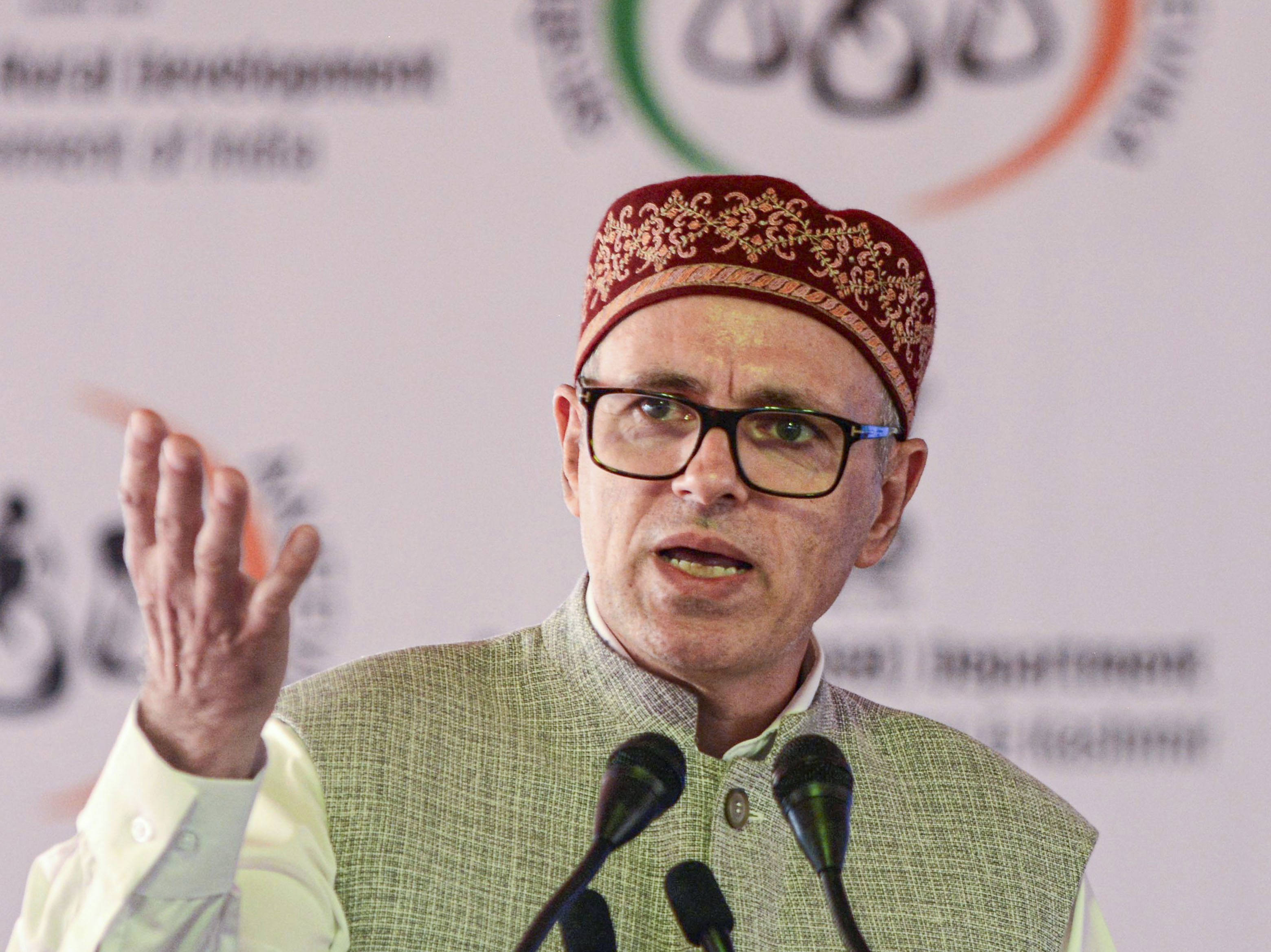
The leader of Jammu and Kashmir, Omar Abdullah, says the change took away the region's rights and threatens its identity, and he wants to undo it.
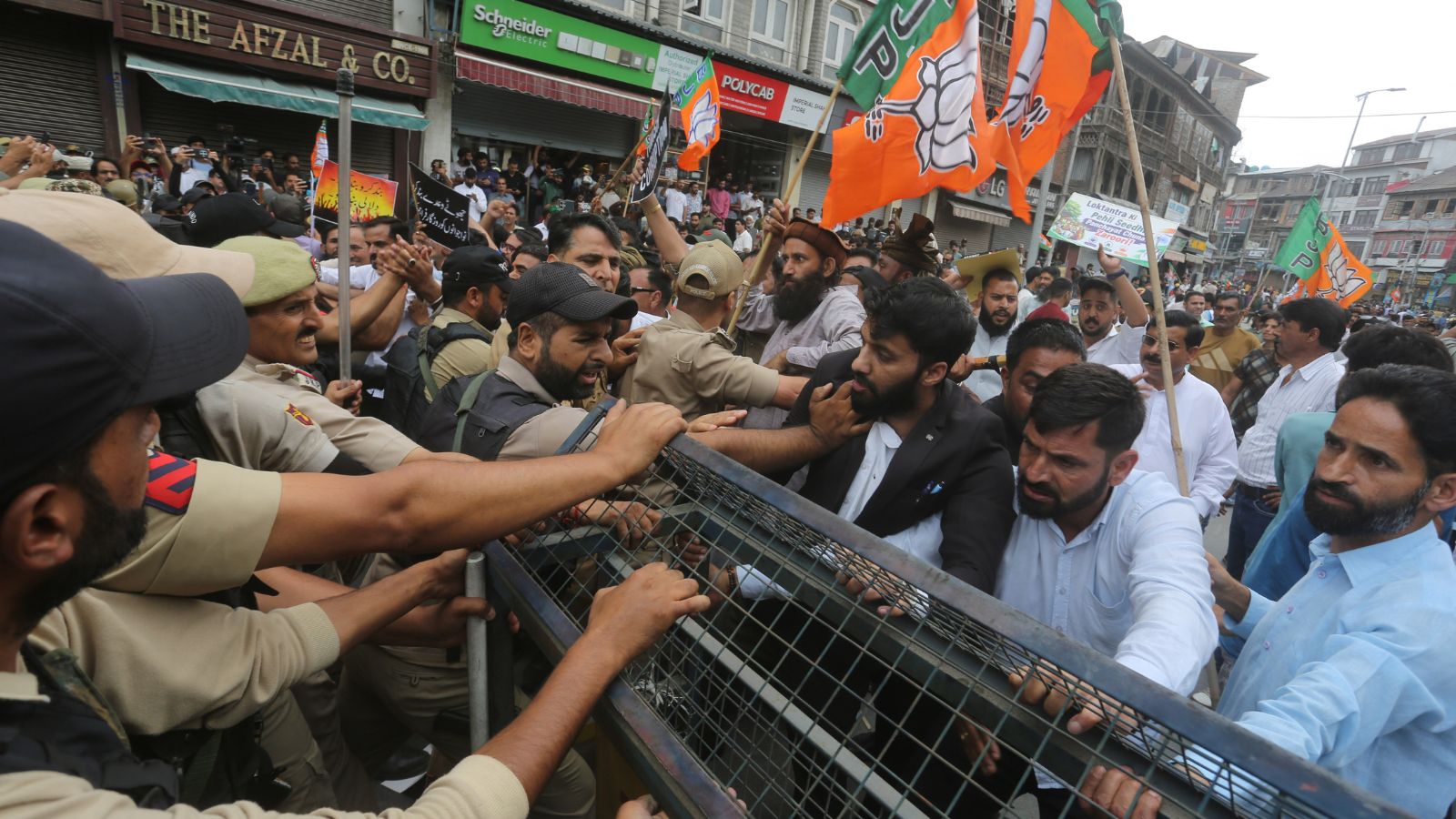
His party, the National Conference, held a protest in Srinagar to ask for the old special status back.
This year is also the 125th birthday of Dr Syama Prasad Mookerjee, the founder of the Bharatiya Jana Sangh, whose ideas were linked to the decision.

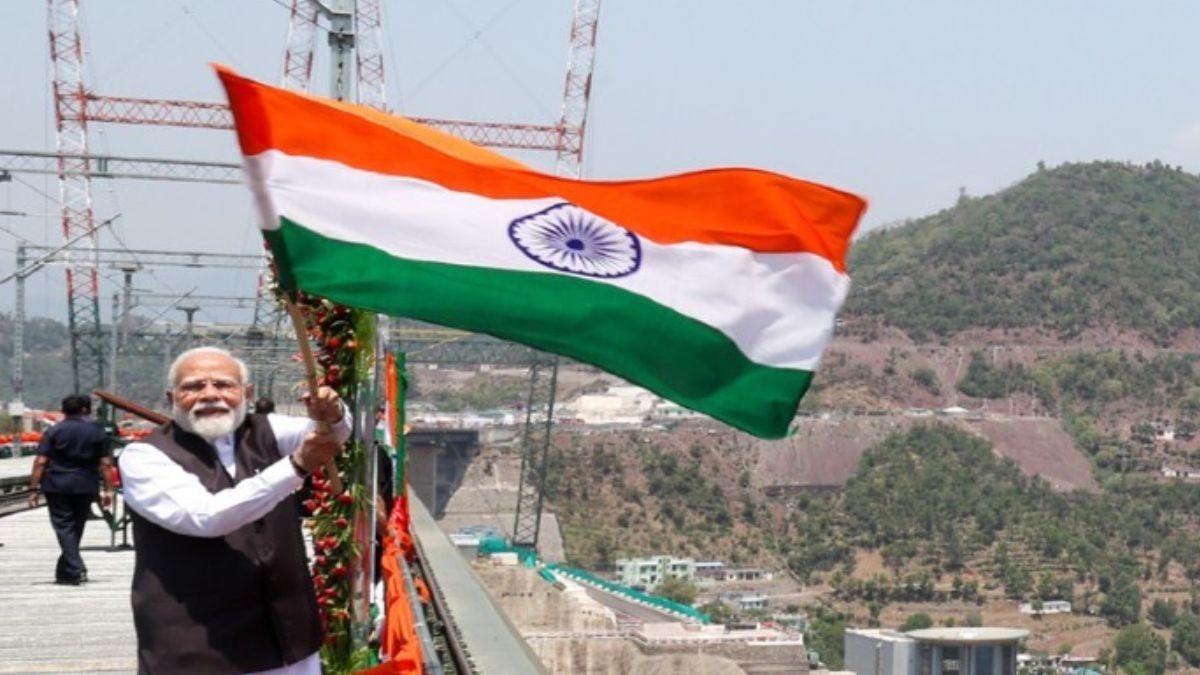
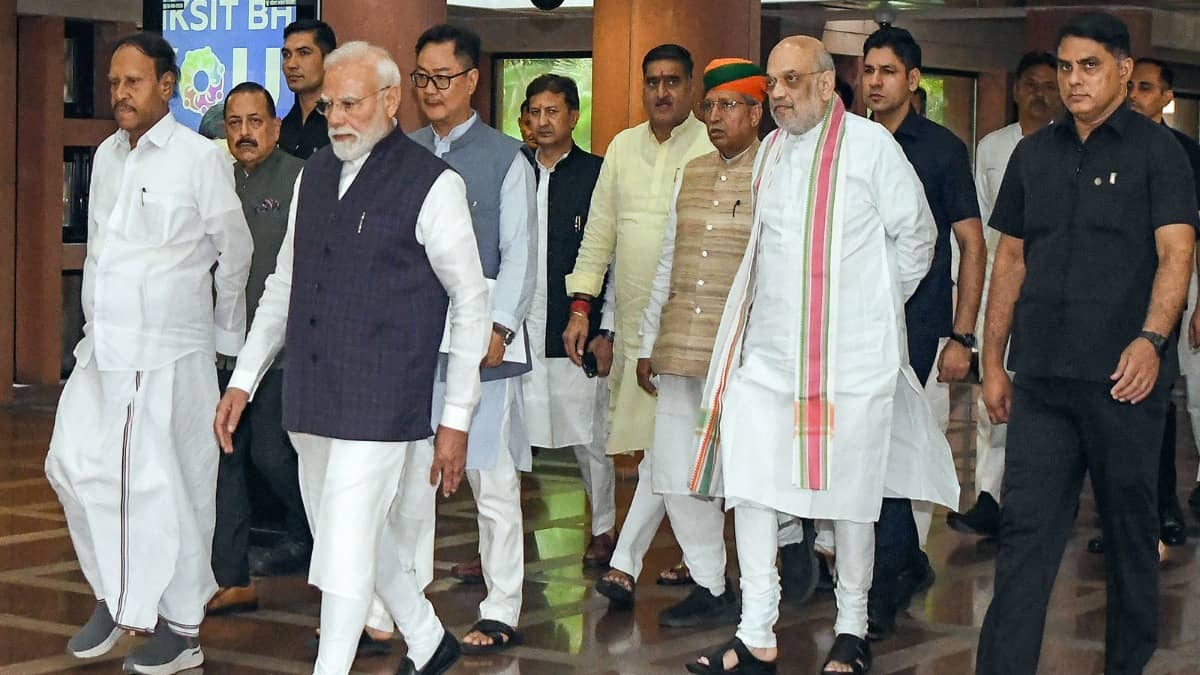
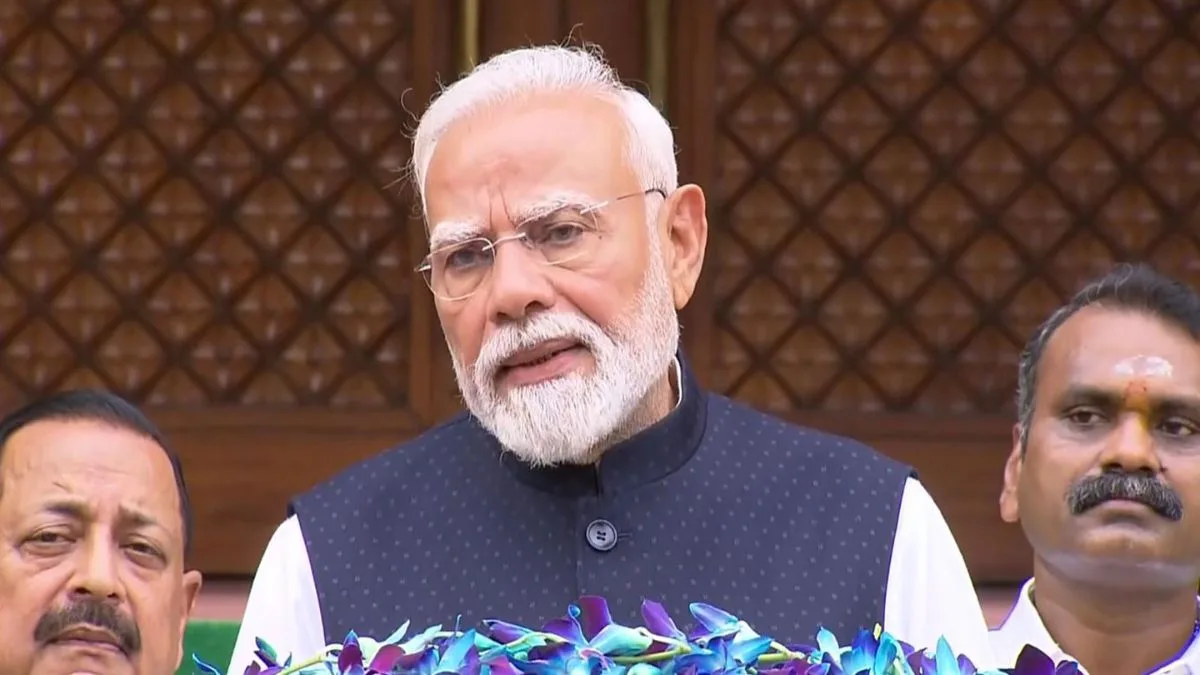
Prime Minister Narendra Modi marked the seventh anniversary of Article 370's abrogation on Wednesday, August 5, calling it a 'decisive new chapter' for Jammu and Kashmir and Ladakh.
Modi said Articles 370 and 35(A) 'became history' in 2019, leading to the full application of the Constitution of India and empowering women and marginalised communities.
He highlighted expanded infrastructure and growth in education, healthcare, entrepreneurship and sports, reaffirming the Centre's commitment to the region's development.
The Centre cited record pilgrimages in 2026, Srinagar's UNESCO Creative City and World Craft City titles and musical fountain shows at Dal Lake, while Yogi Adityanath called the day a 'golden day'.
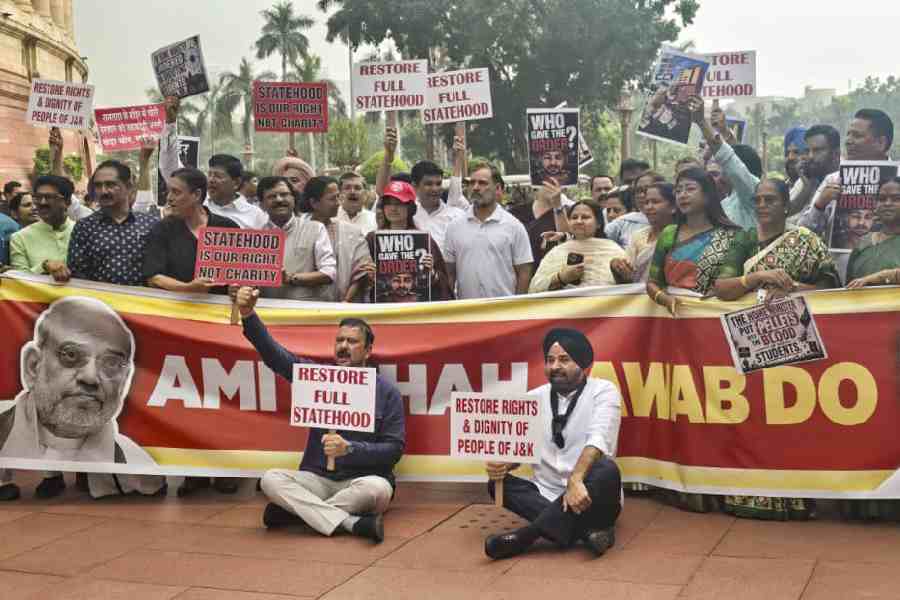
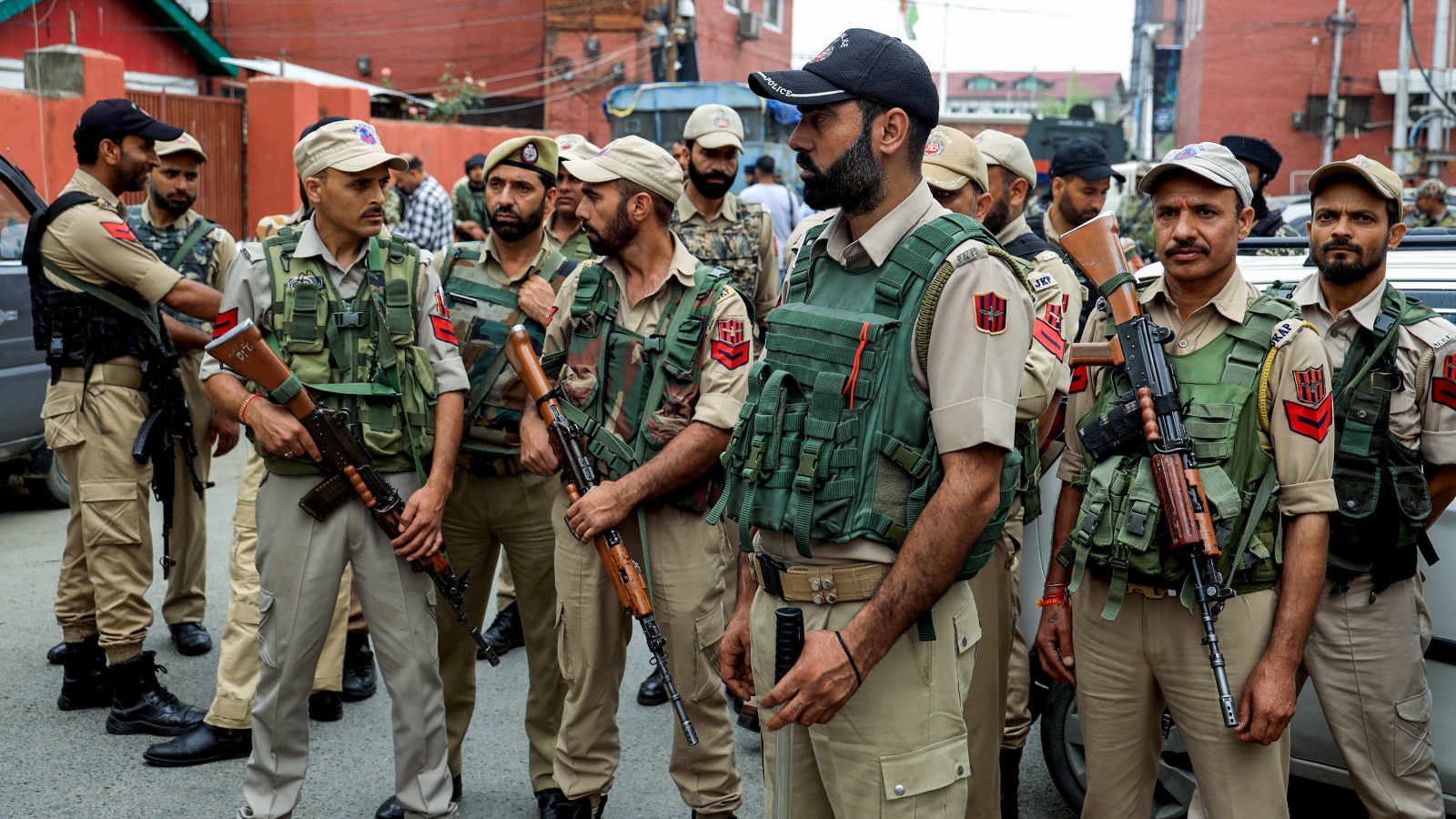
J&K Chief Minister Omar Abdullah said the National Conference has not accepted or reconciled with the changes and remains committed to reversing them; NC leaders protested in Srinagar demanding restoration of special status.
- Who
- Prime Minister Narendra Modi, J&K Chief Minister Omar Abdullah, the National Conference, and Uttar Pradesh Chief Minister Yogi Adityanath
- What
- The seventh anniversary of the abrogation of Articles 370 and 35(A) and Jammu and Kashmir's reorganisation into two Union Territories
- Where
- India; Jammu and Kashmir and Ladakh, including a National Conference protest in Srinagar
- When
- Wednesday, August 5, seven years after the August 5, 2019 abrogation
- Why
- The government says the move brought development and full constitutional rights; the opposition says it stripped the region of its rights and identity
Government's View
Opposition's View
Article 370 Abrogation
Government's View
The move ended decades of special status, applied the full Constitution of India, and fulfilled the vision of national unity, marking a 'golden day' in India's history.
Opposition's View
The move took away the region's rights and threatens its identity; the National Conference has neither accepted nor reconciled with the changes and is committed to reversing them.
Development in J&K and Ladakh
Government's View
Infrastructure expanded and opportunities grew in education, healthcare, entrepreneurship and sports, with record pilgrimages and global craft recognition for Srinagar.
Opposition's View
Opposition leaders held protests demanding restoration of special status, saying the changes stripped the region of its rights and distinct identity.
Legacy and Symbolism
Government's View
Modi tied the anniversary to the 125th birth anniversary of Dr Syama Prasad Mookerjee, calling it the historic fulfilment of his vision.
Opposition's View
Omar Abdullah quoted Robert Frost ('miles to go before I sleep'), signalling an unfinished struggle to restore the region's rights.
Key facts
- Event
- Seventh anniversary of Article 370 abrogation
- Abrogation date
- August 5, 2019
- Constitutional provisions
- Articles 370 and 35(A)
- Territorial change
- Jammu and Kashmir reorganised into two Union Territories: J&K and Ladakh
- Pilgrimage figures (2026)
- Over 50 lakh devotees at Vaishno Devi; more than 4 lakh pilgrims on the Amarnath Yatra
- Srinagar recognition
- UNESCO Creative City (Crafts and Folk Art) and World Craft City titles
- Mookerjee commemoration
- 125th birth anniversary of Dr Syama Prasad Mookerjee
- Yogi Adityanath's tribute
- Called August 5, 2019 a 'golden day', crediting PM Modi and Union Home Minister Amit Shah
Quotes
Uttar Pradesh Chief Minister Yogi Adityanath
Chief Minister of Uttar Pradesh
“"August 5, 2019, is a golden day in the history of India's unity, integrity, and sovereignty. Under the illustrious leadership of the Prime Minister Shri @narendramodi ji and the steadfast resolve of the Union Home and Cooperation Minister Shri @AmitShah ji, the abrogation of Article 370 fulfilled the historic dream of 'One Constitution-One Flag-One Leader'"”
 republicworld.com
“"Since then, the lives of the people of J&K and Ladakh have witnessed wide-ranging transformation. Infrastructure has expanded, opportunities in areas such as education, healthcare, entrepreneurship and sports have grown."”
 thehansindia.com
 freepressjournal.in
 businesstoday.in
republicworld.com
businesstoday.in
republicworld.com
Sources

J&K, Ladakh witnessed wide-ranging transformation since Article 370 abrogation: PM Modi
'Article 370 & 35A Became History': PM Narendra Modi Hails J&K's Transformation As India Marks Seven Years Since Abrogation
'Infra expanded, opportunities have grown in J&K, Ladakh': PM Modi on 7th anniversary of Article 370 abrogation

PM Modi Marks 7th Anniversary of Article 370 Abrogation: 'A Decisive New Chapter' for J&K, Ladakh
'Infrastructure Expanded, Opportunities Grown': PM Modi Marks 7 Years of Article 370 Abrogation, Reaffirms Commitment to J&K's Development

Article 370 abrogation anniversary: PM Modi hails J&2K transformation, pays tribute to Syama Prasad Mookerjee
PM Modi marks seven years of Article 370 abrogation, calls it ‘decisive new chapter’ for J&K, Ladakh
Related news
Opposition demands J&K statehood as Modi hails Article 370 anniversary

Pawan Kalyan Says Article 370 Abrogation Reshaped J&K, Ladakh

Tandon hails Modi's leadership on Article 370 abrogation anniversary

Ministers hail Article 370 abrogation anniversary, J&K parties protest

Seven Years After Article 370, Focus Must Shift to Performance

Ladakh celebrates 7th UT anniversary; L-G announces dPal rNgam awards

Rival NC-BJP Protests Roil J&K as Police Halt Marches
Omar Abdullah Alleges Unequal Treatment of Srinagar Political Protests
BJP, National Conference Hold Rival Protests Across Srinagar Streets
BJP Protests NC Govt Over Unemployment, Price Hike in J&K
India Live Updates: J&K Protests, Court Hearing, Delhi Incidents