2 weeks ago
India's 75-Year Economic Transformation: Agriculture to $4.15 Trillion GDP
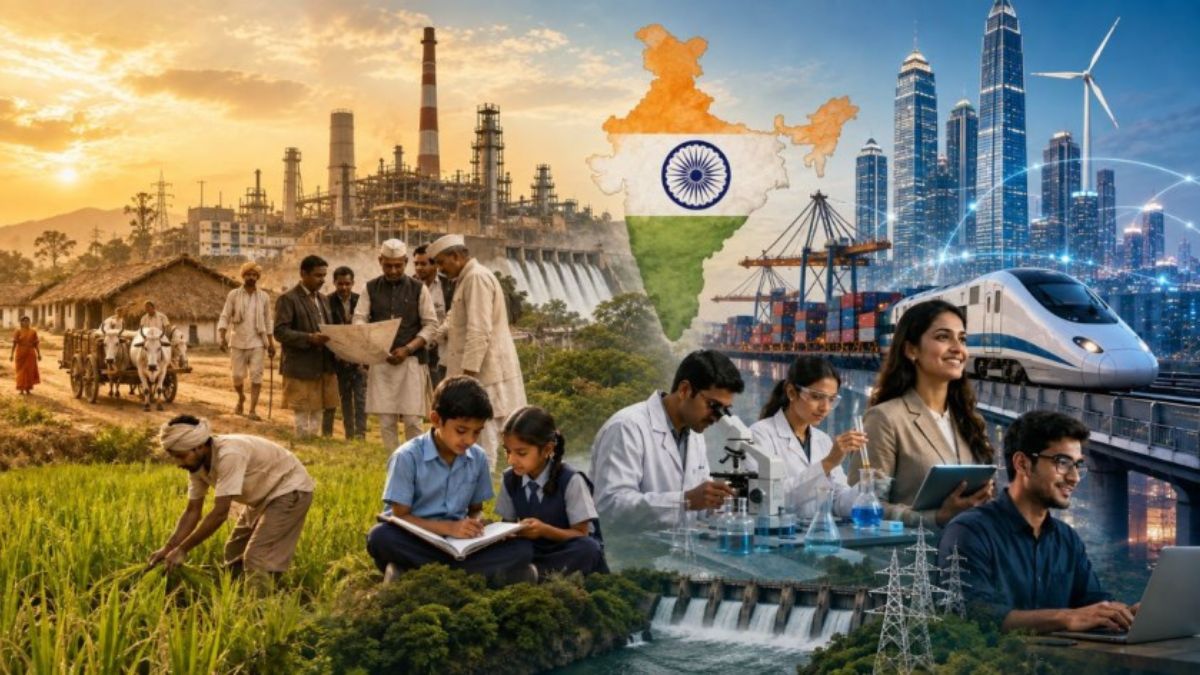
Seventy-five years ago, India became a free country, and a leader named Jawaharlal Nehru made a famous speech about ending poverty, sickness, and unfairness.
Back then, more than half of India's money came from farming.
Over time, India built factories, power plants, schools, and science laboratories.
In 1991, India faced a money crisis and changed its rules to let businesses grow more freely.
Today, India's economy is huge, worth about $4.15 trillion.
Most of its money now comes from services like banking and technology instead of farming.
People are healthier and more educated than before, living almost twice as long and reading much more.
India's next big job is making sure all its people get good jobs and a fair chance to succeed.

India's nominal GDP has grown to an estimated $4.15 trillion, with GDP per capita around $2,813, according to the International Monetary Fund.
Agriculture's share of India's GDP fell from 52.2% in 1950-51 to 21.4% of GVA, while services now account for 52.9% of GVA.
Literacy rose from 18.33% in 1951 to 80.9% among people aged seven and above in 2023-24.
Life expectancy at birth increased from about 32.1 years in 1951 to 72 years in 2024.
Foreign-exchange reserves climbed from ₹1,029 crore in 1950-51 to $697.1 billion as of April 3, 2026.
- Who
- India's leaders and institutions, from Jawaharlal Nehru to RBI Governor Sanjay Malhotra, frame the story of the country's economic transformation.
- What
- A review of India's 75-year economic transformation from an agriculture-dominated economy to a roughly $4.15 trillion services-led economy.
- Where
- India, with key speeches delivered in New Delhi, Hyderabad, and Madras.
- When
- From 1951, the first Census baseline, through 2026, marking 75 years after independence in 1947.
- Why
- To assess progress on Nehru's objectives of ending poverty, ignorance, disease, and inequality of opportunity, and to define the next stage of development.
Key facts
- Nominal GDP
- About $4.15 trillion (IMF estimate)
- GDP per capita
- About $2,813
- Population
- 1.48 billion (up from 36.1 crore in the 1951 Census)
- Literacy rate
- 18.33% in 1951 to 80.9% in 2023-24 (ages 7+)
- Life expectancy
- About 32.1 years in 1951 to 72 years in 2024
- Agriculture share
- 52.2% of GDP in 1950-51 to 21.4% of GVA today
- Services share of GVA
- 52.9% in FY25
- Foreign-exchange reserves
- ₹1,029 crore in 1950-51 to $697.1 billion on April 3, 2026
Quotes

Jawaharlal Nehru
First Prime Minister of independent India, leader of the Constituent Assembly
“"The service of India means the service of the millions who suffer," he said.”
 financialexpress.com
“"Now it is the engineers and the scientists who are indispensable," he added.”
financialexpress.com
Sources
Related news
India's Economy: From Rs 2.7 Lakh Crore to $4 Trillion
Sitharaman Urges Centre, States Partnership to Build Viksit Bharat
Tata’s Patient Bets Aim to Build India’s Missing Capabilities
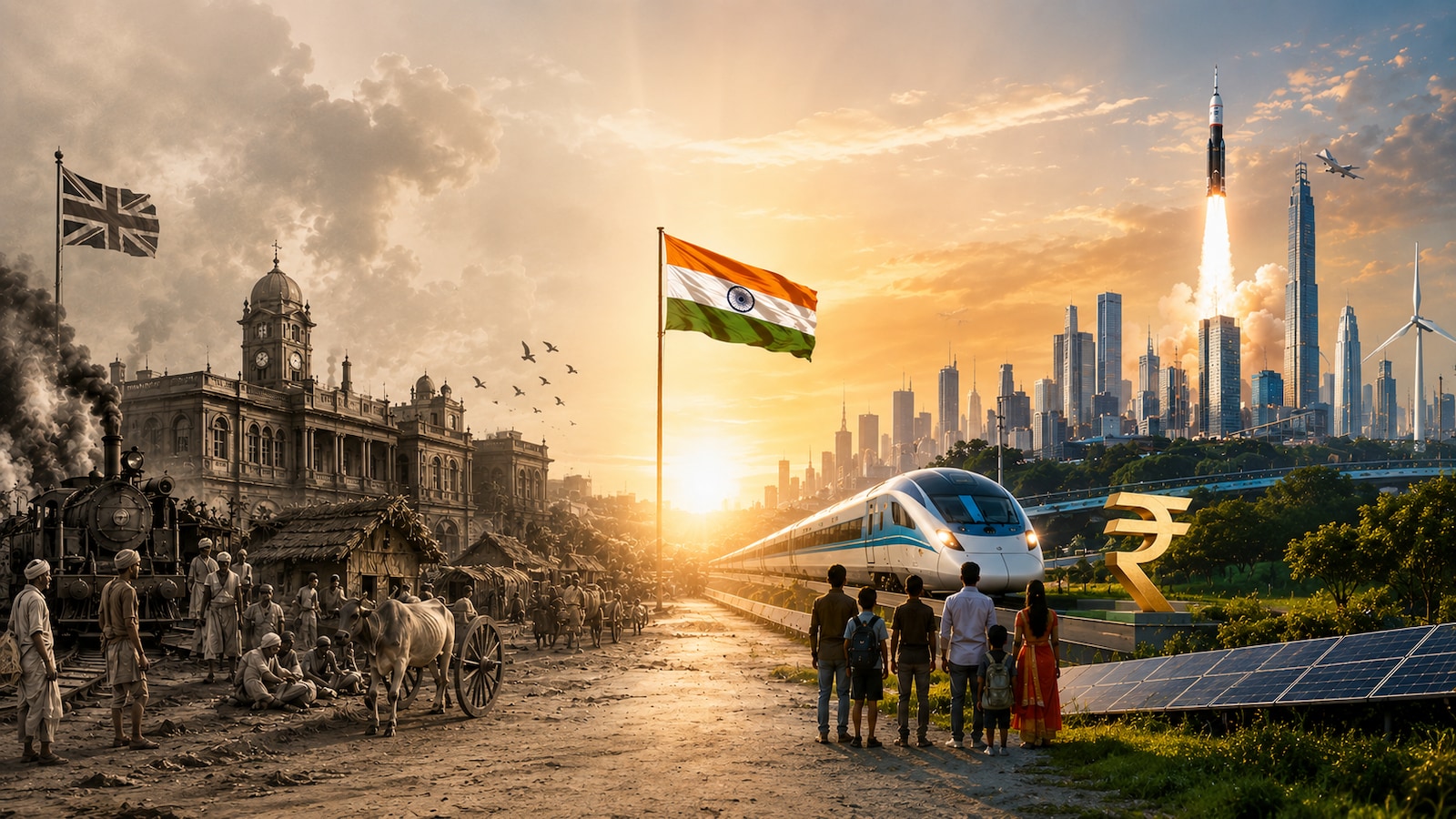
How Independence Revived India's Hollowed-Out Economy After British Rule
PM Modi's Independence Day Speeches Trace India's Decade of Transformation
PM Modi unveils Sapt Dhara roadmap for Viksit Bharat 2047
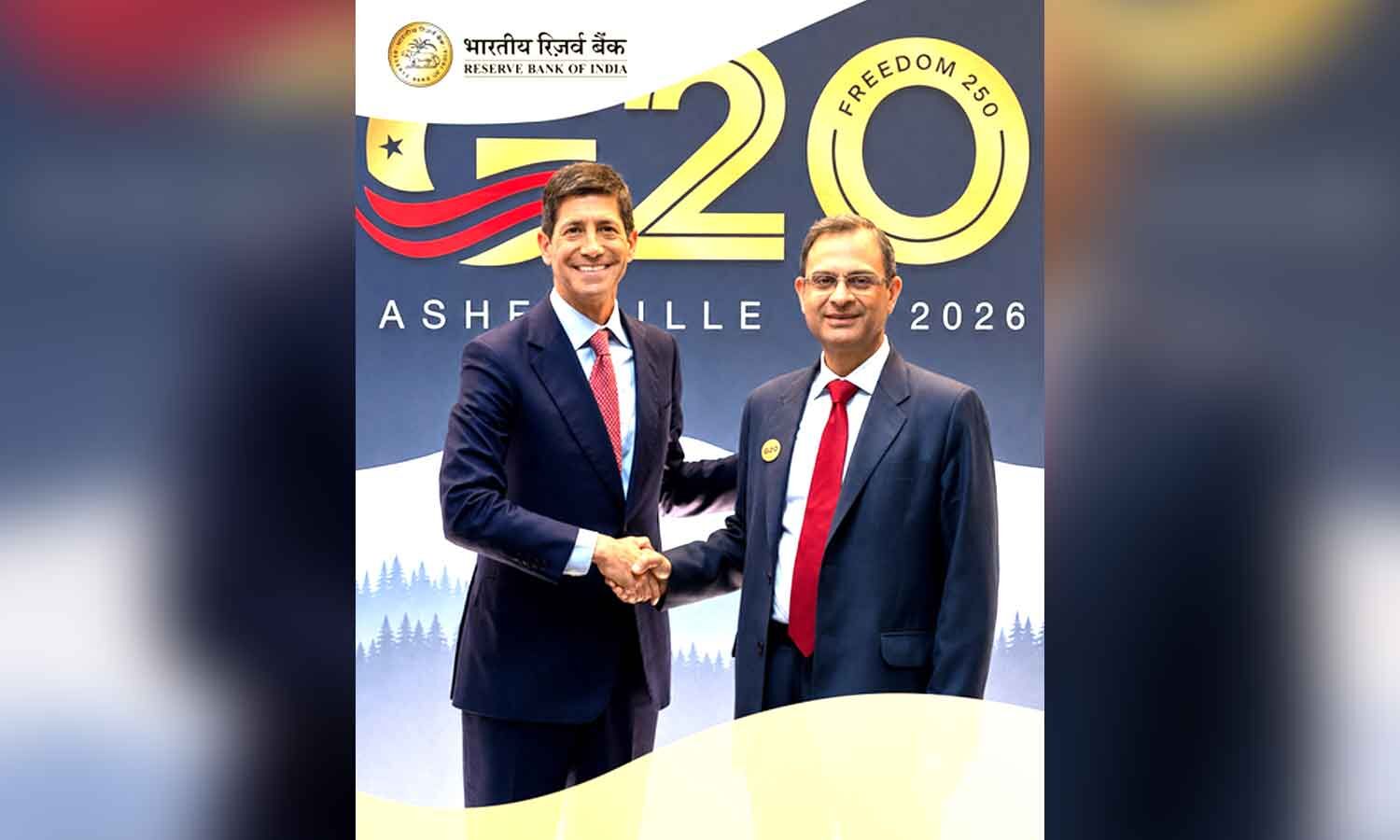
RBI Governor Meets US Fed Chief Kevin Warsh at G20

FCNR(B) Inflows Cross $100 Billion as RBI Closes Window
Indian Bond Yields Near 7% as Rate Hike Bets Rise

India Hosts BRICS 2026 Amid US-Iran War Tensions

Finance Ministry Flags Global Yield and Inflation Risks for India