2 days ago
Free Public Coaching Could Make India’s Entrance Exams Fairer
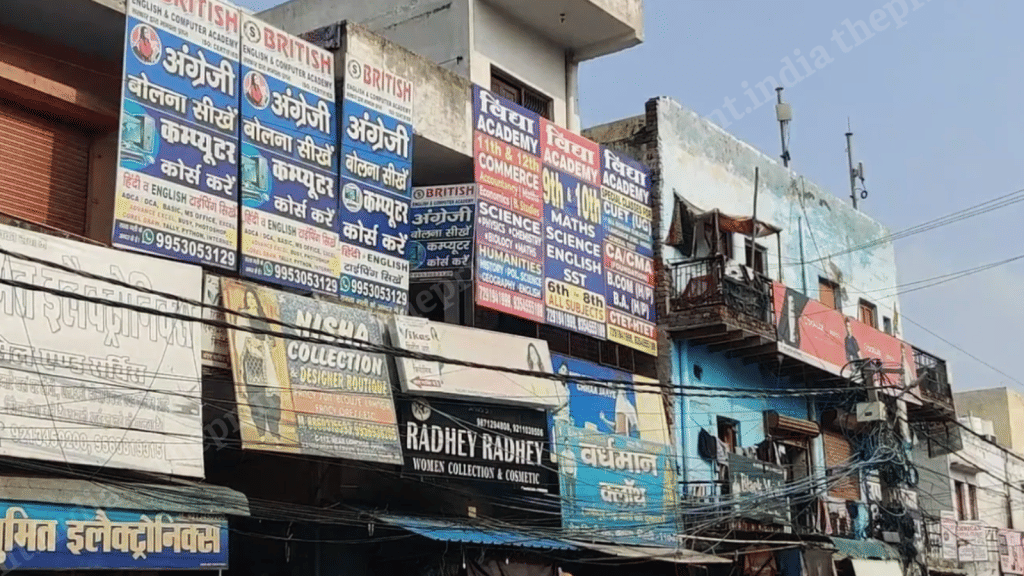
Many students in India take difficult exams to enter good universities or get government jobs.
Some families can pay for special coaching, while others cannot.
Paid coaching gives students lessons, practice tests, feedback and help with difficult questions.
This can make competition feel unequal even when everyone takes the same exam.
The government has announced free online coaching to help more students prepare.
A platform called SATHEE already provides lessons, tests and mentoring for several exams.
However, not every student has a personal device, reliable internet or a quiet place to study.
Free coaching also cannot completely fix weak schooling or the small number of places available.
It may help make exams fairer if it is personalised, widely accessible and combined with larger education reforms.

Prime Minister Narendra Modi announced free online coaching for competitive-exam candidates in his 15 August 2026 Independence Day address.
Private coaching is widespread, with 27% of Indian school students taking or having taken it in 2025.
Evidence from JEE, NEET and IIT admissions links coaching access and household income with representation among top candidates and admits, though it does not prove causation.
The SATHEE platform offers free lectures, practice, mock tests, doubt-clearing, mentorship and AI-supported study tools for several examinations.
Experts caution that free coaching must include personalised and offline access while complementing reforms to schools, universities and selection systems.
- Who
- Prime Minister Narendra Modi announced the initiative; it is intended for young people preparing for competitive examinations.
- What
- The Indian government plans to provide free online coaching and expand public support for entrance-exam preparation.
- Where
- The initiative applies across India, using digital access as well as schools, colleges and libraries.
- When
- The announcement was made in Narendra Modi’s 15 August 2026 Independence Day address.
- Why
- It aims to reduce the financial burden of private coaching and weaken the link between family income and preparation opportunities.
Case for Free Public Coaching
Limits and Risks
Reducing financial inequality
Case for Free Public Coaching
Free, examination-specific preparation could reduce the advantage available to families who can afford specialised coaching.
Limits and Risks
Free materials may not reproduce the individual feedback, comparison with competitors and sustained attention that private institutions provide.
Role of technology
Case for Free Public Coaching
AI tools, mock tests, personalised study plans and online doubt resolution could help identify weaknesses and support students at scale.
Limits and Risks
Students may lack individual devices, dependable internet or suitable places to study, so online access alone may exclude some candidates.
Long-term education policy
Case for Free Public Coaching
A public coaching service could be a useful equity intervention while broader reforms are developed.
Limits and Risks
If schools, universities and selection systems remain unchanged, public coaching could institutionalise the coaching culture it aims to reduce rather than address its causes.
Key facts
- Private coaching participation
- The NSO’s 2025 survey found that 27% of school students were taking or had taken private coaching.
- Urban-rural participation
- Participation was 30.7% in urban India and 25.5% in rural India.
- Urban higher-secondary spending
- Average annual private-coaching spending was INR 9,950 per student in urban areas.
- Rural higher-secondary spending
- Average annual private-coaching spending was INR 4,548 per student in rural areas.
- Existing public platform
- SATHEE provides preparation for JEE, NEET, CUET, SSC, banking, railway and law entrance examinations.
- Coaching industry estimate
- An Economic and Political Weekly analysis estimated India’s coaching industry at INR 580 billion in 2024 and projected further growth.
- Digital access challenge
- The article says household internet access does not necessarily mean every student has personal device access, reliable connectivity or a quiet study space.
Sources
Related news

Free Coaching Cannot Solve India’s Deeper Education Crisis
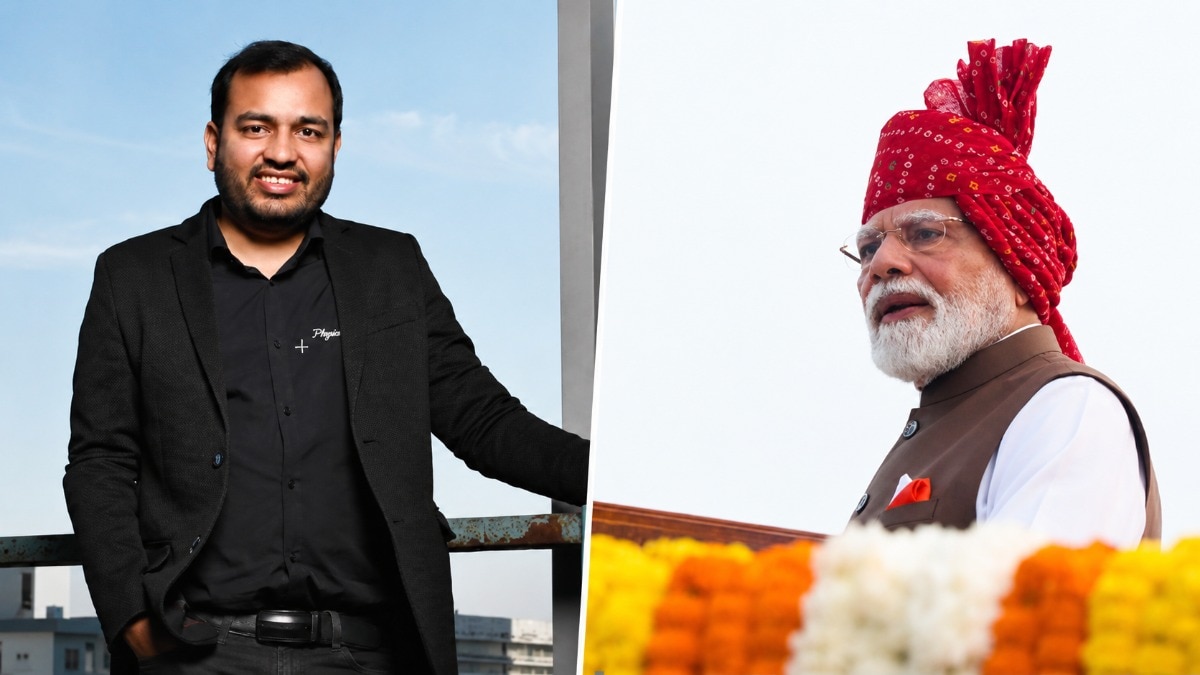
Alakh Pandey backs PM Modi's free online coaching initiative
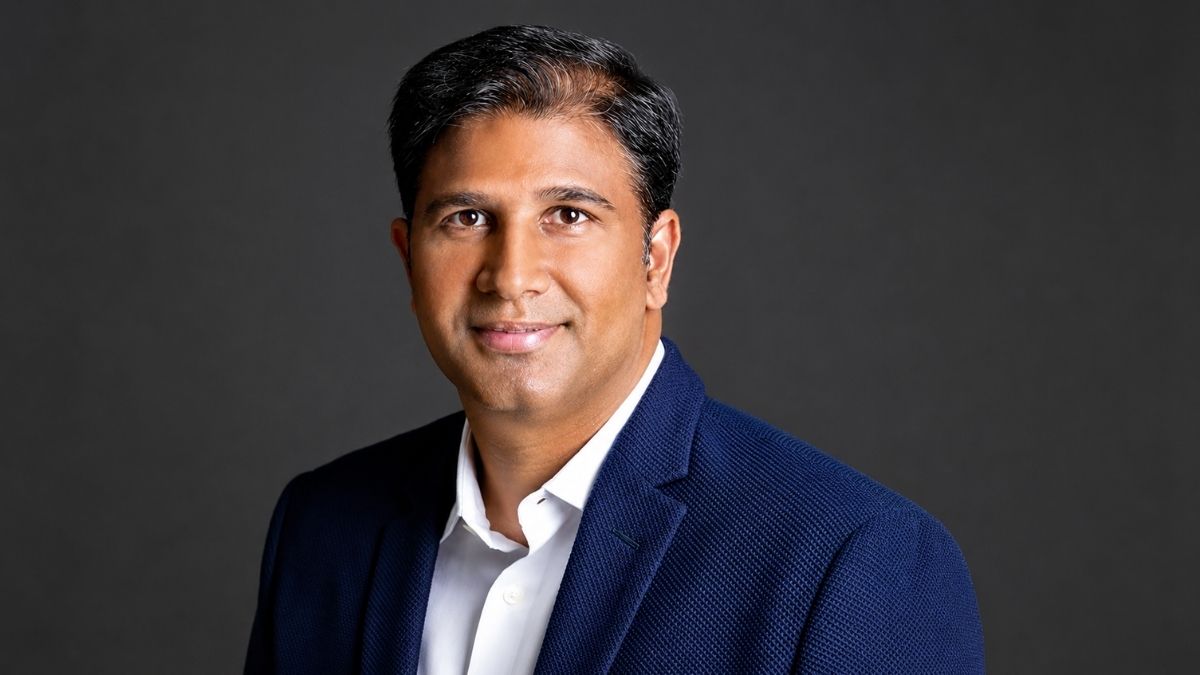
Aakash CEO Says Government's Free Coaching Plan Won't Hurt Business

PM Modi announces free online coaching, AI training for youth

Alakh Pandey Backs PM Modi's Free Online Coaching Promise
Goyal Defends India’s 7.8% GDP Growth Amid Data Debate
Manipur Census Deferment Welcomed as Step Toward Public Aspirations
UPSC Key Covers SCO, Electoral Rolls, Economy, Defence and Climate

West Bengal CM Crushes Nearly 2 Lakh Seized Syrup Bottles

Modi Highlights India’s Growing Avocado Market and Farmer Gains