

1 week ago
‘Dimagi Naxal’ Debate Casts Dissent as Political Threat
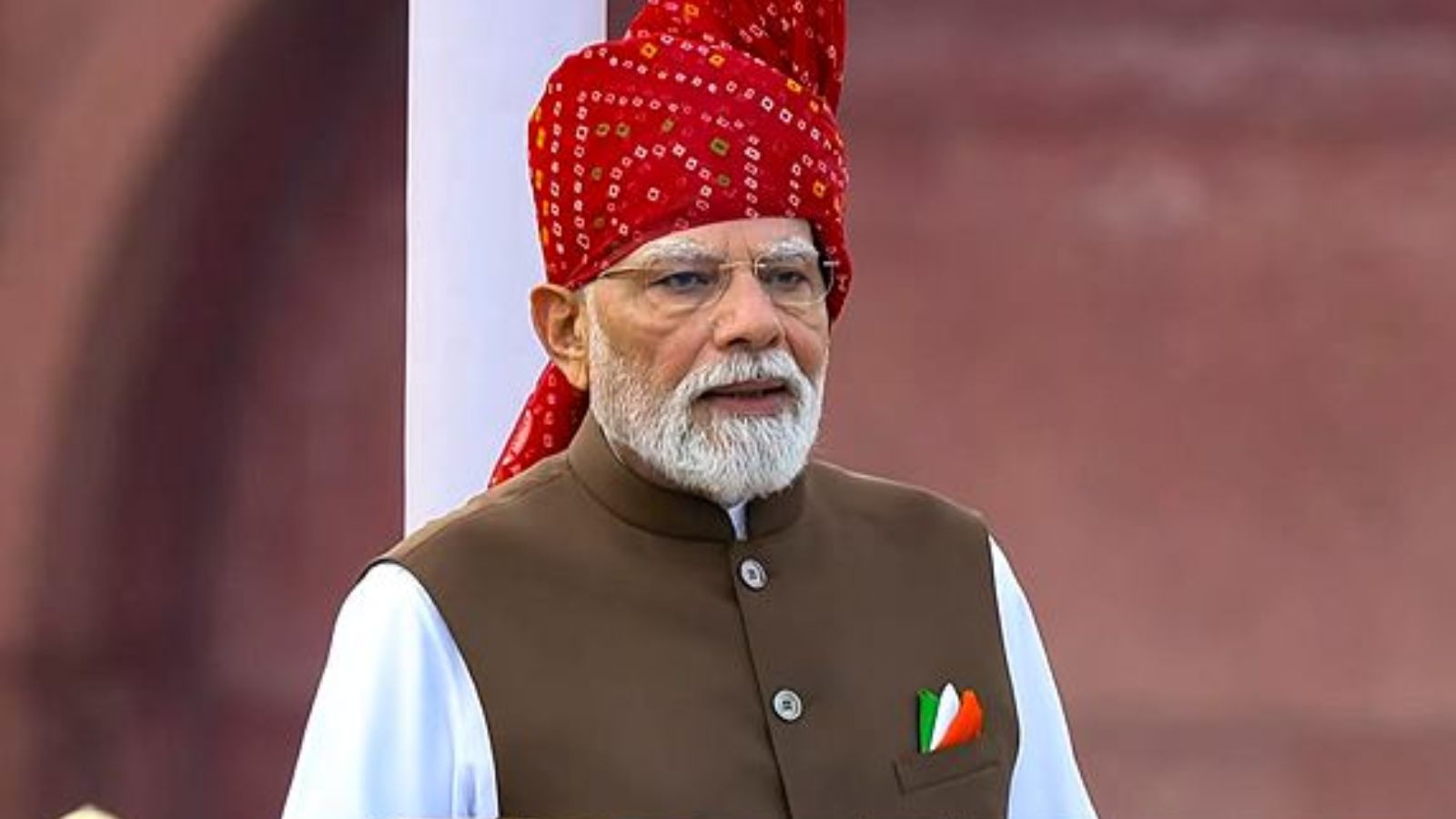
The article asks what Narendra Modi means when he calls some people “dimagi Naxals.”
Traditional Naxals were armed rebels who fought the Indian state.
The article says the newer phrase can be used for people such as teachers, writers, activists and critics.
Its writer believes the label treats asking difficult questions as if it were a crime.
The article criticizes the government’s focus on political image and public praise.
It also questions some of Modi’s diplomacy and responses to reported temple corruption.
The writer says a democracy needs journalists, courts, universities and citizens who can disagree.
The article’s main message is that independent thinking should not be treated as a threat.

The article examines Narendra Modi’s use of the phrase “dimagi Naxal,” or “mental Naxal.”
It contrasts armed Naxal insurgents with professors, activists, writers and other critics described by Brij Lal as “dimagi Naxals.”
The writer argues that the label may stigmatize independent thought and political questioning as dangerous.
The article criticizes Modi’s political image, diplomacy and response to allegations of corruption in temples.
It concludes that democracy requires dissent, scrutiny and citizens who do not offer unquestioning approval.
- Who
- Narendra Modi, BJP MP Brij Lal, and citizens, intellectuals and activists discussed or characterized in the article.
- What
- The article critiques the phrase “dimagi Naxal” and argues that it can portray dissenting citizens as internal enemies.
- Where
- India, particularly within its democratic and political institutions.
- When
- The phrase was used by Narendra Modi on Independence Day, according to the article; no date is provided.
- Why
- The author argues that the label is a rhetorical response to criticism and independent judgment, rather than a description of armed violence.
Critique of the Label
Security and Political-Order Rationale
Meaning of “dimagi Naxal”
Critique of the Label
The article argues that the phrase broadens the idea of Naxalism from armed violence to independent thinking, criticism and uncomfortable questions.
Security and Political-Order Rationale
The article provides no direct explanation from Narendra Modi of the phrase’s intended scope; it notes only that the state has a legitimate duty to confront armed violence and enforce the law.
Role of Dissent
Critique of the Label
The writer says democratic societies need questioning universities, investigative journalists, scrutinizing courts, challenging civil society and disagreeing opposition parties.
Security and Political-Order Rationale
A security-focused interpretation could prioritize protecting the state and civilians from violence, but the article does not present a detailed government defense of the label.
Political Leadership
Critique of the Label
The article portrays the phrase as a response by a political establishment that is uncomfortable with criticism and declining control over public opinion.
Security and Political-Order Rationale
The article notes that supporters of political authority may view criticism through the lens of threats to order, though it does not quote a specific defense of Modi’s political image.
Key facts
- Term examined
- “Dimagi Naxal,” translated in the article as “mental Naxal”
- Traditional Naxalism
- An organized armed insurgency that used violence against the Indian state
- People associated with the label
- Professors, teachers, intellectuals, activists, poets and writers, according to Brij Lal’s description
- Central criticism
- The article says independent questions and dissent are being portrayed as threats
- Democratic institutions mentioned
- Universities, journalists, courts, civil society and opposition parties
- Author’s stated position
- The writer identifies the phrase as evidence of political insecurity and argues against criminalizing questions
- Independence Day reference
- The article says Narendra Modi used the phrase on Independence Day
Quotes
Brij Lal
BJP member of Parliament and former Uttar Pradesh director general of police
““dimagi Naxals” are people who use their brains — professors, teachers, intellectuals, activists, poets and writers.”
 indianexpress.com
Sources
Related news
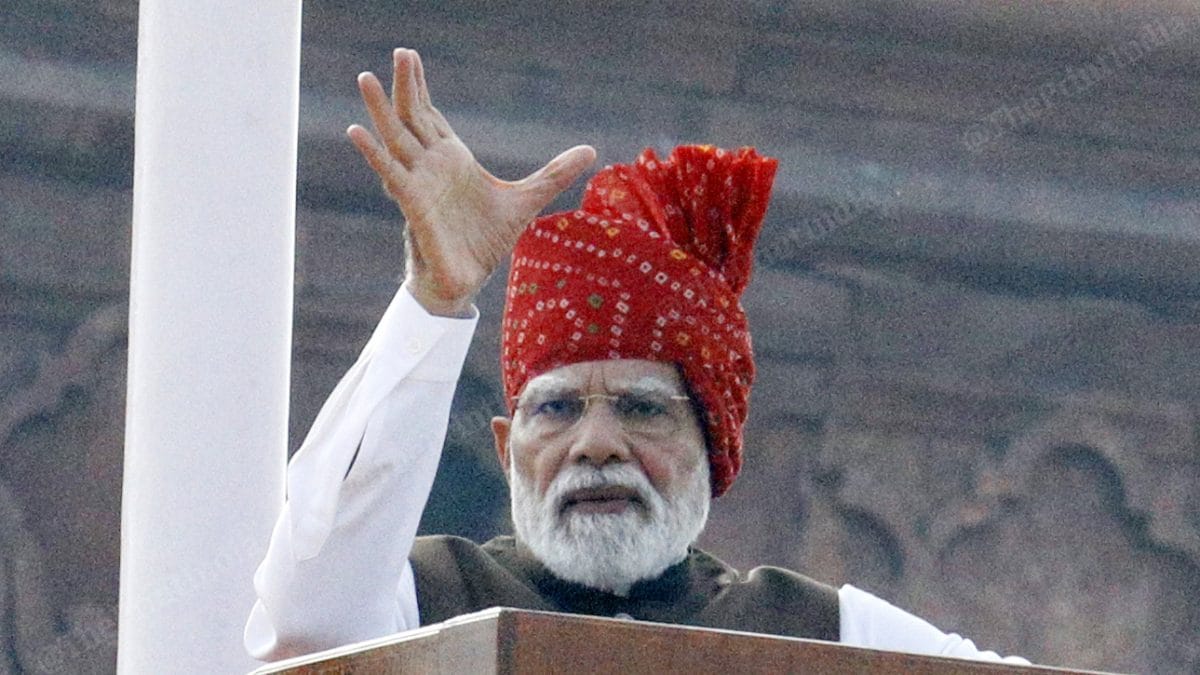
'Dimagi Naxal' remark shows Modi running out of enemies
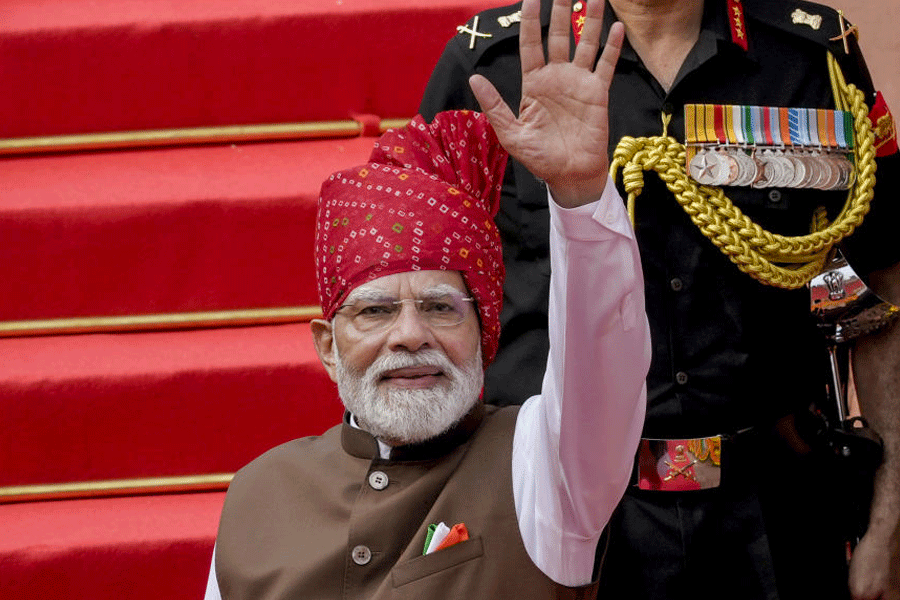
Modi's 'Dimaagi Naxal' remark sparks political row over dissent
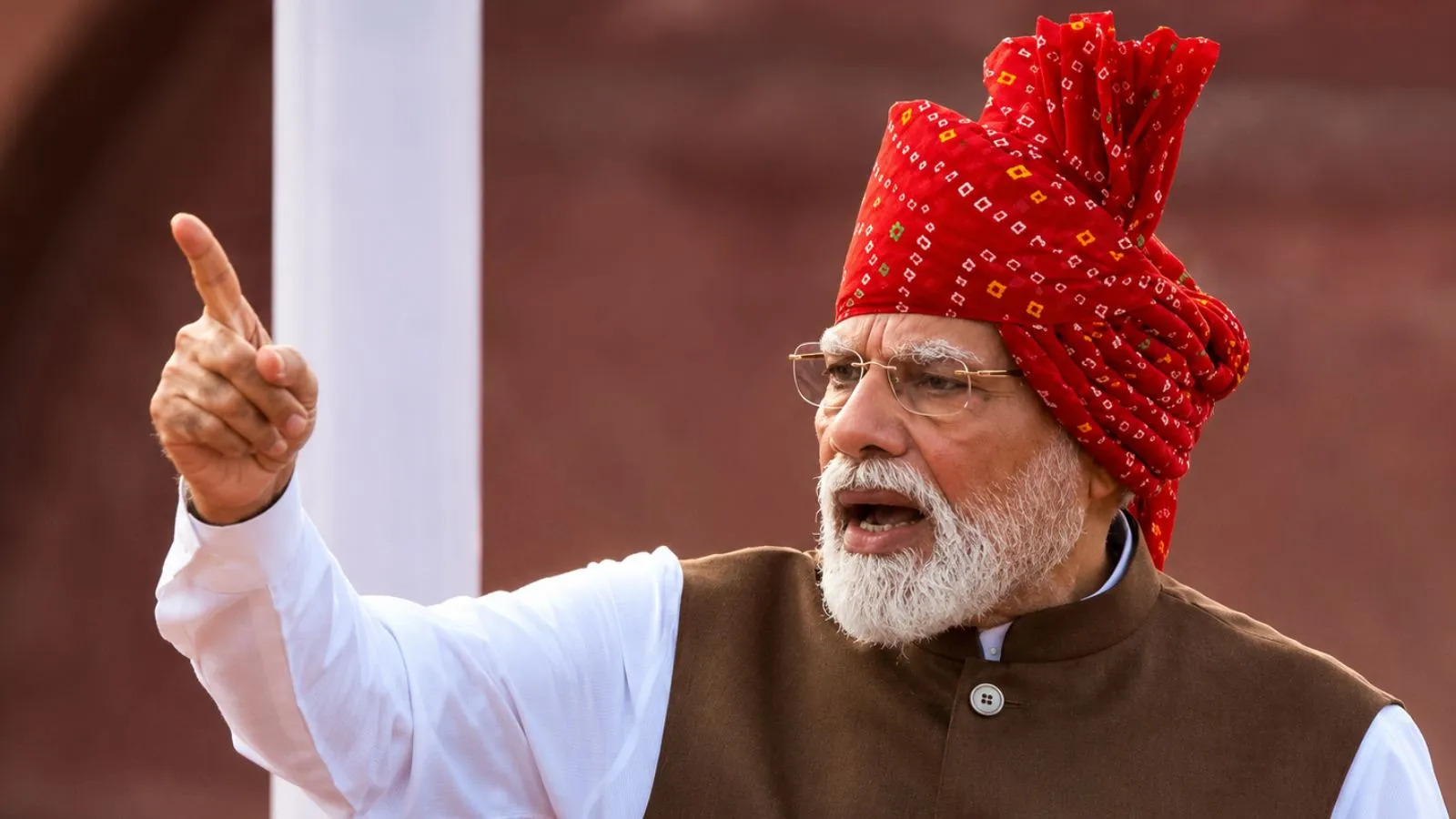
Ram Madhav Defends Modi’s ‘Dimagi Naxal’ Remark
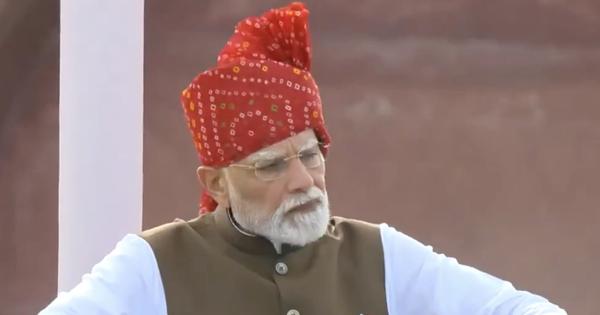
Congress dubs Modi 'master abuser' over 'dimaagi Naxals' remark
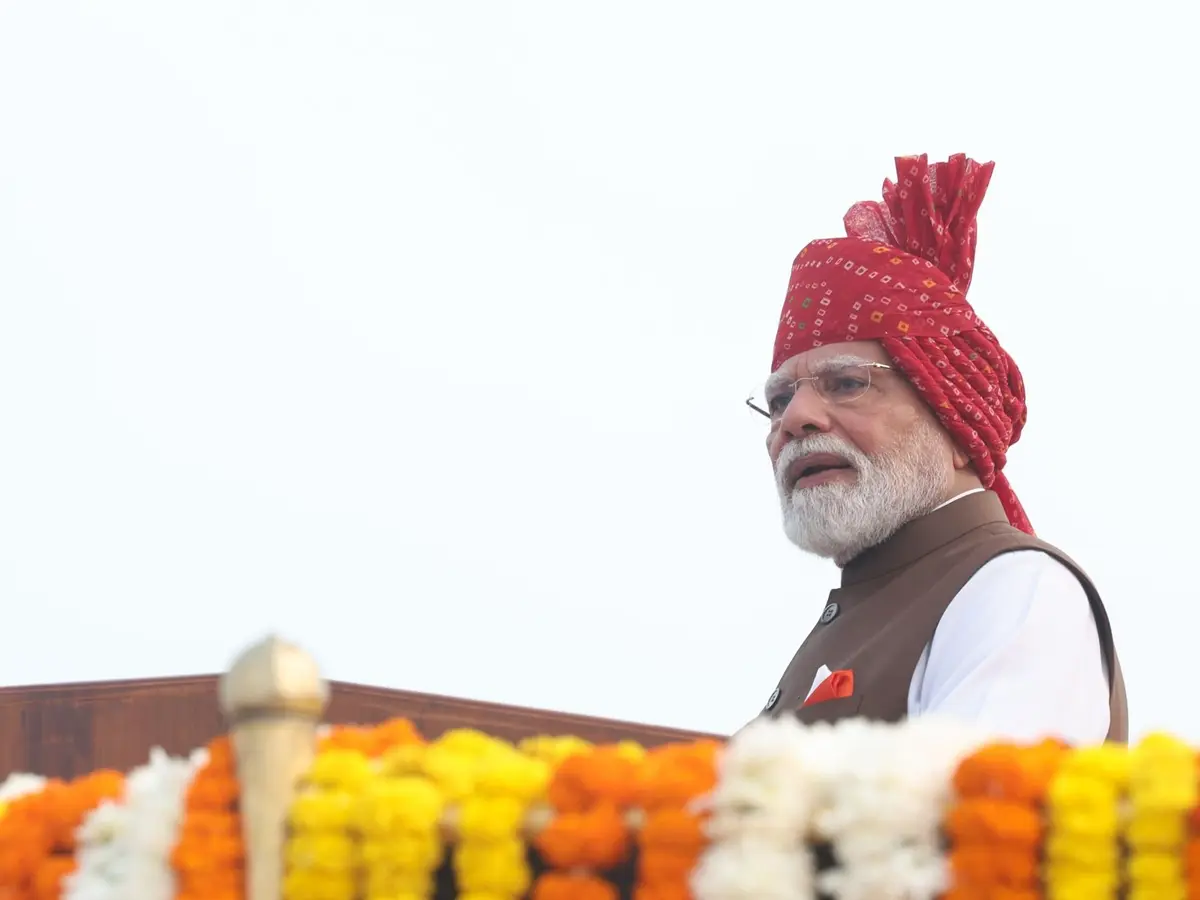
Opposition leaders hit back at Modi's 'dimagi Naxal' remark

Tavleen Singh Challenges ‘Dimagi Naxal’ Label, Defends Dissent

Government Defends 7.8% GDP Growth as Congress Raises Doubts
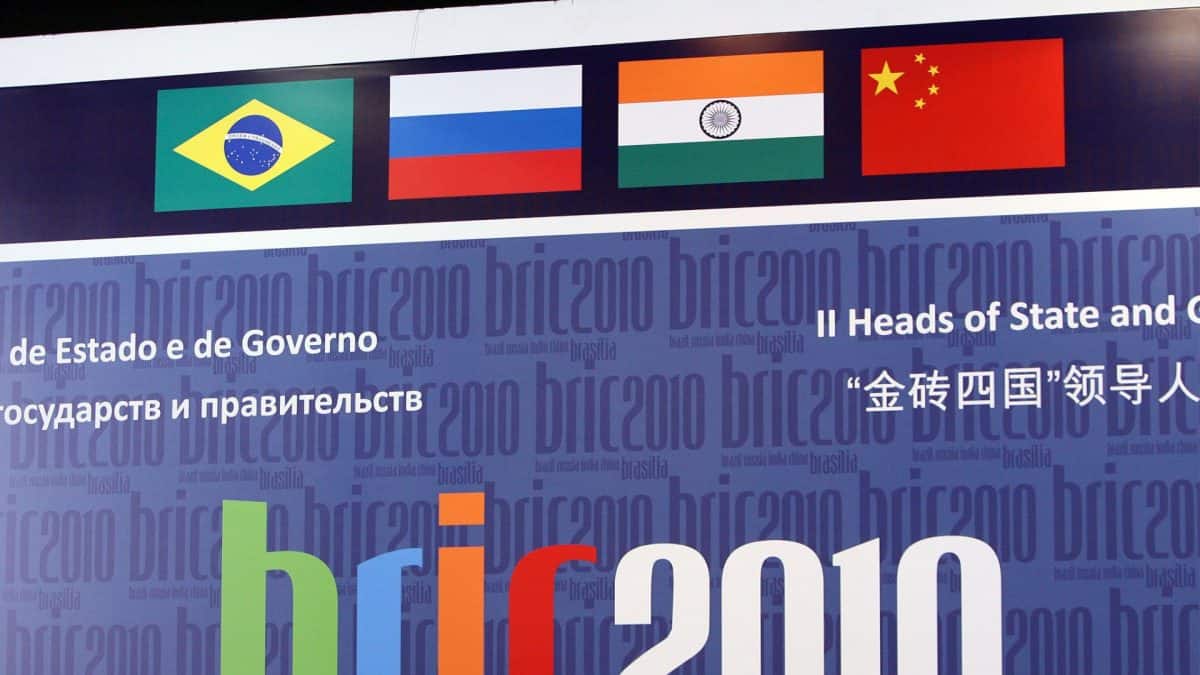
BRICS Expansion Puts Membership and Reform at New Delhi Summit

Piyush Goyal Defends India’s 7.8% GDP Growth Amid Criticism
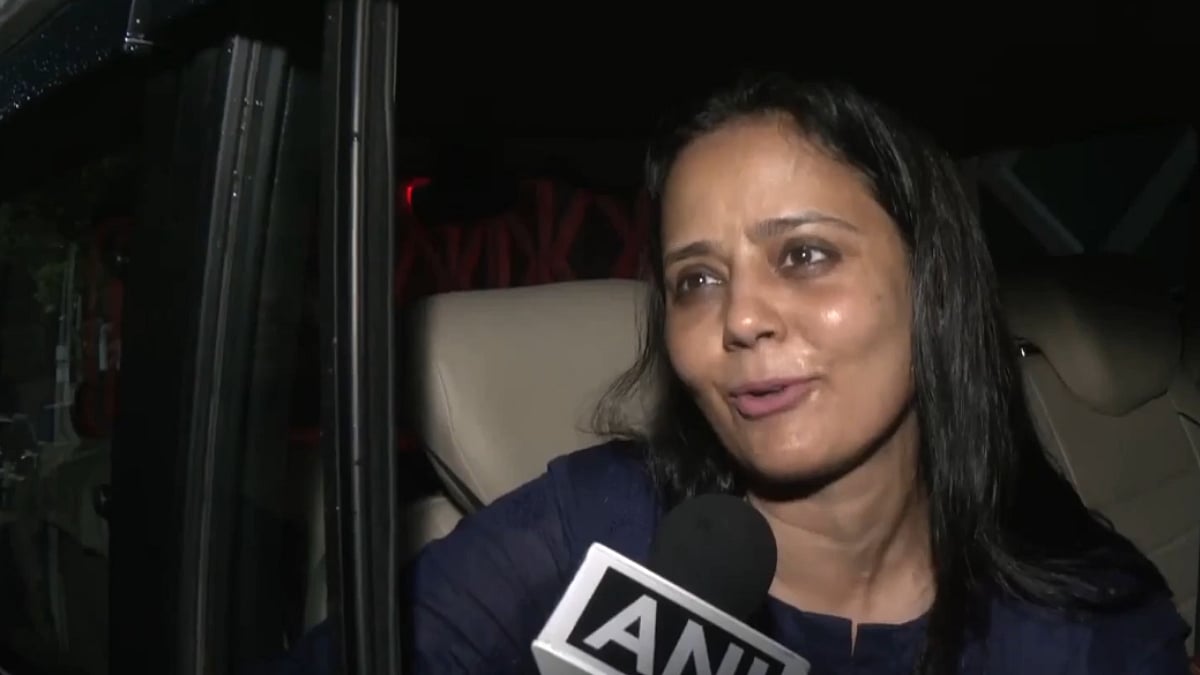
Mahua Moitra Questions India’s 7.8% GDP Growth Figures
Goyal Defends India’s 7.8% GDP Growth Amid Data Debate
