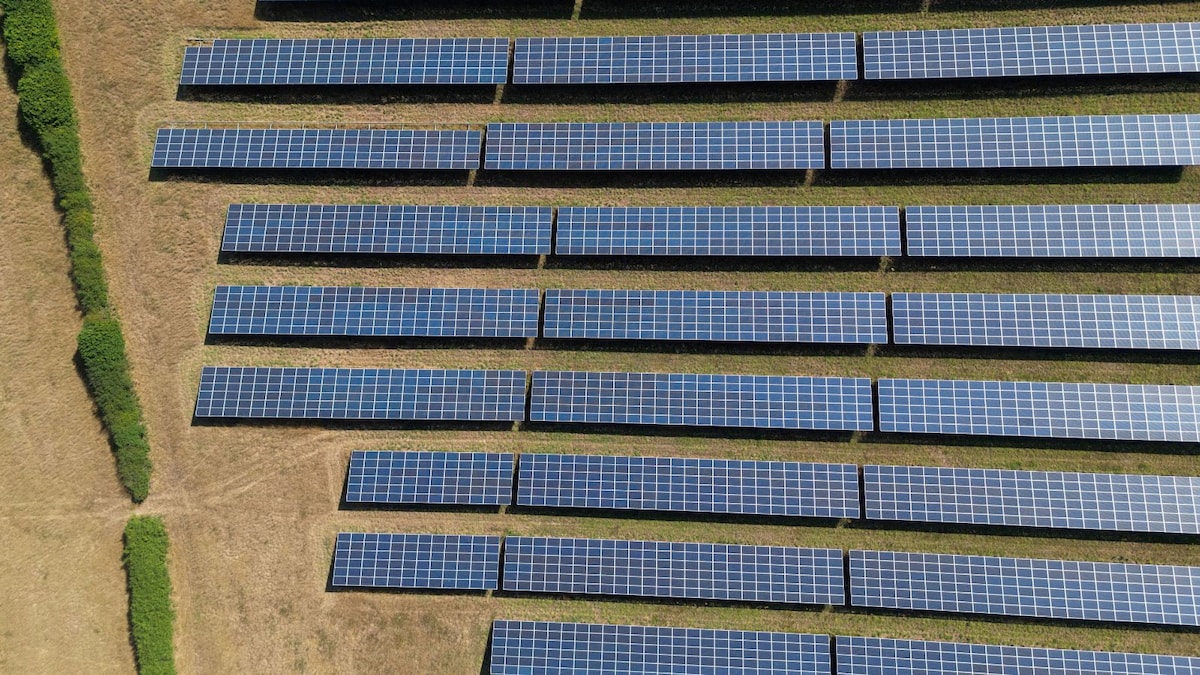
2 hrs ago
India’s Solar Capacity Reaches 168 GW, Enters Storage-Led Growth
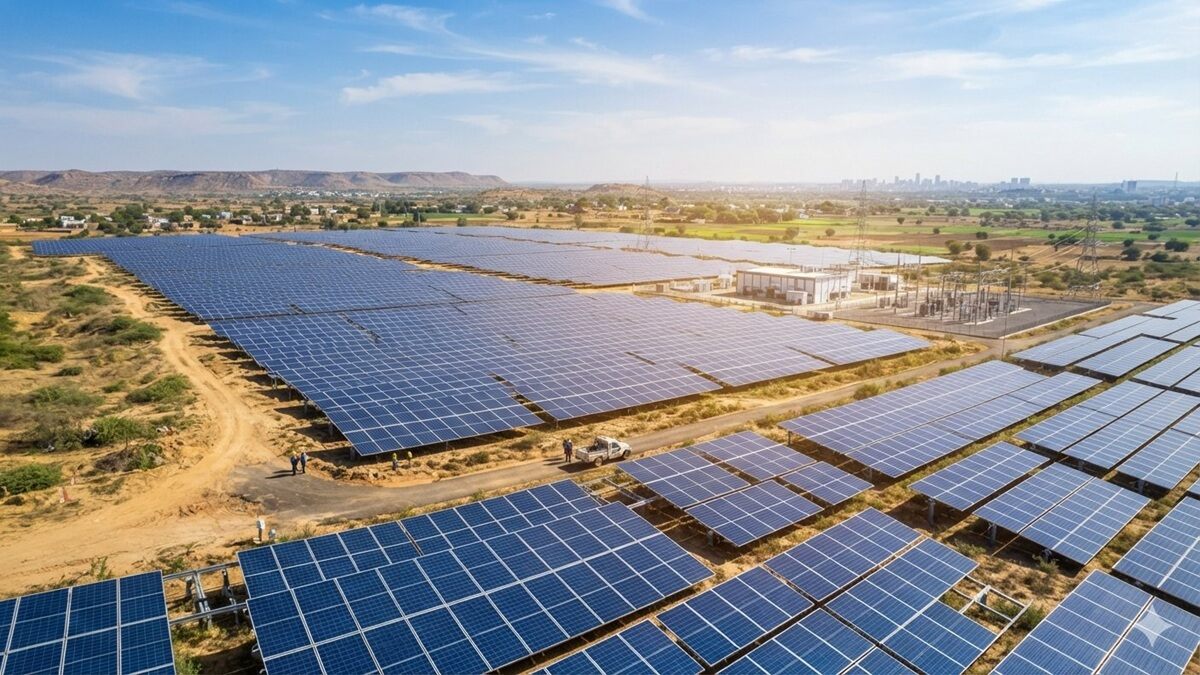
India is producing much more electricity from the sun than it did 12 years ago.
Its solar capacity grew from 2.8 gigawatts to 168 gigawatts.
Large solar parks, rooftop panels and solar pumps all helped drive this growth.
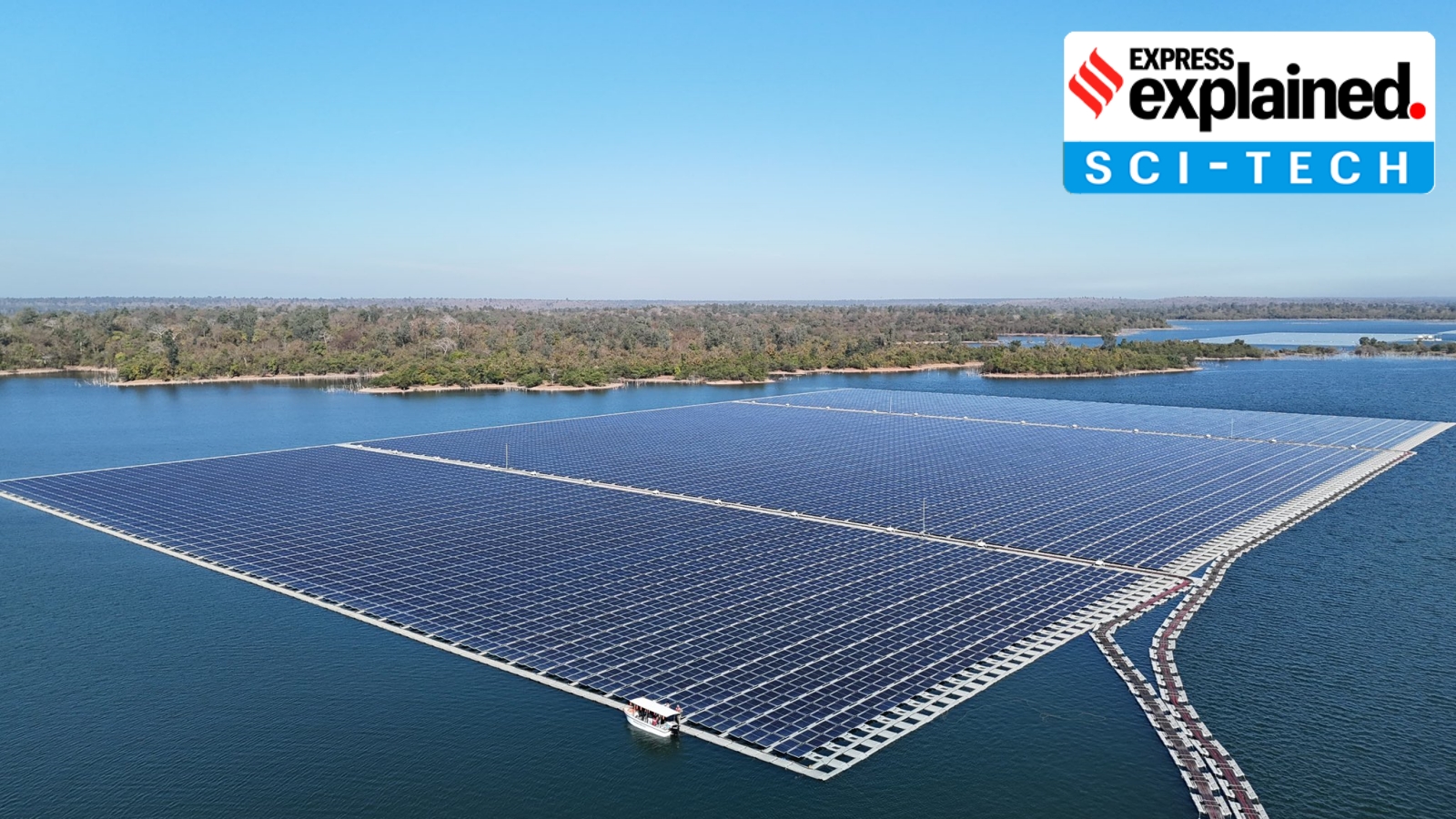
The government now wants to build solar panels on reservoirs and other water bodies.
A new programme will add 5,000 megawatts of floating solar along with batteries and other storage.
Storage can save daytime solar power for use when people need more electricity in the evening.
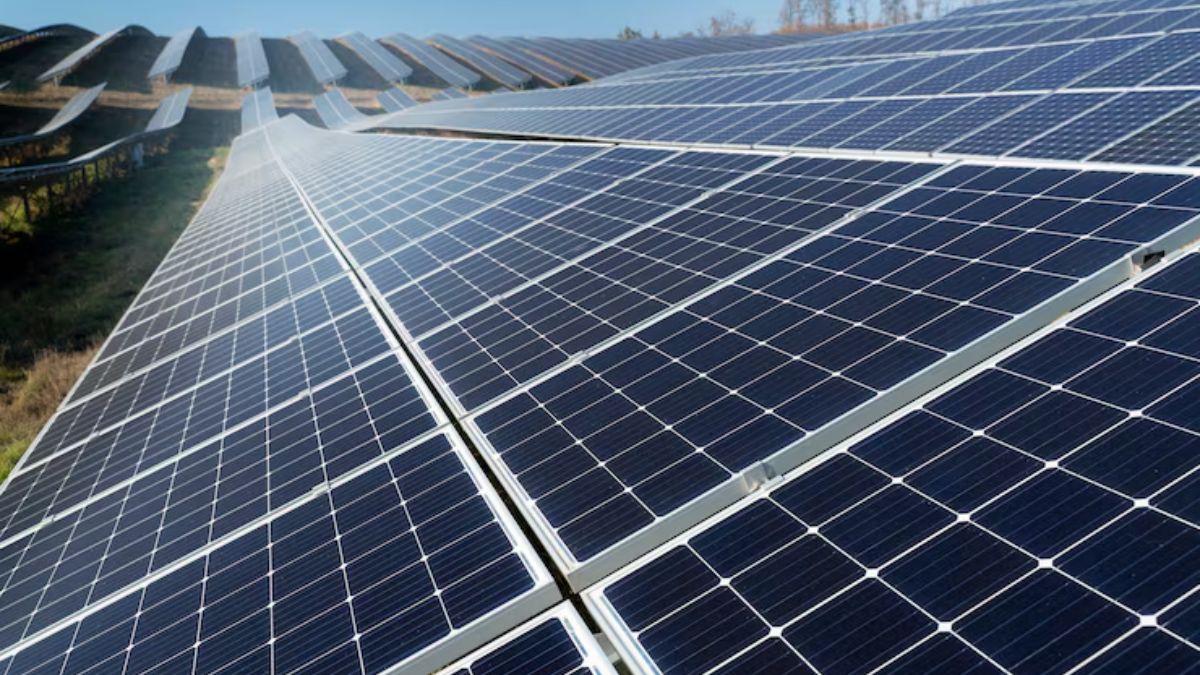
Rooftop solar is also expanding through a programme that supports household installations.
India is also building more factories to make solar cells, modules and related equipment.

India’s installed solar capacity rose from 2.8 GW in 2014 to 168 GW by August 31, 2026, according to the Ministry of New and Renewable Energy.
India added a record 44.61 GW of solar capacity in 2025-26, while total non-fossil capacity reached 283.46 GW.
The Pradhan Mantri Surya Sarovar Yojana will support 5,000 MW of floating solar and at least 10,000 MWh of co-located storage through 2030-31.
The PM Surya Ghar scheme has supported about 14.8 GW of rooftop capacity and benefited more than 51.58 lakh households as of August 12, 2026.
Future growth is expected to depend on domestic manufacturing, rooftop adoption, storage, transmission upgrades and policy continuity.
- Who
- The Government of India, the Ministry of New and Renewable Energy, solar developers, manufacturers, households and farmers are involved.
- What
- India’s solar capacity has reached 168 GW, with new programmes planned for floating solar, storage, rooftop systems and domestic manufacturing.
- Where
- Solar projects are being developed across India, including Rajasthan, Gujarat, Karnataka, Tamil Nadu, Andhra Pradesh and Maharashtra, as well as on reservoirs and industrial water bodies.
- When
- The capacity figure is as of August 31, 2026; the new floating-solar programme will run from financial year 2026-27 to 2030-31.
- Why
- The expansion aims to increase renewable electricity, reduce emissions, improve energy security, support manufacturing and address rising electricity demand.
Key facts
- Installed solar capacity
- 168 GW as of August 31, 2026, up from 2.8 GW in 2014.
- Solar additions in 2025-26
- 44.61 GW, nearly double the 23.83 GW added in 2024-25.
- PM-SSY allocation
- Rs 5,070 crore.
- Floating solar target
- 5,000 MW, with at least 10,000 MWh of co-located storage.
- Rooftop programme
- PM Surya Ghar aims to support rooftop installations for one crore households; about 14.8 GW had been commissioned by August 12, 2026.
- Manufacturing capacity
- Solar module manufacturing capacity reached around 172 GW by March 31, 2026; about 35 GW of solar-cell capacity was operational.
- Long-term national target
- India aims to reach 500 GW of non-fossil fuel capacity by 2030 and net-zero emissions by 2070.
Quotes
Amit Manohar
Secretary General of the Indian Solar Manufacturers Association
“As the current programme approaches March 2027, providing early clarity on its next phase, including consideration of PM Surya Ghar 2.0, preferably by December 2026, would help maintain market continuity and provide greater visibility to consumers and industry stakeholders.”
 financialexpress.com
“PM Surya Ghar has played an important role in expanding residential rooftop solar adoption, particularly in markets where project economics remain challenging.”
financialexpress.com
Sources
Related news
India’s Floating Solar Push Faces Land, Cost And Ecological Questions
India’s Rooftop Solar Market Eyes Eightfold Growth by 2030

India's Pumped Storage Push Faces ₹7.36-Trillion Investment Question
India's Solar Open Access Additions Hit Record 3GW in Q2

BRICS Clean Energy Hub Needs Resilient Grids, Storage And Finance

India’s Solar Manufacturing Race Targets 90% Localisation by 2030

Aastha Spintex Shares Rise as Rooftop Solar Project Advances
Aastha Spintex Advances Rooftop Solar Project After GEDA Registration
Uttar Pradesh Leads India’s Residential Solar Growth Under PM Scheme

Lucknow Roadshow Spotlights North India’s Renewable Energy Opportunities