1 day ago
India’s Rooftop Solar Market Eyes Eightfold Growth by 2030
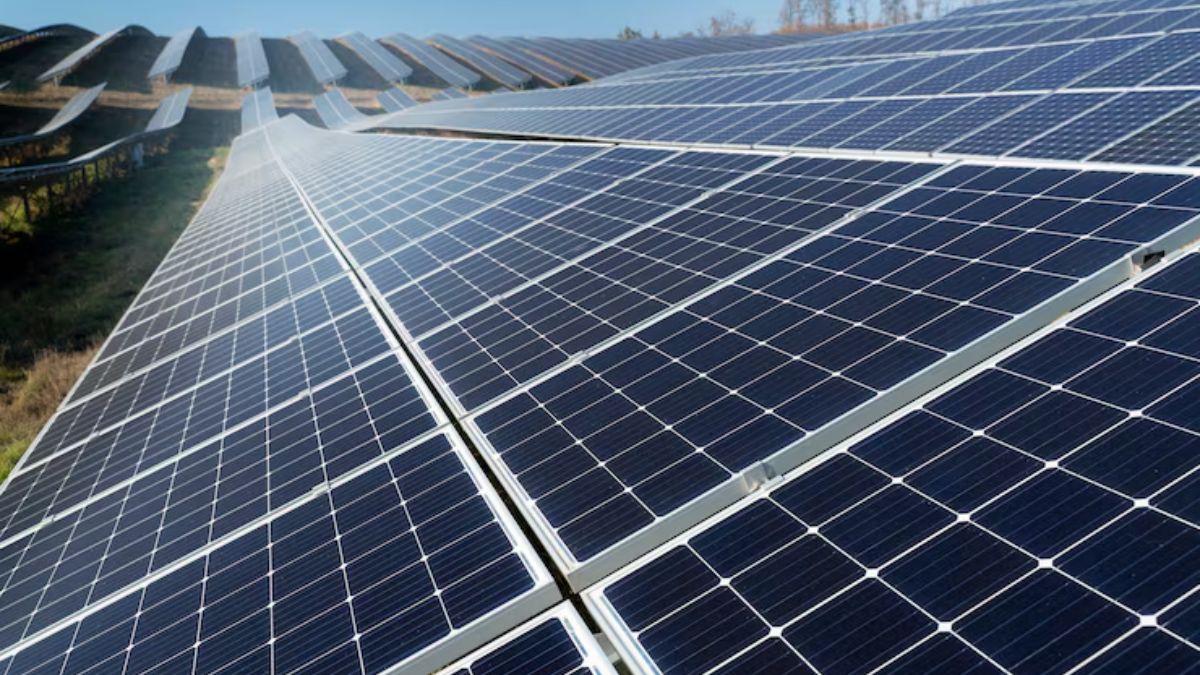
India has many rooftops that could be used to make solar electricity.
The Indian Solar Manufacturers Association says the country could have 132 gigawatts of residential rooftop solar, compared with about 17 gigawatts installed now.
That means there may be nearly 115 gigawatts of room for growth.
The PM Surya Ghar programme has helped more families afford rooftop solar.
By August, the programme covered 5.46 million households and 16,185.48 megawatts of capacity.
Monthly installations slowed in August compared with July.
ISMA expects 9 to 15 gigawatts of new rooftop solar each year from 2026 to 2030.
This could create more demand for solar panels, cells, inverters and other equipment made in India.
ISMA wants the government to explain what happens after the programme’s March 2027 deadline.

ISMA estimates India’s residential rooftop solar potential at 132 GW, compared with 17 GW currently installed.
The projected market leaves nearly 115 GW of untapped potential for domestic solar cells, modules, inverters and balance-of-system components.
ISMA forecasts annual residential rooftop installations of 9–15 GW between 2026 and 2030.
PM Surya Ghar capacity reached 16,185.48 MW across 5.46 million households by August, although monthly additions fell 11.6% from July.
ISMA urged early clarity on the programme’s post-March 2027 phase, including possible PM Surya Ghar 2.0, preferably by December 2026.
- Who
- The Indian Solar Manufacturers Association (ISMA), including Secretary General Amit Manohar, assessed the market.
- What
- ISMA projected 132 GW of residential rooftop solar potential and called for continuity of policy support beyond March 2027.
- Where
- Across India, with August additions led by Uttar Pradesh, Maharashtra and Andhra Pradesh.
- When
- The report was published on September 16, 2026; it covers projected installations from 2026 to 2030 and seeks clarity by December 2026.
- Why
- To sustain rooftop-solar adoption, support domestic manufacturing and give manufacturers and consumers greater investment visibility.
Key facts
- Estimated total potential
- 132 GW of residential rooftop solar
- Currently installed
- 17 GW nationally
- Untapped potential
- Nearly 115 GW
- Projected annual installations
- 9–15 GW between 2026 and 2030
- PM Surya Ghar capacity
- 16,185.48 MW across 5.46 million households by August
- August monthly additions
- 1,407.32 MW, down 11.6% from 1,592 MW in July
- Programme timeline
- Current phase approaches March 2027; ISMA prefers next-phase clarity by December 2026
- Programme financial support
- The scheme has a ₹75,021-crore outlay and offers assistance of up to ₹78,000 for systems of 3 kW or above
Quotes
Amit Manohar
Secretary General of the Indian Solar Manufacturers Association
“PM Surya Ghar has played an important role in expanding residential rooftop solar adoption, particularly in markets where project economics remain challenging. As the current programme approaches March 2027, providing early clarity on its next phase, including consideration of PM Surya Ghar 2.0, preferably by December 2026, would help maintain market continuity and provide greater visibility to consumers and industry stakeholders.”
 thehindubusinessline.com
 financialexpress.com
“This represents a significant and sustained demand pipeline for domestically manufactured solar cells, modules, inverters and balance-of-system components, creating opportunities across India’s solar manufacturing and rooftop ecosystem.”
thehindubusinessline.com
Sources

Related news
Uttar Pradesh Leads India’s Residential Solar Growth Under PM Scheme
India’s Solar Capacity Reaches 168 GW, Enters Storage-Led Growth
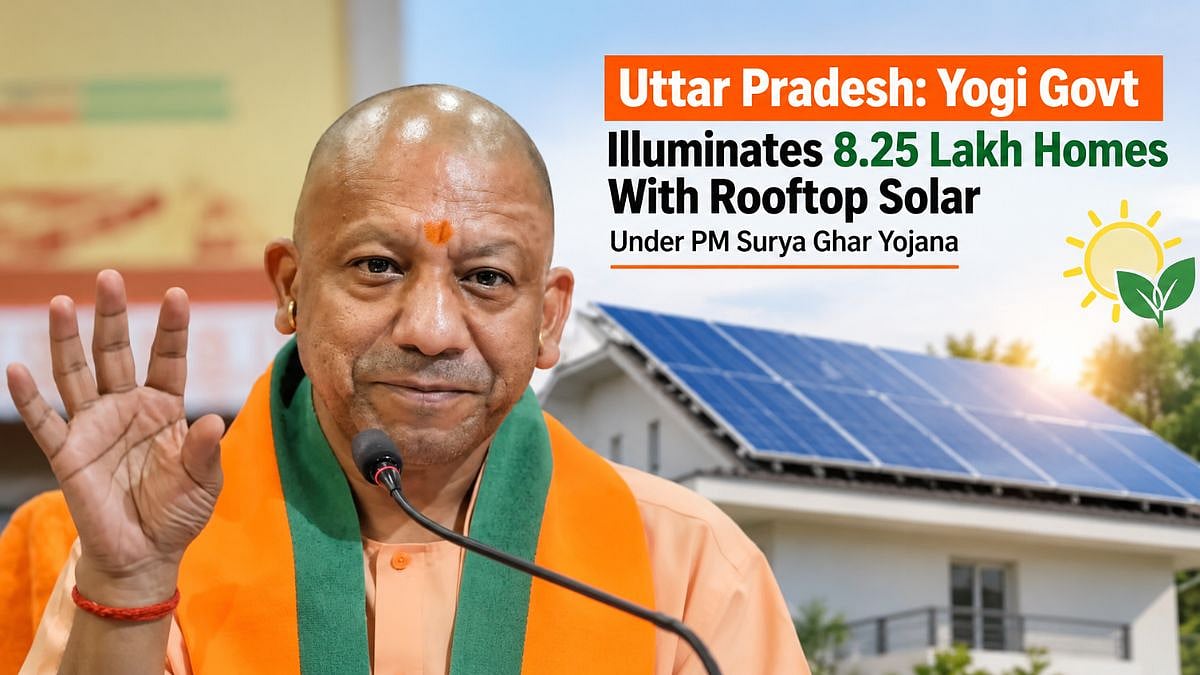
Uttar Pradesh Expands Rooftop Solar Under PM Surya Ghar Scheme
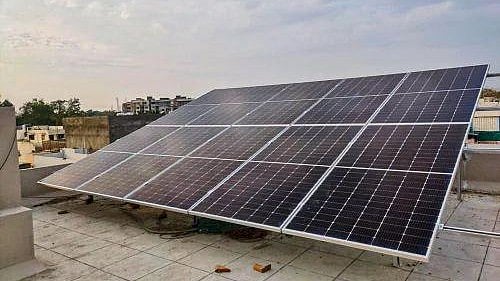
West Discom Nears 1 Lakh Rooftop Solar Installations
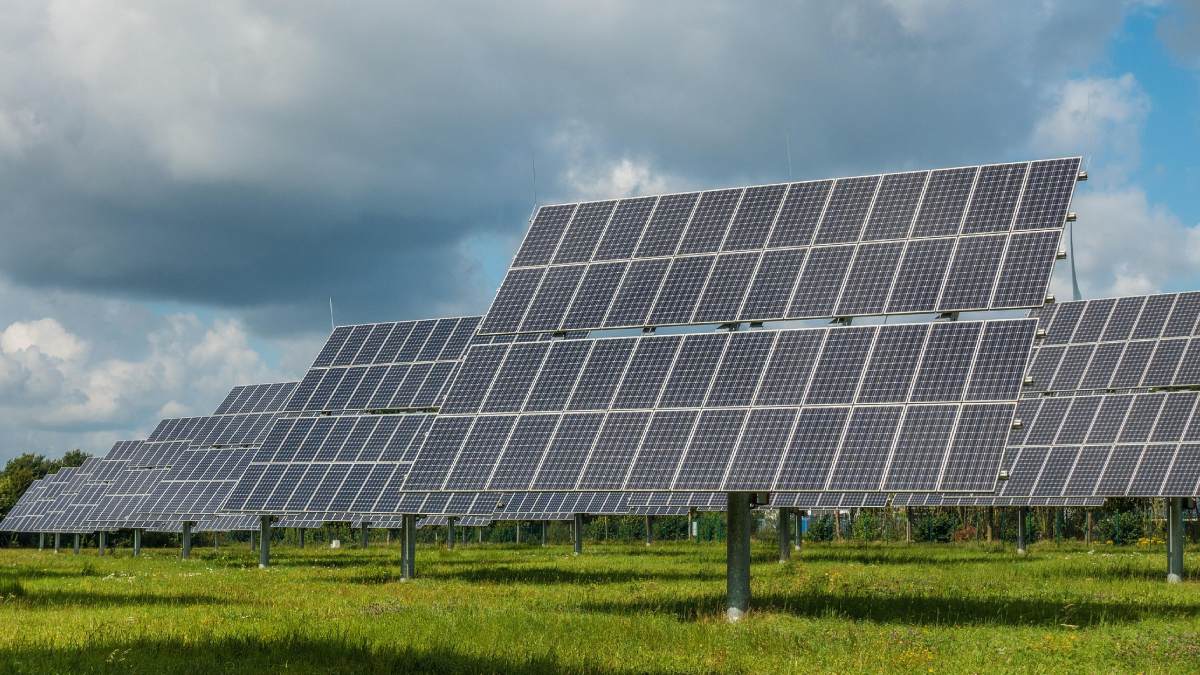
PM Surya Ghar May Tie Support to Solar Performance
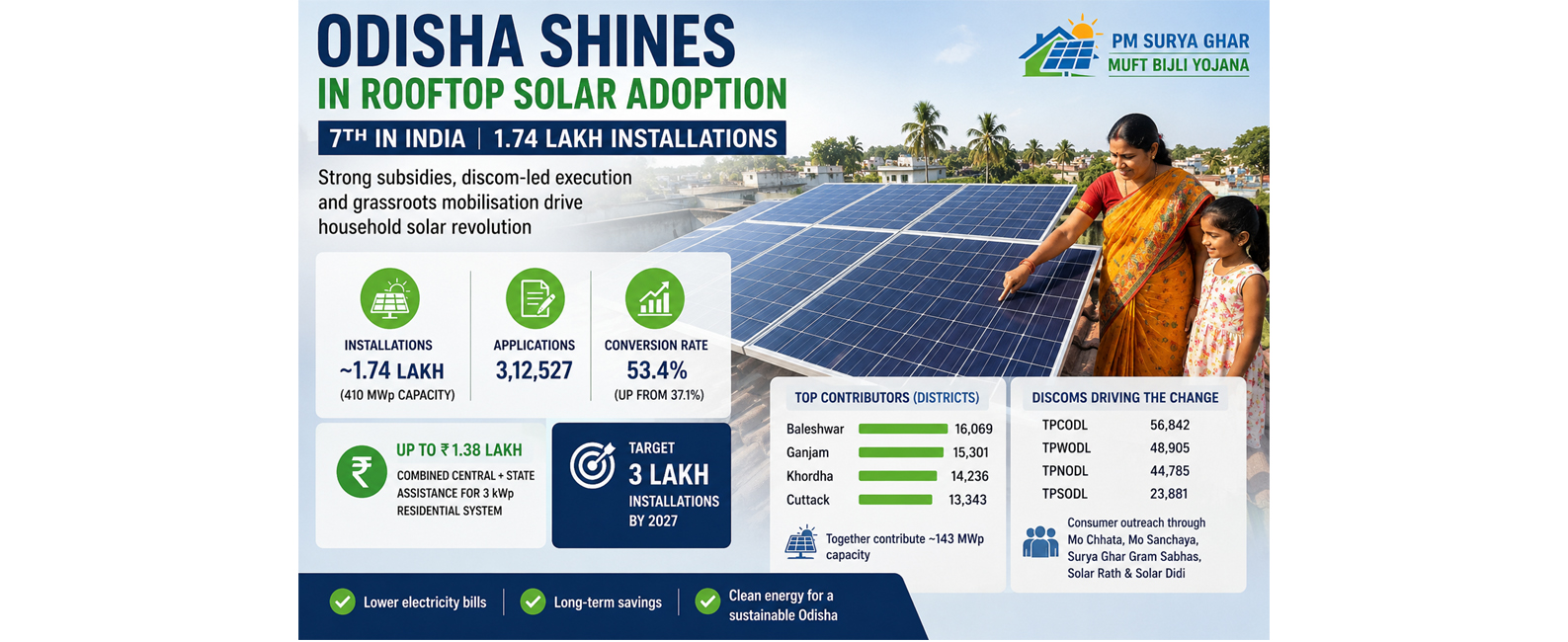
Odisha Rises to Seventh in National Rooftop Solar Installations

Four International Universities Open Mumbai Campuses, Expanding Global Education

Supreme Court Questions Majority Test in Shiv Sena Dispute
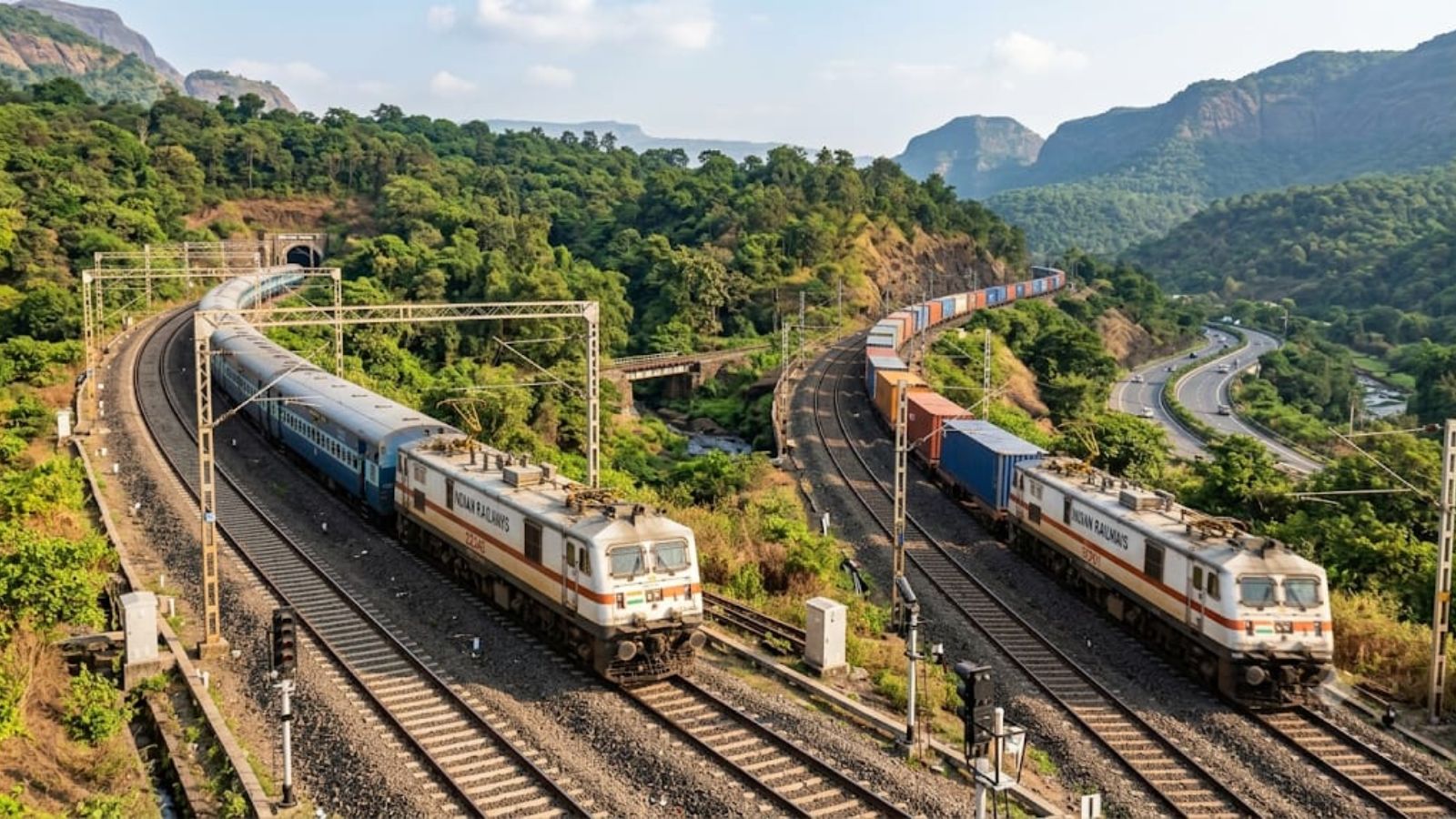
Indian Railways Approves Maharashtra Projects to Boost Train Operations

Food regulator weighs nationwide ban on analogue paneer

Maharashtra Announces Tentative 2027 SSC, HSC Exam Dates