1 day ago
India’s GDP Growth Beats Expectations at 7.8% in First Quarter
India’s economy grew faster than many experts expected during April, May and June 2026.
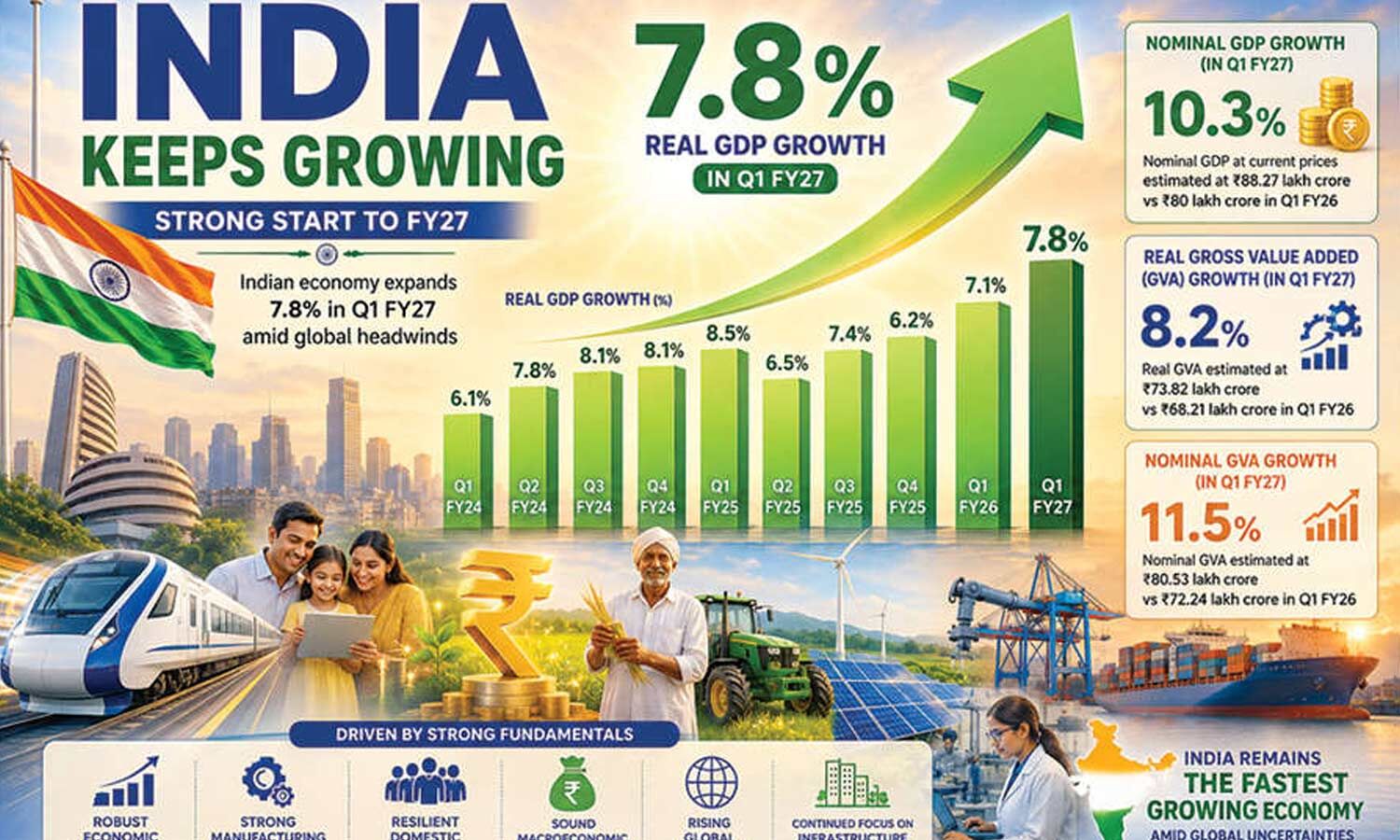
It expanded by 7.8% compared with the same period a year earlier.
Businesses that make goods and provide services helped drive this growth.
People’s spending, government investment and exports also supported the economy.
Farming grew more slowly, and mining became smaller.
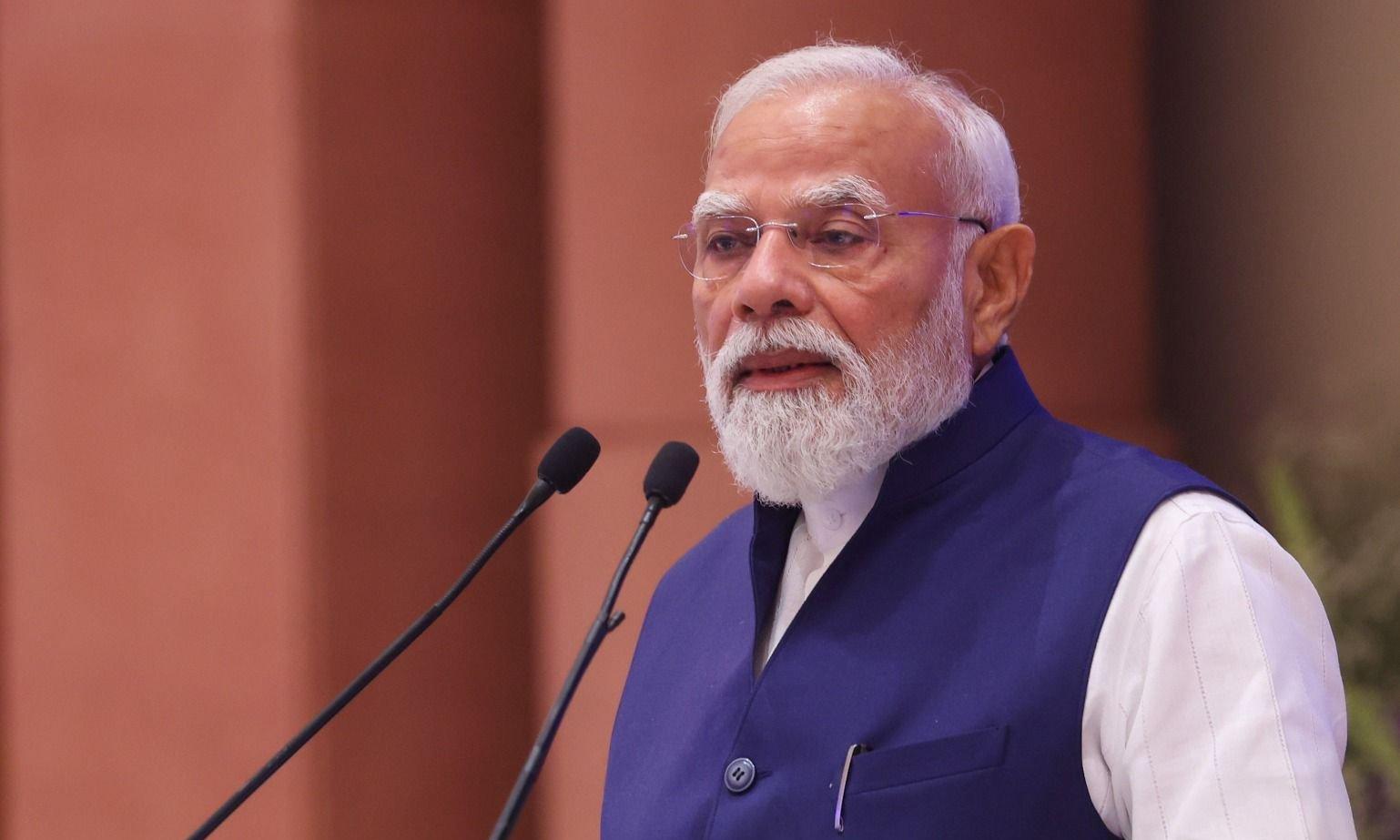
Prime Minister Narendra Modi called the result exemplary.
Critics said the headline number did not show enough about jobs, farming or investment.
Economists warned that growth could slow later because of global tensions, weather risks, inflation and changes to tax-related benefits.

India’s economy grew 7.8% in April-June 2026, exceeding the Reserve Bank of India’s 7% estimate and economists’ 7.1% median forecast.
Manufacturing, services, domestic demand, investment and exports supported growth, while mining contracted and agriculture grew modestly.
The services sector expanded 10%, led by financial, real estate, IT and professional services, which grew 12.1%.
Gross fixed capital formation rose 11.9%, while private final consumption expenditure increased 7.1%.
Officials praised the result, but Opposition leaders and economists warned about weak agriculture, employment concerns, inflation, geopolitical risks and possible slower growth later in the year.
- Who
- India’s economy, with comments from Prime Minister Narendra Modi, Finance Minister Nirmala Sitharaman, Chief Economic Adviser V. Anantha Nageswaran, Opposition spokesperson Supriya Shrinate and economists.
- What
- India’s real GDP grew 7.8% in the first quarter of financial year 2026-27.
- Where
- India.
- When
- April-June 2026; the figures were reported for the first quarter of financial year 2026-27.
- Why
- Growth was supported by manufacturing, services, domestic consumption, public investment and exports, despite weakness in mining and modest agricultural growth.
Government and official view
Opposition and cautious economist view
Meaning of the growth result
Government and official view
Prime Minister Narendra Modi called the performance exemplary and a herculean feat, while Finance Minister Nirmala Sitharaman linked it to government reforms and economic management.
Opposition and cautious economist view
Congress spokesperson Supriya Shrinate questioned whether the headline number fully reflected economic conditions, citing the revised GDP base year, weak employment and other concerns.
Strength of the economy
Government and official view
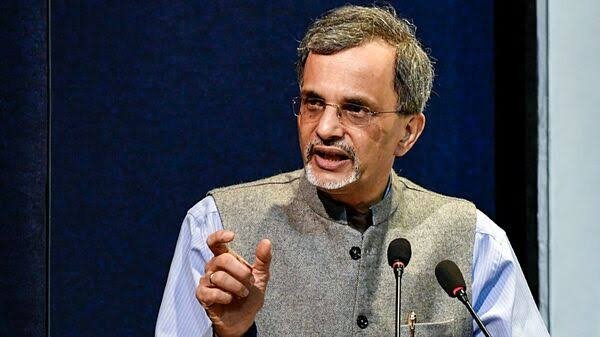
The chief economic adviser said resilient domestic demand and strong manufacturing and services supported growth, while supply disruptions had not significantly affected inputs.
Opposition and cautious economist view
Critics highlighted agriculture’s 3.6% growth, a 2.4% contraction in mining, concerns about investment and the rupee’s weakness against the dollar.
Outlook
Government and official view
Officials said near-term domestic momentum remained strong, with investment and exports contributing to the result.
Opposition and cautious economist view
Economists warned that growth could moderate later because of geopolitical and trade-policy uncertainty, possible weaker farm output, inflation, an unfavourable statistical base and the fading boost from GST rationalisation.
Key facts
- Real GDP growth
- 7.8% in April-June 2026
- RBI estimate
- 7%
- Economists’ median forecast
- 7.1%, based on a Reuters poll of 58 economists
- Services growth
- 10% in real terms
- Agriculture and allied activities
- 3.6%
- Mining and quarrying
- Contracted 2.4%
- Gross fixed capital formation
- Rose 11.9%, compared with 5.8% a year earlier
- Nominal versus real GDP growth
- Nominal GDP grew 10.3%, while real GDP grew 7.8%
Quotes

V. Anantha Nageswaran
Chief economic adviser to the Government of India
“We have manufacturing and services doing quite well in the first quarter despite the West Asia-related uncertainties.”
 telegraphindia.com
“Near-term domestic economic momentum is strong but globally we are continuing to see uncertainties.”
telegraphindia.com
Sources
Related news
India's Q1 GDP Growth Hits 7.8% Despite Global Turmoil

India’s Q1 GDP Growth Hits 7.8% as Modi Hails Feat

India's 7.8% GDP Growth Defies Global Uncertainty, Modi Hails Resilience
India’s GDP Grows 7.8% Despite West Asia Crisis
India Posts 7.8% Growth as CEA Flags External Risks
India’s Q1 FY27 Growth Beats Forecast Despite Iran War Fears
Goyal Defends India’s 7.8% GDP Growth Amid Data Debate
Manipur Census Deferment Welcomed as Step Toward Public Aspirations
UPSC Key Covers SCO, Electoral Rolls, Economy, Defence and Climate

West Bengal CM Crushes Nearly 2 Lakh Seized Syrup Bottles

Modi Highlights India’s Growing Avocado Market and Farmer Gains